
Last updated September 23, 2026
Free visual inspection and a written scope of work before any mitigation begins - photos, moisture readings, and drying logs go in your claim file
The scope we write is the scope we bill. Anything new gets shown to you, in writing, before we touch it.
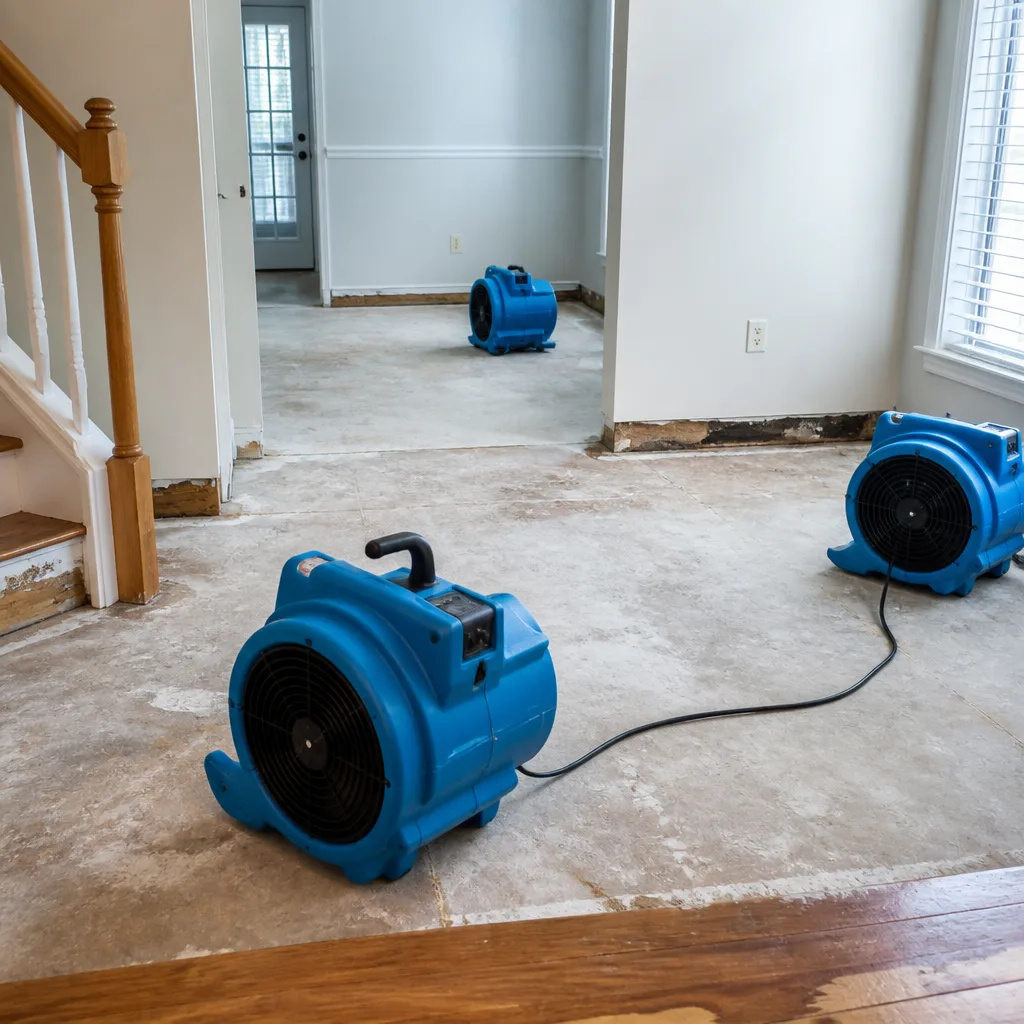
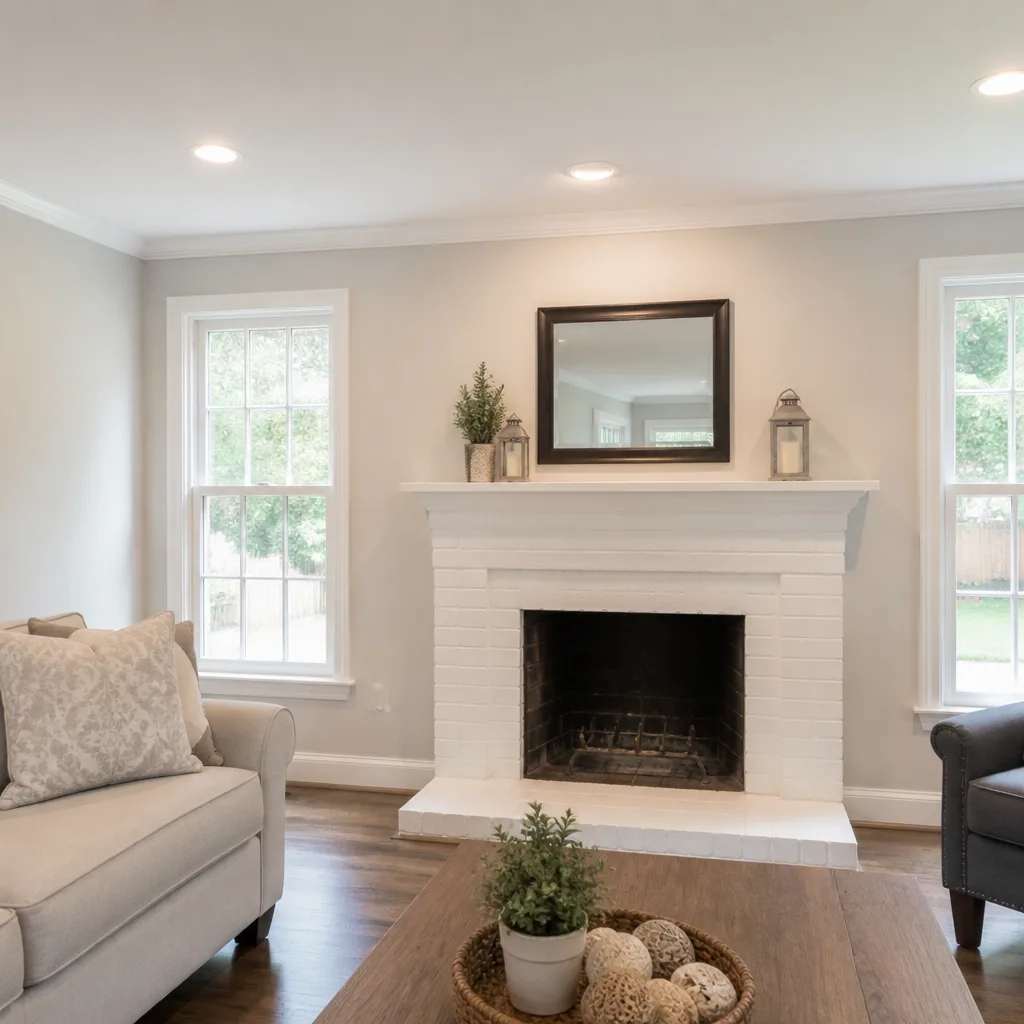
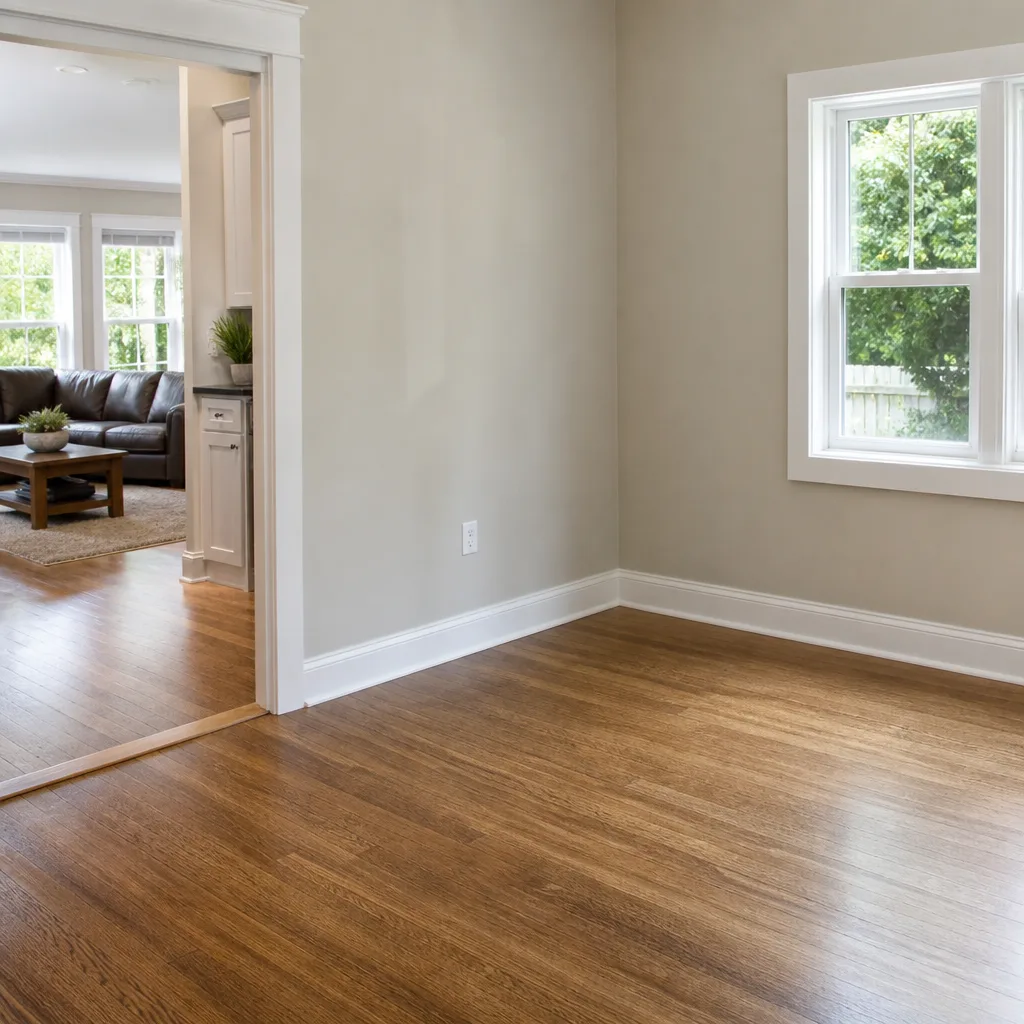

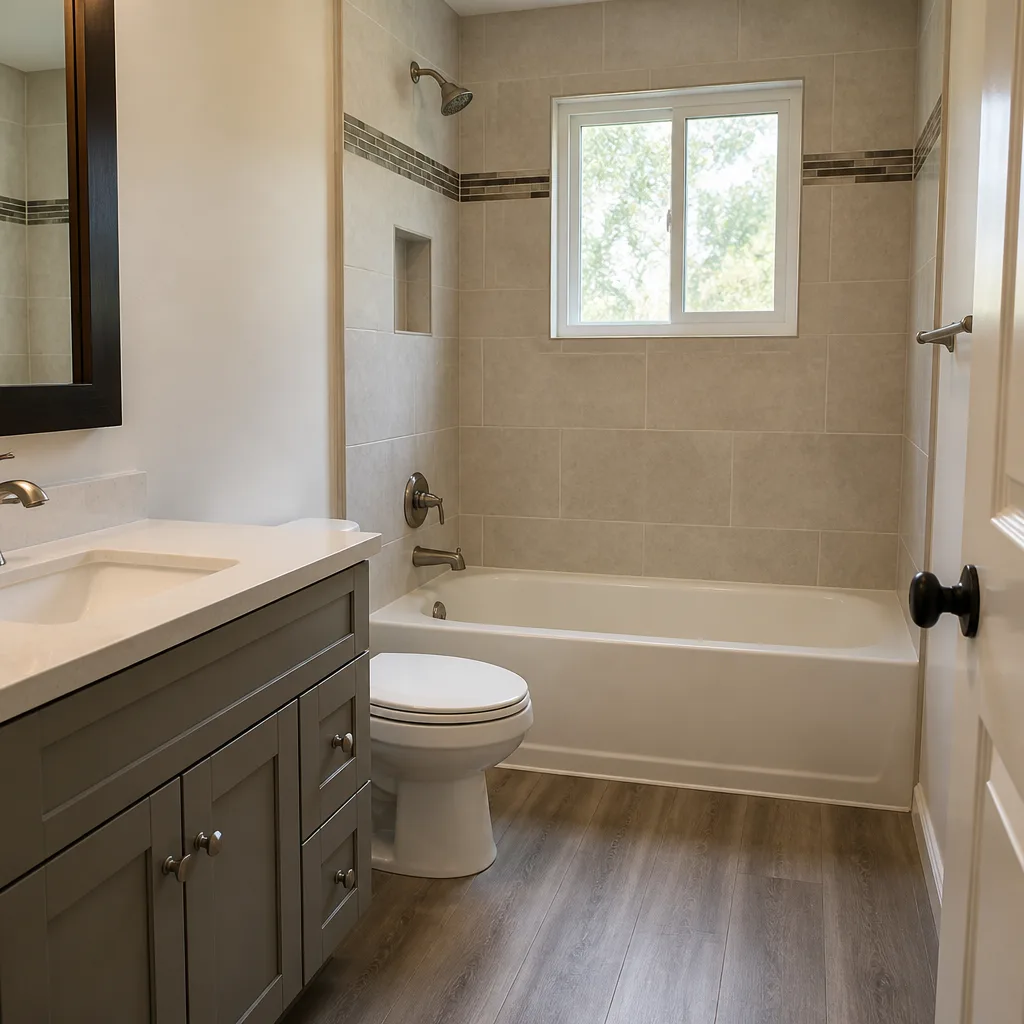

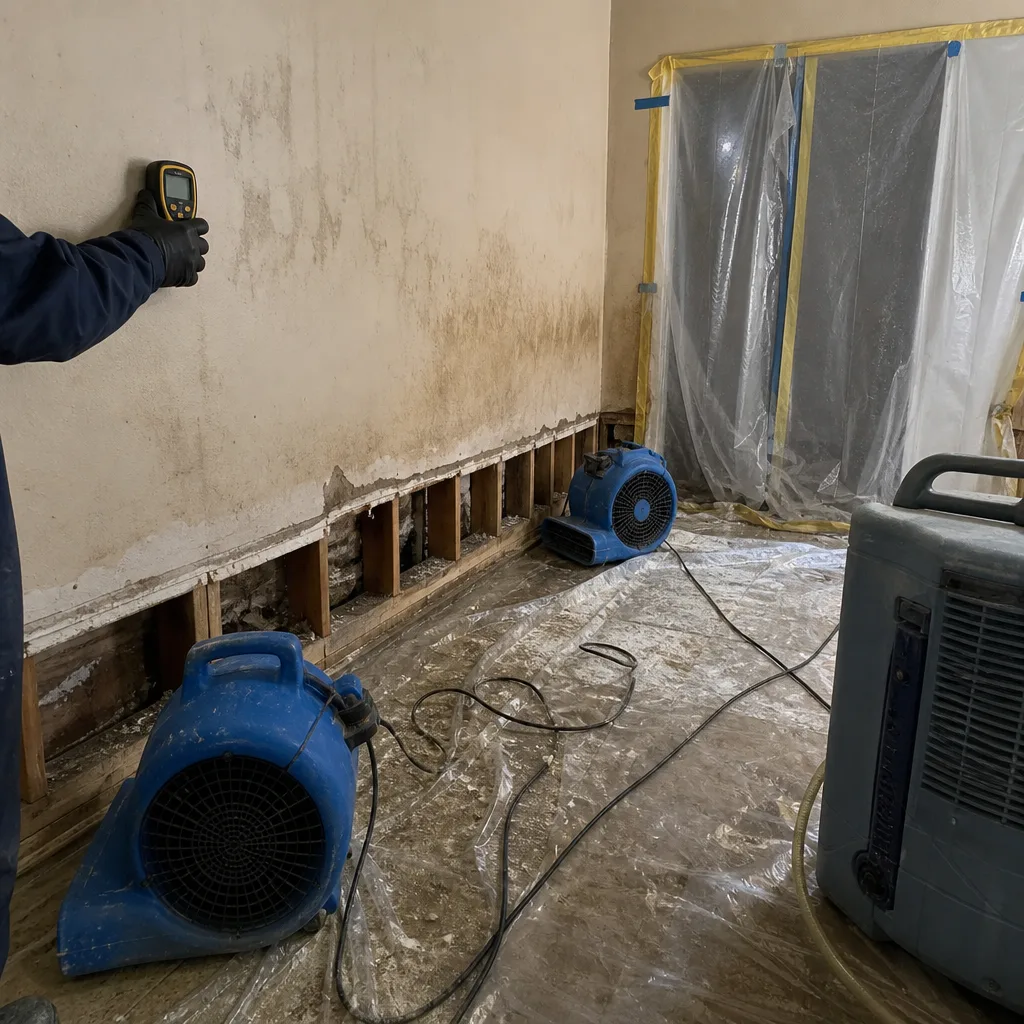 Before
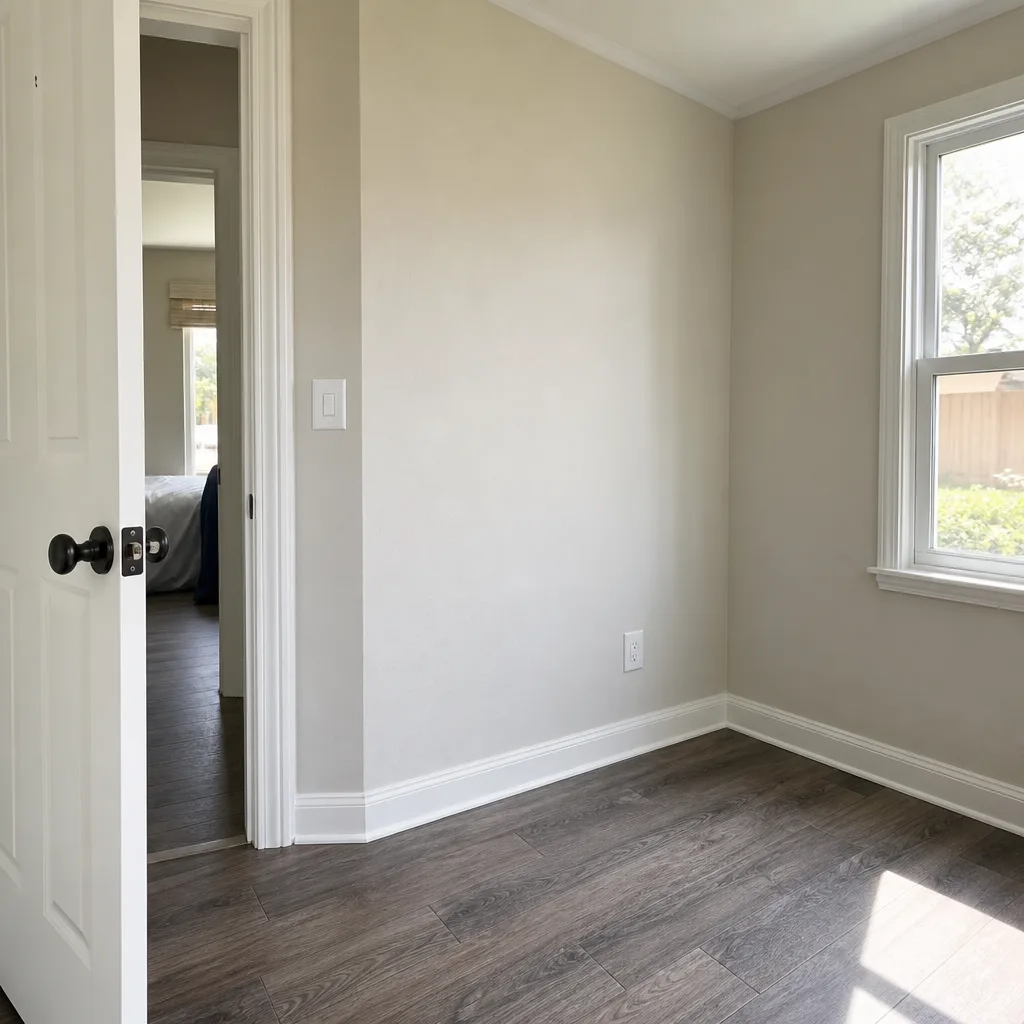 After
After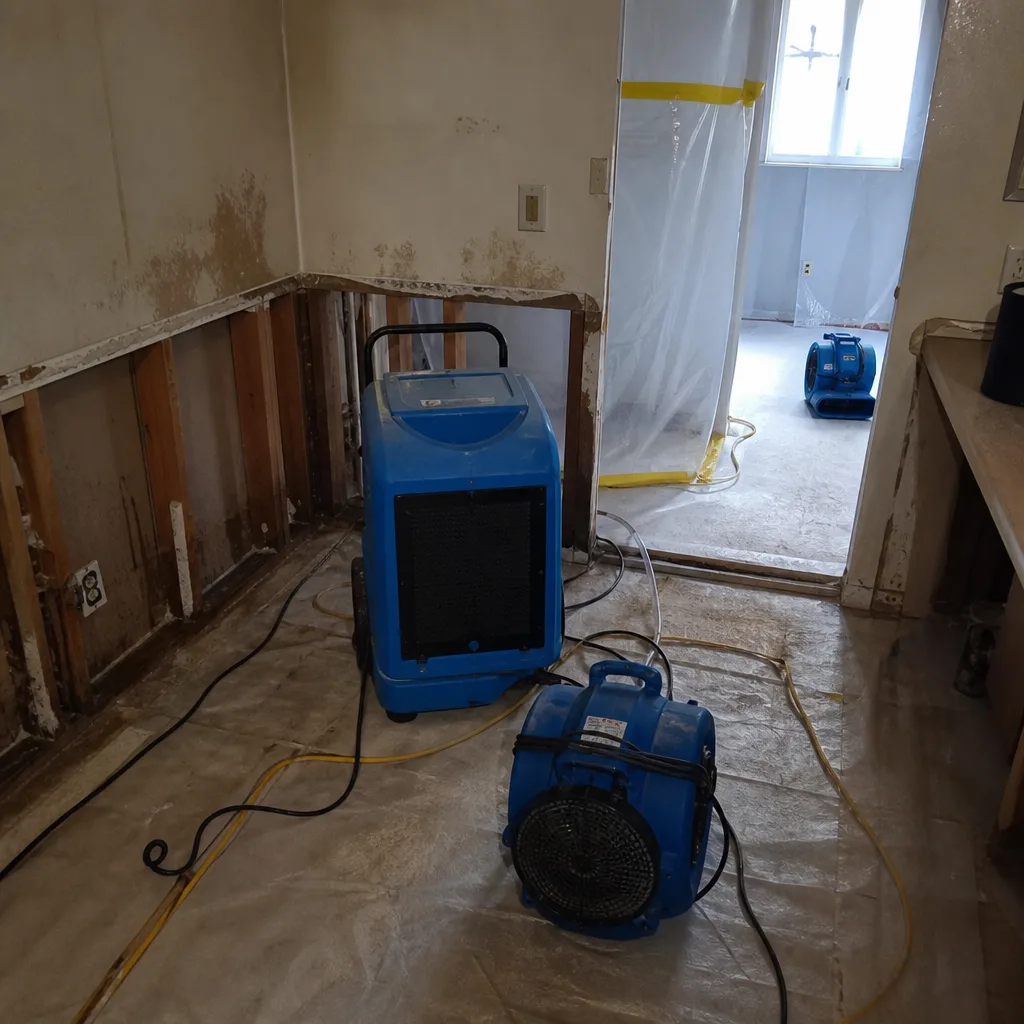 Before
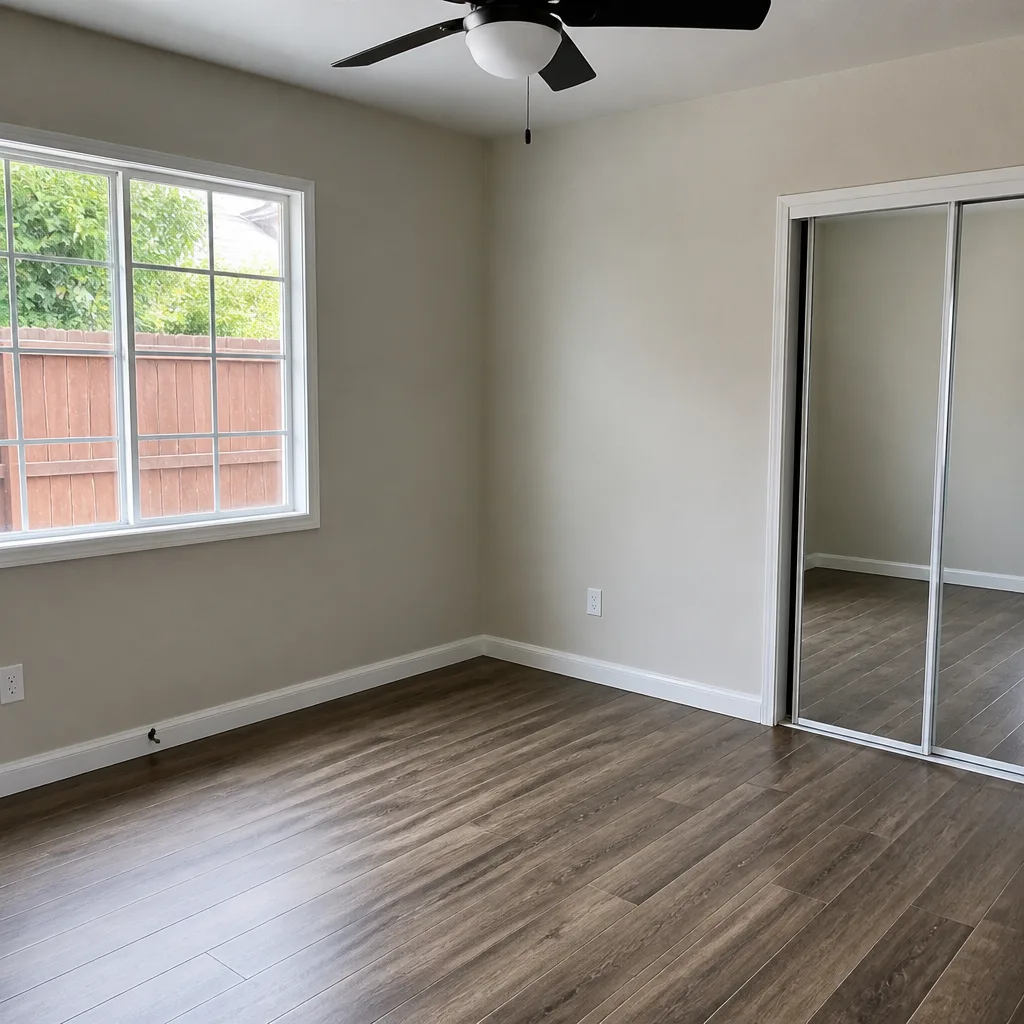 After
After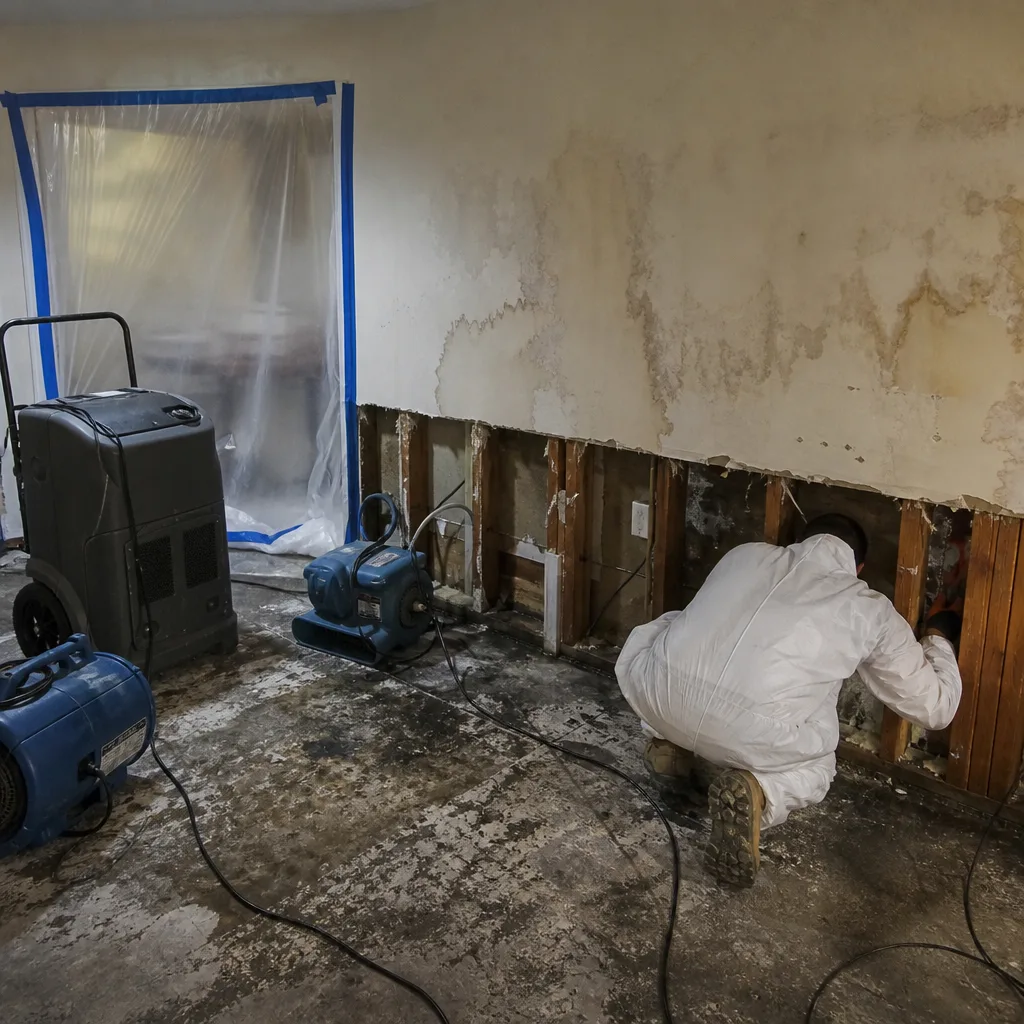 Before
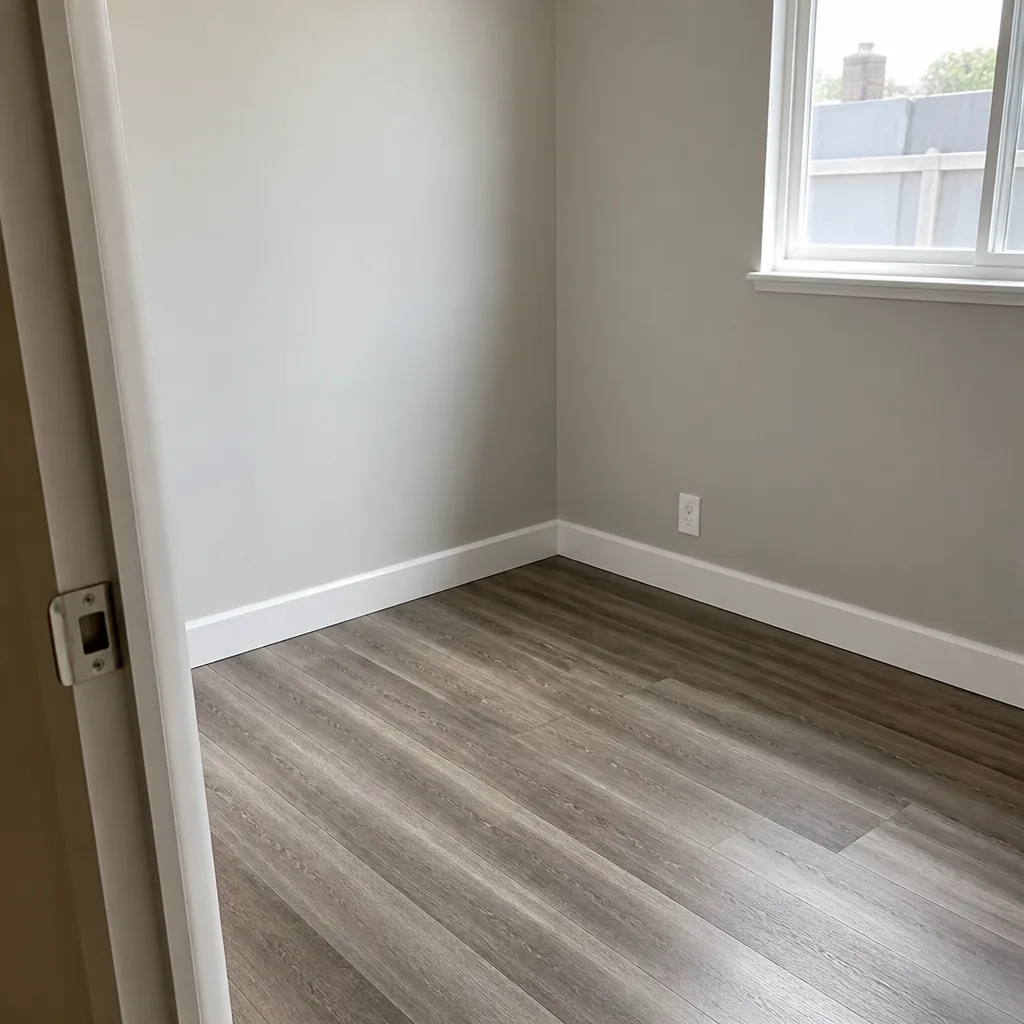 After
AfterDIY vs Professional Damage Restoration: The Chula Vista Homeowner’s Decision Guide
Every year in Chula Vista, we meet homeowners who dried their own water damage with rented fans from the Home Depot on Broadway, ran them for three days, and called it done. No moisture readings. No photo record. No written scope. Six months later, they find mold behind the baseboards, file an insurance claim, and learn the hard truth: their carrier classifies the original event as a maintenance issue, not a covered loss, because no licensed contractor documented that the structure was returned to pre-loss condition. The $400 they saved on DIY drying cost them $14,000 in uncovered mold remediation and a mandatory disclosure that will follow the property through every future sale. This guide shows exactly which restoration tasks a Chula Vista homeowner can safely self-perform, which require a licensed contractor’s documentation to remain insurable, and how to tell the difference before you start. For additional help, see our How to Hire a Damage Restoration Contractor in Chula Vista: A Step-by-Step Guide.e first fan gets plugged in.
Quick Answer
Chula Vista homeowners can safely handle surface drying of clean water affecting less than 150 square feet of non-porous flooring with no wall intrusion, provided they document date-stamped photos, moisture meter readings at 24-hour intervals, and retain equipment rental receipts. Every other scenario, including Category 2 or 3 water, any wall or ceiling involvement, mold growth exceeding 10 square feet, fire or smoke damage, sewage backup, or biohazard contamination, requires a licensed restoration contractor’s written scope and moisture log to satisfy California insurance standards and Civil Code 1102 disclosure requirements.
Table of Contents
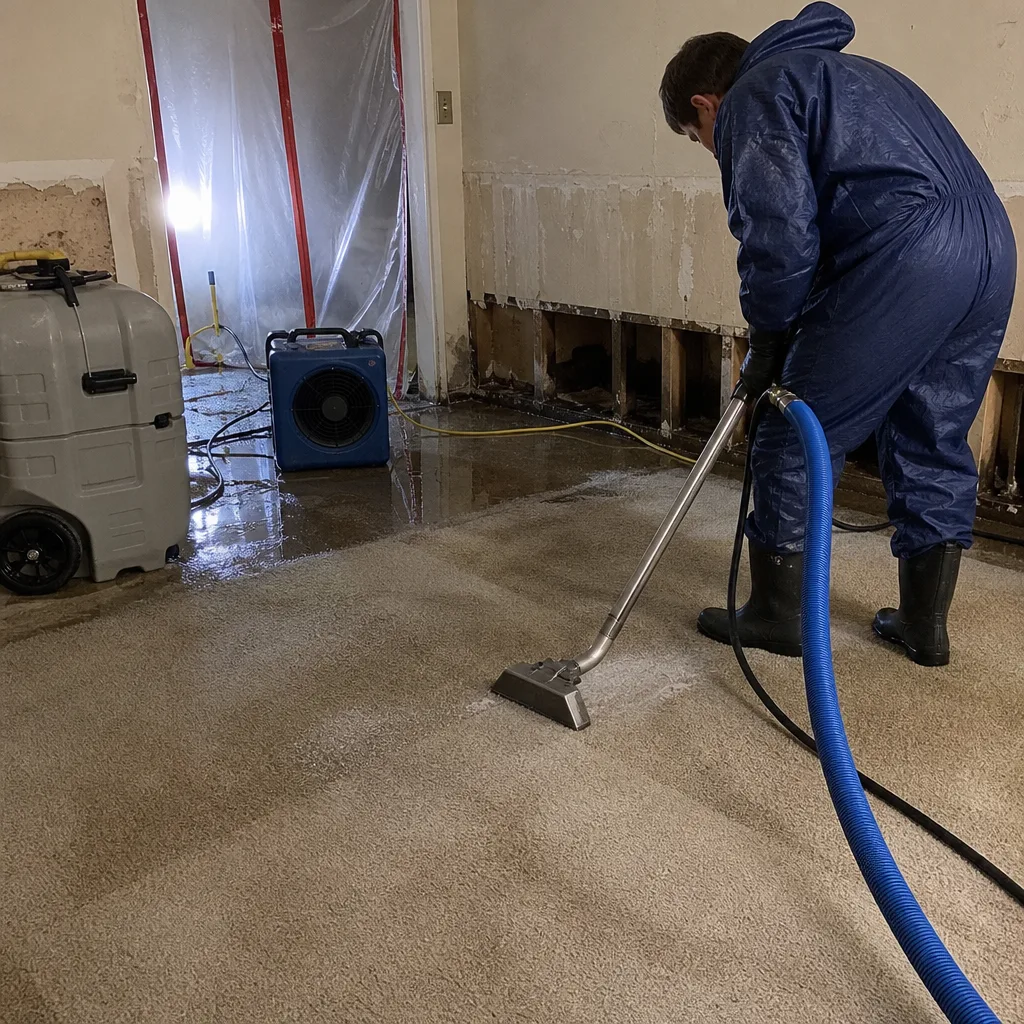
- Where DIY Restoration Actually Works in Chula Vista
- The Documentation Gap: Why DIY Savings Disappear
- How California Insurance Policies Treat DIY Remediation
- Legal Limits: What Homeowners Can and Cannot Self-Perform
- What Credible Self-Documentation Must Include
- Decision Matrix: Mapping Damage Type to DIY vs Professional
- Hidden Costs: Resale Value and Mandatory Disclosure
- The Equipment Reality: Rental Grade vs Professional Grade
BeforeAfterWhere DIY Restoration Actually Works in Chula Vista
Chula Vista’s climate creates specific conditions where limited DIY drying can succeed. Our marine layer keeps relative humidity moderate through most of the year, typically 60-70% in coastal neighborhoods like Otay Ranch and Eastlake, which means evaporative drying proceeds more predictably than in inland deserts. The risk arrives in September and October, when Santa Ana winds drop humidity to 20% and temperatures spike, accelerating surface drying while trapping moisture in wall cavities. A homeowner who understands this seasonal pattern can make informed decisions about self-performing limited water extraction.
DIY-viable scenarios share four characteristics:
- Category 1 water only: Clean water from a burst supply line or rainwater intrusion, with no contamination from soil, sewage, or chemicals. Category 1 degrades to Category 2 within 24-48 hours in Chula Vista’s warm climate, so the clock matters.
- Non-porous materials only: Ceramic tile, sealed concrete, vinyl plank, or other materials that do not absorb water into their structure. No drywall, no carpet pad, no hardwood, no subfloor.
- Less than 150 square feet affected: This is the threshold where personal dehumidification equipment can realistically manage the vapor load. A standard residential dehumidifier removes 30-50 pints per day. A 150-square-foot water event with standing water can generate 15-25 pints of evaporation in the first 24 hours. The math works, barely.
- No wall or baseboard intrusion: Water that has wicked into drywall, insulation, or wall cavities requires injectidry systems and psychrometric monitoring that rental equipment cannot provide.
We’ve walked into Chula Vista homes in Rancho del Rey where homeowners successfully managed Category 1 spills on tile floors using this exact approach. The key differentiator: they documented everything, and they knew when to stop. The moment water reached a baseboard or a second room, the project crossed into professional territory.
Even in these limited scenarios, we recommend homeowners rent a pin-type moisture meter (not a pinless surface scanner) and record readings at 24, 48, and 72 hours. Wood flooring and drywall should read below 16% moisture content; concrete subfloors below 75% relative humidity using in-situ probes. Without these numbers, you have a dry surface and a wet structure, and no evidence to prove otherwise.
The Documentation Gap: Why DIY Savings Disappear
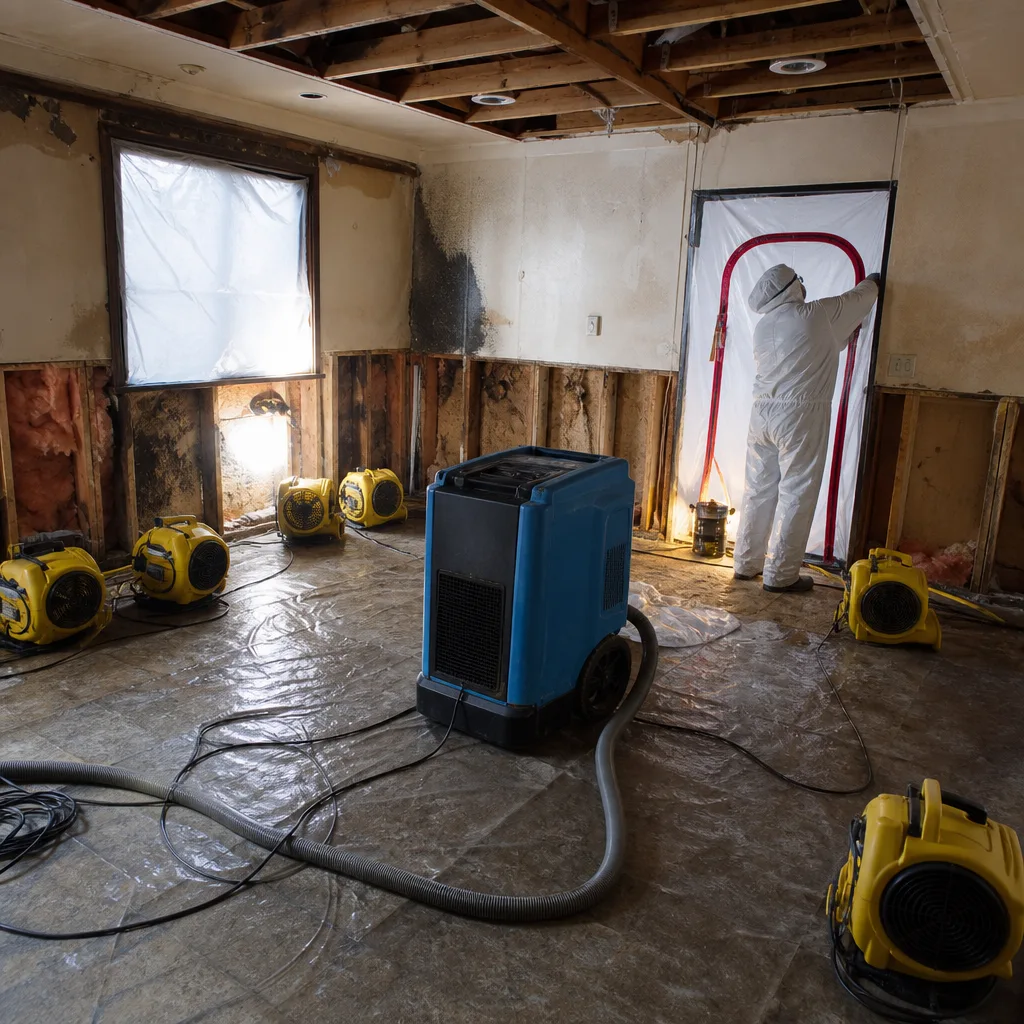
The restoration industry runs on documentation because the insurance industry runs on documentation. Every claim file that crosses an adjuster’s desk needs three elements to justify payment: proof of loss, proof of scope, and proof of completion. A homeowner who performs their own restoration produces none of these in a format carriers recognize.
Consider what a professional restoration company delivers on a standard water damage job in Chula Vista:
- A written scope of work with line-item pricing, signed by both parties before work begins (Haven Standard, Clause 1)
- Daily moisture logs showing psychrometric data: temperature, relative humidity, specific humidity, and vapor pressure differential at multiple points in the affected area
- Photo documentation on every visit, date-stamped and geotagged, showing pre-loss condition, during-work progress, and post-restoration verification
- Equipment placement diagrams noting serial numbers of each dehumidifier and air mover
- A certificate of dryness signed by a licensed technician, with final moisture readings that meet IICRC S500 standards
This documentation package does more than justify the invoice. It creates a verifiable record that the property was returned to pre-loss condition. When that homeowner sells in five years, the disclosure statement can reference a documented restoration with a licensed contractor. When a subsequent water event occurs, the carrier can distinguish new damage from old, unaddressed damage rather than denying the claim as a maintenance issue.
The DIY homeowner who skips this documentation creates what we call a “negative space” in the property’s history. There’s no record of what happened, no proof of what was done, and no verification that the structure was actually dry. In our experience reviewing claims files across San Diego County, carriers deny 40-60% of secondary damage claims when the primary event was self-remediated without documentation. The savings evaporate, and the liability persists.
Alicia Brennan founded Back to Dry in 2011 specifically because she’d seen, as a former claims adjuster, how this documentation gap destroyed homeowners’ financial recovery. The daily drying log, the written scope, the photo record, these aren’t marketing differentiators. They’re the minimum viable documentation to keep a restoration claim payable.
How California Insurance Policies Treat DIY Remediation
California insurance law distinguishes between sudden, accidental damage and gradual maintenance issues. This distinction determines whether your carrier pays for remediation or classifies it as your financial responsibility. The critical factor in that determination is often who performed the work and what documentation exists.
Most California homeowners policies contain language similar to this: “We cover sudden and accidental direct physical loss to property described in Coverage A or B, except as limited or excluded below.” The policy then excludes “wear and tear, marring, deterioration,” and “faulty, inadequate, or defective maintenance.” When a homeowner self-remediates water damage and mold develops later, the carrier’s position is straightforward: the mold resulted from inadequate maintenance (your DIY drying), not from the original sudden event.
This interpretation gains strength when no licensed contractor verified dryness. A professional restoration company in Chula Vista provides documentation that the drying met IICRC standards, that equipment was sufficient for the vapor load, and that the structure was monitored until equilibrium. Without that documentation, the burden of proof shifts to the homeowner, who typically has none.
We’ve reviewed claim denials in Chula Vista’s Telegraph Canyon and Sunbow neighborhoods where carriers cited “lack of professional remediation” as the basis for excluding mold damage that developed 8-12 months after an initial water event. The homeowners had run fans, replaced visible drywall, and assumed the problem was solved. Their assumption cost them $20,000-$40,000 in uncovered remediation.
The threshold question for insurance purposes isn’t whether you can dry the water yourself. It’s whether your documentation will survive a claim review two years later. Professional restoration documentation is designed for that review. DIY documentation, when it exists at all, rarely is.
One specific note for Chula Vista homeowners in newer developments: many HOAs in Eastlake and Otay Ranch require professional restoration documentation for any water event affecting common walls or structural elements. Self-remediation may violate your CC&Rs and expose you to liability for damage to neighboring units.
Legal Limits: What Homeowners Can and Cannot Self-Perform
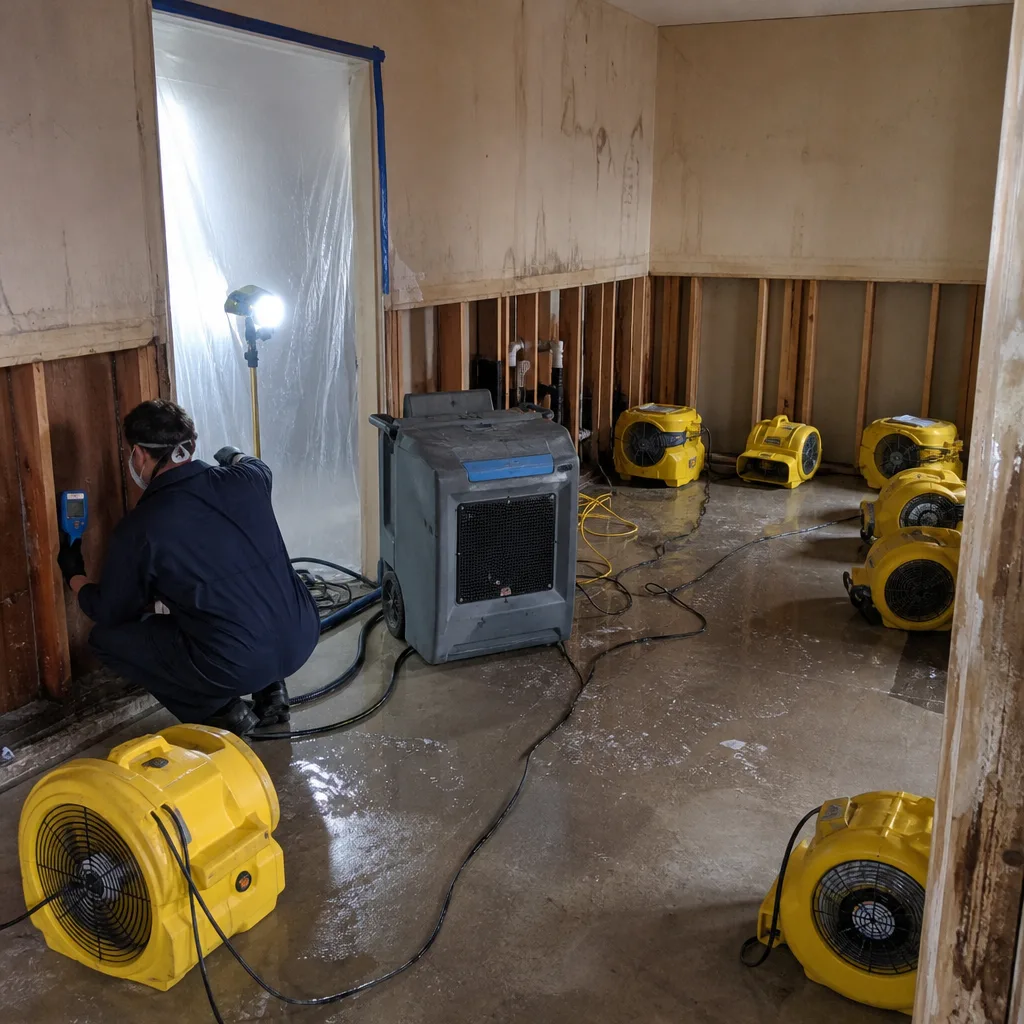
California law draws clear lines between homeowner maintenance and regulated contracting. Understanding these lines protects you from liability and ensures your restoration work doesn’t violate state or local codes.
Homeowners may legally perform the following without a contractor’s license:
- Surface water extraction: Removing standing water with wet/dry vacuums, mopping, or pumping from accessible areas. This is maintenance, not construction.
- Surface drying of Category 1 water: Running fans and dehumidifiers on non-porous materials, as described in the DIY-viable scenarios above.
- Removal and disposal of non-structural, non-hazardous materials: Pulling up wet carpet (but not carpet pad, which may contain asbestos in pre-1980s Chula Vista homes), removing baseboards that are not load-bearing, disposing of personal property.
- Cleaning of minor mold on hard surfaces: The California Department of Public Health recommends professional remediation for mold exceeding 10 square feet. Below that threshold, homeowners may clean hard surfaces with detergent and water, provided they use appropriate PPE and the mold resulted from clean water, not sewage or flooding.
Tasks requiring a licensed contractor include:
- Any structural drying or repair: This includes cutting drywall, removing insulation, accessing wall cavities, or any work that affects the building envelope. A B-General contractor’s license is required.
- Mold remediation exceeding 10 square feet: The California Indoor Air Quality Act and CDPH guidelines require licensed remediation for larger areas. Many Chula Vista insurers additionally require remediation by an IICRC-certified firm for coverage.
- Category 2 or 3 water: Gray water (dishwasher overflow, washing machine discharge) and black water (sewage, flooding, seawater) are regulated as hazardous materials. Self-remediation violates health codes and voids most insurance coverage.
- Fire and smoke damage restoration: This involves regulated cleaning agents, structural assessment, and often asbestos or lead testing in pre-1978 Chula Vista housing stock. Licensed contractors only.
- Biohazard and crime scene cleanup: California Health and Safety Code Section 118321 requires specific licensing, bloodborne pathogen training, and medical waste disposal protocols.
- Electrical, plumbing, or HVAC work: Any restoration work that touches these systems requires the appropriate C-license specialty contractor.
Chula Vista’s Building Division, located on Third Avenue, enforces these requirements through permit inspections and can issue stop-work orders on unpermitted restoration. We’ve seen homeowners in the historic district near Third Avenue who attempted self-remediation after minor flooding, only to have their sale held up when the buyer’s inspector found unpermitted drywall removal and mold in the wall cavity. The cost of bringing that work into compliance exceeded what professional remediation would have cost originally.
What Credible Self-Documentation Must Include
If you choose to self-perform limited restoration, your documentation must meet a standard that carriers, inspectors, and future buyers will accept. Vague notes and phone photos won’t suffice. Here’s what a defensible DIY record contains:
- Date-stamped, geotagged photographs: Every image must show the date, time, and location. Photograph the water source, the affected area from multiple angles, the equipment in place, and the final condition. Use a camera app that embeds EXIF data, not screenshots or social media uploads that strip metadata.
- Moisture meter readings with instrument identification: Record the make, model, and serial number of your moisture meter. Note the measurement mode (pin, pinless, or in-situ probe). Take readings at identical locations at 24-hour intervals: at the water source, at the perimeter of the affected area, and at a dry reference point in an unaffected room. Photograph each reading with the meter’s display visible.
- Environmental conditions log: Record indoor temperature and relative humidity at each moisture reading, using a calibrated hygrometer, not a weather app. Chula Vista’s outdoor humidity swings dramatically between morning marine layer and afternoon sun; indoor conditions determine drying progress, not outdoor readings.
- Equipment rental receipts and specifications: Retain receipts showing the dehumidifier’s capacity in pints per day, the air mover’s CFM rating, and rental dates. This proves you deployed sufficient equipment for the vapor load.
- Written narrative of actions taken: A simple log entry format: “Day 1, [date]: Extracted standing water with Shop-Vac model [X], ran dehumidifier [model] and two air movers [models]. Moisture readings: [location A] 28%, [location B] 22%, reference [location C] 12%.” Continue daily until readings stabilize at or below dry standard.
- Verification of dry standard achievement: Define your target before you start. For wood materials in Chula Vista’s climate, 12-16% moisture content is typical equilibrium. For drywall, below 1% above the reference reading in an unaffected area. Document that you maintained the target for 24 hours before removing equipment.
Even with this documentation, understand its limitations. A carrier may still classify your work as maintenance rather than restoration. A buyer’s inspector may still recommend professional verification. The documentation improves your position; it doesn’t guarantee it.
At Water Damage Restoration in Chula Vista, we provide this same documentation package on every job, produced by IICRC-certified technicians using calibrated equipment traceable to NIST standards. The difference isn’t the format; it’s the authority behind it.
Decision Matrix: Mapping Damage Type to DIY vs Professional
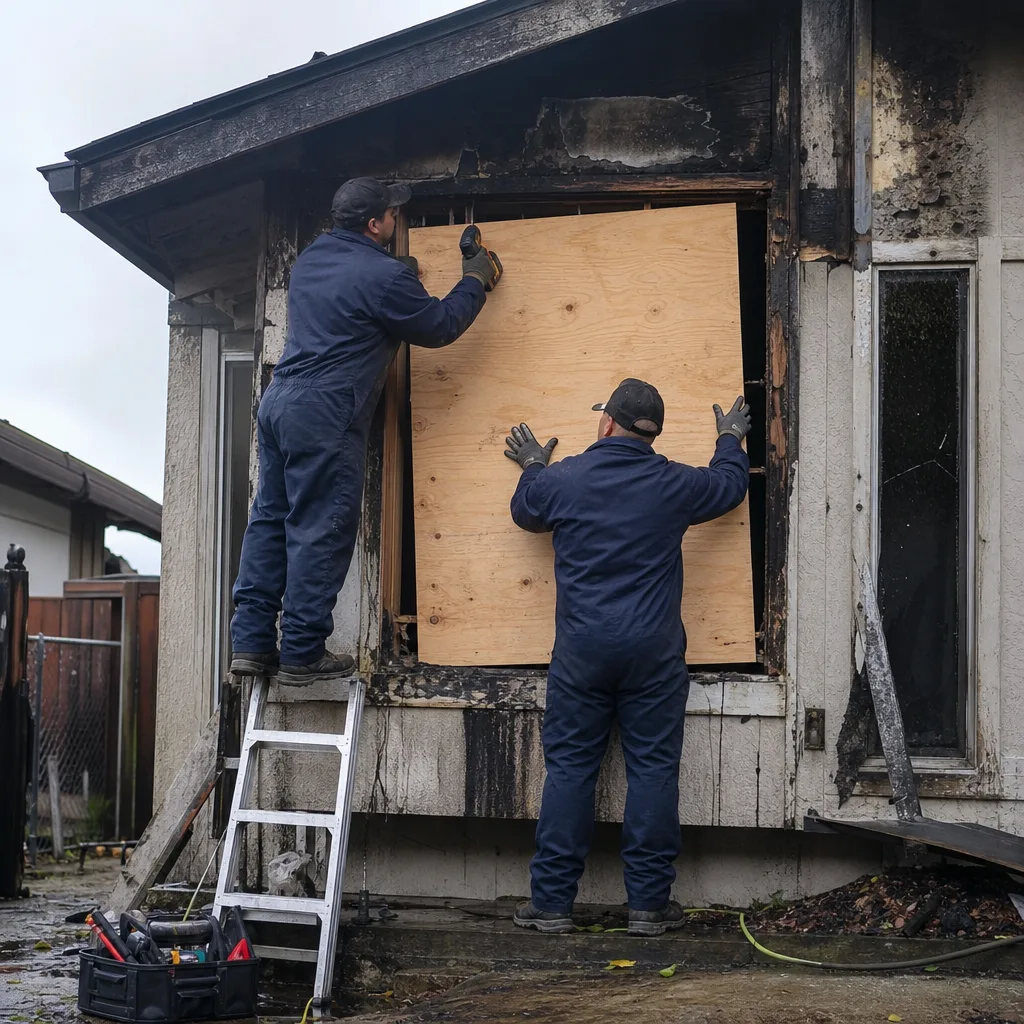
Use this framework to assess your specific situation. Match your damage category, affected area, and material type to determine whether DIY is viable or professional restoration is required for insurability.
| Damage Category | Affected Area | Material Type | DIY Viable? | Required Documentation |
|---|---|---|---|---|
| Category 1 (clean water) | Less than 150 sq ft | Non-porous only (tile, sealed concrete, vinyl) | Yes, with conditions | Moisture log, photos, equipment specs, 72-hour readings |
| Category 1 (clean water) | 150-500 sq ft | Any | No | Professional scope, daily drying logs, IICRC-standard verification |
| Category 1 (clean water) | Any area | Porous (drywall, carpet, hardwood, subfloor) | No | Professional scope with material-specific drying plan |
| Category 2 (gray water) | Any | Any | No | Licensed contractor, hazardous materials protocol, disposal documentation |
| Category 3 (black water) | Any | Any | No, illegal | Licensed contractor, CDPH compliance, medical waste manifests |
| Mold, less than 10 sq ft | Hard surface only | Non-porous | Yes, with PPE | Pre/post photos, cleaning agent used, disposal method |
| Mold, 10-100 sq ft | Any | Any | No | Professional remediation plan, containment documentation, clearance testing |
| Mold, over 100 sq ft | Any | Any | No, illegal without license | Licensed mold remediation contractor, third-party clearance |
| Fire/smoke damage | Any | Any | No | Licensed fire restoration contractor, structural assessment, contents inventory |
| Storm/flood damage | Any | Any | No | Emergency response documentation, FEMA compliance if applicable, structural engineering review |
The pattern is clear: DIY viability collapses at the intersection of contamination, scale, and porous materials. Chula Vista’s housing stock, ranging from 1950s ranch homes in Castle Park to new construction in Rolling Hills Ranch, contains all three variables in different combinations. A 1970s home with original drywall and a slab foundation presents entirely different risks than a 2015 build with moisture-resistant materials and raised foundation.
Neighborhood-specific note: Homes in Chula Vista’s older areas, particularly west of Interstate 5 and in the historic district, often contain asbestos-containing materials in flooring, drywall compound, and insulation. Disturbing these materials during self-remediation triggers Cal/OSHA notification requirements and specialized abatement protocols. Professional assessment is mandatory before any cutting, sanding, or demolition.
Hidden Costs: Resale Value and Mandatory Disclosure
California Civil Code Section 1102 requires sellers to disclose material facts affecting property value, including water damage and mold. The disclosure form specifically asks about “water intrusions, flooding, or moisture problems” and “mold or mildew.” A homeowner who self-remediates without documentation faces an impossible choice: disclose the undocumented event and watch buyers flee, or fail to disclose and risk future liability.
In Chula Vista’s competitive market, where median home prices exceed $700,000 and buyers routinely commission specialized inspections, an undocumented water history is a material defect. We’ve consulted with sellers in Eastlake and Rancho del Rey whose transactions stalled when inspectors found moisture stains with no corresponding restoration documentation. The buyers’ lenders required professional mold clearance before funding. The sellers, two years after their DIY drying, paid $8,000-$15,000 for emergency remediation to salvage the sale.
The disclosure requirement applies regardless of whether the damage was professionally or self-remediated. The difference is defensibility. A seller who can produce a licensed contractor’s certificate of dryness, warranty documentation, and photo record has answered the disclosure question completely. A seller who performed DIY work has only their word, which carries no weight in a transaction where the buyer’s inspector will recommend further investigation.
Even for homeowners with no immediate sale plans, consider the compounding effect. Chula Vista’s real estate market rewards move-in-ready condition and penalizes properties with ambiguous histories. An undocumented water event, discovered years later through moisture mapping or infrared inspection, becomes a negotiation weapon for buyers. The original $300 savings on DIY extraction translates to a $10,000-$25,000 price reduction at closing.
This is why we emphasize documentation-first restoration at DryMark Restoration Chula Vista home. The 365-Day Done Right Promise, backed by The Haven Standard, creates a transferable record of work quality that protects property value, not just current habitability.
The Equipment Reality: Rental Grade vs Professional Grade
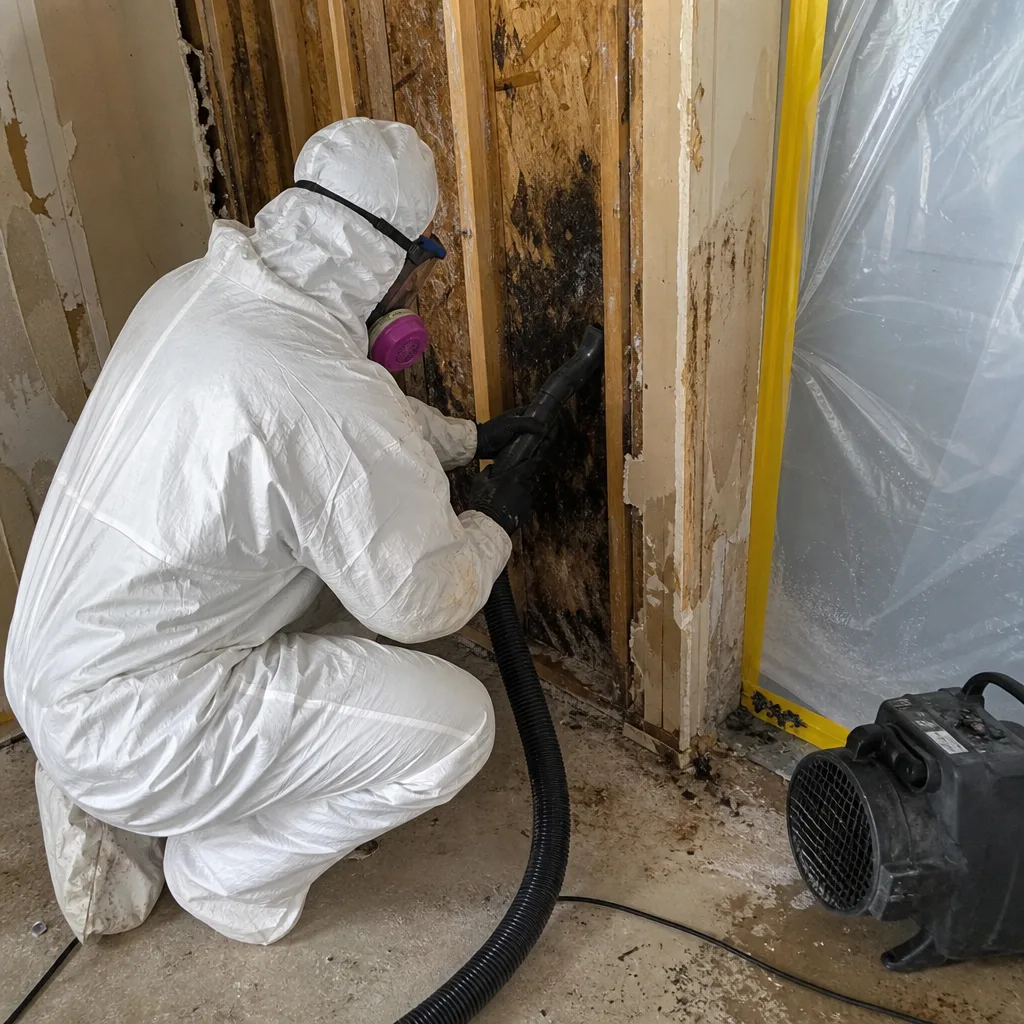
Homeowners evaluating DIY restoration often compare rental equipment costs to professional service quotes without understanding the capability gap. The dehumidifier you rent from a Chula Vista equipment supplier for $65/day is not the same machine a restoration company deploys.
Professional-grade dehumidifiers from Dri-Eaz and Phoenix, which we deploy on Chula Vista jobs, remove 100-130 pints per day at AHAM conditions (80°F, 60% relative humidity). Standard rental units typically remove 30-50 pints. In a 500-square-foot water loss with wet drywall and carpet, the vapor load can exceed 80 pints per day in the first 48 hours. One rental dehumidifier cannot keep pace; two might, but the rental cost approaches professional service while delivering inferior monitoring and no documentation.
Air movement tells the same story. Professional air movers from XPOWER and B-Air generate 2,000-3,000 CFM with focused velocity profiles designed to create laminar airflow across wet surfaces. Rental fans move air, but not with the precision that drives evaporation rates specified in IICRC drying standards. The result is surface drying that masks subsurface moisture, the exact condition that breeds mold in Chula Vista’s warm climate.
Most critically, professional restoration includes psychrometric monitoring that rental equipment cannot provide. We measure specific humidity, vapor pressure differential, and temperature at multiple points to calculate the exact number of air changes needed and the precise equipment configuration. This isn’t advanced technique for its own sake. It’s how we prove, with data, that a structure is dry to the standard that insurers and future buyers will accept.
Injectidry systems, which we use for hardwood floor drying and wall cavity injection, require training and certification to operate. The equipment is not available for rental to homeowners. In Chula Vista’s older neighborhoods with original oak or maple flooring, this technology often determines whether floors can be saved or must be replaced. A homeowner who doesn’t know Injectidry exists will default to replacement, at 3-5 times the cost of professional drying.
The equipment gap isn’t about brand names or specifications on paper. It’s about the monitoring, adjustment, and documentation that turns equipment into a documented restoration. A homeowner with professional machines but no training produces no better documentation than a homeowner with rental fans.
Common Mistakes to Avoid
- Using bleach on mold: Bleach does not penetrate porous materials and can worsen mold problems by adding moisture. In Chula Vista’s climate, this accelerates rather than resolves growth. Use detergent and water on hard surfaces only; call a professional for porous materials or areas exceeding 10 square feet.
- Stopping when surfaces feel dry: Drywall can feel dry to the touch while maintaining 80% relative humidity in the core, perfect conditions for hidden mold. Moisture meters are mandatory, not optional, for any self-performed drying.
- Running equipment without calculating vapor load: A homeowner in Otay Ranch once ran three rental dehumidifiers for five days, racking up $975 in rental charges, while moisture readings barely moved because the units were undersized for the 2,400-square-foot affected area. Professional assessment would have identified the mismatch on day one.
- Failing to address the water source: We’ve seen Chula Vista homeowners extract and dry while a slow plumbing leak continues feeding moisture into the structure. The drying never completes, and the homeowner blames the equipment rather than the source.
- DIY sewage cleanup: This is illegal under California Health and Safety Code, hazardous to health, and virtually certain to void insurance coverage. No exception, no mitigation.
- Discarding damaged materials before documentation: Insurance claims require proof of loss. A homeowner who tears out wet drywall and carpets before photographing, measuring, and inventorying has destroyed their own claim evidence. Document first, remove second.
- Assuming no mold means no problem: Mold can colonize wall cavities with no visible surface growth for 30-60 days. By the time it appears, the remediation scope has multiplied. Professional moisture mapping with thermal imaging finds what eyes cannot.
When to Call a Professional
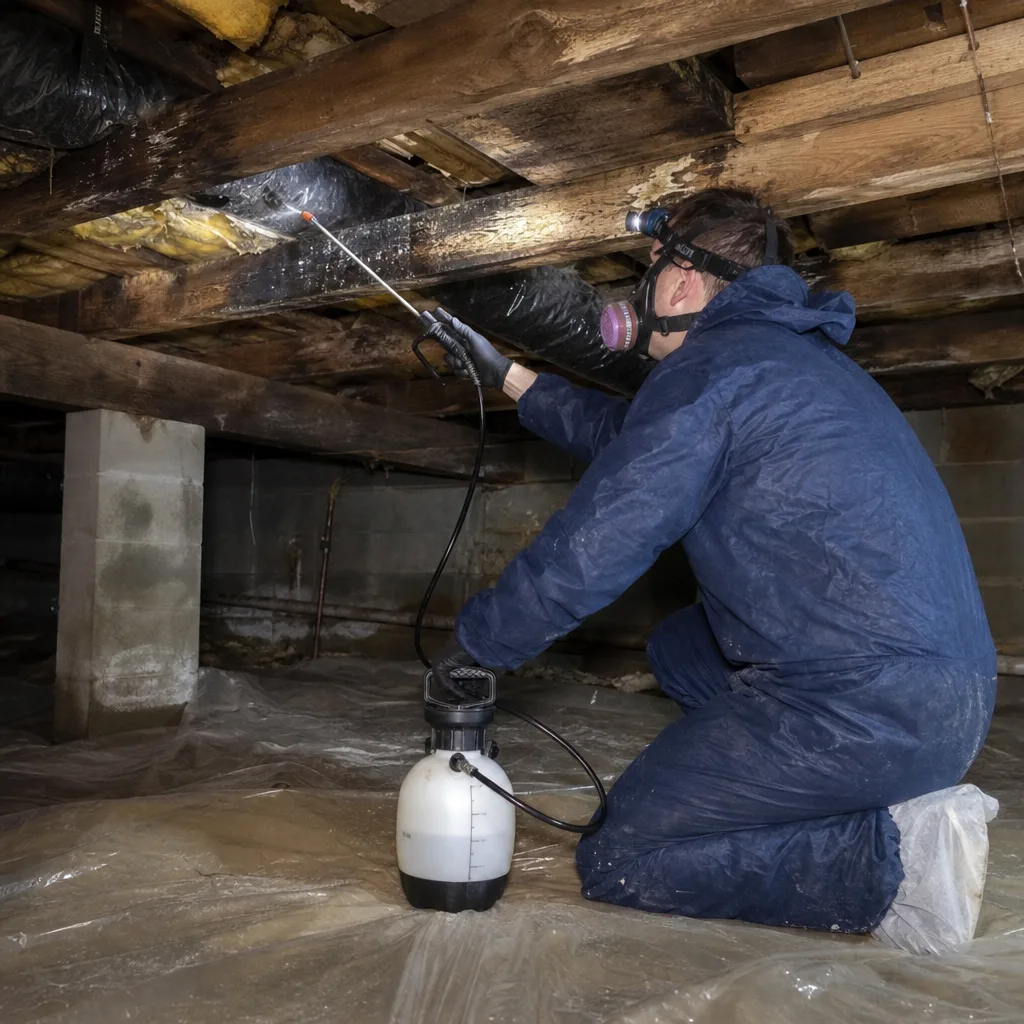
Call a licensed restoration contractor immediately when water involves walls, ceilings, or floors; when the source is anything other than a clean supply line; when you smell mustiness but see no visible mold; when the affected area exceeds what you can dry with two fans and a dehumidifier from Home Depot; or when your insurance company will need to see documentation of professional work. In Chula Vista’s climate, waiting 48 hours to decide often means the difference between salvageable materials and full replacement.
DryMark Restoration Chula Vista offers free estimates in Chula Vista, with a written price delivered before any work begins under Haven Standard, Clause 1. Our 24-hour live dispatch means a person answers your call, not a voicemail tree, and our background-checked, uniformed technicians arrive with documented credentials and calibrated equipment. For emergency water damage, Water Damage Restoration in Chula Vista provides same-day response with the photo documentation and daily drying logs that keep claims payable. Call (619) 486-5459.
Frequently Asked Questions
Professional water damage restoration in Chula Vista typically ranges from $1,200 for limited Category 1 drying to $4,500-$8,000 for whole-room remediation with wall cavity drying, with reconstruction additional. DIY rental equipment for a viable limited scenario runs $200-$400, but the hidden cost of failed documentation, uncovered secondary damage, and potential resale disclosure issues often exceeds professional service by factors of three to ten. Explore our more guides & resources to protect your property and your coverage. We provide written pricing before work begins on every job, with no exceptions. Call (619) 486-5459 for a free estimate.
Probably not. California insurers increasingly classify DIY remediation attempts as maintenance failures rather than covered losses, particularly when mold or structural damage develops from inadequate drying. Your policy likely requires “reasonable care” to prevent further damage, and carriers interpret self-remediation without professional documentation as a failure of that duty. The original water event may remain covered, but secondary damage from incomplete drying typically is not. Professional restoration documentation protects your coverage for both the initial loss and any subsequent issues.
DryMark Restoration Chula Vista maintains 24-hour live dispatch with no voicemail on emergency lines. For water damage mitigation in Chula Vista, we typically arrive within 60-90 minutes of your call, with equipment and documentation protocols ready to deploy. Speed matters because Category 1 water degrades to Category 2 within 24-48 hours in our climate, and mold colonization begins in 48-72 hours. Reconstruction work is scheduled, not dispatched, and is quoted in writing before any work begins. Call (619) 486-5459 for emergency response.
At minimum, a professional restoration company should provide: a written scope of work with line-item pricing signed before work begins; daily moisture logs with psychrometric data; date-stamped, geotagged photo documentation from every visit; equipment placement diagrams with serial numbers; and a certificate of dryness or completion with final readings meeting IICRC standards. At DryMark Restoration Chula Vista, we additionally provide a 365-Day Done Right Promise under The Haven Standard, and we coordinate directly with your adjuster using our documentation package to expedite claim payment. Ask any contractor you’re considering what specific documents you’ll receive, and when, before you sign.
If the mold covers less than 10 square feet, grows on a hard non-porous surface like tile or glass, and resulted from clean water (not sewage or flooding), you may clean it yourself with detergent and water while wearing N-95 respirator, gloves, and eye protection. Any porous material with mold, any area exceeding 10 square feet, or any mold with unknown water source requires professional remediation under California guidelines. In Chula Vista’s warm climate, small visible patches often indicate larger hidden colonization. We offer free second opinions on any competitor’s mold remediation estimate, and our Mold Remediation in Chula Vista includes clearance testing to verify complete removal.
No reputable restoration company will provide documentation-only services for work they didn’t perform. The liability is too great, and the documentation would be fraudulent. A certificate of dryness or completion attests that the signatory personally verified conditions using calibrated equipment and professional judgment. You cannot purchase this after the fact any more than you can purchase a building inspection for work already completed. If you want professional documentation, you need professional service from the start. Our written price before work begins, under Haven Standard, Clause 1, ensures you know that cost upfront.
California Civil Code 1102 requires disclosure of material water damage and mold history. Failure to disclose exposes you to fraud claims, rescission of the sale, and liability for remediation costs discovered by the buyer. Even honest forgetfulness won’t protect you if inspection reveals evidence of previous damage with no corresponding documentation. The safest course is professional restoration with complete documentation, producing a transferable record that satisfies disclosure requirements and protects your sale price. We’ve consulted with Chula Vista sellers whose transactions were delayed or derailed by undocumented water history discovered during buyer inspections.
The Bottom Line
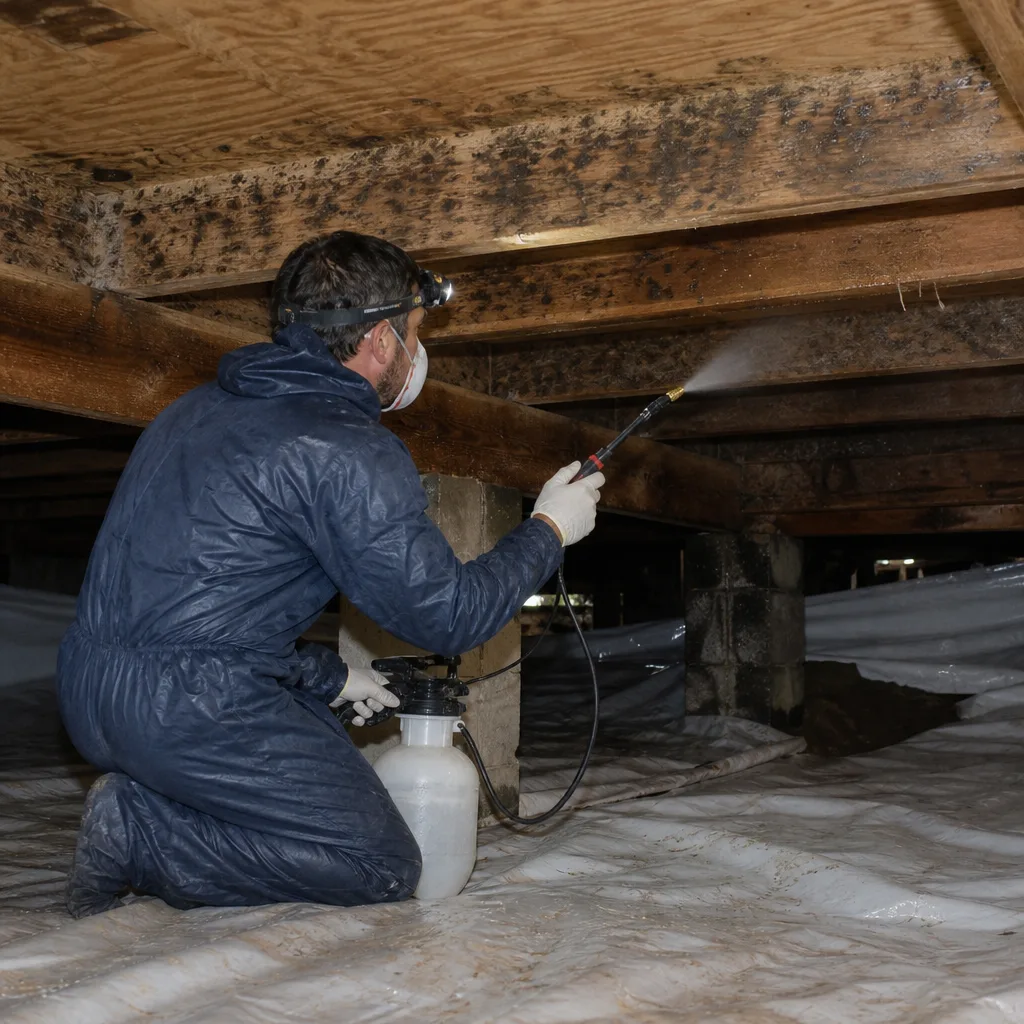
The DIY versus professional restoration decision in Chula Vista is not primarily about skill or cost. It’s about documentation and insurability. Homeowners can safely self-perform limited surface drying of clean water on non-porous materials, provided they maintain rigorous records with moisture meter readings, date-stamped photos, and equipment specifications. Every other scenario, contaminated water, porous materials, wall or ceiling involvement, mold, fire, or biohazard, requires licensed professional restoration to create the documentation that insurance carriers, future buyers, and California law will accept.
The $300-$500 saved on DIY rental equipment is dwarfed by the $10,000-$40,000 risk of uncovered secondary damage, failed disclosure, or claim denial. Professional restoration is not an expense to minimize; it’s documentation to purchase, with the work itself as the delivery mechanism. At DryMark Restoration Chula Vista, we built our practice around this reality: a written price before work begins, photo documentation on every visit, daily drying logs that satisfy IICRC and RIA standards, and the 365-Day Done Right Promise backed by The Haven Standard. The documentation is the product. Everything else is how we produce it.
For emergency water damage, mold concerns, or a free second opinion on any competitor’s written estimate, call (619) 486-5459. A live person answers 24 hours a day, and your written price arrives before any work begins.
Written by Alicia Brennan, Owner at DryMark Restoration Chula Vista, serving Chula Vista since 2011.