
Last updated September 23, 2026
Free visual inspection and a written scope of work before any mitigation begins - photos, moisture readings, and drying logs go in your claim file
The scope we write is the scope we bill. Anything new gets shown to you, in writing, before we touch it.
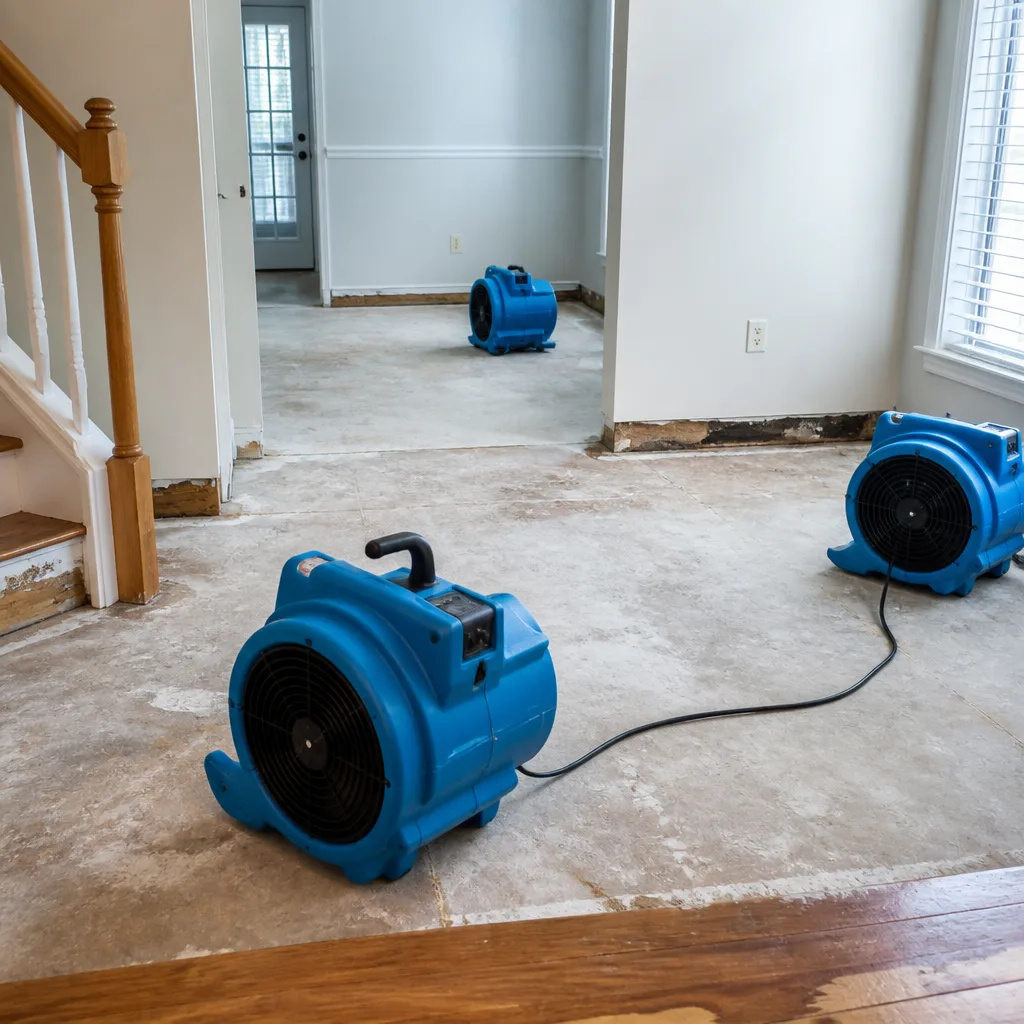
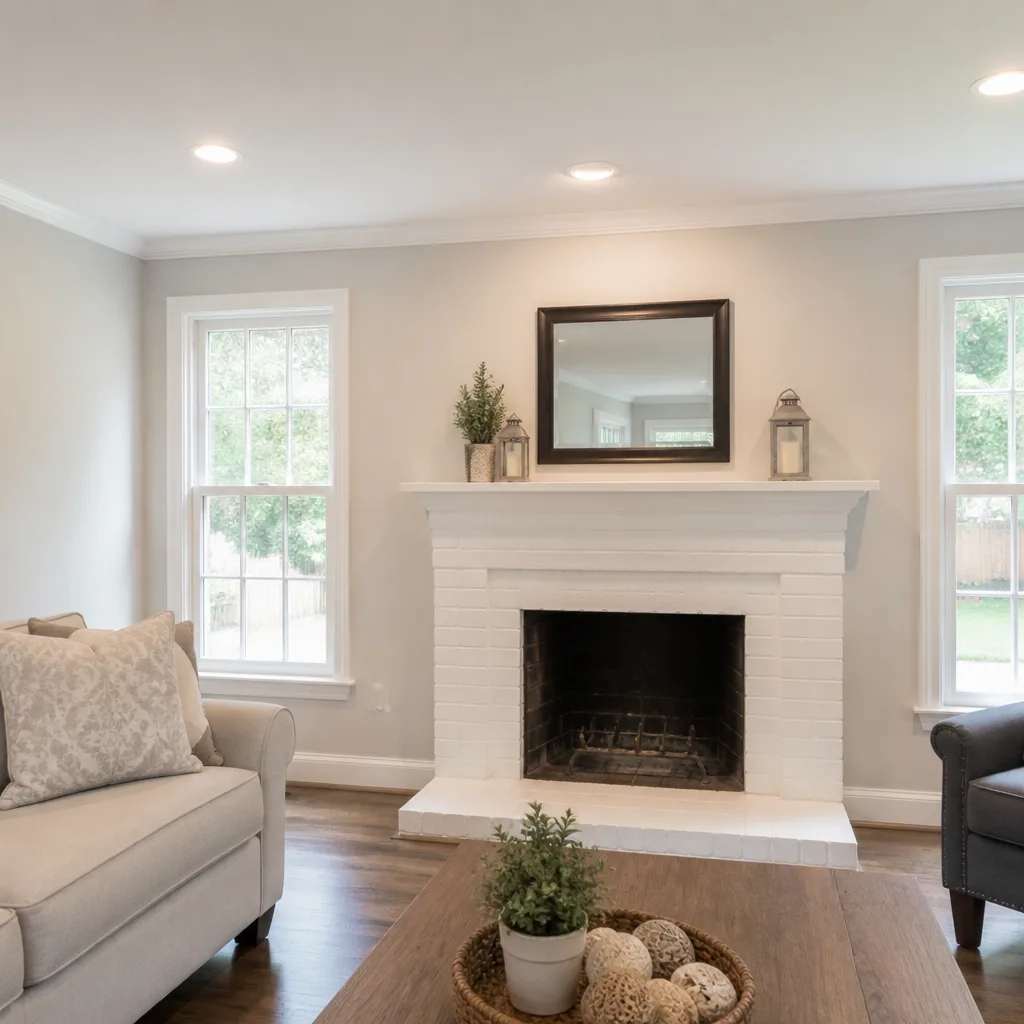
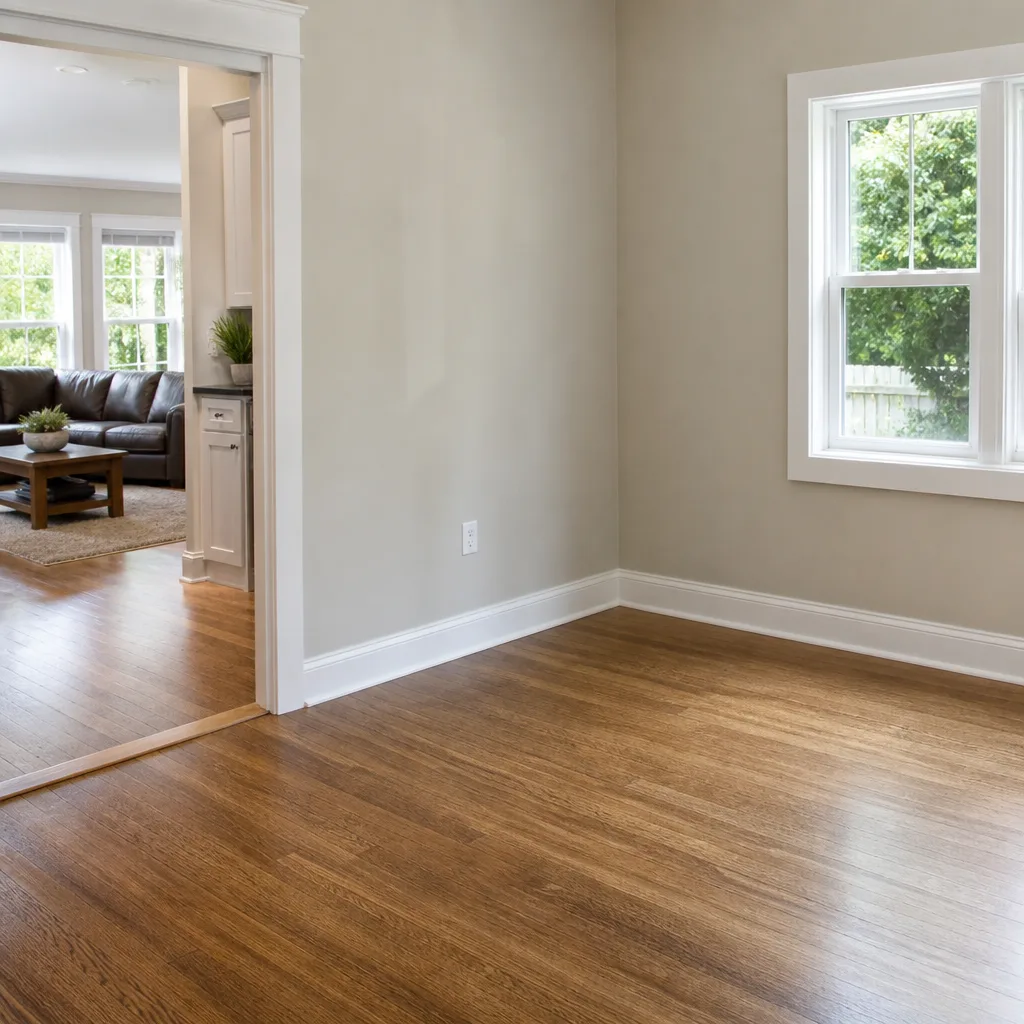
 Before
 After
After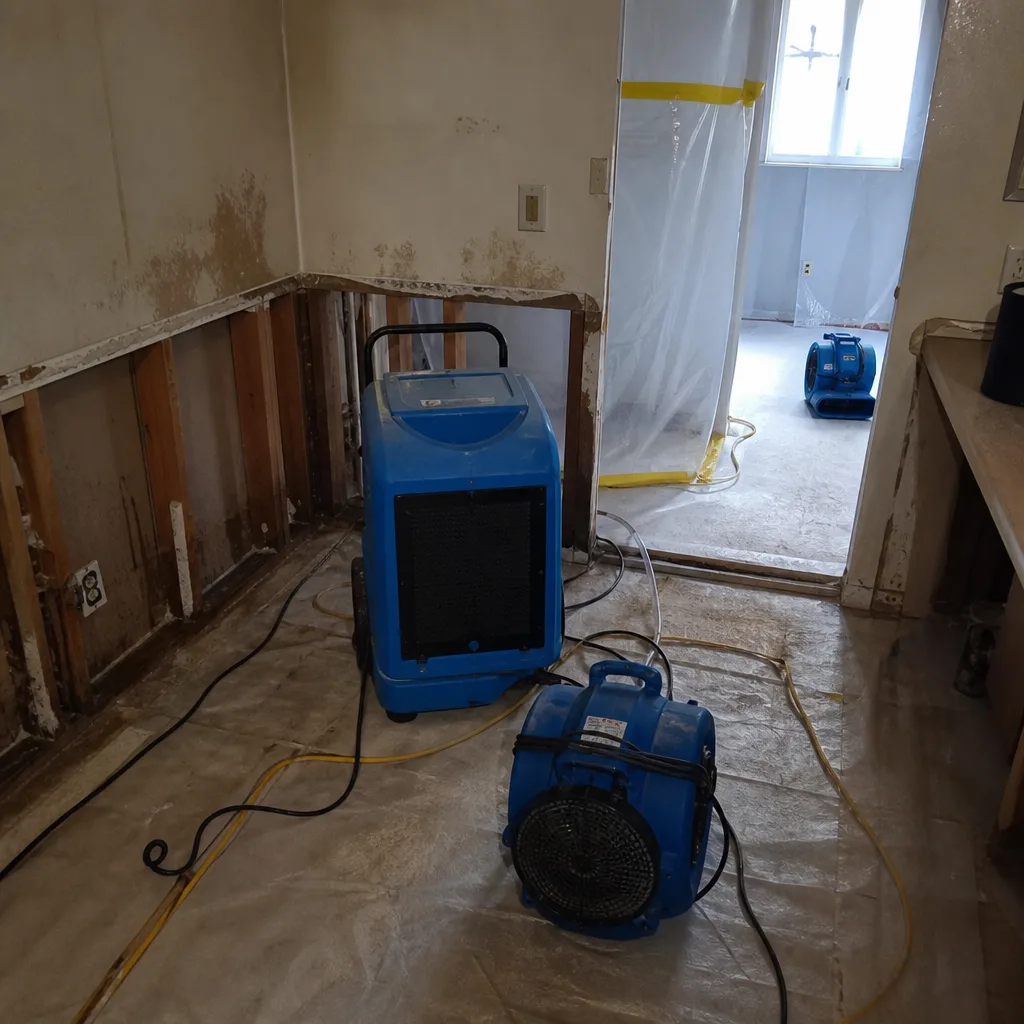 Before
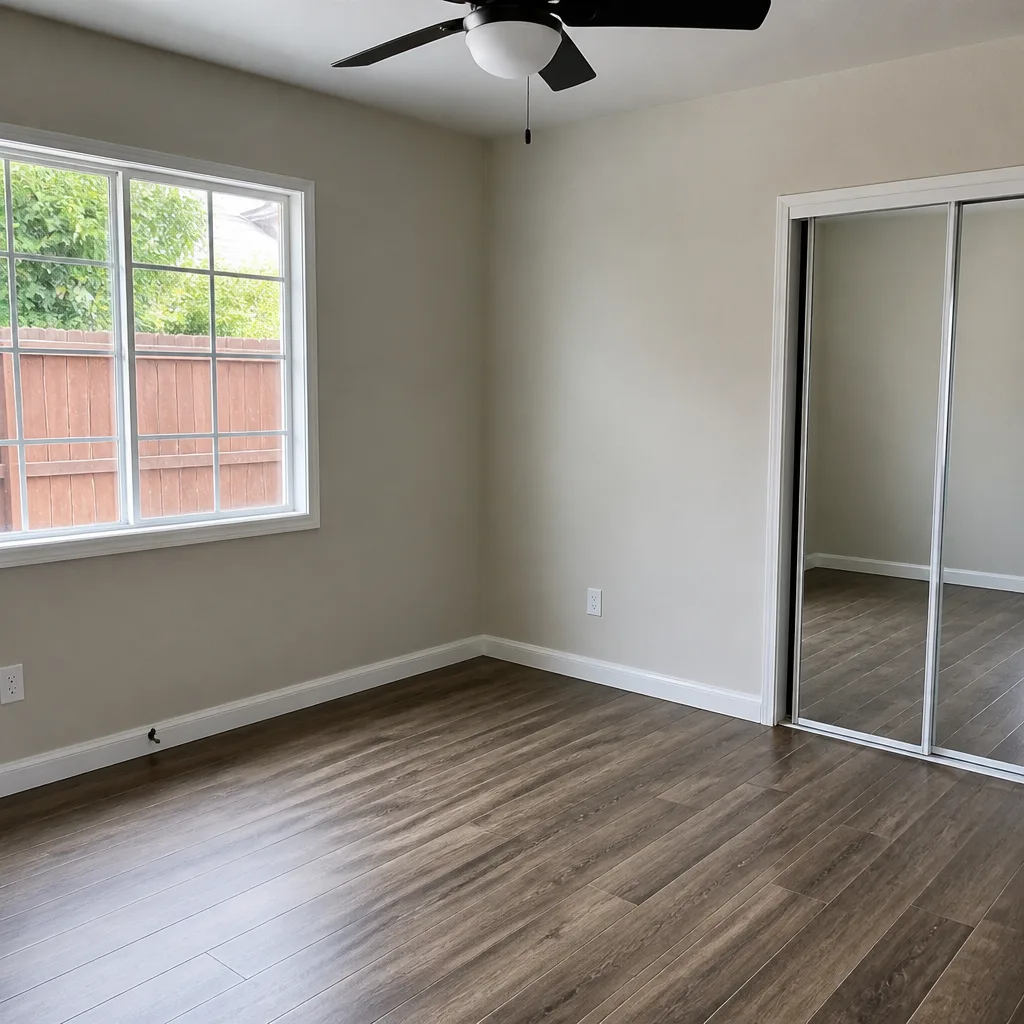 After
After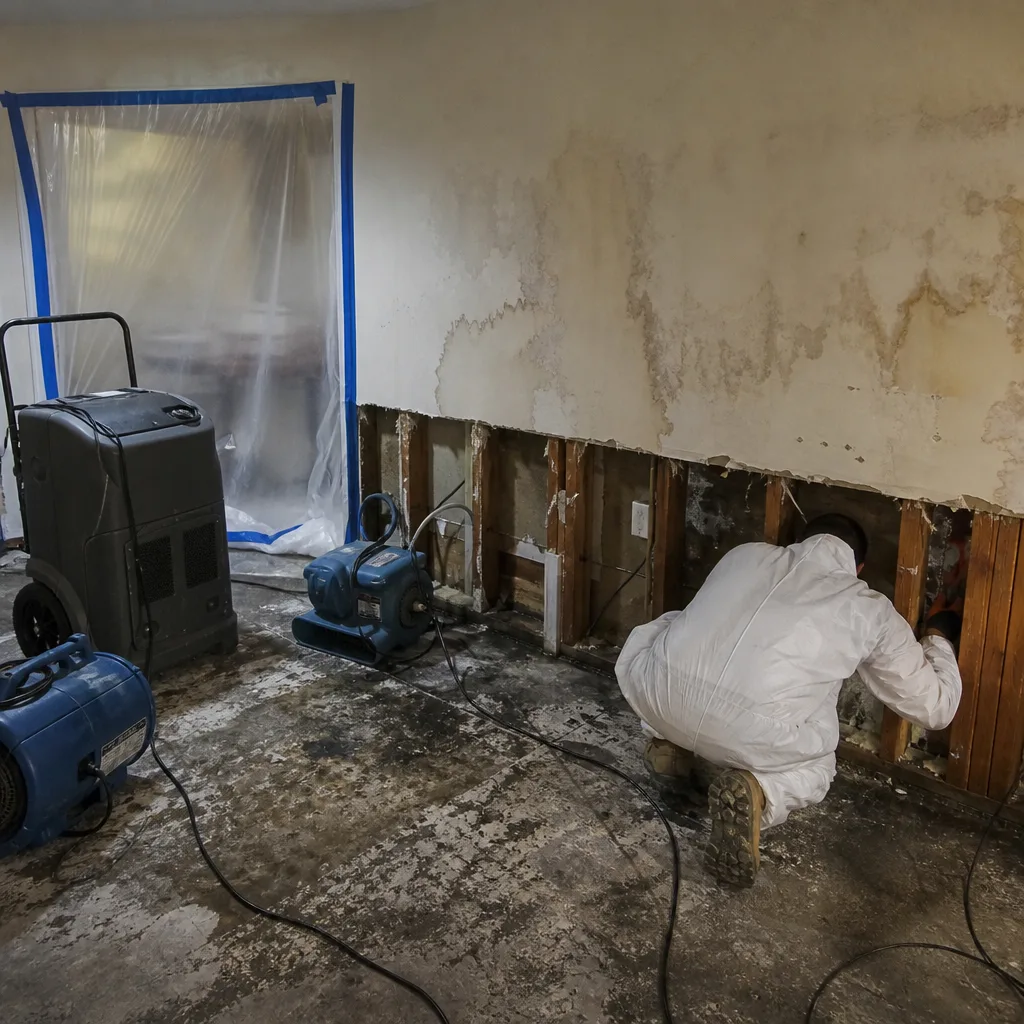 Before
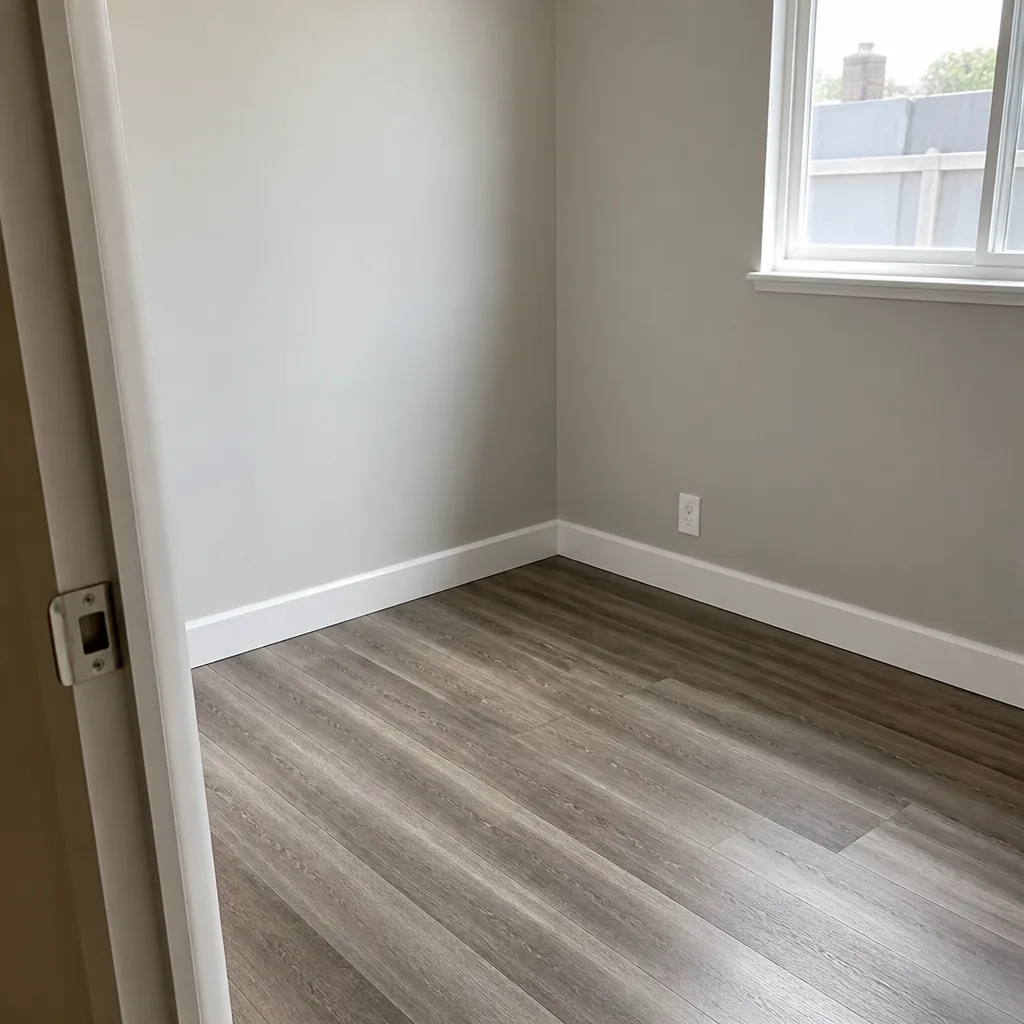 After
AfterDamage Restoration Cost Breakdown: The Chula Vista Homeowner’s Reference for 2026
The average water damage restoration invoice contains at least three line items billed at rates that vary by 40% between contractors. In Chula Vista, where coastal humidity from San Diego Bay meets inland heat pockets around Otay Ranch, drying protocols and pricing assumptions differ block by block. Homeowners who don’t know the unit cost benchmarks have no way to identify which contractor is pricing fairly, which line items their adjuster will challenge, and where scope creep is hiding in plain sight. This reference - and our Damage Restoration Warning Signs: A Chula Vista Homeowner’s Reference Guide - break costs down to the unit level so you can read a contractor invoice line by line, compare two bids with different structures, and negotiate from fact, not feeling.
Quick Answer
Water damage restoration in Chula Vista in 2026 typically runs $3.50-$6.50 per square foot for Category 1 clean water losses, with drying equipment rental at $35-$55 per machine per day and demolition at $2.50-$4.75 per square foot. Mold remediation averages $15-$30 per square foot of affected surface area, while fire and smoke restoration ranges from $4.50-$12.00 per square foot depending on soot classification and required deodorization. These figures reflect the 2026 Xactimate pricing for the San Diego-Chula Vista-Carlsbad region, and every reputable contractor should be able to show you how their line items map to these benchmarks.
Table of Contents
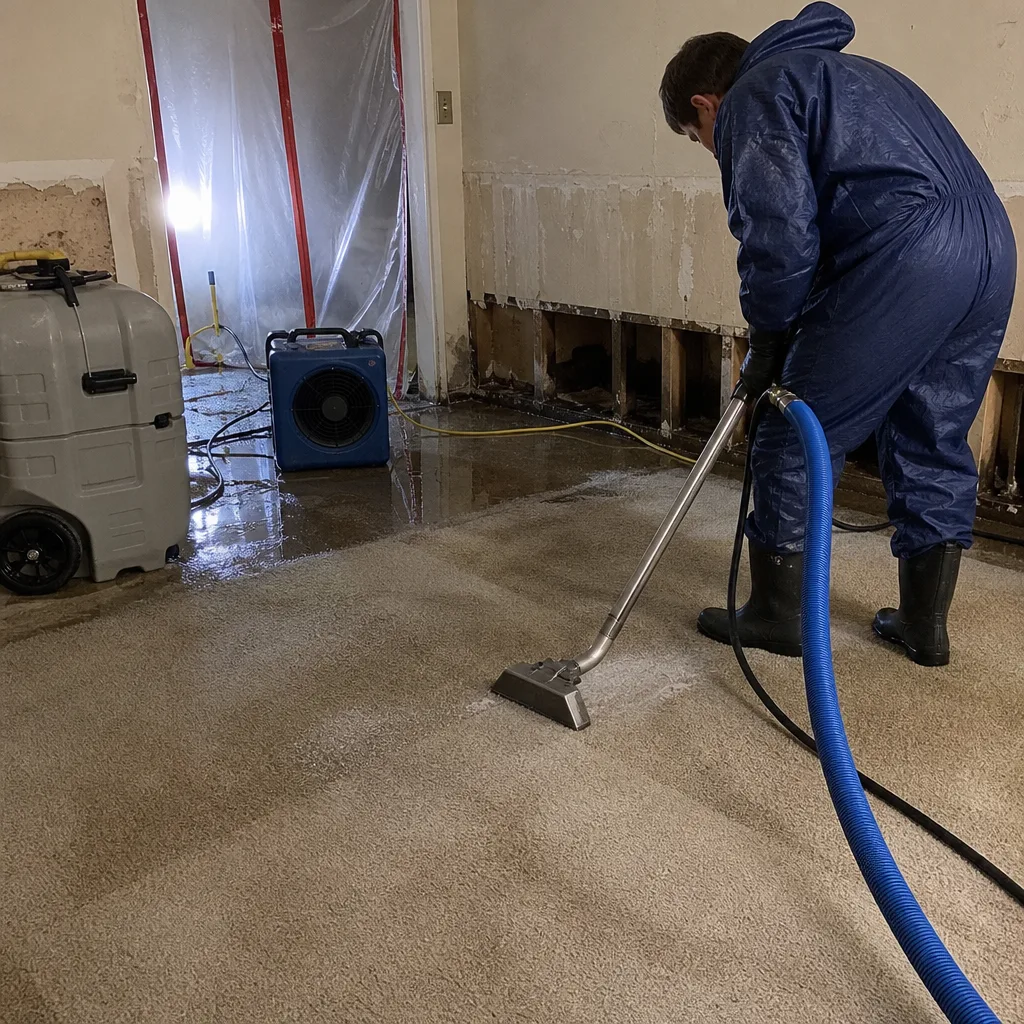
- Unit Cost Benchmarks for Chula Vista in 2026
- How Xactimate Sets Line-Item Rates
- The Three Cost Categories Insurers Dispute
- How Scope Creep Is Priced
- A Cost Comparison Framework for Competing Bids
- Category-Specific Cost Ranges
- Common Mistakes to Avoid
- When to Call a Professional
- Frequently Asked Questions
BeforeAfterUnit Cost Benchmarks for Chula Vista in 2026
Restoration contractors in Chula Vista bill by the unit - square foot, linear foot, cubic foot, or per-day - but rarely explain what those units mean or how they add up. Understanding these benchmarks lets you verify that a $4,200 equipment charge reflects actual deployed machines and documented drying days, not a rounded-up guess.
Drying Equipment Rental (Per Machine, Per Day)
The 2026 Xactimate regional price list for San Diego County, which covers Chula Vista, assigns these daily rates for standard equipment:
- Axial air mover (standard): $35-$42/day
- Low-grain refrigerant dehumidifier: $48-$55/day
- Desiccant dehumidifier: $85-$120/day (typically for commercial or deep-structural drying)
- Air scrubber/negative air machine: $38-$45/day
- Injectidry hardwood floor drying system: $65-$85/day (panel and hose set)
- Thermal imaging camera (mobilization): $45-$65 per visit
A standard 1,200-square-foot water loss in Chula Vista typically requires 6-10 air movers and 2-3 dehumidifiers for 3-5 drying days. At benchmark rates, equipment alone should run $1,100-$2,400. If your invoice shows $3,800 in equipment with no explanation for additional machines or extended days, that line item warrants a conversation.
Demolition and Removal (Per Square Foot)
Demolition pricing varies by material and accessibility. In Chula Vista’s older neighborhoods like Castle Park or near the bay in Egger Highlands, lath-and-plaster walls or asbestos-containing materials from pre-1980 construction can double removal costs due to abatement protocols:
- Drywall removal (standard gypsum): $2.50-$3.75/sq ft
- Drywall removal (with lead or asbestos testing required): $5.50-$8.00/sq ft
- Hardwood flooring removal: $3.25-$4.75/sq ft
- Ceramic tile removal: $4.00-$6.50/sq ft
- Insulation removal (batts): $1.75-$2.50/sq ft
- Insulation removal (blown-in, requiring vacuum extraction): $3.00-$4.50/sq ft
Antimicrobial and Odor Treatment (Per Square Foot)
Application of EPA-registered antimicrobial solutions runs $0.75-$1.50 per square foot of treated surface. Fogging or thermal fogging for odor control adds $150-$300 per affected zone. In Chula Vista’s canyon-adjacent homes in Rolling Hills Ranch or San Miguel Ranch, where seasonal Santa Ana winds can push wildfire smoke and ash into attic spaces, odor treatment protocols may require multiple applications with documented air quality readings between treatments.
Content Pack-Out and Storage (Per Room or Per Item)
Contents restoration is often the least transparent line item on an invoice. Benchmark pricing:
- Pack-out labor: $65-$95 per hour, typically 2-4 hours per room
- Content cleaning (soft goods, per pound): $3.50-$5.50
- Content cleaning (hard goods, per item): $12-$35 depending on complexity
- Climate-controlled storage (per month, per vault): $85-$125
- Electronics restoration (per device): $75-$250 with documentation
A three-bedroom home in Chula Vista with full content pack-out typically sees $2,800-$5,500 in contents handling before any structural work begins. Contractors who bundle this into a single “contents” line item without itemization are making verification impossible - and some do this deliberately.
How Xactimate Sets Line-Item Rates
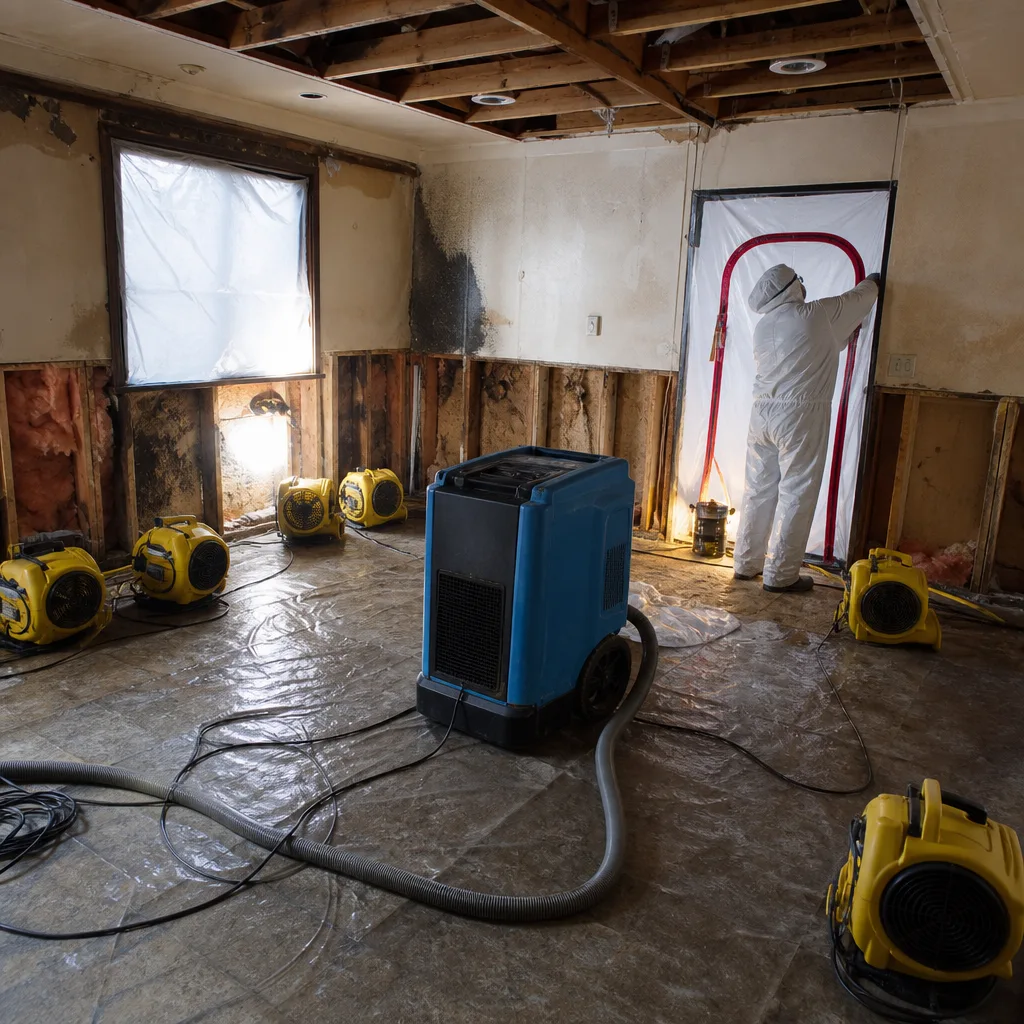
Xactimate is the pricing engine that drives most property insurance claims in the United States. Insurance adjusters, contractors, and restoration companies all pull from the same regional price lists - in theory. In practice, the gap between “theory” and “invoice” is where homeowners lose money.
Xactimate releases quarterly updates to its regional price lists. The San Diego-Chula Vista-Carlsbad region falls under ZIP code clusters 91902 through 91915, 91950, and adjacent areas. The 2026 Q1 update reflected continued material cost pressure from supply chain constraints on lumber and drywall, plus labor rate adjustments tied to California’s prevailing wage requirements for certain commercial and multi-family projects.
Here’s how Xactimate builds a line item: it starts with a base rate for the task (say, “Remove wet drywall, 1/2 inch, up to 8 feet”), then applies regional multipliers for labor cost, material cost, and equipment. The 2026 multiplier for our region is approximately 1.18-1.24 above the national baseline, reflecting California’s higher labor and regulatory costs.
What this means in practice: a contractor billing $3.85 per square foot for drywall removal when Xactimate shows $3.15 is not necessarily overcharging. They may be accounting for:
- Height premiums (ceilings above 9 feet)
- Access difficulty (tight crawl spaces, steep stairwells common in Chula Vista’s hillside homes)
- Hazardous material handling (pre-1980 construction with potential asbestos)
- Debris disposal fees specific to San Diego County’s waste regulations
The problem arises when contractors apply these premiums without documentation. Haven Standard, Clause 1 requires a written price before work begins - and that written price should specify which Xactimate line items are being used, which premiums apply, and why. At DryMark Restoration Chula Vista home, we provide this breakdown as standard practice, not upon request.
One critical detail: Xactimate rates are averages, not ceilings. A contractor can bill above Xactimate if they document why - specialized equipment, after-hours mobilization, or unique site conditions. But they cannot bill above Xactimate without explanation and expect an insurer to pay without dispute. The homeowner caught in the middle is the one who suffers when a contractor’s undocumented premium becomes the homeowner’s out-of-pocket surprise.
The Three Cost Categories Insurers Dispute
After reviewing thousands of claims, we’ve identified three line-item categories that generate the most adjuster pushback - and the most unexpected homeowner liability. Each dispute traces back to the same root cause: missing documentation.
Equipment Redundancy
Insurers challenge equipment charges when the number of machines exceeds the drying science. Psychrometric data - the measurement of temperature, relative humidity, and vapor pressure differential that determines how much moisture air can hold - dictates equipment counts. A standard formula: one air mover per 50-70 square feet of affected area, plus one dehumidifier per 1,000-1,200 square feet under normal conditions.
In Chula Vista, where bay moisture can push ambient humidity to 75% in summer mornings, the dehumidifier ratio may shift to one per 800 square feet. But this adjustment must be documented with initial moisture readings and daily logs showing the vapor pressure differential calculation. Without those logs, an adjuster sees ten air movers in a 400-square-foot room and flags redundancy. We’ve seen $1,800 equipment charges reduced to $600 on this basis alone.
The defense is daily documentation: moisture content readings for affected materials, relative humidity and temperature readings, and equipment placement photos with timestamps. This is why Water Damage Restoration in Chula Vista from a documentation-first company protects your claim, not just your property.
Unverified Drying Days
Each extra drying day costs $200-$400 in equipment rental. Insurers accept extended drying when documentation shows progress toward dry standard - typically 12-16% moisture content for wood framing, verified with pin-type or pinless moisture meters. They do not accept “we thought it needed more time” as justification.
The 2026 Xactimate price list caps certain equipment charges at industry-standard drying periods unless daily logs prove necessity. A contractor who keeps machines on site for seven days without daily moisture readings is handing you a bill the insurer will split - and leaving you to cover the gap.
Undocumented Disposal
Debris disposal is fertile ground for invoice inflation. The benchmark: $0.35-$0.65 per pound for standard construction debris, with minimum truckload fees of $350-$500. Disputes arise when contractors:
- Bill for disposal without weight tickets or dump receipts
- Charge hazardous waste rates for standard debris
- Apply “environmental fees” that duplicate actual disposal costs
San Diego County operates several facilities accessible from Chula Vista, including the Otay Landfill and the West Miramar Landfill. A legitimate disposal charge should reference a specific facility and, for larger jobs, include a weight ticket. Ask for it.
How Scope Creep Is Priced
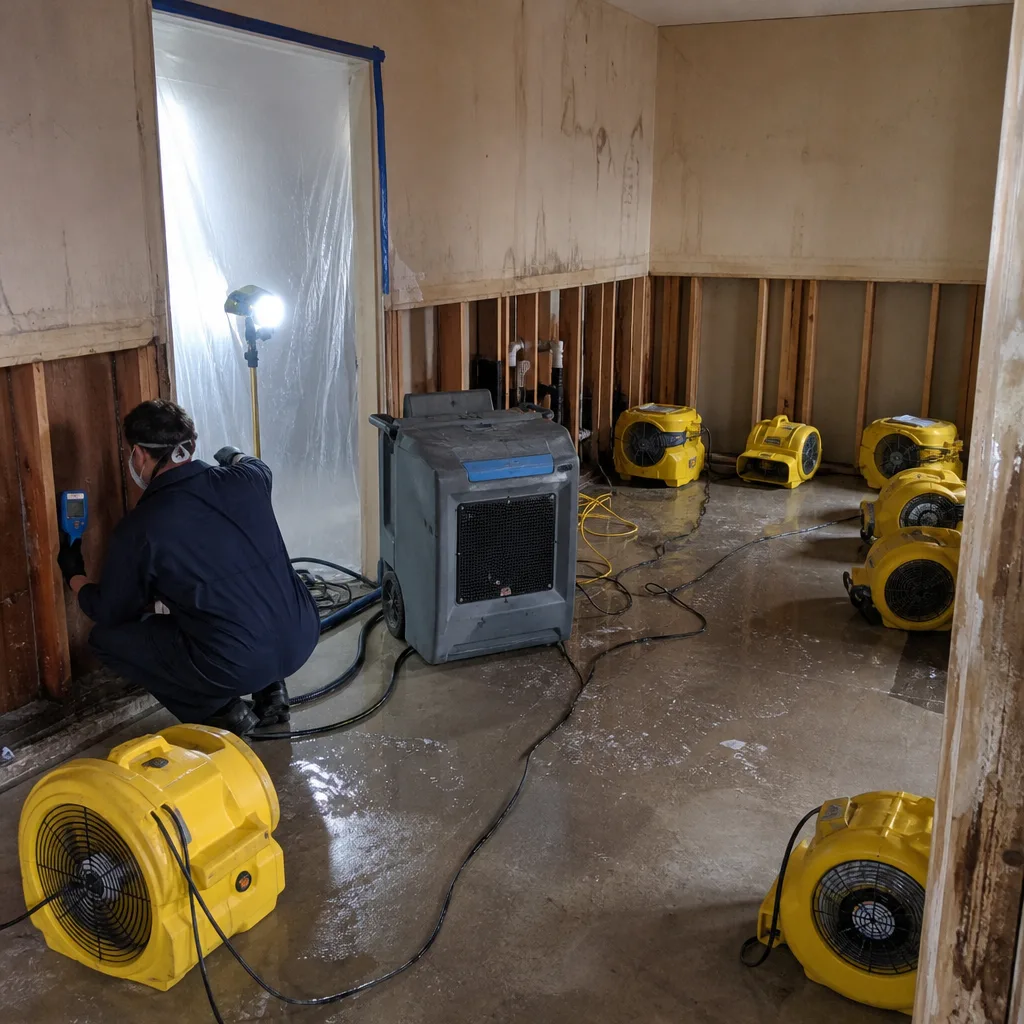
Scope creep - newly discovered damage that expands the original work order - is legitimate and common. It is also the most abused line item in restoration billing. Our guide on Damage Restoration Permits, Codes & Inspections in CA: What You Need to Know explains how proper documentation protects you from both under-repair and overcharge.
What Contractors Are Entitled to Charge Without a Change Order
When a contractor begins demolition and finds saturated insulation behind apparently dry drywall, or mold growth extending beyond the visible patch, the additional work falls within standard contingency allowances. Most insurance policies and restoration contracts include 10-15% contingency for exactly this purpose. The contractor should:
- Photograph the newly discovered condition before disturbing it
- Document moisture readings or mold test results
- Notify you and your adjuster within 24 hours
- Apply the contingency percentage to the original scope’s relevant line items
This is standard practice. It is not scope creep.
What Requires a Written Change Order Before Work Begins
True scope creep - the kind that generates disputes - occurs when contractors:
- Add equipment without explaining why the original count was insufficient
- Extend drying days without daily log documentation showing inadequate progress
- Upgrade materials (mold-resistant drywall, premium paint) without prior approval
- Perform “preventive” treatments in unaffected areas without evidence of risk
- Bill for contents cleaning that was not in the original pack-out scope
Haven Standard, Clause 1 exists to prevent exactly this: no work begins without a written price, and no price changes without a written amendment. In our experience across Chula Vista homes from Eastlake to Terra Nova, the majority of scope creep disputes stem from verbal authorizations given under stress - water still spreading, mold visible, a contractor saying “we should treat this too” while already inside your home. The written scope requirement removes that pressure.
A specific Chula Vista consideration: homes in the 91913 and 91915 ZIP codes, built during the 2000-2010 construction boom, frequently use engineered wood subfloors over concrete slabs. When water penetrates to the subfloor, the original scope may assume standard plywood replacement at $3.50-$4.50 per square foot. Engineered wood or OSB subfloor replacement runs $5.50-$7.25 per square foot. A contractor who discovers this condition and continues without a change order is either absorbing unexpected cost (unlikely) or planning to surprise you later (more likely). The written amendment protects both parties.
A Cost Comparison Framework for Competing Bids
Homeowners often receive two or three bids with line items arranged so differently that direct comparison seems impossible - a dilemma explored in our DIY vs Professional Damage Restoration: The Chula Vista Homeowner’s Decision Guide. One contractor bundles everything into “water mitigation - $8,500.” Another lists 47 line items totaling $9,200. A third proposes $7,800 with a note that “additional work may be needed.”
Here’s how to evaluate them without restoration industry expertise.
Step 1: Normalize to Square Footage
Divide every bid by the affected square footage. If Contractor A proposes $8,500 for 1,400 square feet, that’s $6.07 per square foot. Contractor B’s $9,200 for the same area is $6.57. Contractor C’s $7,800 is $5.57. Now you have comparable figures - but only if the scope of work is identical.
Step 2: Verify Scope Alignment
Check that each bid covers the same work. Does “mitigation” include content pack-out, or is that separate? Does demolition include disposal, or is debris hauling an add-on? Are antimicrobial treatments specified by square footage, or buried in a general “cleaning” line item? Misaligned scopes explain most price divergence, not contractor generosity or greed.
Step 3: Check Equipment Counts Against Drying Science
Using the psychrometric formula above, verify that proposed equipment counts make sense for your square footage and the described materials. A bid proposing four dehumidifiers for 800 square feet of standard residential space in Chula Vista’s climate is either accounting for unusual conditions (slab construction, high groundwater, Category 3 contamination) or padding the invoice. Ask which.
Step 4: Identify Missing Line Items
The lowest bid often wins by omission, not efficiency. Common missing items that generate change orders later:
- Moisture monitoring and daily documentation (required by most insurers, often billed separately at $85-$150 per visit)
- Contents manipulation - moving furniture to access wet areas
- HVAC cleaning or sealing if ductwork was exposed to contaminated air
- Final cleaning post-mitigation before reconstruction begins
Step 5: Evaluate Documentation Promises
A bid is a price. A scope is a plan. Documentation is proof the plan was executed. Ask each contractor: what records will I receive, and when? The answer should include daily moisture logs, photo records with timestamps, equipment placement documentation, and a final dry standard verification. If a contractor hesitates or refers to “our standard report” without specifics, that hesitation is information.
At DryMark Restoration Chula Vista, our written scope under Haven Standard, Clause 1 includes a documentation schedule - when logs are delivered, when photos are uploaded, when the final report is issued. This is not an extra service. It is the service.
Category-Specific Cost Ranges
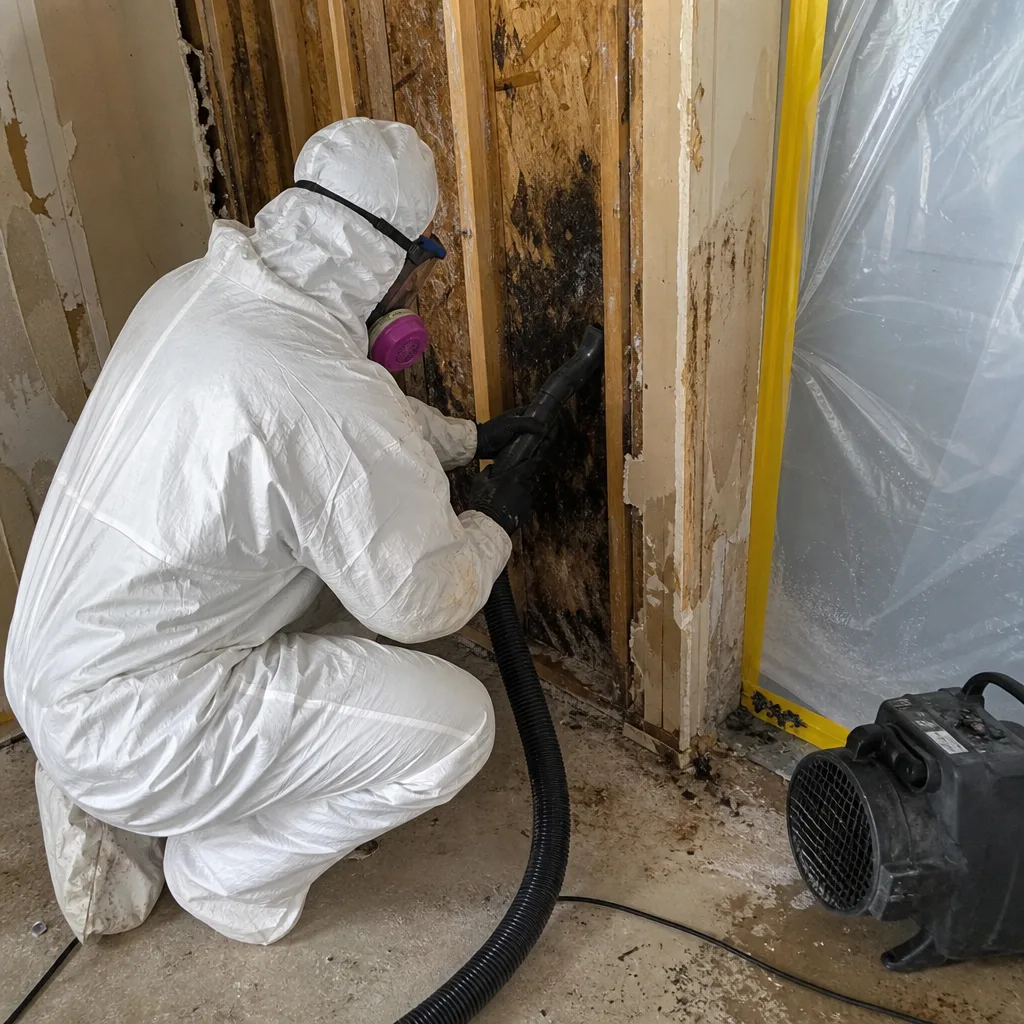
These ranges reflect 2026 Xactimate pricing for the San Diego-Chula Vista-Carlsbad region, adjusted for typical residential conditions. Commercial, multi-family, or specialized structures (historic homes, properties with unpermitted additions common in some Chula Vista neighborhoods) may vary.
Water Damage Restoration
| Service | Unit | 2026 Range |
| Category 1 clean water mitigation | Per sq ft | $3.50-$6.50 |
| Category 2 gray water mitigation | Per sq ft | $5.00-$8.50 |
| Category 3 black water/sewage mitigation | Per sq ft | $7.50-$14.00 |
| Hardwood floor drying (Injectidry system) | Per sq ft | $4.50-$7.00 |
| Subfloor replacement | Per sq ft | $5.50-$9.00 |
| Equipment rental (dehumidifier) | Per day | $48-$55 |
| Equipment rental (air mover) | Per day | $35-$42 |
| Daily moisture monitoring/inspection | Per visit | $85-$150 |
Chula Vista’s proximity to the bay and its varying elevations create distinct moisture patterns. Homes in the 91910 ZIP near the waterfront often face capillary moisture wicking through slab foundations, requiring extended dehumidification. Canyon homes in 91914 may experience rapid temperature swings that complicate vapor pressure differential calculations. These conditions don’t change the unit costs, but they affect drying day counts - and that’s where honest contractors separate from optimistic estimators.
Mold Remediation
| Service | Unit | 2026 Range |
| Containment setup (poly barrier, negative air) | Per room | $350-$650 |
| HEPA air scrubber rental | Per day | $38-$45 |
| Antimicrobial application | Per sq ft | $0.75-$1.50 |
| Physical mold removal (non-porous surfaces) | Per sq ft | $15-$22 |
| Physical mold removal (porous materials, including removal) | Per sq ft | $22-$35 |
| Post-remediation verification testing | Per sample | $150-$300 |
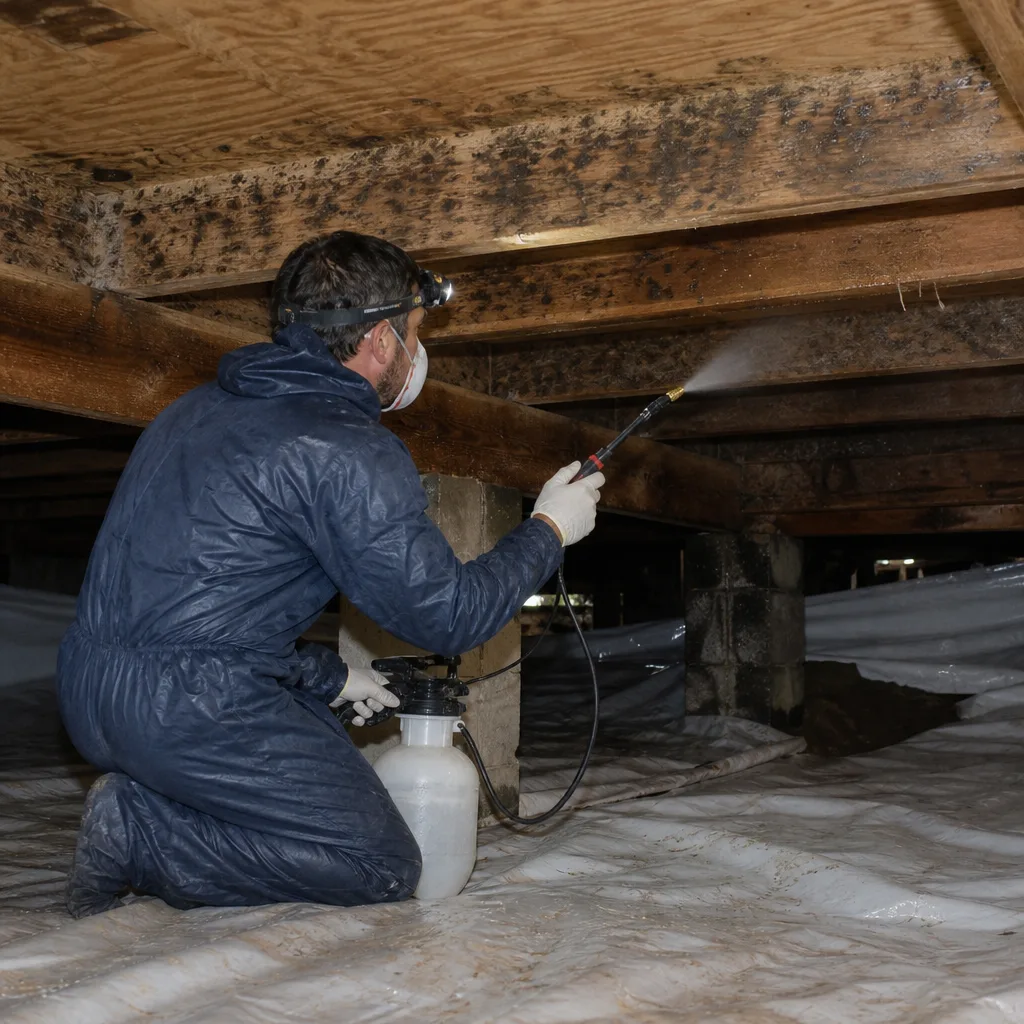
Mold remediation pricing is particularly vulnerable to scope inflation because fear drives approval. A contractor who shows you a dark spot and says “this is toxic black mold” without sampling is selling emotion, not science. Mold Remediation in Chula Vista should begin with documented moisture source identification, not dramatic language. The IICRC S520 standard requires containment and negative air pressure for any remediation exceeding 10 square feet of visible mold - but it also requires that the scope be justified by inspection, not assumption.
Fire and Smoke Damage Restoration
| Service | Unit | 2026 Range |
| Light smoke damage (dry smoke, localized) | Per sq ft | $4.50-$7.50 |
| Moderate smoke damage (wet smoke, protein residue) | Per sq ft | $7.50-$10.50 |
| Heavy smoke damage (synthetic materials, structural) | Per sq ft | $10.50-$16.00 |
| Thermal fogging deodorization | Per zone | $250-$450 |
| Ozone treatment | Per day | $150-$250 |
| HVAC duct cleaning post-fire | Per system | $450-$850 |
| Contents cleaning (soft goods, per pound) | Per lb | $3.50-$5.50 |
Chula Vista’s wildfire exposure has increased in recent years, with smoke damage claims from regional fires affecting homes miles from active flames. Protein smoke from kitchen fires - nearly invisible, extremely pungent, requiring specialized cleaning chemistry - is the most commonly underestimated fire damage type. Contractors who price fire restoration by visual soot alone miss this entirely, generating change orders when odor persists after “clean” surfaces are revealed as contaminated.
Sewage Cleanup and Biohazard
| Service | Unit | 2026 Range |
| Category 3 water extraction and initial treatment | Per sq ft | $7.50-$14.00 |
| Antimicrobial/sanitizing treatment (Category 3) | Per sq ft | $1.25-$2.50 |
| Porous material removal and disposal (Category 3) | Per sq ft | $4.50-$8.00 |
| Biohazard scene cleanup | Per hour | $150-$350 |
| Biohazard disposal (medical waste) | Per pound | $2.50-$5.00 |
Sewage backup in Chula Vista’s older sewer districts, particularly in areas with combined storm and sanitary systems, requires Category 3 protocols regardless of visual contamination. The 2026 California Plumbing Code and San Diego County health requirements mandate specific disposal pathways for sewage-impacted materials. Contractors who skip these steps to reduce apparent cost are creating liability that transfers to the homeowner.
Common Mistakes to Avoid
- Accepting a single total without line-item breakdown. A $12,000 invoice with one line reading “water damage mitigation” provides no basis for insurance review or personal verification. Haven Standard, Clause 1 requires itemization for exactly this reason.
- Confusing mitigation with reconstruction. Mitigation is emergency stabilization - drying, demolition, cleaning. Reconstruction is rebuilding. These are billed differently, often by different contractors, and insurers apply separate deductibles or limits. A bid that blends them obscures both.
- Ignoring permit requirements for reconstruction. Chula Vista requires permits for structural repairs, electrical work, and plumbing modifications post-damage. Unpermitted work may satisfy your immediate need but complicate future sale or insurance claims. Permit costs ($150-$800 depending on scope) should appear in reconstruction estimates, not be absorbed as “savings.”
- Assuming insurance covers everything above the deductible. Policies have limits, exclusions for gradual damage or maintenance neglect, and specific documentation requirements. A contractor who promises “we’ll work with your insurance” without explaining your potential out-of-pocket exposure is making a marketing statement, not a guarantee.
- Neglecting to verify that daily logs exist before work begins. Ask to see a sample daily log from a previous job. It should show date, time, technician name, moisture readings by location, equipment readings, and photos. If the contractor cannot produce this, their “documentation” claim is theoretical.
- Choosing the lowest bid without checking for omitted scope. The $7,800 bid that excludes contents manipulation, daily monitoring, and final cleaning becomes a $10,500 job through change orders. Compare normalized per-square-foot costs only after scope alignment.
- Failing to document pre-existing conditions. Photograph your property before any contractor arrives. Chula Vista’s coastal climate often produces pre-existing moisture stains, efflorescence on concrete, or minor mold that contractors may attribute to the current loss. Your photos are your defense.
When to Call a Professional
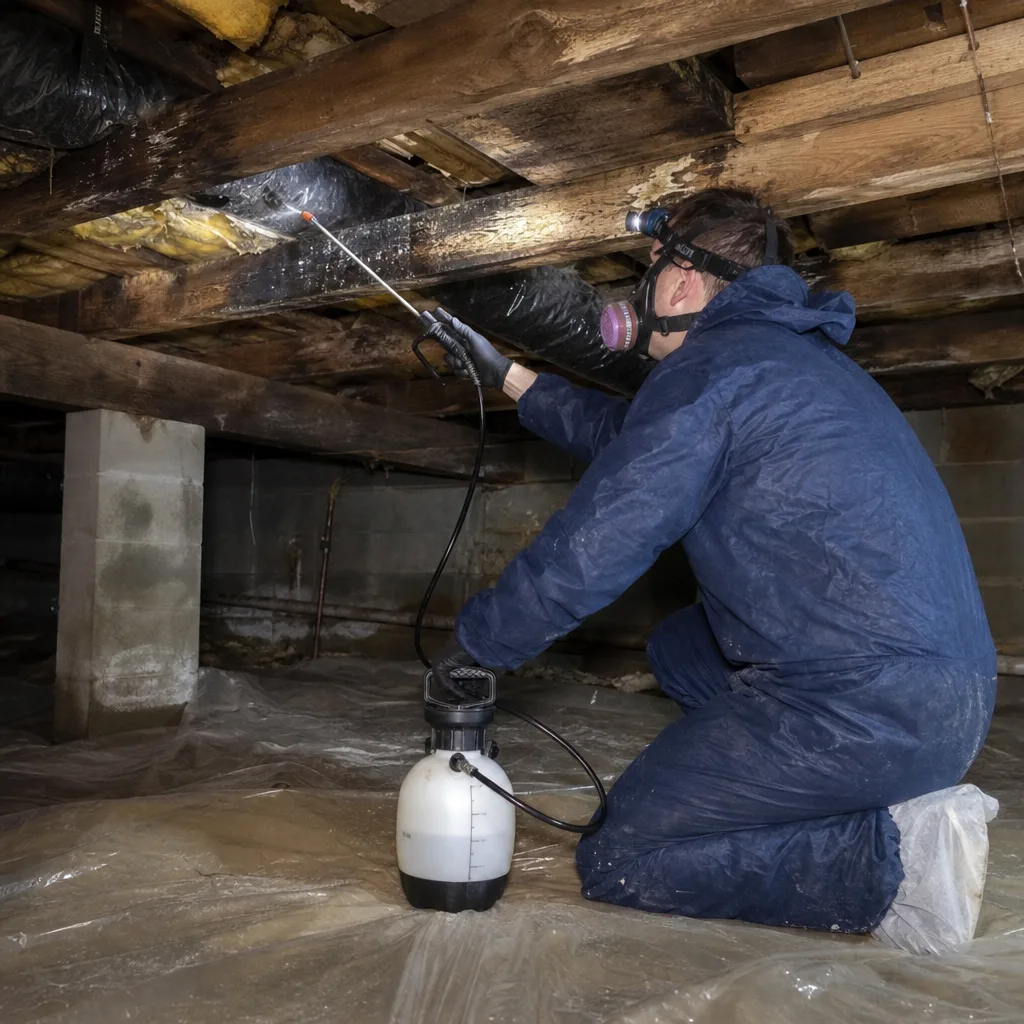
Some damage scenarios permit measured DIY response. Most do not, and the cost of delayed professional involvement typically exceeds the initial savings by multiples. For deeper guidance, see our more guides & resources. Call a restoration professional immediately when:
- Water has affected drywall, insulation, or subflooring - surface drying with household fans leaves trapped moisture that breeds mold within 48-72 hours in Chula Vista’s climate
- Sewage or gray water is involved - Category 2 and 3 contamination requires antimicrobial protocols and disposal pathways that homeowners cannot legally or safely execute
- Smoke odor persists after initial ventilation - protein smoke and synthetic residue require thermal fogging or ozone treatment, not masking agents
- Mold growth exceeds 10 square feet or is in HVAC systems - IICRC standards require containment and negative air pressure; DIY disturbance spreads spores
- Structural materials are compromised - sagging ceilings, warped subfloors, or deteriorated framing create safety hazards beyond cosmetic concern
DryMark Restoration Chula Vista offers free estimates in Chula Vista - call (619) 486-5459. Every estimate includes a written scope with line-item pricing before any work begins, documented to Haven Standard, Clause 1. We also provide free second opinions on any competitor’s written estimate, with no obligation.
Frequently Asked Questions
Category 1 clean water mitigation averages $3.50-$6.50 per square foot, Category 2 gray water runs $5.00-$8.50, and Category 3 sewage or black water ranges from $7.50-$14.00. These figures include extraction, equipment rental for standard drying periods, and basic antimicrobial treatment. Call (619) 486-5459 for an exact quote based on your specific conditions - estimates are free.
Most homeowner policies cover sudden and accidental damage but exclude gradual leaks, maintenance neglect, and certain flood scenarios requiring separate flood insurance. Your coverage is limited to your policy limits and subject to your deductible. The key to full coverage is documentation: photo records, daily moisture logs, and written scopes that prove the damage was sudden and the response was necessary. Contractors who provide this documentation as standard practice, not upon request, protect your claim more effectively than those who don’t.
For active water damage and sewage emergencies, DryMark Restoration Chula Vista maintains live phone coverage 24 hours a day, 7 days a week with no voicemail trees. Response time depends on current deployment, but emergency mitigation in Chula Vista typically begins within 2-4 hours of authorization. Reconstruction work is scheduled, not dispatched, and requires a written scope with pricing before scheduling - typically 1-3 business days after estimate approval.
Visible mold exceeding 10 square feet, mold in HVAC systems, or mold resulting from Category 2 or 3 water damage requires full remediation with containment and negative air pressure per IICRC S520 standards. Surface cleaning is appropriate only for minor, isolated growth on non-porous materials with a verified moisture source that has been eliminated. A contractor who recommends remediation without inspection documentation or who recommends cleaning for extensive growth is not following standard practice. Mold Remediation in Chula Vista should always begin with moisture source identification, not just visible removal.
You are ultimately responsible for your claim, but a documentation-first contractor handles adjuster communication as part of standard service. This includes providing Xactimate-formatted estimates, daily drying logs, photo documentation, and scope amendments for discovered damage. The contractor’s role is to present evidence; your role is to authorize work and understand your policy. Be wary of contractors who ask you to sign over your insurance benefits (assignment of benefit agreements are restricted in California) or who discourage direct adjuster contact.
Normalize all bids to per-square-foot costs, verify equipment counts against drying science formulas, check that scope items are aligned across bids, and ask for Xactimate line item references. Padded bids typically show equipment counts 30% above psychrometric requirements, disposal charges without weight documentation, or “administrative fees” that duplicate overhead already in unit pricing. The free second opinion service at DryMark Restoration Chula Vista will review any competitor’s written estimate against these benchmarks at no charge.
The Bottom Line
Restoration pricing is not a mystery to be trusted or a negotiation to be feared. It is a set of unit costs, documented procedures, and verifiable benchmarks that any homeowner can understand with the right reference. In Chula Vista’s specific climate and regulatory environment, the homeowners who fare best are those who demand line-item transparency, daily documentation, and written scopes before work begins. The cost of restoration is fixed by materials, labor, and equipment. The cost of poor documentation - disputed claims, uncovered expenses, repeated work - is variable and typically far higher. Start with facts. End with a dry home and a paid claim.
Written by Alicia Brennan, Owner at DryMark Restoration Chula Vista, serving Chula Vista since 2011.