
Last updated September 23, 2026
Free visual inspection and a written scope of work before any mitigation begins - photos, moisture readings, and drying logs go in your claim file
The scope we write is the scope we bill. Anything new gets shown to you, in writing, before we touch it.
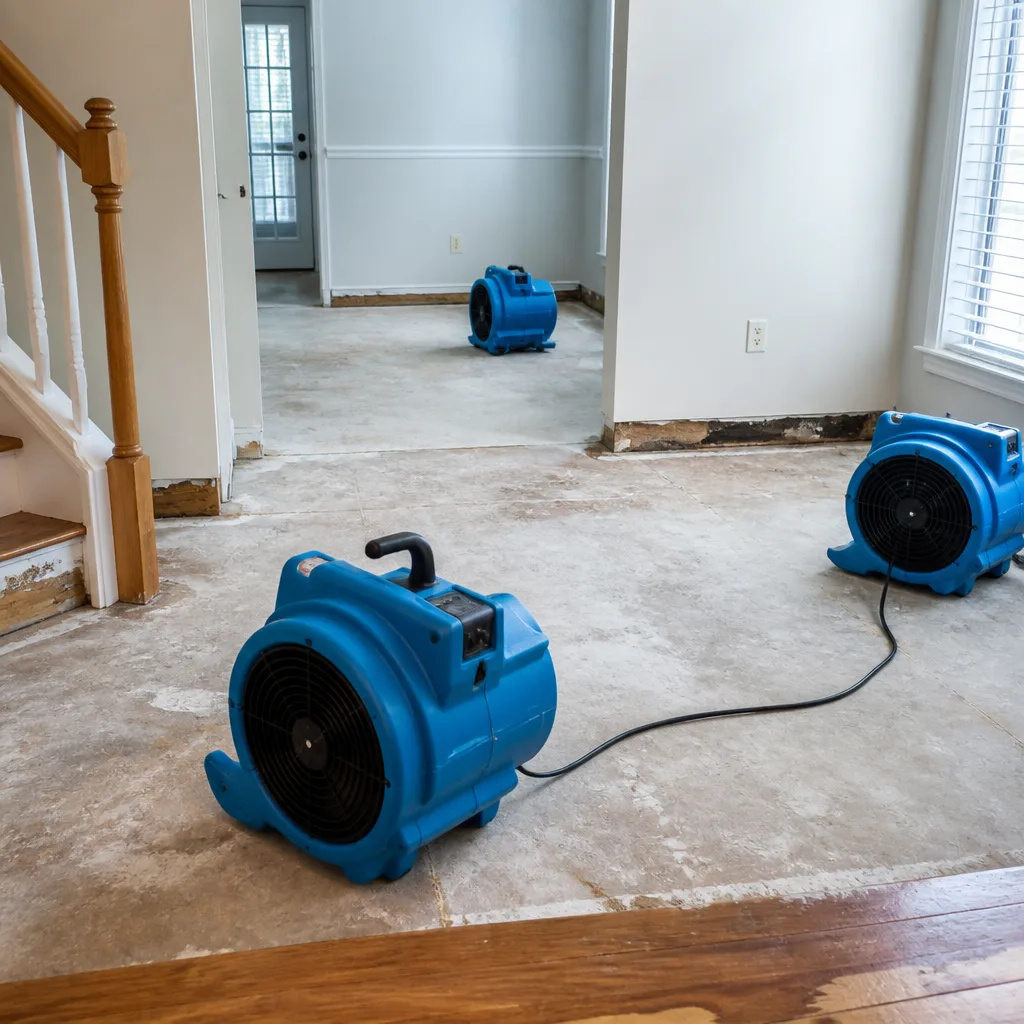



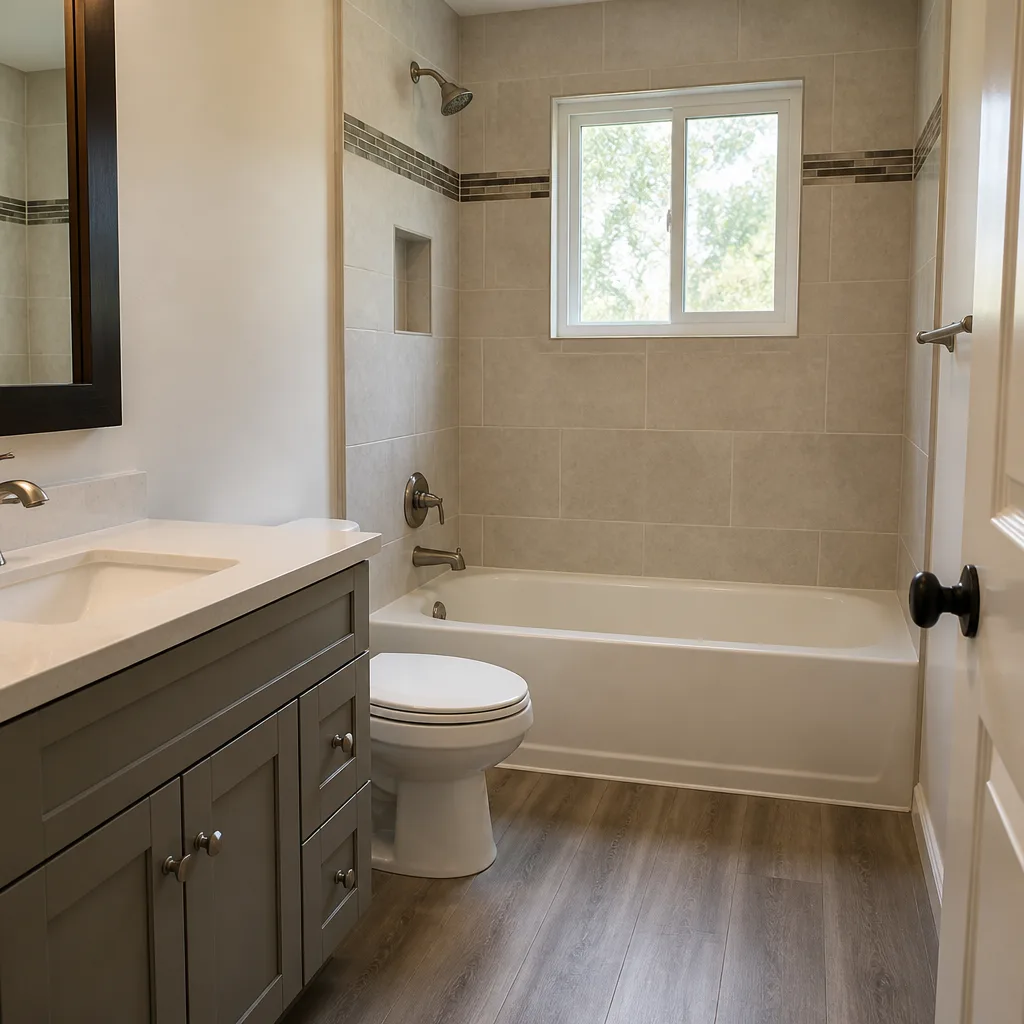

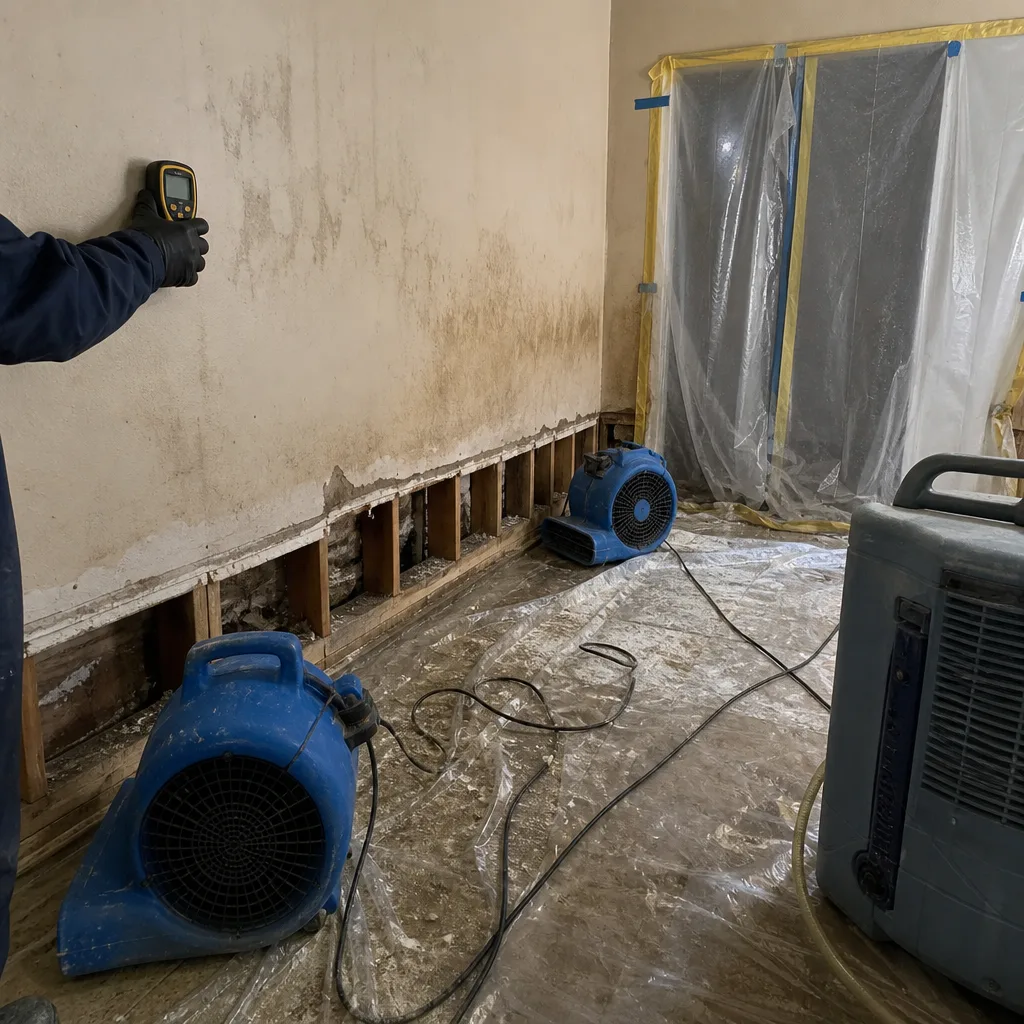 Before
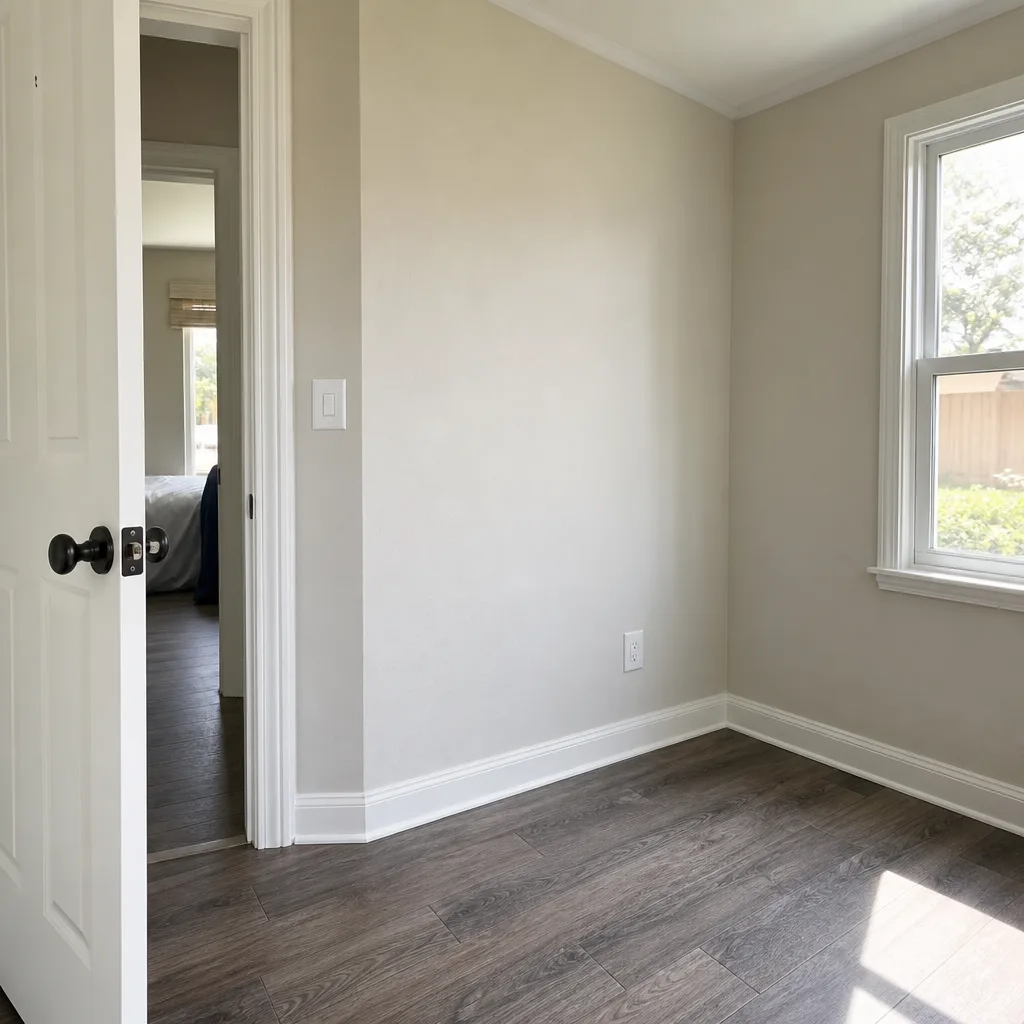 After
After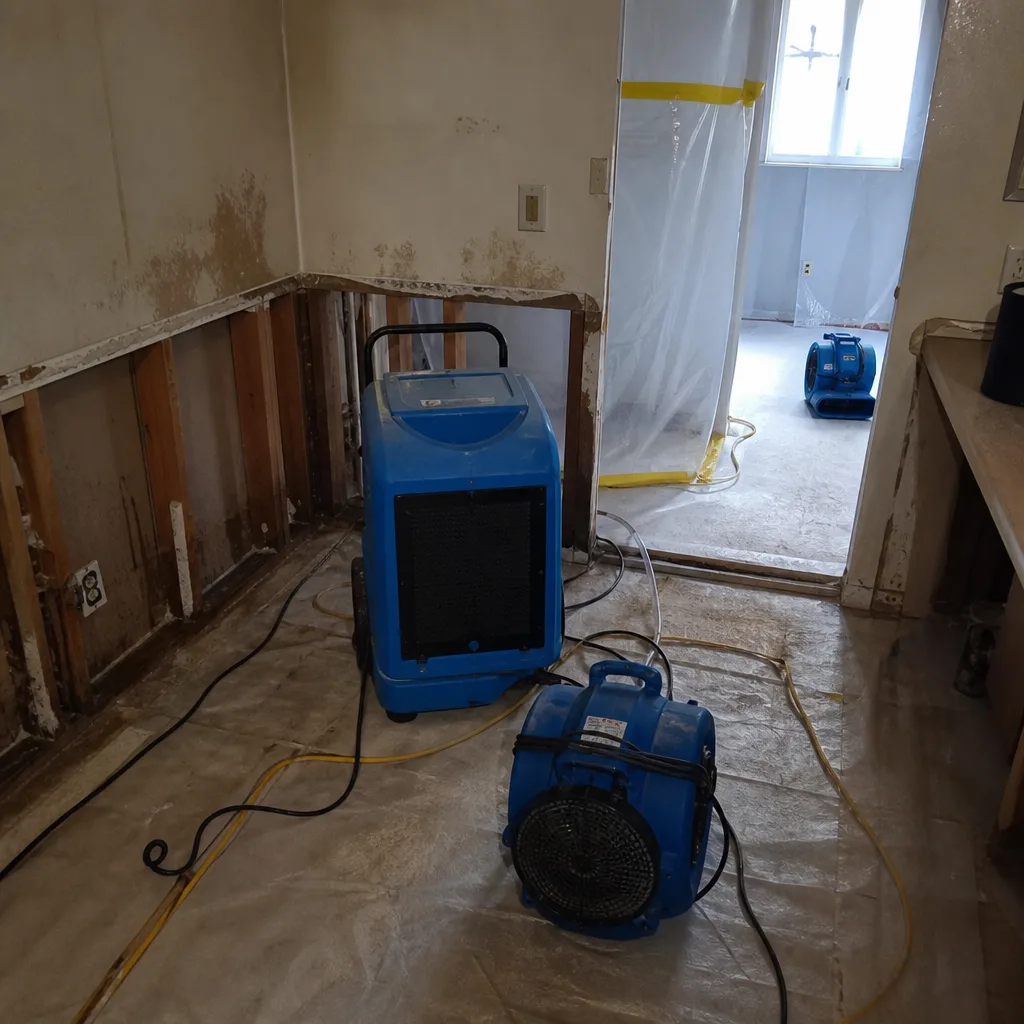 Before
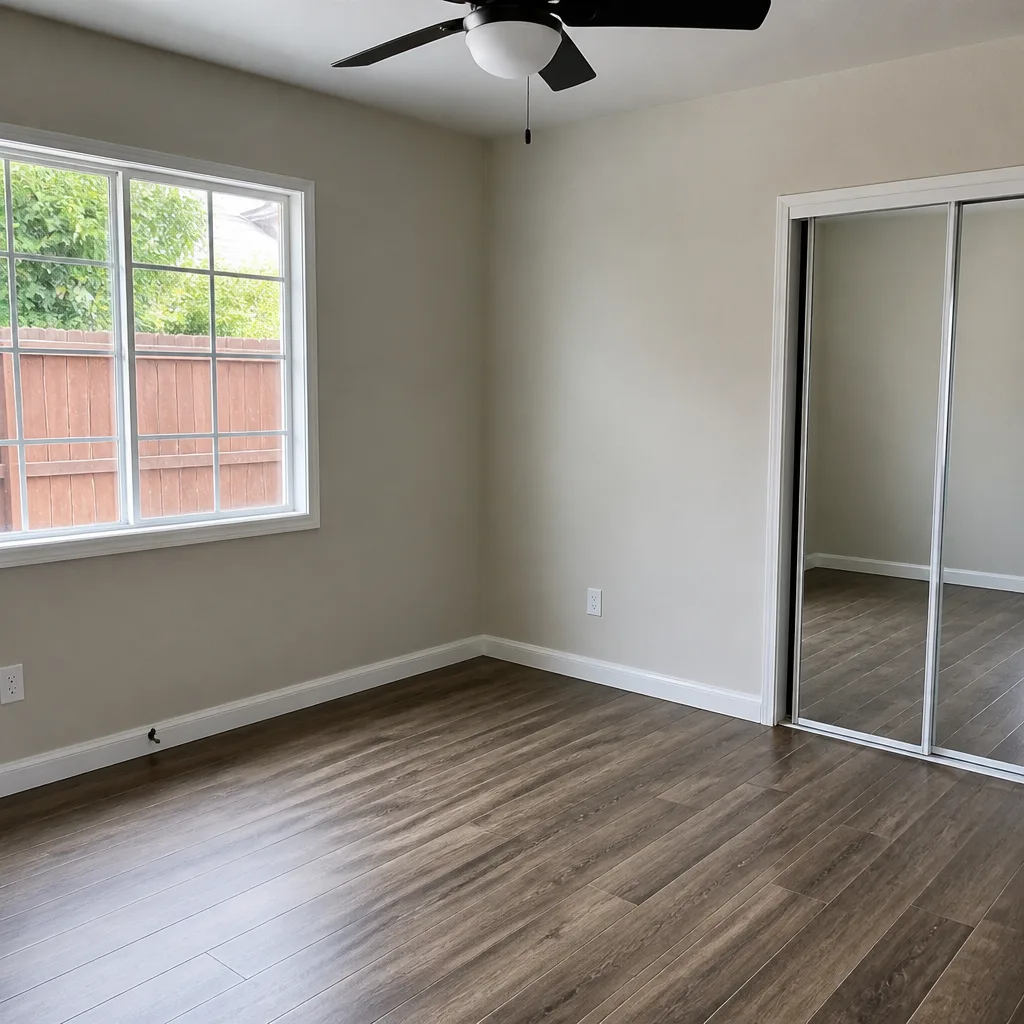 After
After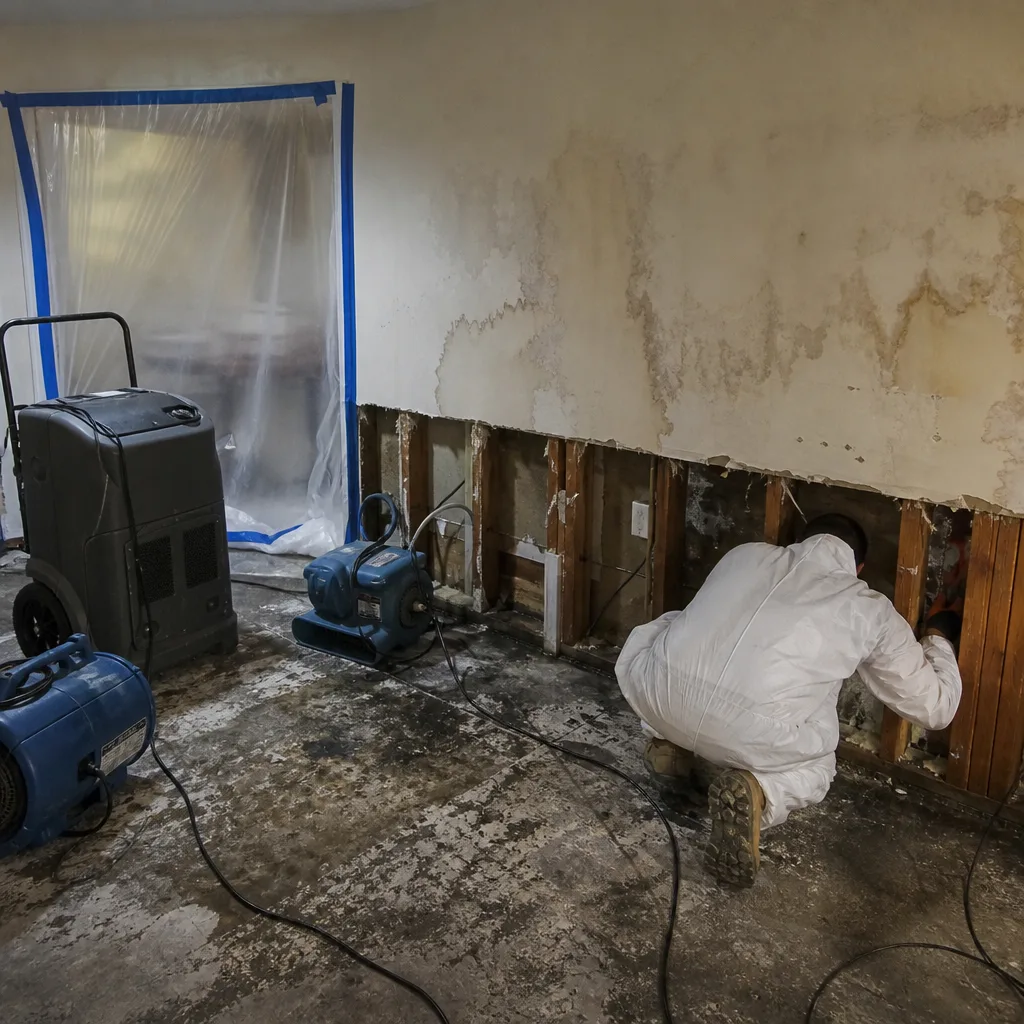 Before
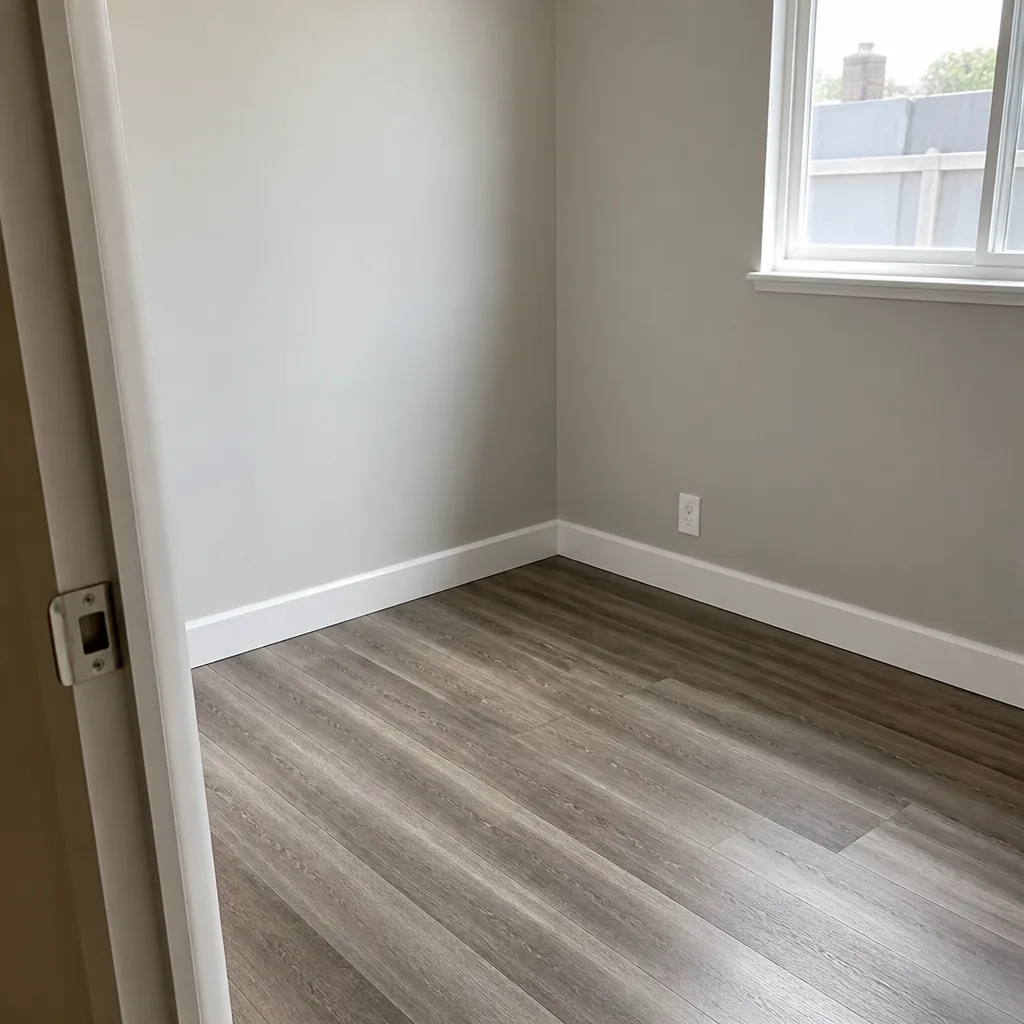 After
AfterDamage Restoration Warning Signs: A Chula Vista Homeowner’s Reference Guide
A musty odor in a Chula Vista home signals mold colony growth that has likely been active for 72 hours or more. The warning signs that matter are the ones that appear in the 48 hours before the smell. Most damage restoration guides & resources tell homeowners to watch for stains, warping, and odors - but by the time those are present, you’re already looking at Category 2 or 3 water damage with secondary mold growth and potential structural compromise. This reference maps the earlier, measurable precursors that appear before visible damage, the ones a homeowner can detect with a $30 moisture meter and a baseline understanding of how Chula Vista’s coastal climate, slab-on-grade construction, and specific building eras create predictable failure patterns. You’ll learn the exact humidity and moisture readings that separate normal variation from concealed damage, the construction-era vulnerabilities specific to Chula Vista neighborhoods, and a documented escalation protocol for deciding when to monitor, when to assess, and when to call for immediate mitigation.
Quick Answer
The earliest damage restoration warning signs in Chula Vista homes are measurable, not visible: room humidity sustained above 60% relative humidity, baseplate moisture readings above 16% on pin-type meters, and doors or windows that bind seasonally without obvious cause. These precursors typically appear 24-48 hours before staining, warping, or odor become detectable. A homeowner who monitors these three indicators can identify concealed water intrusion while it is still Category 1 and before mold colonization begins.
Table of Contents
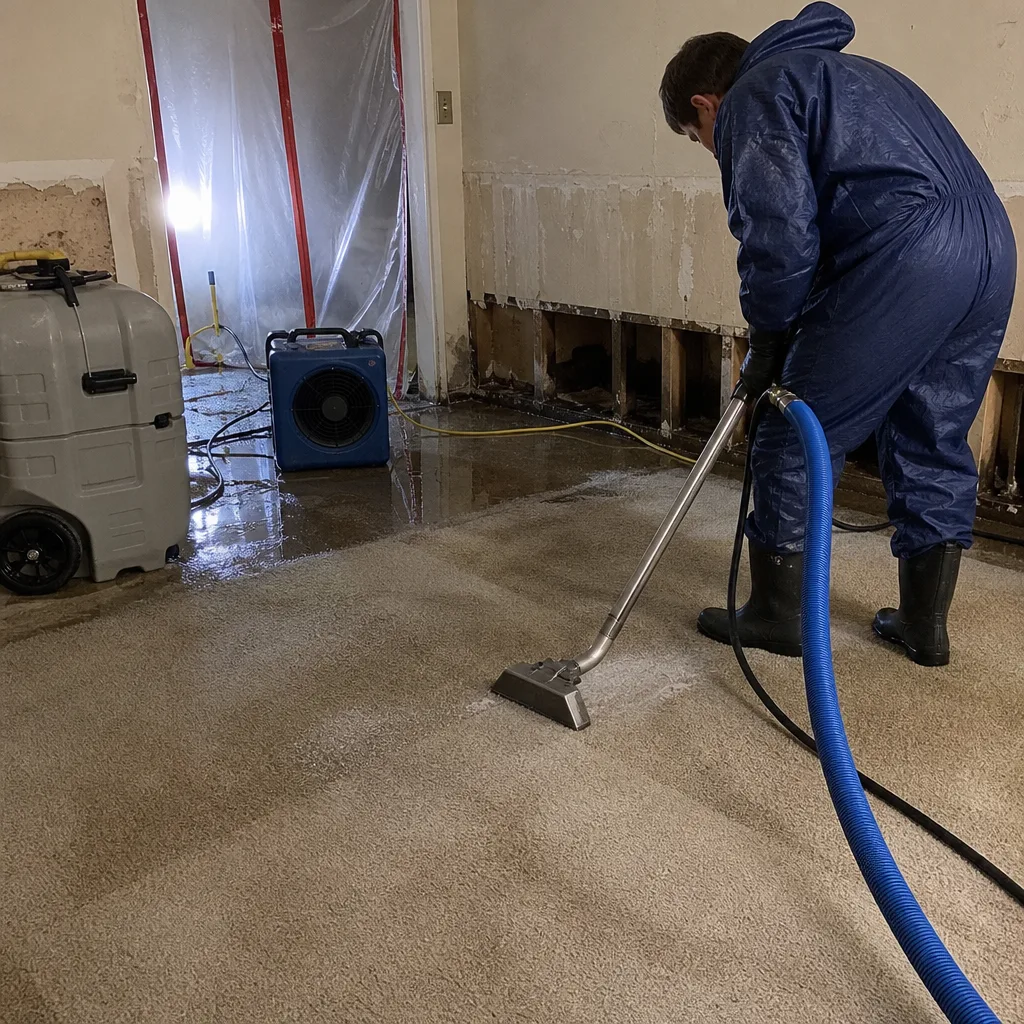
- The Pre-Visible Indicators Most Homeowners Miss
- How to Use a Consumer Moisture Meter: Readings That Matter
- Slab-on-Grade Foundations: Efflorescence vs. Active Seepage in Chula Vista
- Chula Vista Construction Era Vulnerabilities: 1980s-2000s Stucco Systems
- The Escalation Protocol: Monitor, Assess, or Mitigate Now
- Room-by-Room Warning Sign Checklist
- How Chula Vista’s Coastal Climate Accelerates Hidden Damage
- Common Mistakes to Avoid
- When to Call a Professional
- Frequently Asked Questions
BeforeAfterThe Pre-Visible Indicators Most Homeowners Miss
Visible water damage - the brown ceiling stain, the buckled laminate, the black mold patch - represents the end of a process that began days or weeks earlier. In our work across Chula Vista since 2011, we’ve documented thousands of losses where the homeowner noticed “something seemed off” before anything looked wrong. The difference between a $2,400 drying job and a $18,000 mold remediation often comes down to whether someone acted on those subtle precursors.
Here are the pre-visible indicators we teach homeowners to track:
- Unexplained humidity spikes above 60% RH in specific rooms. A single room that runs 10-15% higher humidity than the rest of the house, sustained over 48 hours, indicates a moisture source that ventilation cannot balance. Normal indoor relative humidity in Chula Vista ranges 45-55% due to marine influence; sustained elevation in one zone is not “coastal humidity” - it is a leak, capillary rise, or condensation point.
- Soft spots in flooring before any staining appears. Press firmly with a ballpoint pen cap on tile grout lines, at plank seams, or along the perimeter of carpet. A substrate that yields perceptibly, or grout that crumbles slightly, indicates the subfloor has reached 20%+ moisture content. Wood-based subfloors begin structural degradation at 19% moisture content; by the time staining reaches the surface, the subfloor may already require replacement.
- Door and window binding from frame swelling. A door that sticks in summer but freed in winter, or a window sash that requires force to open, often signals frame moisture cycling. In Chula Vista’s mild climate, seasonal binding is not thermal expansion - it is moisture absorption in wood framing members adjacent to a leak path. Check the exterior trim and sill pan for failed sealant or stucco cracks at the jamb.
- Paint failure patterns that follow framing, not random cracking. Hairline cracks that run vertically at 16″ or 24″ intervals (matching stud spacing) or horizontally at ceiling lines indicate movement in moisture-compromised framing. Random cracking is settlement or age; patterned cracking is structural moisture response.
- Electrical outlet faceplates that feel cool or show faint discoloration. Moisture migration through exterior walls can wick into outlet boxes, creating minor temperature differentials and, in advanced cases, faint rust staining on screws or plates. This is not normal in Chula Vista’s climate and indicates a wall cavity moisture load.
These indicators share a common trait: they are detectable with attention and simple tools, but invisible to a casual walkthrough. The homeowner who notices a bedroom closet running 65% RH while the hallway holds 50% has found a problem at the Category 1 stage, when drying alone resolves it.
How to Use a Consumer Moisture Meter: Readings That Matter
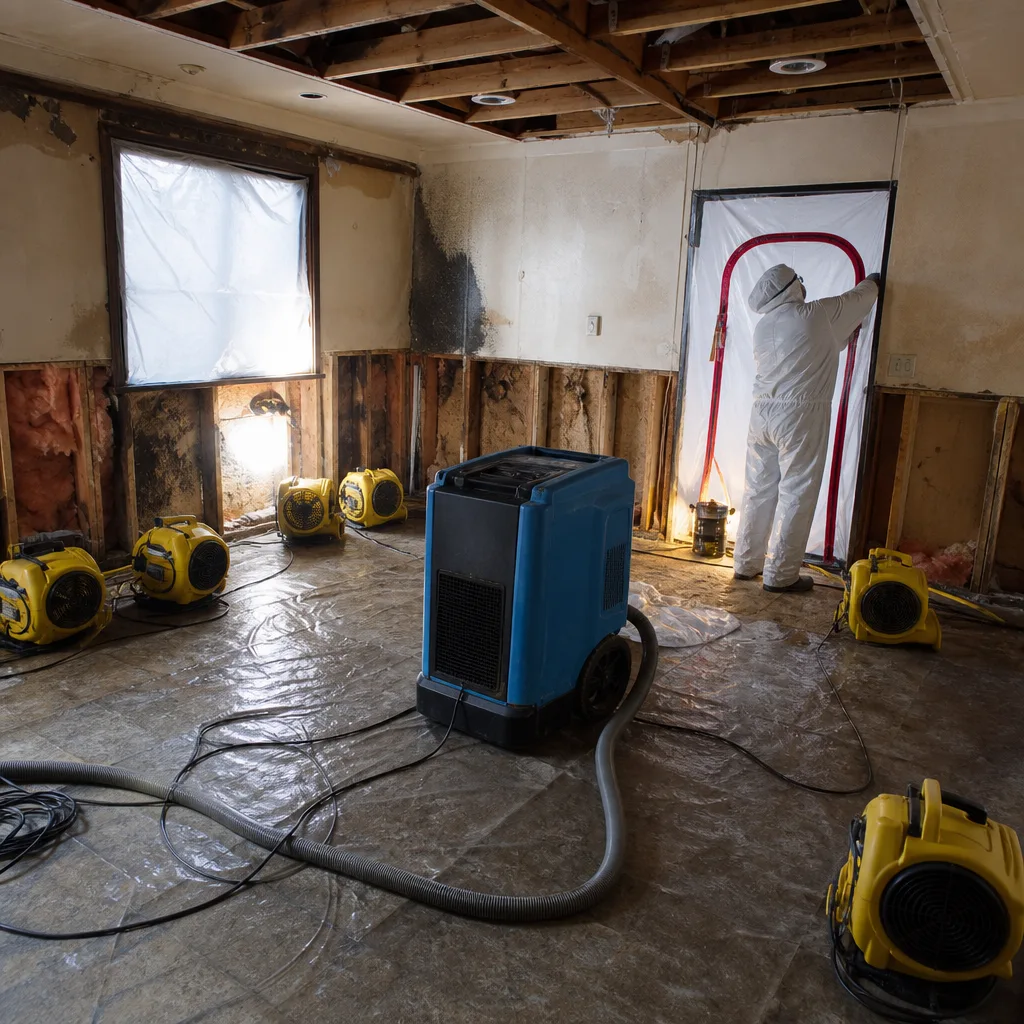
A pin-type moisture meter costs $25-$45 at any hardware store and provides objective data that removes guesswork from damage assessment. We use professional-grade meters from Delmhorst and Protimeter on every job, but the consumer versions operate on identical principles and detect the same thresholds.
Understanding the tool: Pin-type meters measure electrical resistance between two probes driven into the material. Wet wood conducts electricity better than dry wood, so the meter displays a percentage of moisture content by weight. Non-invasive (pad-style) meters read surface moisture only and miss concealed problems - we do not recommend them for this application.
- Establish your baseline. Test an area you know is dry: interior framing in a closet, a baseboard in a room with no plumbing, the center of a solid wood door. In Chula Vista’s climate, dry interior wood reads 8-12% moisture content. Record this number - it is your reference.
- Test at base plates, not mid-wall. Water follows gravity and capillary action; the lowest point of a wall assembly accumulates moisture first. Drive pins into the baseplate at the wall-floor junction, or if baseboard is present, test through the gap between baseboard and flooring. Readings here that exceed your baseline by 4+ percentage points indicate a problem.
- Test multiple points in a suspected room. Take readings at each corner, at the midpoint of each wall, and at any plumbing penetration. A single elevated reading suggests a localized leak; a pattern of elevation around the room perimeter suggests slab moisture or exterior intrusion.
- Interpret the numbers:
- 8-12%: Normal for Chula Vista interior wood in conditioned space
- 13-15%: Elevated - monitor weekly, check for source
- 16-19%: Active moisture intrusion - professional assessment warranted
- 20%+: Structural degradation threshold - mitigation required to prevent mold and wood rot
- Document with photos. Photograph each reading location with the meter display visible and a note of the date, time, and room conditions. This documentation becomes valuable if you need to file an insurance claim or dispute a contractor’s scope. At DryMark Restoration Chula Vista home, we provide this documentation as a standard deliverable on every visit - not an upsell.
One critical caveat: gypsum drywall reads differently than wood. Pin meters calibrated for wood will understate drywall moisture because gypsum is less dense. If testing drywall, use a meter with a gypsum scale, or interpret wood-scale readings as conservative - drywall at 15% on a wood scale may be significantly wetter in reality.
Slab-on-Grade Foundations: Efflorescence vs. Active Seepage in Chula Vista
The majority of Chula Vista homes built from the 1960s through the 2000s sit on slab-on-grade foundations with no basement or crawl space. This construction type eliminates one common water damage pathway but creates another: hydrostatic pressure and capillary rise through the slab edge and any cracks or penetrations.
Homeowners often misread the signs, treating active seepage as a cosmetic issue or cosmetic efflorescence as an emergency. The distinction matters for both response and insurance coverage.
Efflorescence is a white, powdery deposit of mineral salts left when water evaporates from concrete or masonry. It indicates that moisture has moved through the material, dissolved minerals, and evaporated at the surface. Key characteristics: it brushes off easily with a dry finger, returns slowly if at all, and appears in locations with historical moisture exposure rather than active pressure. In Chula Vista, efflorescence commonly appears on garage slab edges, patio slabs, and the interior face of stem walls in older homes with no perimeter drainage. It is a sign of past or intermittent moisture, not necessarily active intrusion.
Active hydrostatic seepage presents differently: darkening of the concrete that does not fully dry, a slight sheen or dampness that returns within hours of cleaning, and often a musty odor in enclosed spaces. In Chula Vista’s clay-heavy soils, particularly in the eastern neighborhoods where the Otay Formation clays predominate, seasonal groundwater fluctuation can drive active seepage through slab cracks and construction joints. The 2016-2017 winter rains produced widespread slab seepage in Chula Vista homes where perimeter drainage had failed; we documented moisture readings at base plates exceeding 24% in homes with no visible plumbing leak.
The test: clean the area with a dry cloth and monitor for 24 hours. Efflorescence stays dry and powdery. Active seepage darkens again. If darkening recurs, the moisture source is ongoing and requires professional assessment. Water Damage Restoration in Chula Vista addresses slab seepage through a combination of vapor barrier installation, perimeter drainage correction, and structural drying with professional-grade equipment from Dri-Eaz and Phoenix.
Chula Vista Construction Era Vulnerabilities: 1980s-2000s Stucco Systems
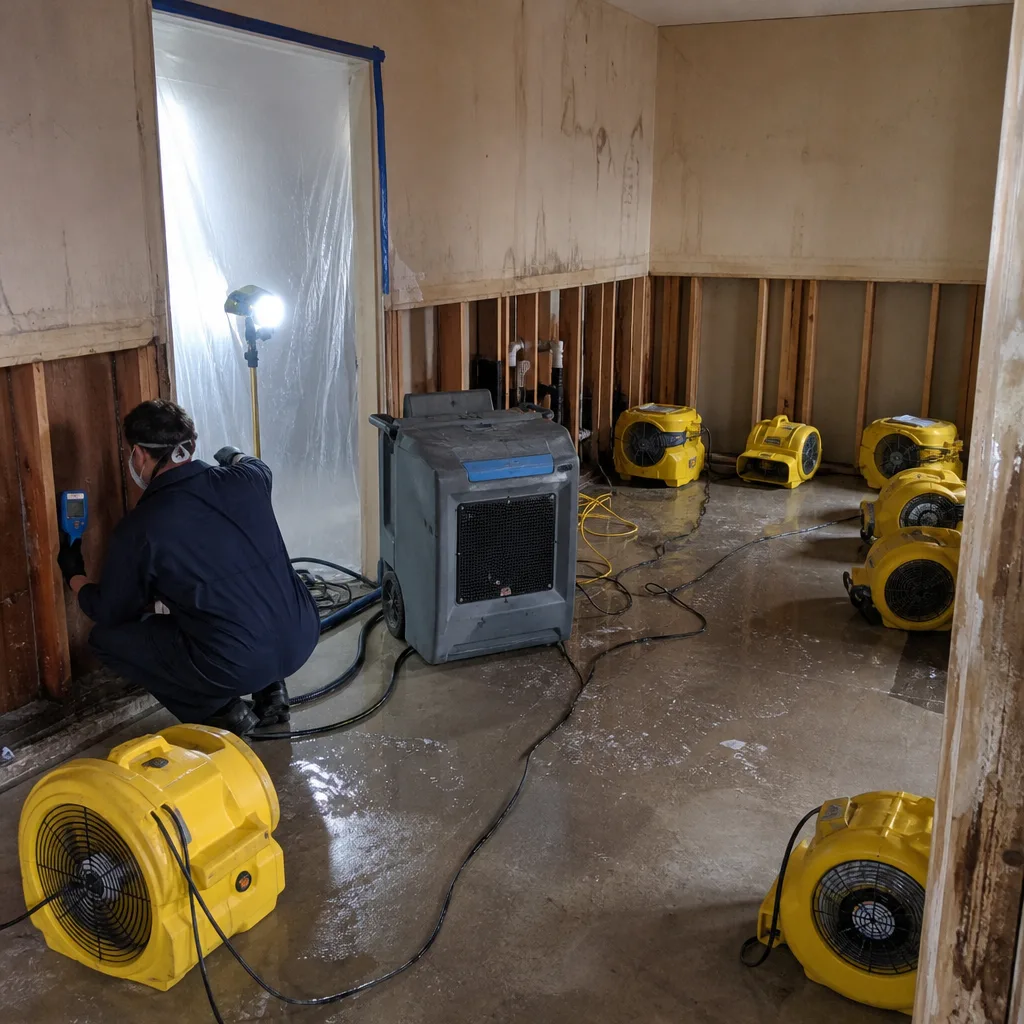
Chula Vista’s building boom from 1983 through 2007 produced thousands of homes with a specific stucco system vulnerability that generates concealed water damage without obvious exterior signs. Understanding this construction era helps homeowners interpret warning signs that would otherwise seem minor.
Homes built in this period typically used a single-coat or thin three-coat stucco over paper-backed lath, with building paper or housewrap as the weather-resistant barrier (WRB). The critical failure mode is not cracking in the stucco itself - hairline stucco cracks are normal and rarely leak directly - but rather breaches in the WRB at windows, doors, and deck ledgers that allow water to enter the wall cavity and run down the interior face of the sheathing.
The warning signs specific to this era:
- Stucco cracks that step or angle toward window corners. A crack that runs vertically then angles toward a window head or jamb suggests movement at a penetration where the WRB was cut and poorly sealed. Random cracking is age; cracking that terminates at a penetration is a leak pathway.
- Interior baseboard separation at exterior walls only. When the baseboard pulls away from the wall on exterior walls but not interior walls, the cause is often moisture cycling in the bottom plate that swells and shrinks the framing. We’ve seen this pattern repeatedly in Chula Vista’s Rancho del Rey and Eastlake neighborhoods, where 1990s construction with inadequate sill seal and WRB detailing creates chronic wall cavity moisture.
- Window sill rot from the interior face. A window sill that is soft or discolored from the room side, with sound exterior trim, indicates water entering above and running down the interior wall to pool at the sill. The exterior may look fine; the damage is inside the cavity.
- Musty odor that intensifies after rain, even without visible leaks. In homes with failed WRB, rain water enters the cavity, wets the sheathing and insulation, and dries slowly due to the vapor barrier effect of intact stucco on the exterior. The result is a cyclical moisture load that supports mold growth without ever producing a visible interior stain.
In Otay Ranch and Terra Nova developments, we’ve documented homes where the stucco appeared intact but moisture readings at interior base plates exceeded 18% consistently. The repair requires not just drying but WRB remediation at the failure points - a scope that must be written and priced before work begins, per Haven Standard, Clause 1.
The Escalation Protocol: Monitor, Assess, or Mitigate Now
Not every elevated reading requires emergency response. A documented escalation protocol prevents both dangerous delay and unnecessary expense. At DryMark Restoration Chula Vista, we use this framework on every initial call to categorize the situation accurately, as outlined in our step-by-step guide to hiring a damage restoration contractor in Chula Vista.
| Indicator | Threshold | Action | Timeline |
|---|---|---|---|
| Single room RH elevated | 55-60% sustained 48+ hours | Monitor: increase ventilation, dehumidify, recheck in 72 hours | 72-hour recheck |
| Baseplate moisture | 13-15% (4+ points above baseline) | Assess: identify source, inspect adjacent areas, document | Within 1 week |
| Baseplate moisture | 16-19% | Licensed assessment: professional moisture mapping, thermal imaging, written scope | Within 48 hours |
| Baseplate moisture | 20%+ or multiple rooms | Mitigate now: containment, extraction, structural drying, source repair | Same day |
| Visible mold growth | Any size, any location | Do not disturb - spore release risk; professional containment and remediation | Same day |
| Sewage or gray water | Any evidence of Category 2 or 3 water | Mitigate now - health hazard, no delay | Immediate |
The 48-hour window between Category 1 and Category 2 water is where most homeowners lose control of their situation. Clean water that sits for more than 48 hours becomes gray water as microbial growth begins; after 72 hours, mold colonization is likely and the water classifies as Category 2 or 3 depending on materials contacted. This timeline is why we answer every call live, 24 hours a day, 7 days a week - no voicemail trees while water continues to migrate through the structure.
For monitoring situations, we recommend a simple log: date, time, room, RH reading, moisture meter reading at each tested point, and any changes in conditions. This log becomes part of the documentation package if professional assessment becomes necessary, and it supports any insurance claim by establishing the timeline of discovery.
Room-by-Room Warning Sign Checklist
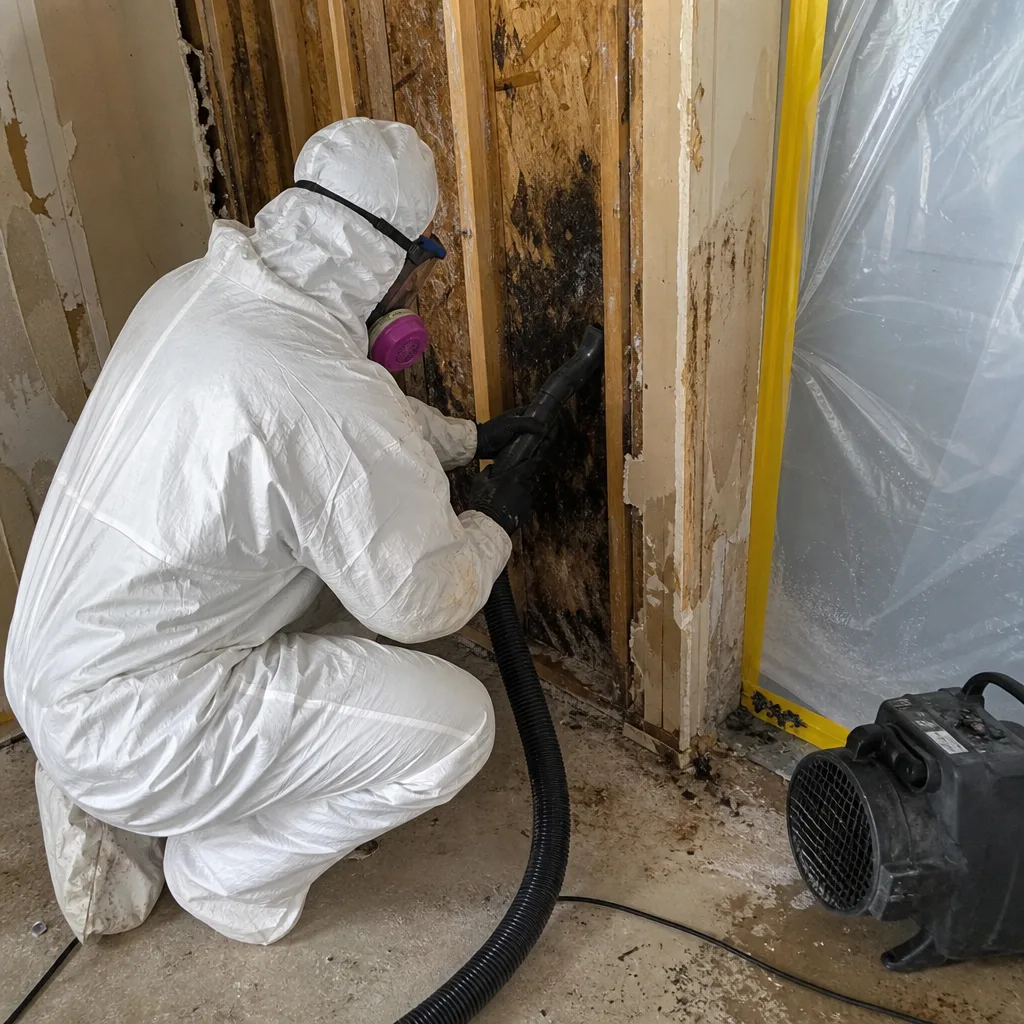
Different rooms present different failure modes based on their plumbing, ventilation, and exterior exposure. Use this checklist for systematic inspection.
Kitchen
- Refrigerator ice maker line: check for kinks, corrosion, or moisture at the wall valve - these flex lines fail predictably after 8-10 years
- Dishwasher: run a cycle and check for moisture at the kick plate immediately after; slow leaks here saturate the subfloor before any kitchen floor visible change
- Sink cabinet base: press on the cabinet floor with a screwdriver handle - softening indicates chronic drain leak
- Window above sink: if present, check sill and jamb for moisture staining from steam condensation combined with failed exterior sealant
Bathroom
- Toilet flange: rock the toilet gently - any movement indicates wax seal failure and subfloor moisture
- Shower/tub surround: grout cracks at the wall-floor junction allow water behind the surround; test adjacent walls with moisture meter
- Exhaust fan: run for 10 minutes, hold a tissue to the grille - weak airflow causes chronic humidity and mold in ceiling cavities
- Baseboard behind toilet: moisture meter reading here detects slow tank or supply leaks that run to the wall
Laundry Room
- Washer supply hoses: braided stainless is preferred; rubber hoses should be replaced every 5 years regardless of appearance
- Drain standpipe: overflow events leave moisture in the wall cavity that may not reach visible surfaces for weeks
- Dryer vent: check exterior termination for lint buildup and proper flap closure - blocked vents elevate room humidity and create condensation in adjacent walls
Garage
- Slab edge: efflorescence pattern and any darkening that returns after cleaning
- Water heater pan: should be dry; any water indicates tank failure or drain line blockage
- Overhead door seal: gaps allow wind-driven rain and pest entry; check for moisture at the interior base of the door frame after storms
Exterior
- Hose bibs: operate each and check for leakage at the wall penetration; frost-proof bibs can fail internally and leak into the wall
- Roofline at valleys and penetrations: from ground, look for missing or displaced shingles, damaged flashing, or debris accumulation that dams water
- Stucco at ground contact: the “stucco leg” should terminate above grade with weep screed visible; buried weep screed traps moisture in the wall
How Chula Vista’s Coastal Climate Accelerates Hidden Damage
Chula Vista’s location at the head of San Diego Bay creates a climate that masks and accelerates water damage simultaneously. The marine layer provides moderate temperatures that slow evaporation, while seasonal Santa Ana winds create rapid drying that can hide active leaks by cycling materials through wet and dry states.
Specific climate factors to understand:
Marine layer humidity: From May through August, overnight humidity frequently exceeds 85% as the marine layer pushes inland. Homes without adequate ventilation or with HVAC systems oversized for the mild cooling load (common in Chula Vista construction) fail to dehumidify effectively. The result is sustained interior humidity in the 60-65% range - not from a leak, but from inadequate moisture removal. This ambient humidity masks leak-induced elevations because the whole house reads high, making localized spikes harder to detect. We recommend whole-house dehumidification or HVAC right-sizing in these conditions, with room-specific monitoring to catch localized problems.
Santa Ana drying cycles: The fall Santa Ana events drop humidity to 15-25% for 2-5 days. A wall cavity with active moisture may dry sufficiently at the surface to produce normal meter readings, while deeper sheathing and insulation remain wet. We’ve assessed homes in Chula Vista where surface readings were normal in October but thermal imaging revealed 6+ inches of wet insulation behind intact drywall. The seasonal drying created false confidence.
Slab temperature differentials: Chula Vista’s mild climate means slabs rarely freeze, but the constant 55-65°F slab temperature creates condensation risk when warm, humid interior air contacts cool slab edges at perimeter rooms. This is not seepage but surface condensation - yet it produces the same baseplate moisture readings and can trigger mold growth. The distinction matters: sealing and insulating the slab edge resolves condensation; drainage correction resolves seepage. Misdiagnosis leads to wrong repairs.
Rainfall concentration: Chula Vista averages 10 inches of rain annually, but 60% falls in December through March, often in concentrated events. Homes with deferred maintenance accumulate vulnerability through the dry months, then fail catastrophically in the first winter storm. Seasonal damage restoration care for Chula Vista means pre-season inspection in October-November, with specific attention to the checklist items above, to prevent most winter damage.
Common Mistakes to Avoid
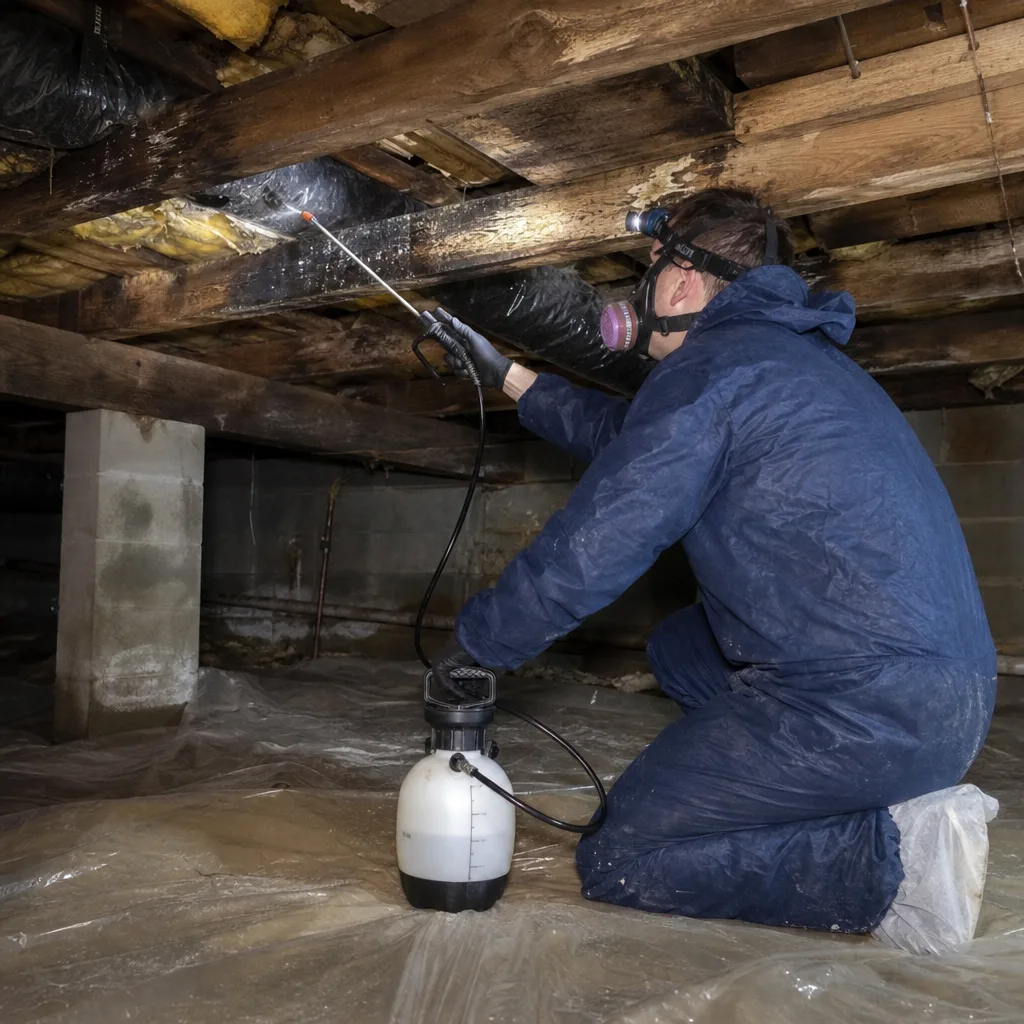
- Waiting for visible stains before acting. By the time water discolors drywall or ceilings, the damage has typically progressed to Category 2 with mold colonization. The pre-visible indicators above provide 48-72 hours of advance warning.
- Using bleach on mold spots. Bleach whitens the surface without penetrating porous materials, giving false confidence while hyphae continue growing in the substrate. It also adds moisture to the problem. Mold Remediation in Chula Vista requires containment, HEPA filtration, and removal of affected porous materials - not surface treatment.
- Assuming new construction is immune. Chula Vista’s 2015-2022 building boom produced homes with documented WRB failures, improper flashing, and HVAC commissioning errors. Age is not the primary risk factor - construction quality and maintenance are.
- Ignoring “musty” as normal for coastal living. A properly ventilated Chula Vista home should smell neutral, not musty. Musty odor indicates active microbial growth, not coastal character.
- DIY demolition without moisture mapping. Removing wet materials without documenting the full extent of moisture migration leaves hidden wet cavities that regenerate mold. Professional moisture mapping with thermal imaging and pin meters defines the complete drying boundary.
- Accepting verbal estimates for restoration work. Haven Standard, Clause 1 exists because verbal estimates lead to scope creep, disputed invoices, and denied insurance claims. A written price before work begins is not a preference - it is the documentation that makes your claim payable.
- Failing to document the timeline. Insurance coverage often depends on when damage was discovered versus when it began. A simple dated log of readings and observations supports your position if the adjuster questions whether the loss was “sudden and accidental.”
When to Call a Professional
Call for same-day assessment when baseplate moisture exceeds 16%, when any visible mold is present, when water is actively entering the structure, or when you detect sewage odor or gray water contamination. These thresholds indicate conditions that exceed homeowner management and require professional containment, extraction, and drying equipment.
For monitoring situations - isolated humidity elevation, minor efflorescence, or a single elevated reading without pattern - a professional assessment within one week provides moisture mapping and source identification that prevents escalation. Fire & Smoke Damage Restoration in Chula Vista and other specialized services require immediate professional response due to health hazards and insurance documentation requirements.
DryMark Restoration Chula Vista offers free estimates in Chula Vista - call (619) 486-5459. Every estimate is delivered in writing before any work begins, with a documented photo record on every subsequent visit and coverage under our 365-Day Done Right Promise. We also provide a Free Second Opinion on any competitor’s written estimate at no charge.
Frequently Asked Questions
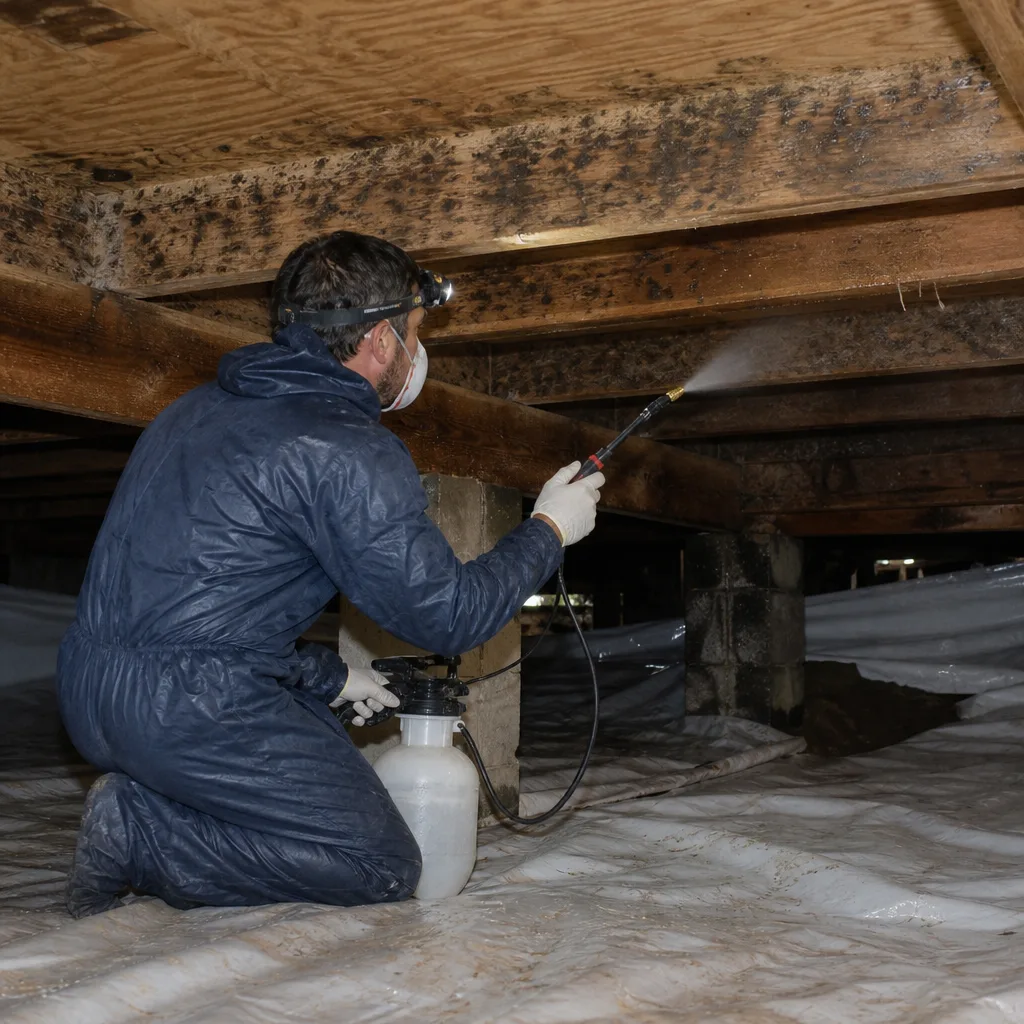
At DryMark Restoration Chula Vista, initial moisture assessment and written estimate are provided at no charge. The assessment includes pin-meter readings at base plates, thermal imaging scan of suspected areas, identification of the moisture source, and a written scope with line-item pricing before any work begins. Call (619) 486-5459 to schedule - estimates are free.
Coverage depends on whether the damage was “sudden and accidental” versus gradual. Insurance typically covers sudden pipe bursts and storm intrusion but excludes long-term maintenance issues. However, the discovery date - when you first detected the problem - often determines the claim timeline, not when the leak began. Documentation of your warning sign observations, with dated moisture readings and photos, supports your position that the damage was discovered promptly. We coordinate directly with adjusters and provide the documented drying logs that turn restoration invoices into payable claims.
Consumer-grade equipment moves air but rarely achieves the specific humidity levels required for structural drying. Professional drying requires calculating vapor pressure differential - the force that drives moisture from wet materials into the air - and maintaining air movement, temperature, and dehumidification capacity to sustain that differential. Our crews deploy Dri-Eaz and Phoenix LGR dehumidifiers, B-Air air movers, and Injectidry cavity drying systems sized to the psychrometric load of each specific space. Without this equipment and the daily moisture logs that document progress, you risk leaving hidden moisture that regenerates mold and voids insurance coverage for incomplete remediation.
A live person answers every call to (619) 486-5459, 24 hours a day, 7 days a week - no voicemail trees, no next-business-day callbacks while water is still moving. For active water intrusion and Category 2-3 situations, we dispatch same day. For assessment appointments in monitoring situations, we typically schedule within 24-48 hours. The exact response depends on current storm volume and your location within our Chula Vista service area.
Visible mold on a surface indicates colony growth that likely extends beyond what you can see. Mold requires removal of affected porous materials - drywall, insulation, carpet pad - not surface cleaning. Attempting to clean or paint over mold disturbs spores and spreads contamination. Our Mold Remediation in Chula Vista follows IICRC S520 standards with containment, negative air pressure, HEPA filtration, and clearance testing. The scope is written and priced before work begins, so you know exactly what is included.
We handle adjuster coordination as part of our standard service. This includes photo documentation on every visit, daily drying logs formatted to insurance requirements, direct communication with your adjuster about scope and progress, and a written final report with moisture readings demonstrating that drying goals were achieved. Our documentation-first approach exists because our founder, a former claims adjuster, built the company around the documentation gap that costs homeowners their claims. You are never left to translate technical reports for an adjuster who has not seen the site.
The Bottom Line
The damage restoration warning signs that matter are measurable and early: room humidity sustained above 60% RH, baseplate moisture readings 4+ points above your baseline, and structural binding that follows moisture rather than temperature. A $30 moisture meter and systematic observation provide 48-72 hours of advance warning before visible damage appears - the difference between a contained drying job and a full remediation. Chula Vista’s coastal climate, slab-on-grade construction, and specific building-era vulnerabilities create predictable patterns that informed homeowners can recognize and act upon. Document your readings, follow the escalation protocol, and demand written pricing before any work begins. The evidence you gather protects both your structure and your insurance claim.
Written by Alicia Brennan, Owner at DryMark Restoration Chula Vista, serving Chula Vista since 2011.