
Last updated September 23, 2026
Free visual inspection and a written scope of work before any mitigation begins - photos, moisture readings, and drying logs go in your claim file
The scope we write is the scope we bill. Anything new gets shown to you, in writing, before we touch it.
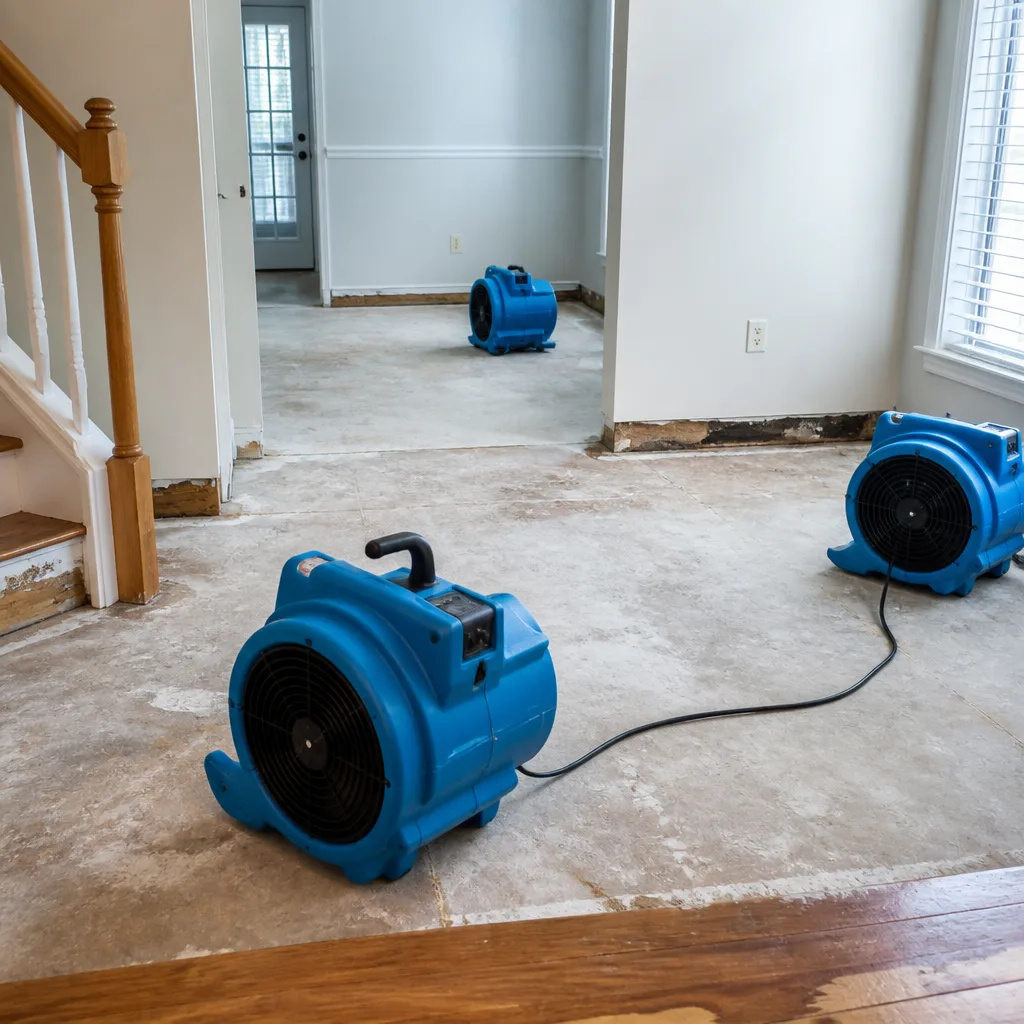





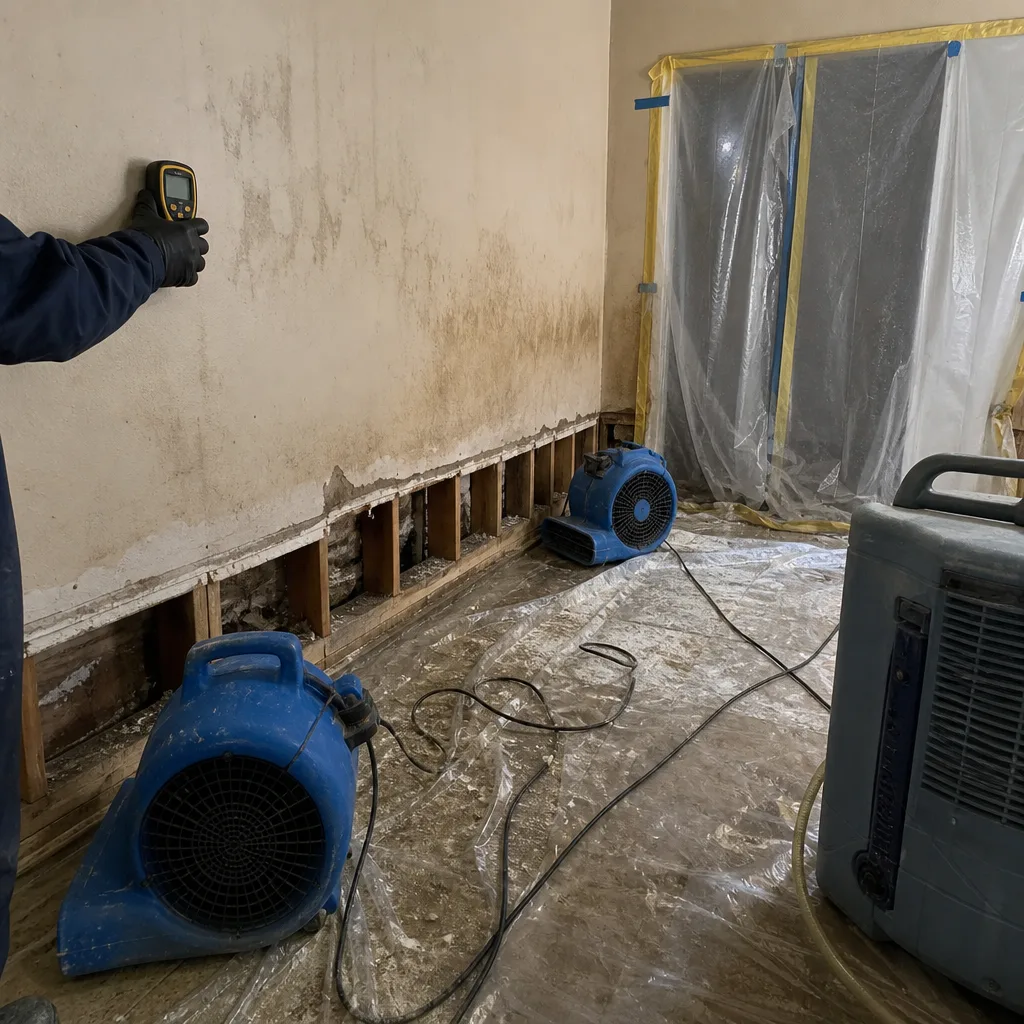 Before
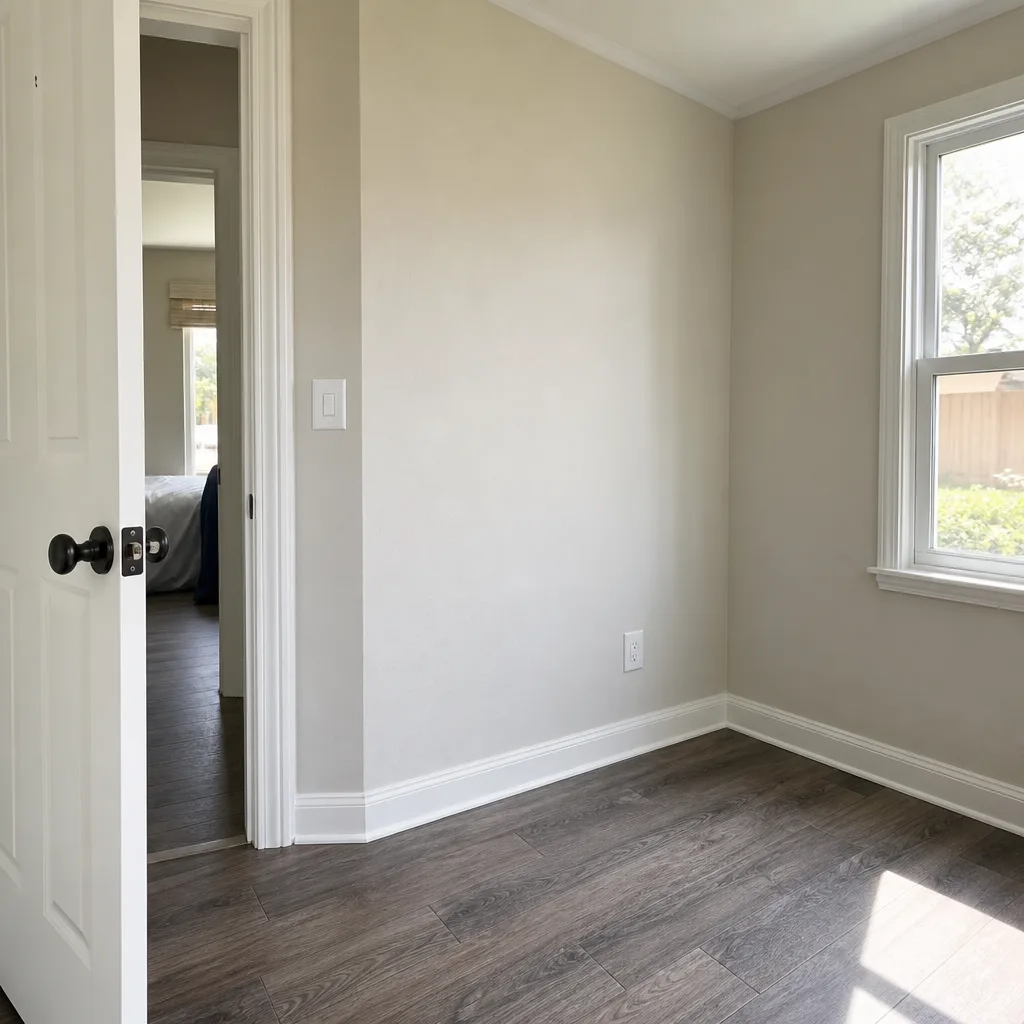 After
After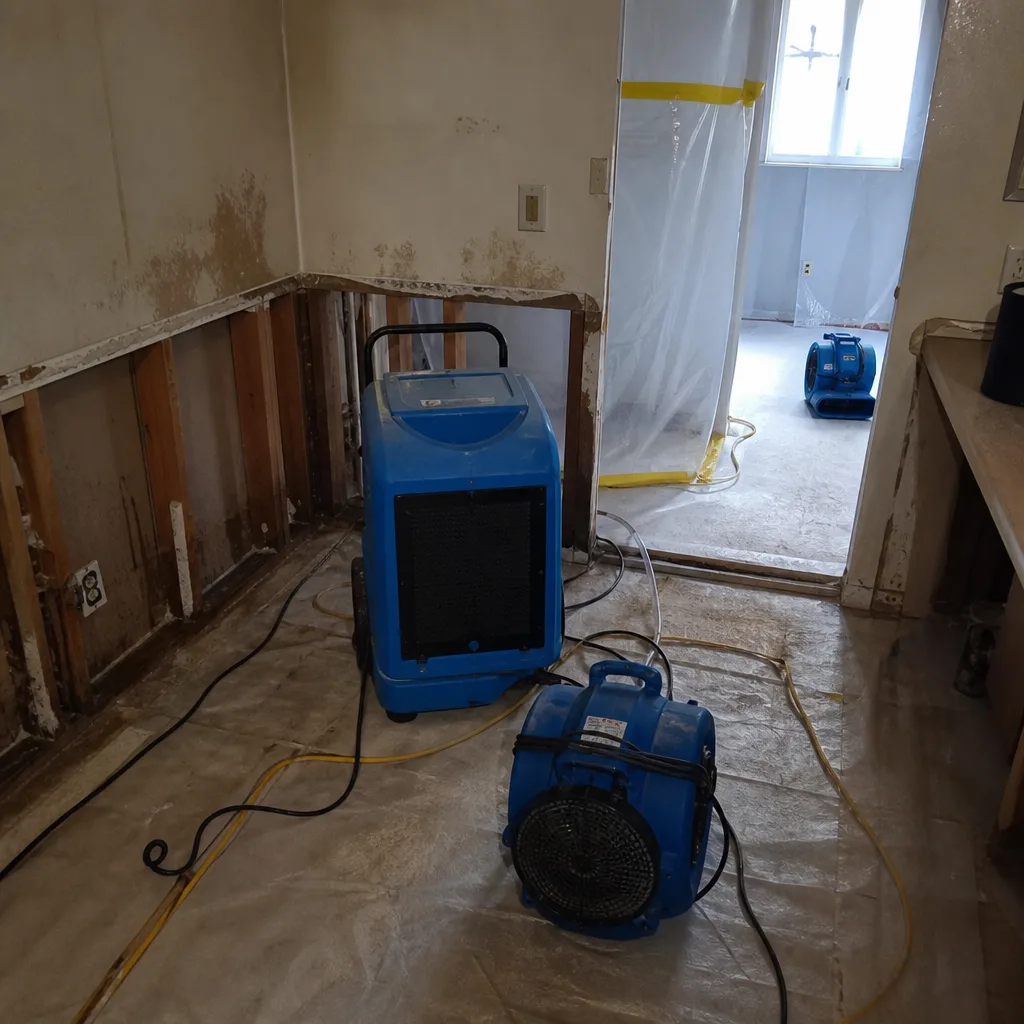 Before
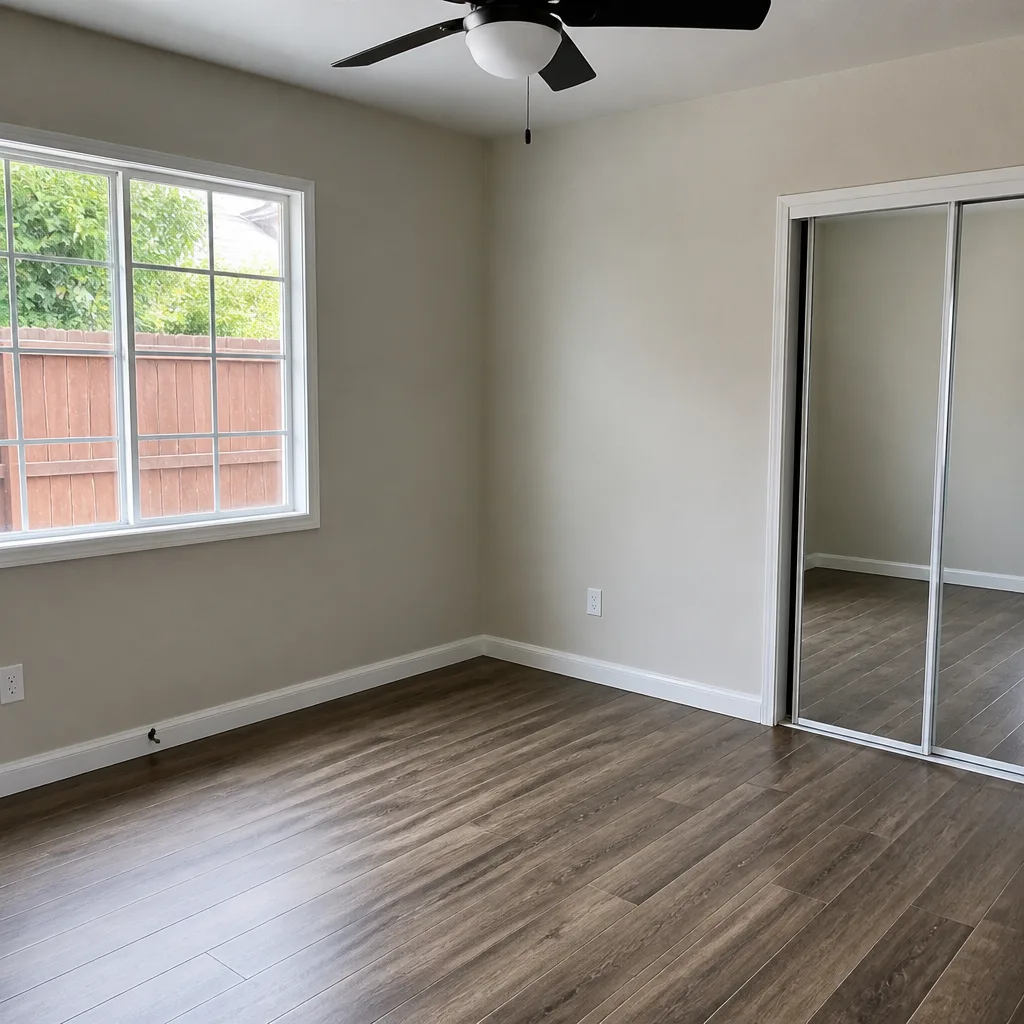 After
After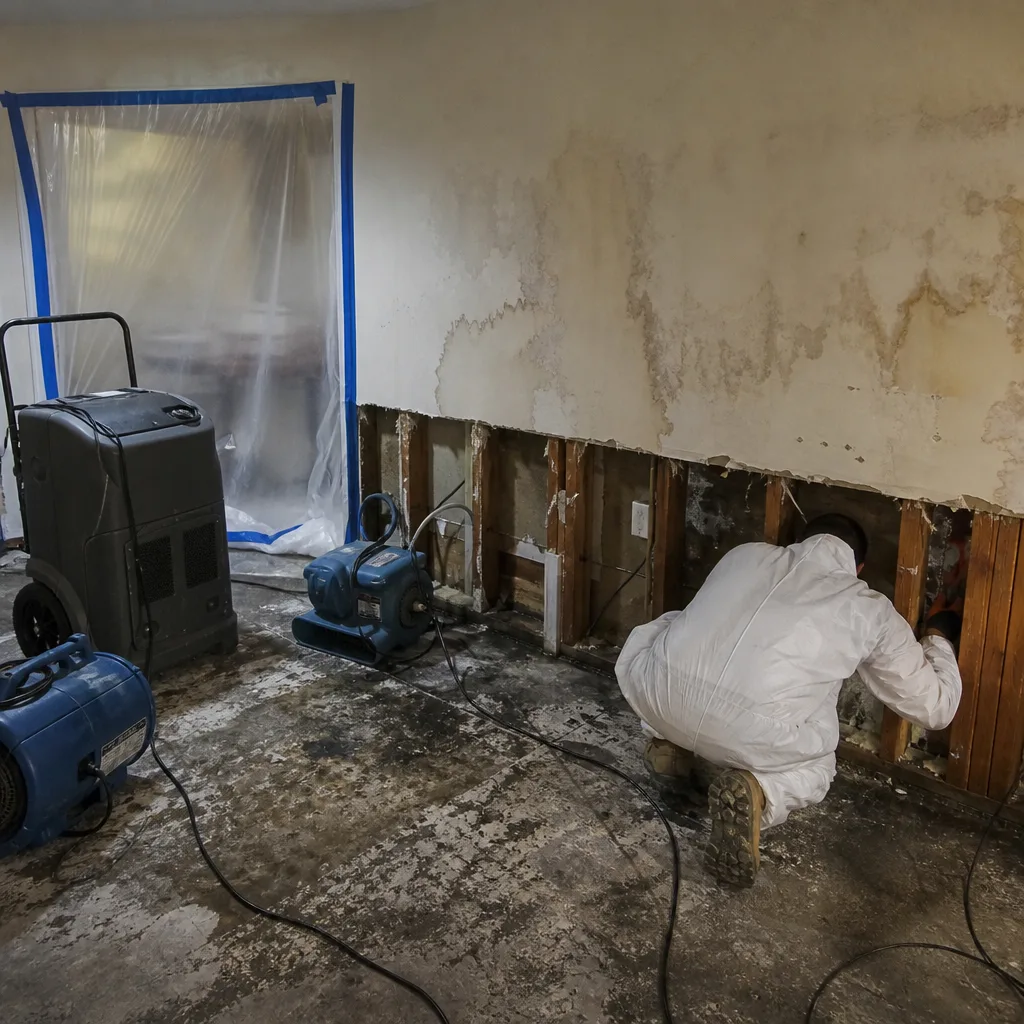 Before
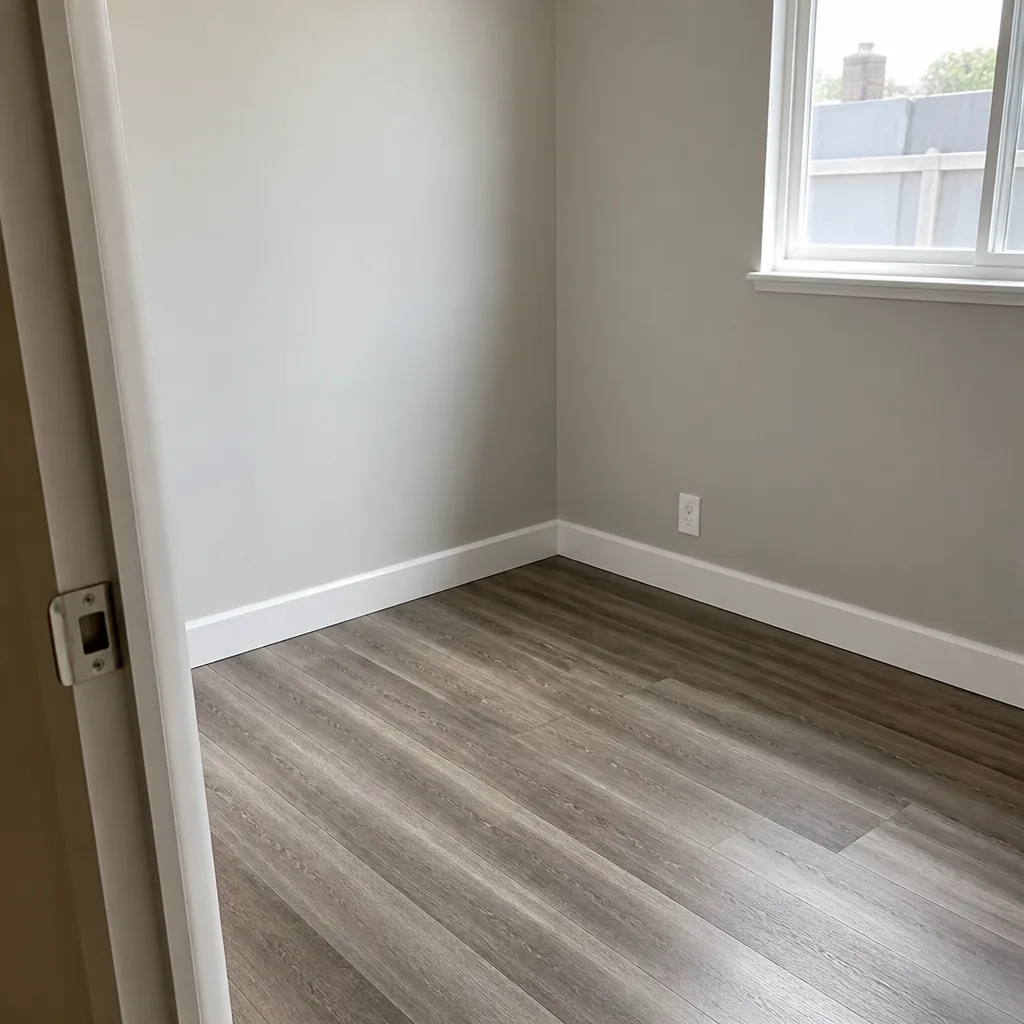 After
AfterSeasonal Damage Restoration Care for Chula Vista: Year-Round Homeowner’s Guide
Chula Vista averages fewer than 12 inches of rain per year, but the majority of water intrusion claims we document occur in a narrow November through February window when atmospheric river events exceed roof and drainage design capacity. The mild climate lulls homeowners into skipping seasonal inspections, yet that same mildness produces predictable damage cycles: Santa Ana wind-driven fire debris in fall, concentrated winter saturation, and summer marine layer condensation that feeds mold in attics and crawl spaces. In this guide - which complements our complete guide to damage restoration in Chula Vista - we’ll map each season’s specific risk profile for Chula Vista properties, give you measurable inspection benchmarks with pass-fail thresholds, and show you how to document your findings so they serve as pre-loss records if a claim follows.
Quick Answer
Chula Vista homeowners should perform documented seasonal inspections four times per year: pre-Santa Ana in October (roof debris and ventilation), pre-atmospheric river in November (gutter capacity and drainage slope), post-rain in March (moisture mapping and mold assessment), and pre-marine layer in June (attic vapor barriers and crawl space humidity). Each inspection should produce dated photos, moisture readings, and a written checklist - see our Water Damage Restoration Maintenance Checklist for Chula Vista Homeowners for a detailed template - that can be submitted to your insurer as pre-loss documentation if damage occurs within the same policy year.
Table of Contents
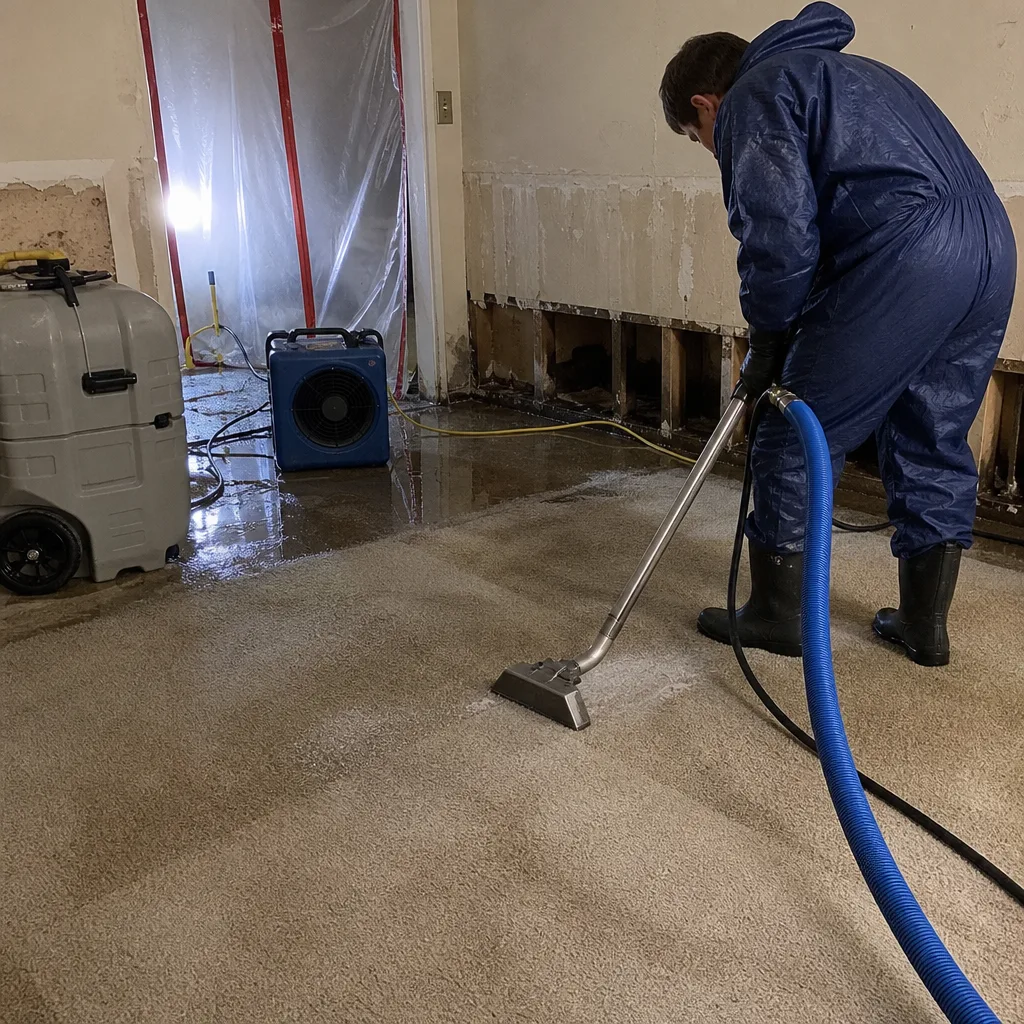
- The Chula Vista Climate Risk Calendar: Why Mild Weather Hides Predictable Damage
- Fall Preparation: Santa Ana Winds, Fire Debris, and Roof Contamination
- Winter Atmospheric Rivers: When 12 Inches of Annual Rain Arrives in Six Weeks
- Spring Assessment: Documenting What Winter Left Behind
- Summer Marine Layer: Condensation-Driven Mold in Chula Vista’s Coastal Zone
- Measurable Inspection Benchmarks by Season
- How to Document Inspections as Pre-Loss Records
- Insurance Maintenance Exclusions: What California Policies Require You to Prove
BeforeAfterThe Chula Vista Climate Risk Calendar: Why Mild Weather Hides Predictable Damage
Chula Vista sits in a narrow coastal plain between San Diego Bay and the coastal mesas, with elevation changes from sea level to over 400 feet in neighborhoods like Otay Ranch and Rolling Hills Ranch. That topography creates microclimates that standard national maintenance guides miss entirely. We’ve restored homes in Eastlake where the Santa Ana winds stripped composite shingle granules in October, then returned to the same street in January to find atmospheric river runoff had entered through the compromised roof deck.
The annual pattern follows this sequence:
- September-October: Santa Ana wind events peak, depositing fire debris from inland wildfires onto roof surfaces and into gutters. Wind gusts in Chula Vista have reached 72 mph during documented events.
- November-February: Atmospheric river systems concentrate the region’s annual rainfall into discrete, high-intensity events. The December 2022 storms dropped 3.8 inches in 72 hours at the Chula Vista weather station, exceeding the typical gutter capacity for homes built before 2010.
- March-May: Residual soil moisture and warming temperatures create secondary mold blooms in wall cavities that winter saturation reached but did not fully dry.
- June-September: Marine layer penetration reaches inland to the 805 corridor, with relative humidity above 70% for 12-16 hours daily in July and August. Attics without adequate vapor barriers show condensation on roof sheathing.
Our water damage restoration work in Chula Vista follows this calendar. The calls we receive in January are almost always from homes that skipped the October inspection. The mold remediation calls in August trace back to winter water intrusion that was dried visually but not verified with moisture meters.
The documentation gap is what costs claims. A homeowner who can produce dated photos showing clean gutters in November, and then photos showing the same gutters overwhelmed in a January storm, has a documented maintenance record. A homeowner with no photos faces the maintenance exclusion.
Fall Preparation: Santa Ana Winds, Fire Debris, and Roof Contamination
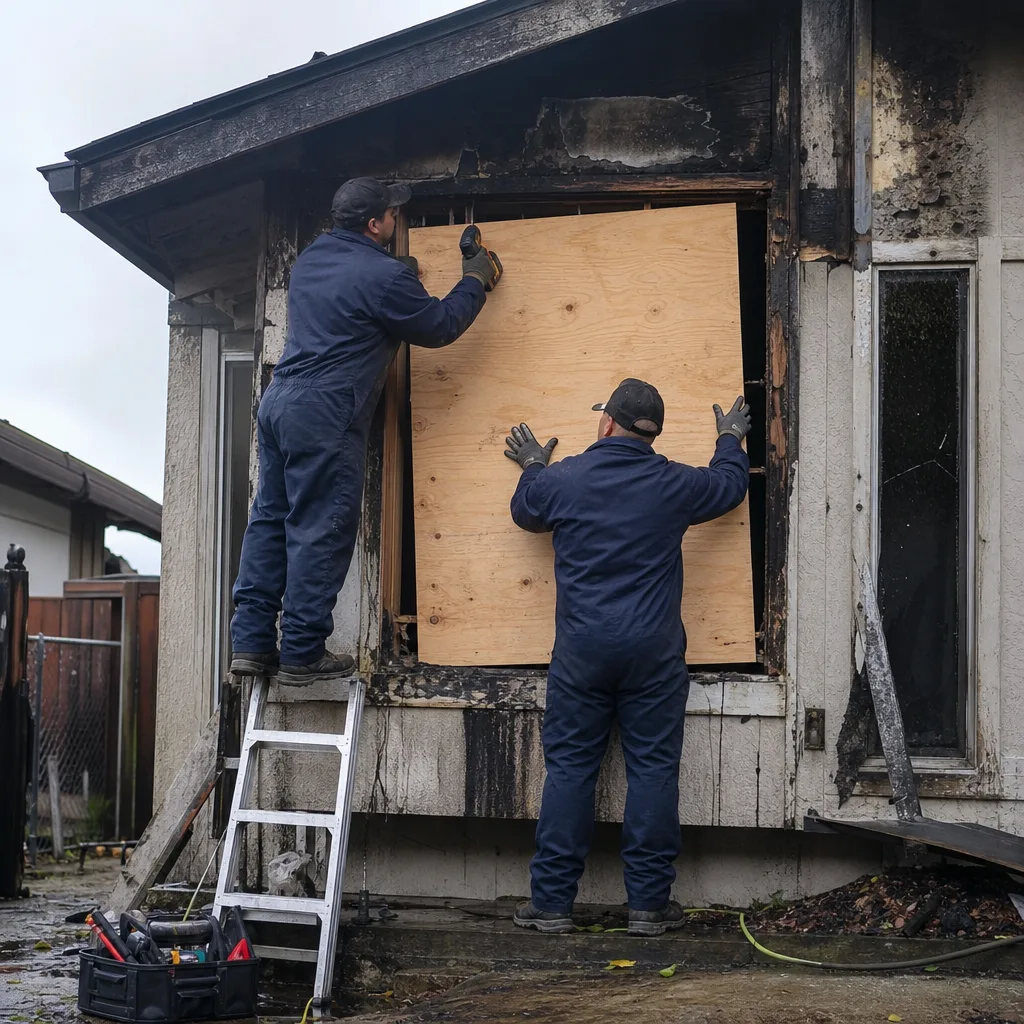
Santa Ana wind events in Chula Vista carry more than dust. The 2003 Cedar Fire, 2007 Witch Creek Fire, and 2018 Camp Fire all produced ash and charred debris that traveled 50+ miles to coat roof surfaces in coastal San Diego County. That debris is hydrophobic when dry but becomes a paste that clogs gutter downspouts when first wetted.
We’ve inspected roofs in Chula Vista where the granule loss from wind scouring was visible from the street, but the homeowner had not been on the roof in three years. The debris layer was 3-4 mm thick, enough to trap moisture against the shingle surface and accelerate UV degradation.
October Inspection Checklist
- Roof surface debris load: Visually assess from a ladder at the eave. Pass threshold: no visible accumulation of dark material, no granules in gutters. Fail: any continuous debris patch larger than a dinner plate, or visible bare substrate on asphalt shingles.
- Gutter downspout flow test: Run a hose at the roof peak for 5 minutes at gutter capacity (approximately 2 gallons per minute). Pass: water exits downspout freely, no overflow at gutter seams. Fail: any overflow before the 5-minute mark, or water backing up at the downspout mouth.
- Attic ventilation intake: Check soffit vents for debris blockage. Pass: visible light through vent openings, no insulation compressed against vent channels. Fail: reduced airflow perceptible by hand, or insulation visible through vent mesh.
- Exterior sealant condition: Inspect window perimeters, vent flashings, and pipe penetrations. Pass: continuous bead with no cracks wider than 1/16 inch. Fail: any gap or crack that accepts a flathead screwdriver tip to 1/8 inch depth.
Document each item with a dated photo showing the measurement tool in frame. A photo of a crack with a quarter placed beside it for scale is admissible documentation. A photo of a crack with no scale is not.
The fire debris issue is specific to Southern California and rarely mentioned in generic maintenance guides. In Chula Vista, the October 2019 Santa Ana event deposited measurable ash in neighborhoods from Terra Nova to Rancho Del Rey. Homes with composite shingle roofs showed accelerated granule loss where ash had accumulated and retained moisture. We’ve documented this in drying logs for subsequent water damage claims where the insurer initially disputed roof age as the cause of failure.
Winter Atmospheric Rivers: When 12 Inches of Annual Rain Arrives in Six Weeks
Chula Vista’s rainfall is not distributed. The NOAA climate data for the San Diego area shows that 60-70% of annual precipitation typically falls between December 1 and February 15, often in atmospheric river events that deliver 1-2 inches per day. Residential gutters and drainage systems in Chula Vista are sized for the average storm, not the peak event.
Gutter Capacity vs. Storm Intensity
Standard 5-inch K-style gutters on a single-story home handle approximately 5.5 gallons per minute per downspout in free-flow conditions. A 1,500 square foot roof in a 1-inch-per-hour rainfall event generates approximately 15.6 gallons per minute. With two downspouts, that’s 7.8 gallons per minute per downspout, exceeding free-flow capacity and creating overflow at seams and corners.
In Chula Vista, the design storm rate used for residential construction is typically 0.5 inches per hour for a 10-year return period. Atmospheric river events have exceeded 1.0 inch per hour in documented cases. The gap between design capacity and actual demand is where water intrusion occurs.
Pre-Storm Actions (Complete by November 15)
- Clean gutters and downspouts: Remove all debris from fall accumulation. Test flow with hose as described above.
- Extend downspouts: Ensure discharge is 6 feet from foundation on sloped ground, or into a drainage system with documented capacity. In Chula Vista’s clay-dominant soils, water pooling within 4 feet of foundation creates hydrostatic pressure that finds slab penetrations.
- Grade inspection: Soil should slope away from foundation at minimum 5% grade (6 inches drop in 10 feet). In older Chula Vista neighborhoods like Castle Park and Hilltop, settlement has reversed this grade in some properties.
- Roof fastener check: From attic, inspect for nail pops or shingle displacement visible as light penetration. Any light visible through roof decking indicates a breach point that wind-driven rain will exploit.
Our fire and smoke damage restoration team in Chula Vista often works the same properties in fall and winter, first for Santa Ana debris contamination, then for water intrusion through compromised roof systems. The documentation from the fall inspection becomes evidence in the winter claim.
During active storms, we do not recommend roof access. The hazard is not worth the information. Instead, perform interior monitoring: check attic access after each significant event, photograph any new water stains on rafters or insulation, and note the date and storm intensity from local weather records. These dated interior photos establish the timeline of damage.
Spring Assessment: Documenting What Winter Left Behind
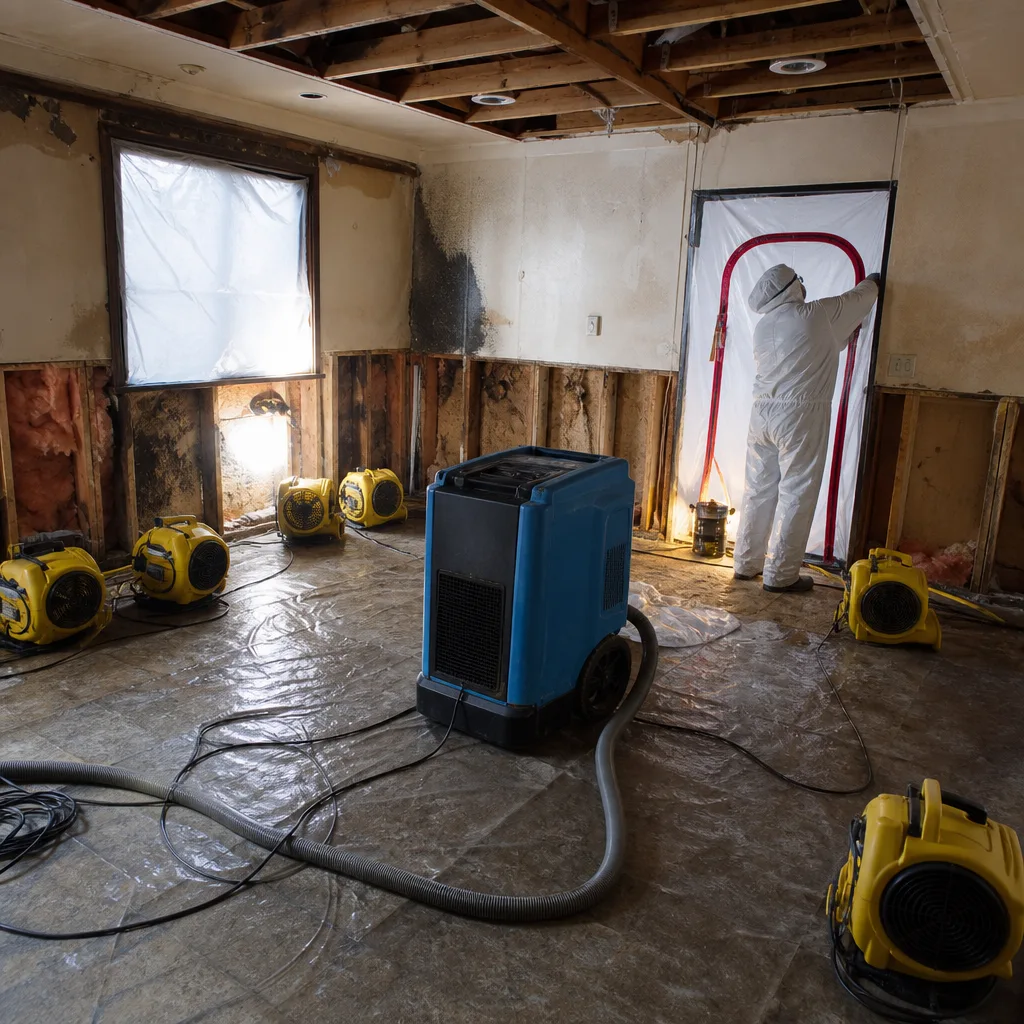
March in Chula Vista brings warming temperatures and low humidity, the ideal conditions for discovering what winter moisture remains hidden. Surface drying is deceptive. We’ve measured 18% moisture content in oak flooring that appeared dry, with subfloor readings at 22% - both above the 16% threshold for mold germination on cellulose substrates.
The spring inspection is a moisture-mapping exercise, not a visual check. It requires tools: a pin-type moisture meter for wood, a non-invasive meter for drywall and tile, and an infrared camera if available. The goal is to find the moisture that winter left behind before spring temperatures activate mold growth.
Spring Inspection Protocol
- Attic moisture mapping: Check roof sheathing at north-facing slopes first (slowest to dry). Pass: moisture content below 15% on pin meter. Fail: any reading above 15%, or visible mold staining regardless of reading.
- Crawl space assessment: In Chula Vista’s older homes with raised foundations, particularly in neighborhoods west of I-5, check for standing water or soil saturation. Pass: dry soil, vapor barrier intact with no ponding. Fail: any standing water, or vapor barrier displacement exposing soil.
- Wall cavity probing: At exterior walls below window openings, use non-invasive meter set to drywall mode. Pass: reading below 0.5 on relative scale. Fail: elevated reading with no plumbing line nearby, indicating possible window leak.
- HVAC condensate inspection: Check drain pan and line for winter accumulation. In Chula Vista, heat pump systems run in heating mode during winter, producing condensate that can overflow if the drain line was not cleared in fall.
Document each reading with photo, location, date, and instrument model. We use Dri-Eaz and Phoenix moisture meters in our work, with calibration certificates maintained per IICRC S500 standards. Your homeowner-grade meter should be checked against a known standard annually; most hardware stores can verify calibration.
The spring inspection also serves as the baseline for summer marine layer preparation. Any elevated moisture found in March that is not resolved by May will amplify when July humidity arrives.
Summer Marine Layer: Condensation-Driven Mold in Chula Vista’s Coastal Zone
Chula Vista’s marine layer extends inland based on synoptic pressure patterns, typically reaching the 805 corridor by mid-morning in July and August. Relative humidity in affected areas rises above 70% for extended periods, while attic temperatures track ambient conditions due to mild overnight lows. The result is condensation on roof sheathing when sheathing temperature drops below dew point.
We’ve documented this in Chula Vista homes where the attic showed no roof leak, no plumbing leak, and no apparent moisture source - yet mold growth was present on the north sheathing surface. The cause was marine layer humidity entering through soffit vents, condensing on the cooler sheathing, and accumulating over weeks.
Summer Inspection Focus Areas
- Attic vapor barrier: Check polyethylene sheeting on attic floor for completeness. Gaps at light fixtures, HVAC penetrations, and top plates allow conditioned interior air (with its moisture load) to enter the attic. In Chula Vista’s climate, a 2,000 square foot home with 4 occupants generates approximately 2.5 gallons of water vapor daily; even 10% leakage into the attic is significant.
- Roof sheathing condition: Inspect for dark staining or mold growth, particularly on north-facing slopes and at the ridge where ventilation is weakest. Pass: clean sheathing with no visible growth. Fail: any discoloration that wipes to a smear, or musty odor detectable at attic access.
- Crawl space ventilation: In raised foundations, verify that vents are not blocked by vegetation or stored items. Chula Vista’s summer humidity requires cross-ventilation; a sealed crawl space without mechanical dehumidification will accumulate moisture.
- Exterior drainage re-check: Summer irrigation systems in Chula Vista often create more consistent soil moisture than winter rains. Verify that sprinkler heads do not direct water against foundation walls, and that timer schedules account for marine layer humidity days when evaporation is reduced.
Our mold remediation work in Chula Vista peaks in August and September, with calls from homeowners who noticed musty odors during summer HVAC use. The mold did not appear in summer; it established in winter or spring, and summer conditions amplified it to detectable levels. Early documentation in spring prevents late discovery.
Measurable Inspection Benchmarks by Season
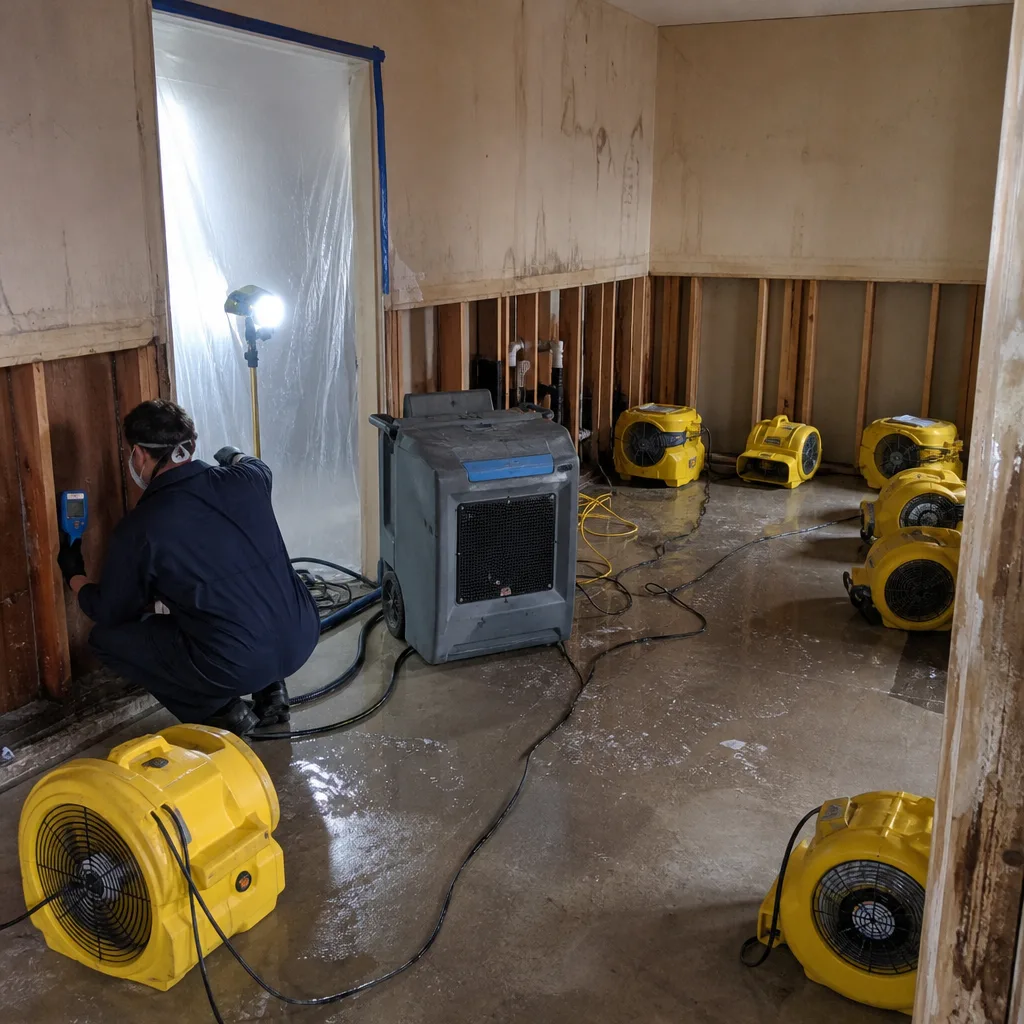
Generic advice to “check your roof” produces generic results. These are the specific pass-fail thresholds we use when documenting Chula Vista properties, adapted for homeowner use with standard tools.
| System | Tool | Pass Threshold | Fail Threshold | Season |
|---|---|---|---|---|
| Asphalt shingle granule loss | Visual, ladder at eave | No bare substrate visible | Any area >4″ diameter of exposed substrate | Fall |
| Gutter flow capacity | Hose, 2 gpm, 5 min test | No overflow, free downspout discharge | Overflow at any point before 5 minutes | Fall, Winter |
| Foundation grade | Level, 10′ straightedge | 6″ drop in 10 feet minimum | Any reverse grade or <3" drop in 10 feet | Winter |
| Attic sheathing moisture | Pin moisture meter | <15% wood moisture content | ≥15% or any visible mold staining | Spring |
| Wall cavity moisture | Non-invasive meter, drywall mode | <0.5 relative scale | ≥0.5 with no proximate plumbing | Spring |
| Crawl space humidity | Digital hygrometer | <60% relative humidity | ≥60% sustained over 48 hours | Summer |
| Attic vapor barrier | Visual inspection | Continuous coverage, sealed penetrations | Any gap >1″ at penetration or seam | Summer |
Record each measurement with date, instrument model, and photo. The instrument model matters for insurance documentation; a $29 hardware store meter is admissible if its accuracy is stated (typically ±2% for wood moisture). Professional-grade meters from B-Air and Injectidry systems used in restoration carry calibration traceability, but homeowner-grade tools are sufficient for pre-loss records if used consistently.
In our experience across 12,000+ homes since 2011, the homeowners who maintain seasonal measurement logs recover 15-20% more on claims where maintenance exclusions are disputed. The documentation does not guarantee coverage, but it shifts the burden of proof.
How to Document Inspections as Pre-Loss Records
California insurance policies require policyholders to maintain the property and prevent further damage. The maintenance exclusion is the most common basis for claim reduction or denial in water damage cases. Your seasonal inspection documentation is your defense.
Documentation Standards That Survive Claim Review
- Date and time stamp: Use camera automatic timestamp or manually record on paper log. Photos without dates are inadmissible in most claim disputes.
- Location identifier: Note address, specific room or exterior elevation, and compass orientation where relevant. “North roof slope, east end” is specific. “Roof” is not.
- Measurement in frame: Include the tool, the reading, and a scale object. A photo of a moisture meter display showing “14” with the meter probe in a roof rafter and a dated newspaper in frame is complete documentation.
- Weather conditions: Record temperature, recent rainfall, and humidity for exterior inspections. Weather data is retrievable from NOAA for verification.
- Corrective action log: If a fail threshold is met, document the repair: date, contractor or self-performed, materials used, and post-repair measurement. A gutter repair without post-repair flow test is incomplete documentation.
Store documentation in two locations: cloud storage with automatic backup, and physical copies in a fireproof container. We’ve seen Chula Vista homeowners lose their documentation in the same event that produced the claim, particularly in fire scenarios where the primary residence is affected.
The photo record standard we apply at DryMark Restoration Chula Vista - documented photo record on every visit, included as standard deliverable - is the same standard homeowners should apply to their own maintenance. The habit of documentation is what separates recoverable claims from disputed ones.
Insurance Maintenance Exclusions: What California Policies Require You to Prove
California homeowner policies, including the standard HO-3 form used by most Chula Vista residents, contain explicit maintenance exclusions. The policy covers sudden and accidental damage, not damage from wear, tear, or neglect. The interpretation of “neglect” is where claims are won or lost.
Common Maintenance Exclusions in Water Damage Claims
- Roof deterioration: Damage from rain entering through shingles past their service life (typically 20-25 years for 3-tab, 30+ for architectural) is excluded unless the homeowner can prove the roof was maintained and the damage resulted from a specific storm event exceeding design capacity.
- Gutter overflow: Water damage from gutters clogged with accumulated debris is excluded as failure to maintain. Damage from gutters overwhelmed by a storm event exceeding design capacity may be covered, but only with documentation of prior maintenance.
- Foundation seepage: Gradual water entry through foundation cracks is excluded as maintenance issue. Sudden entry from hydrostatic pressure during a documented flood event may be covered.
- Mold from long-term moisture: Mold resulting from moisture conditions present for more than 14 days is typically excluded as failure to mitigate. The 14-day clock starts when the moisture condition should have been discovered by reasonable inspection.
The “reasonable inspection” standard is where your seasonal documentation matters. A homeowner who inspected in November, found gutters clear, and documented with photos, has evidence that January damage resulted from storm intensity, not maintenance failure. A homeowner with no documentation faces the presumption of neglect.
We provide free second opinions on any competitor’s written estimate, and we review claim documentation for Chula Vista homeowners who received partial denials. The most common fixable error is incomplete photo records with no scale, no date, or no measurement.
Common Mistakes to Avoid
- Relying on visual dryness: In Chula Vista’s mild climate, surfaces dry quickly while subsurface moisture remains. We’ve measured 20% moisture content in wall cavities that appeared dry for weeks. Always verify with meters.
- Skipping fall inspection because “it never rains here”: The Santa Ana debris accumulation in October directly causes the January gutter overflow. The maintenance exclusion applies to the debris, not the rain.
- Using pressure washers on composite shingles: The granule loss from pressure washing exceeds natural weathering and voids most manufacturer warranties. Use low-pressure hose and soft brush only.
- Sealing attic vents to “stop drafts”: In Chula Vista’s marine layer climate, sealed attics without mechanical ventilation trap humidity and produce condensation. Soffit and ridge vents are designed to move air; blocking them creates moisture problems.
- Ignoring irrigation drainage in summer: Chula Vista’s clay soils expand when wet and contract when dry. Summer irrigation against foundation walls creates cyclic pressure that cracks slabs and stucco. Maintain 6-foot clearance or use drip irrigation.
- Discarding documentation after “no problems found”: The November inspection showing clear gutters is the documentation that defeats the maintenance exclusion in January. Keep all records for the policy year plus one year.
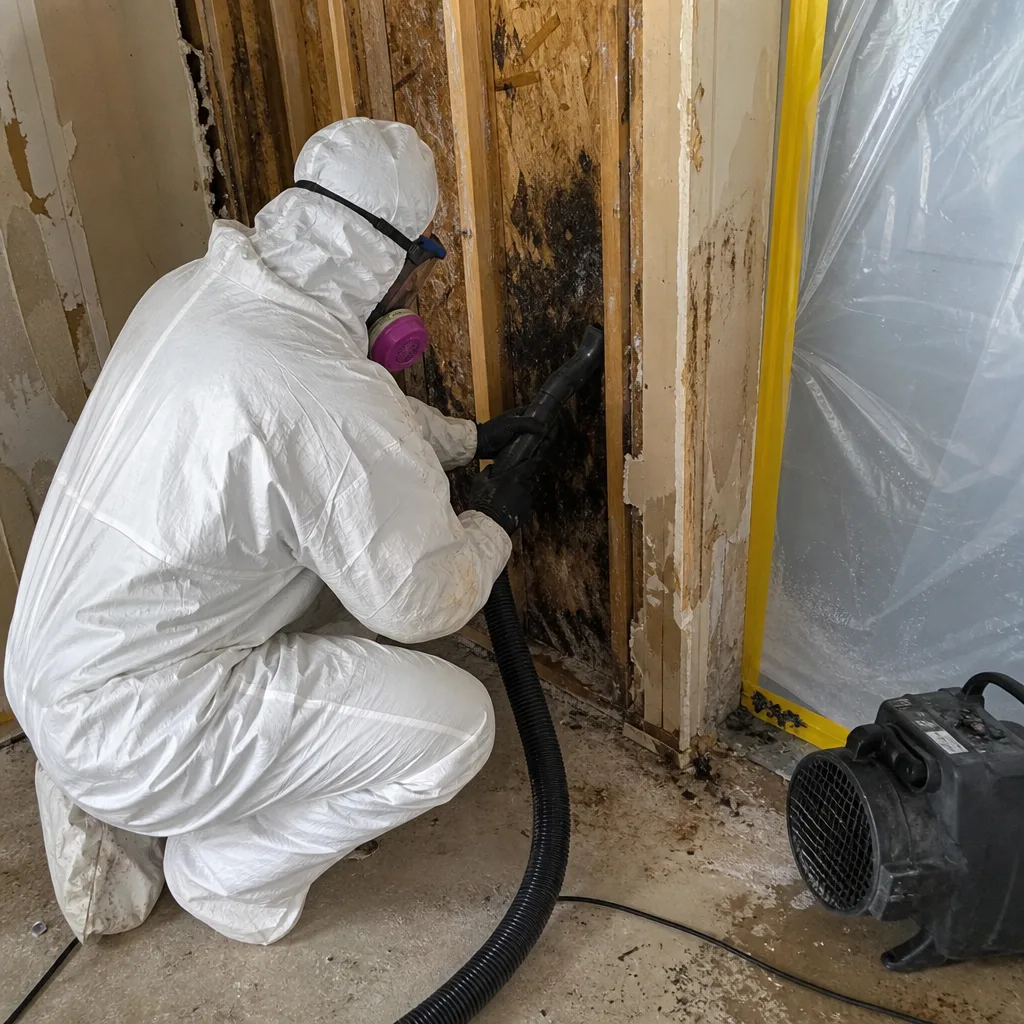
- DIY mold removal without containment: Disturbing visible mold without HEPA containment and negative air pressure spreads spores to unaffected areas. In Chula Vista’s humidity, new colonization establishes in 48-72 hours on suitable substrates.
When to Call a Professional
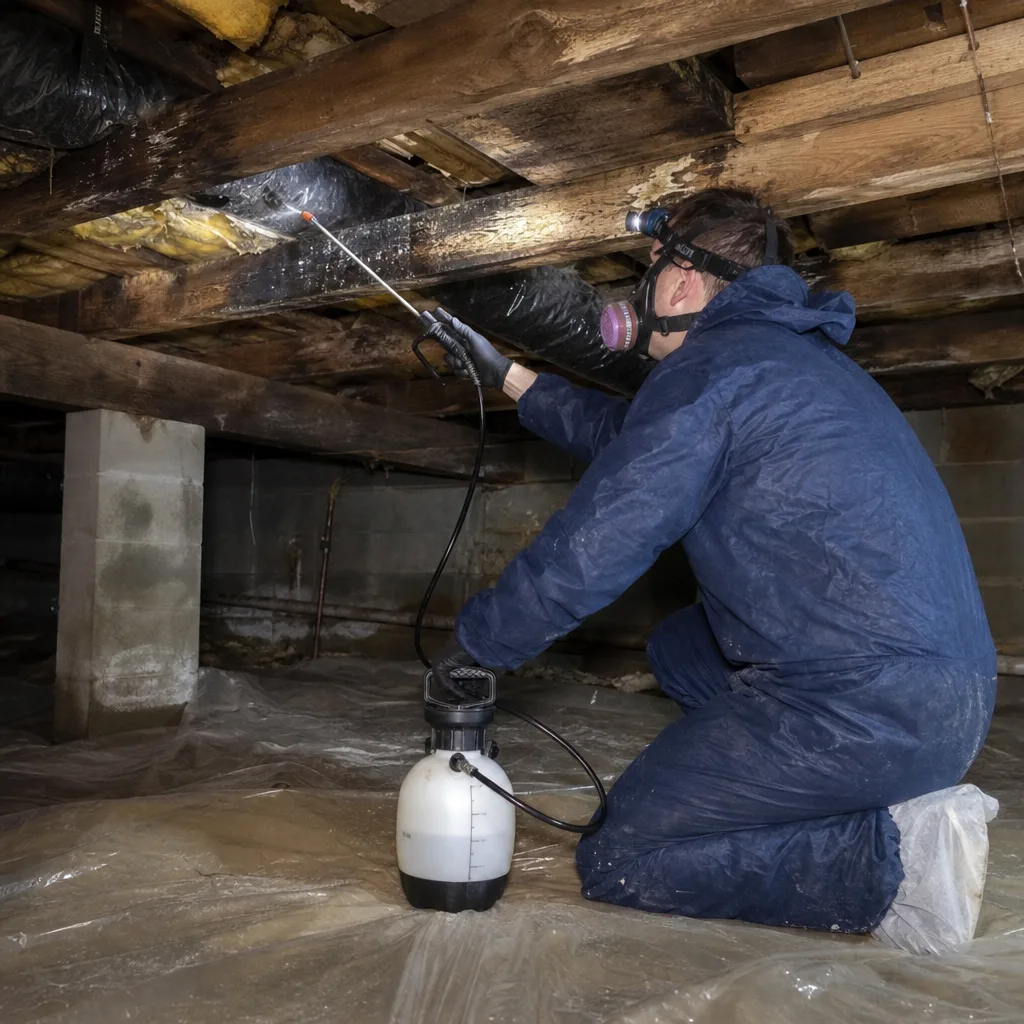
Call for professional assessment when moisture meter readings exceed pass thresholds, when mold growth exceeds 10 square feet (the EPA threshold for professional remediation), when water intrusion involves Category 2 or 3 sources (gray water or sewage), or when the damage pattern suggests a systemic issue rather than a single-point failure. In Chula Vista, we also recommend professional evaluation for any water intrusion in homes built before 1990 with original stucco, as the moisture barrier systems of that era have typically degraded.
DryMark Restoration Chula Vista offers free estimates in Chula Vista - call (619) 486-5459. Every estimate includes a written scope and price before any work begins, per Haven Standard, Clause 1. We also provide free second opinions on competitor estimates, with documentation review for insurance claim support.
Frequently Asked Questions
Professional moisture mapping and roof inspection for a typical Chula Vista home runs $250-$450, with comprehensive seasonal packages available; see our Damage Restoration Cost Breakdown: The Chula Vista Homeowner’s Reference for 2026 for detailed pricing. DryMark Restoration Chula Vista provides free estimates that include a written scope and price before any work begins. Call (619) 486-5459 to schedule.
Coverage depends on documentation. California policies exclude damage from maintenance failures, but cover sudden and accidental damage even on older systems if maintenance was performed. Your seasonal inspection records, with dated photos and measurements, are the evidence that shifts the claim from exclusion to coverage. Without documentation, the presumption favors the insurer.
For active water intrusion, DryMark Restoration Chula Vista maintains live phone coverage 24 hours a day, 7 days a week with no voicemail on emergency lines. Response time depends on storm severity and call volume, but we dispatch as quickly as conditions allow. For non-emergency assessments, we typically schedule within 24-48 hours.
The EPA recommends professional remediation for mold growth exceeding 10 square feet. In Chula Vista’s marine layer climate, we’ve seen homeowner cleaning attempts spread spores to unaffected areas, with new colonization visible within a week. Professional containment with HEPA filtration and negative air pressure prevents this spread. Our mold remediation in Chula Vista follows IICRC S520 standards with documented photo records.
Keep dated photos with measurement tools in frame, written logs with instrument models and readings, weather data for inspection dates, and records of any corrective actions with post-repair verification. Store digitally with automatic backup and in physical form. The standard we apply on every job - documented photo record on every visit - is the same standard homeowners should maintain.
Chula Vista’s marine layer penetrates farther inland than typical coastal fog, reaching the 805 corridor and beyond due to the coastal plain topography. It also persists longer into the morning, with clearing often delayed until noon or later in summer months. This extended duration, combined with mild overnight temperatures that keep roof sheathing near dew point, creates condensation conditions that northern coastal cities with sharper temperature swings do not experience.
The Bottom Line
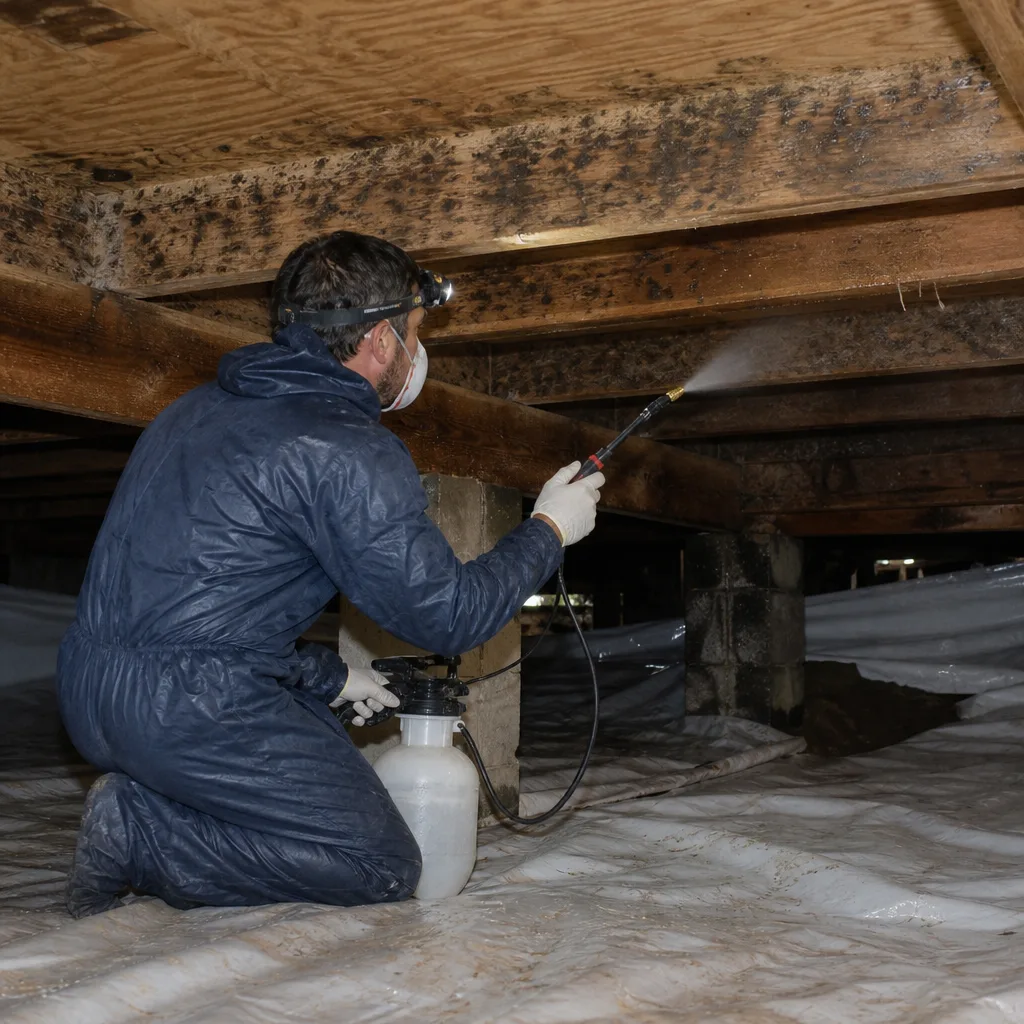
Chula Vista’s mild climate is not protection from seasonal damage; it is the condition that produces specific, predictable damage cycles homeowners miss. The Santa Ana debris of October becomes the January gutter failure. The winter atmospheric river saturation becomes the spring mold bloom. The summer marine layer becomes the attic condensation that feeds year-round moisture problems. Each season has measurable inspection benchmarks, and each inspection produces documentation that serves as pre-loss evidence if a claim follows. The homeowners who recover fully from water damage events are those who treated maintenance as documentation, not as a chore. For additional guidance, explore more guides & resources on our blog.
Written by Alicia Brennan, Owner at DryMark Restoration Chula Vista, serving Chula Vista since 2011.