
Last updated September 23, 2026
Free visual inspection and a written scope of work before any mitigation begins - photos, moisture readings, and drying logs go in your claim file
The scope we write is the scope we bill. Anything new gets shown to you, in writing, before we touch it.
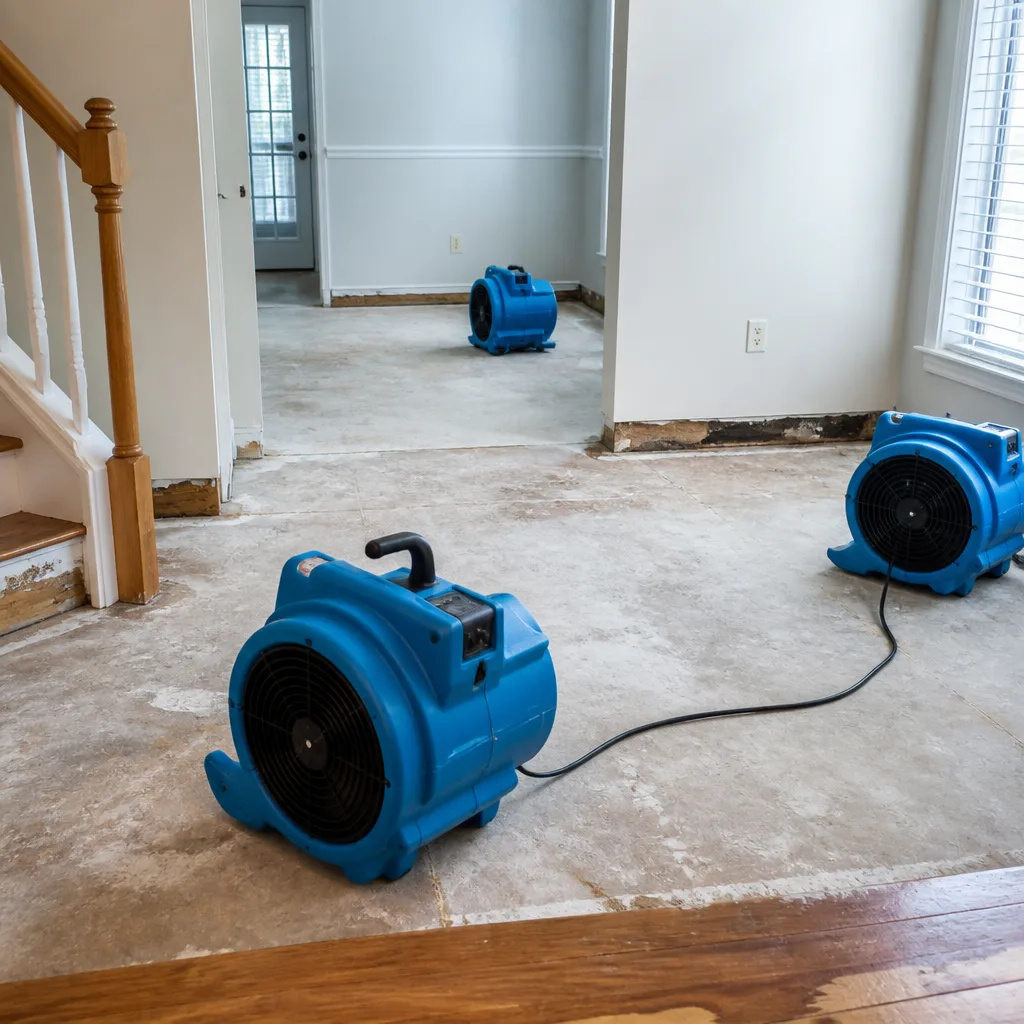
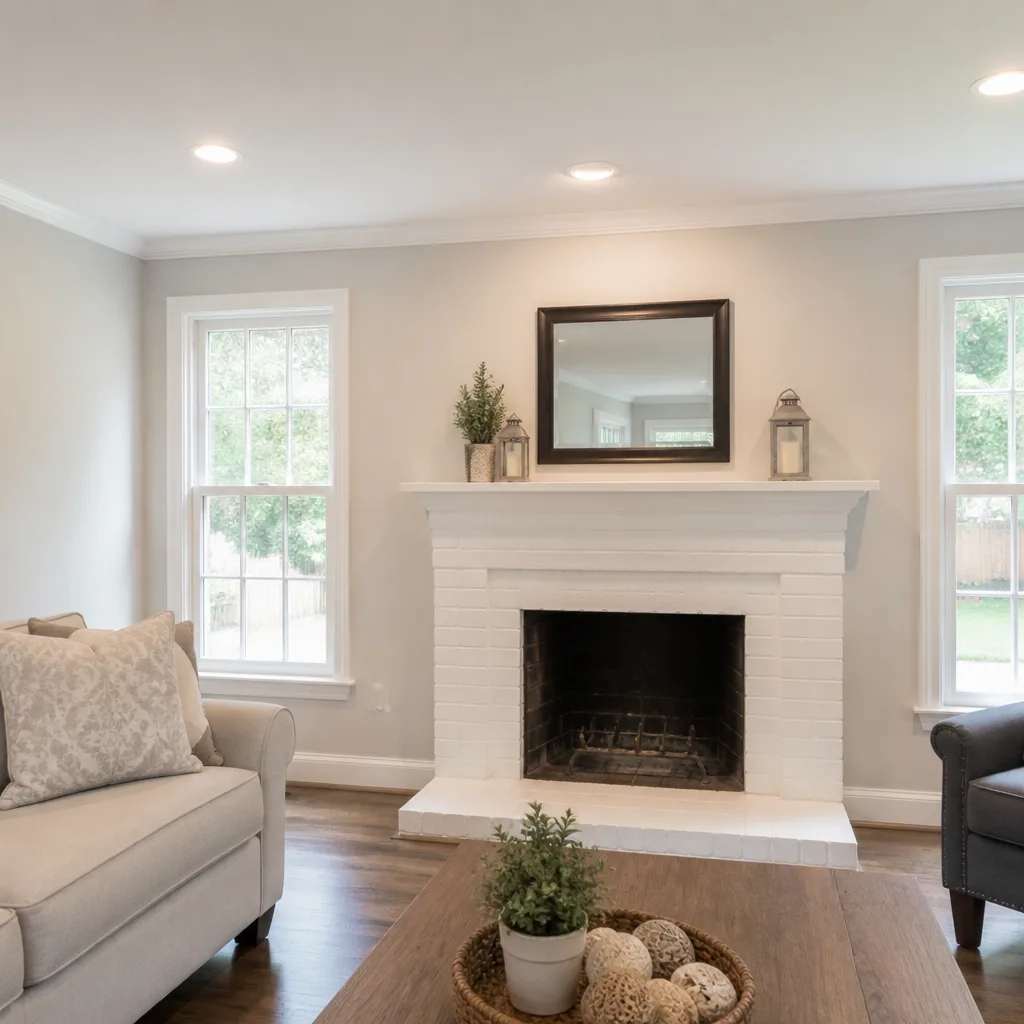
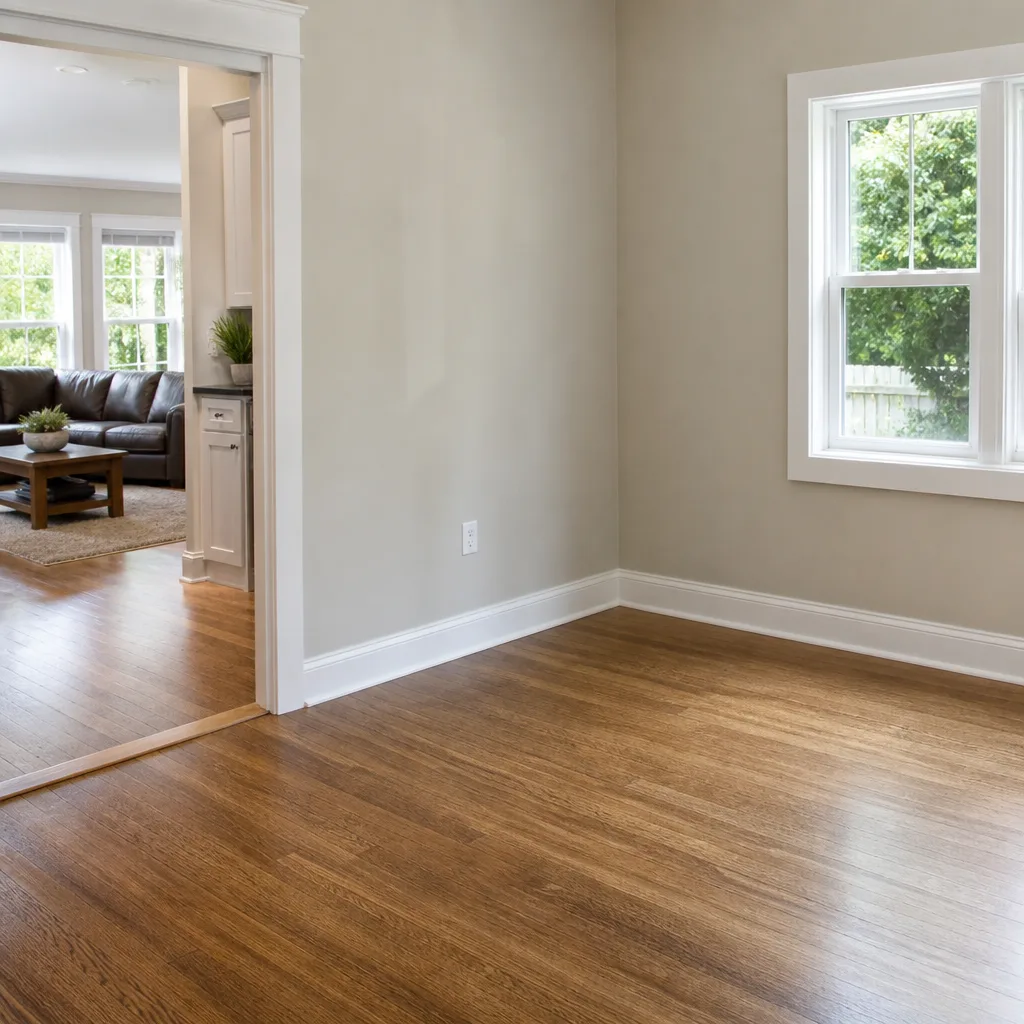

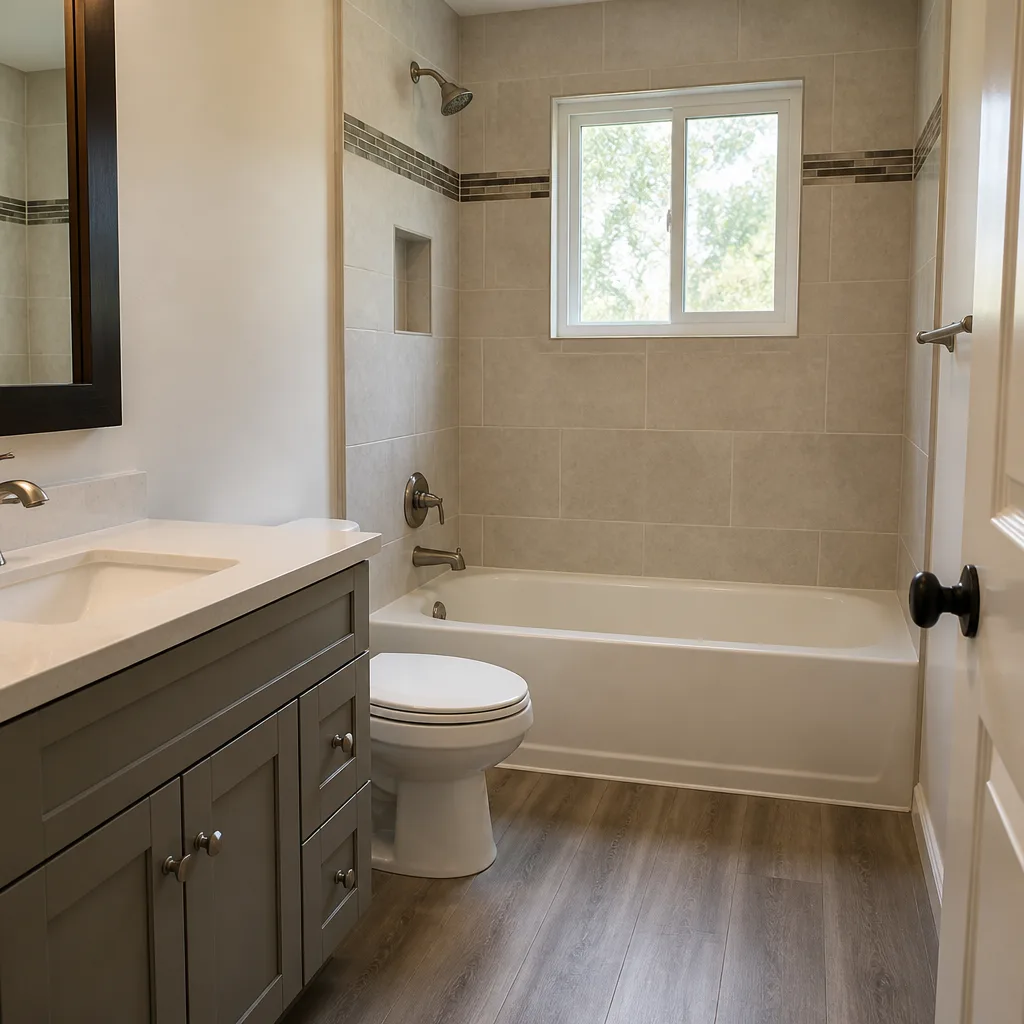
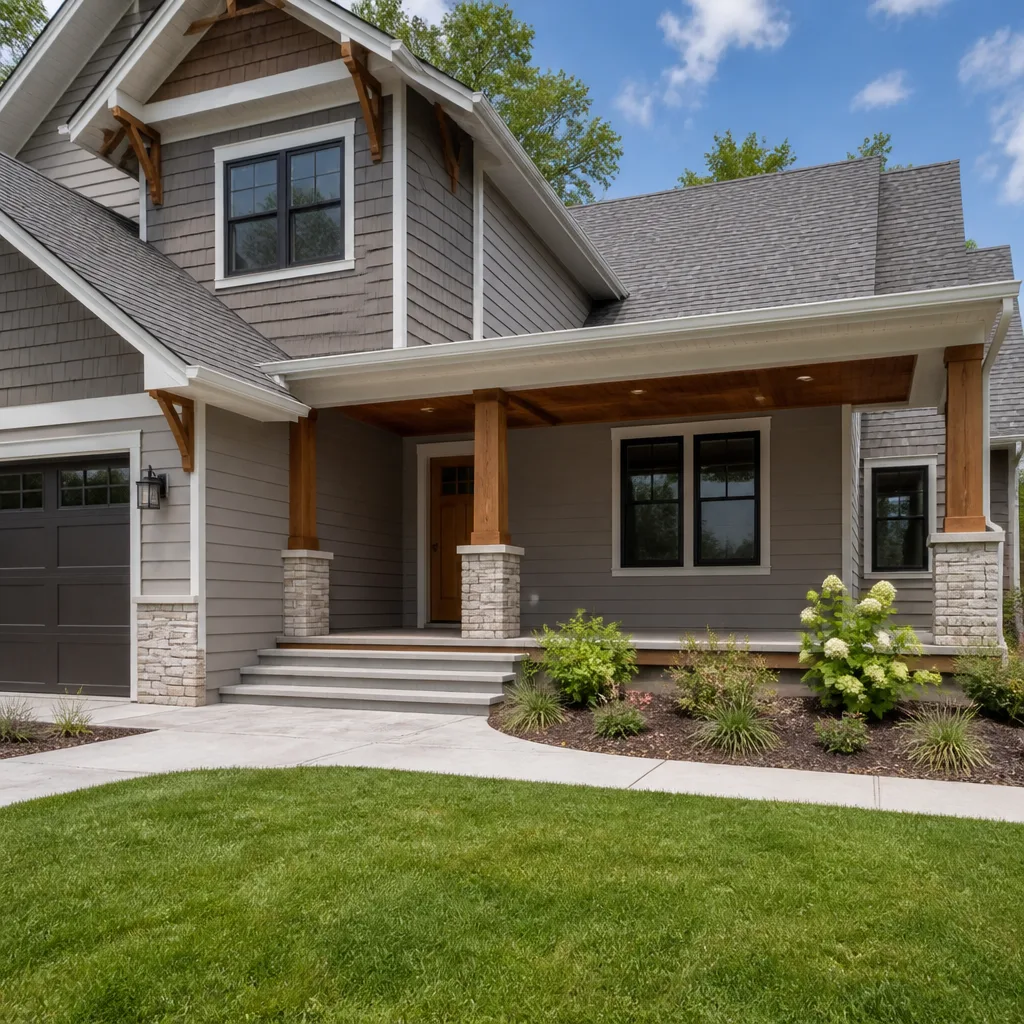
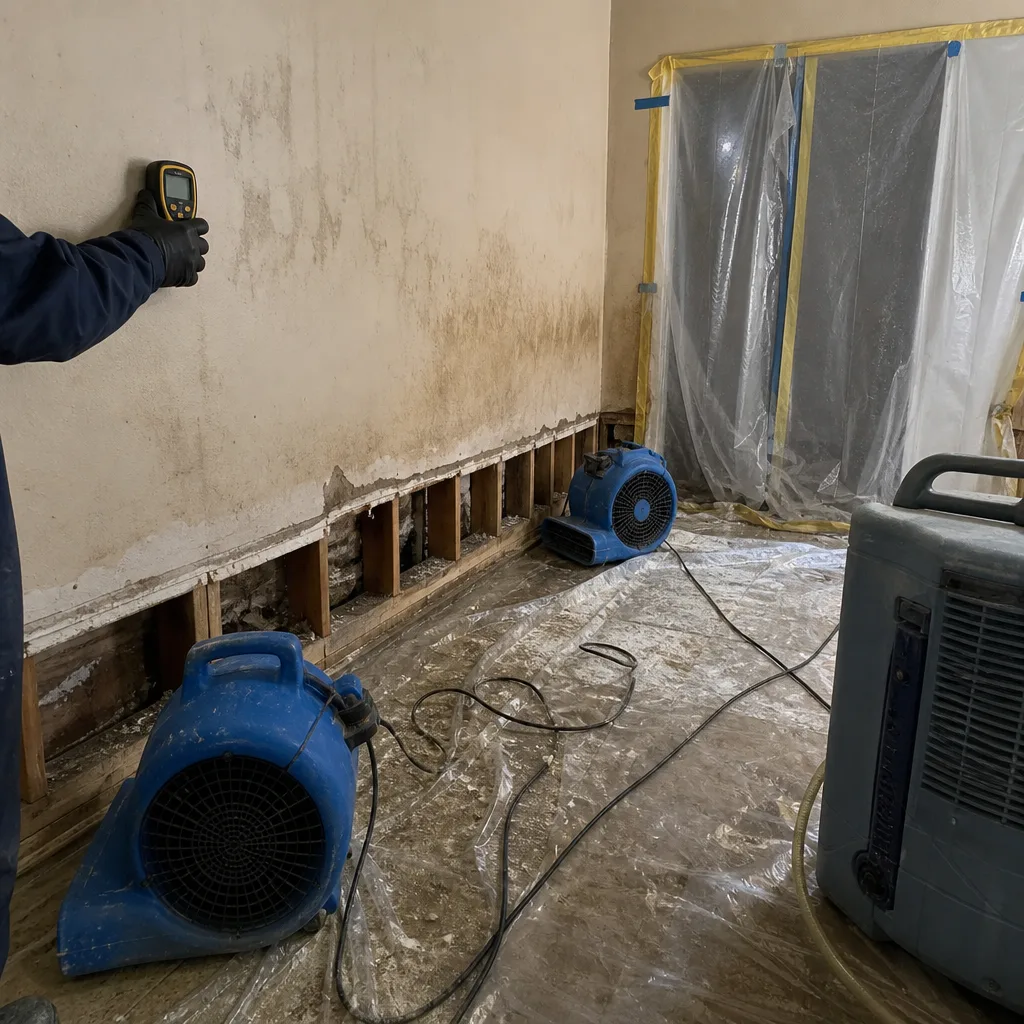 Before
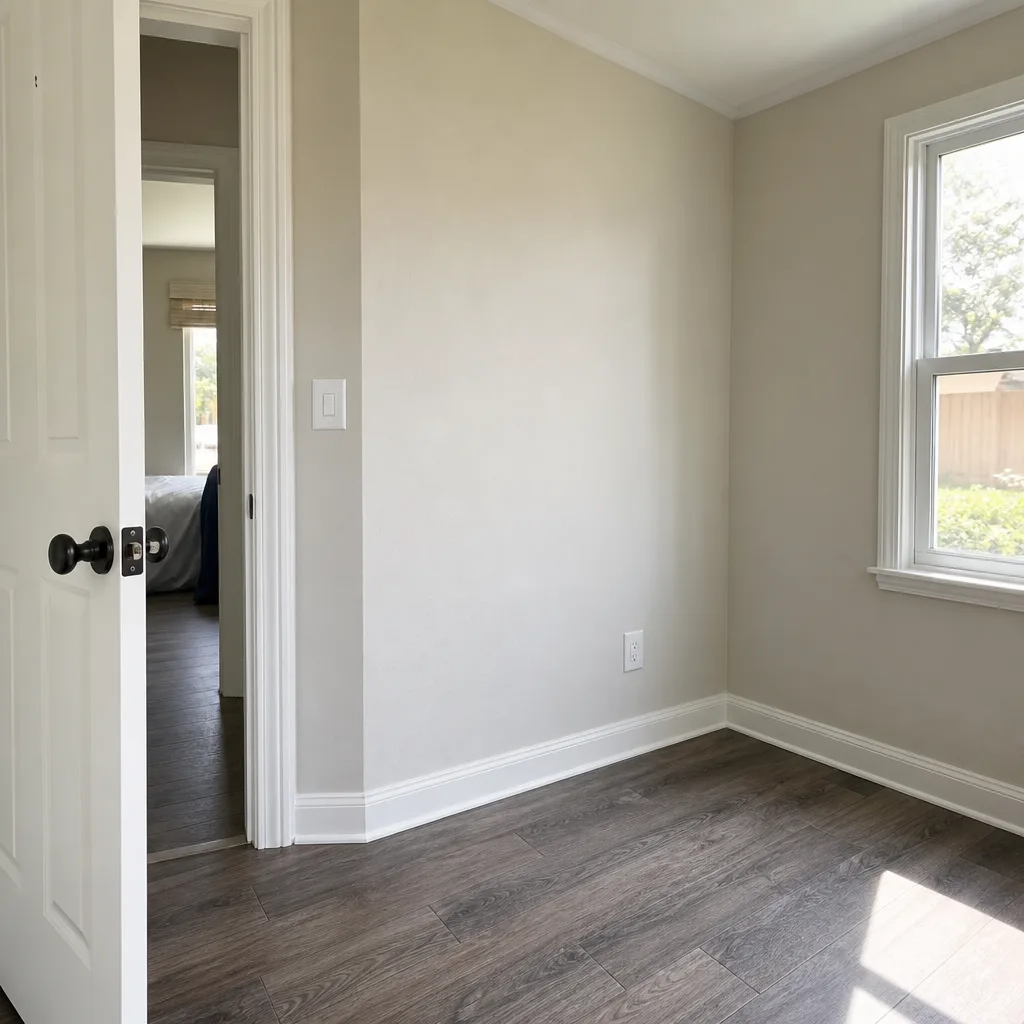 After
After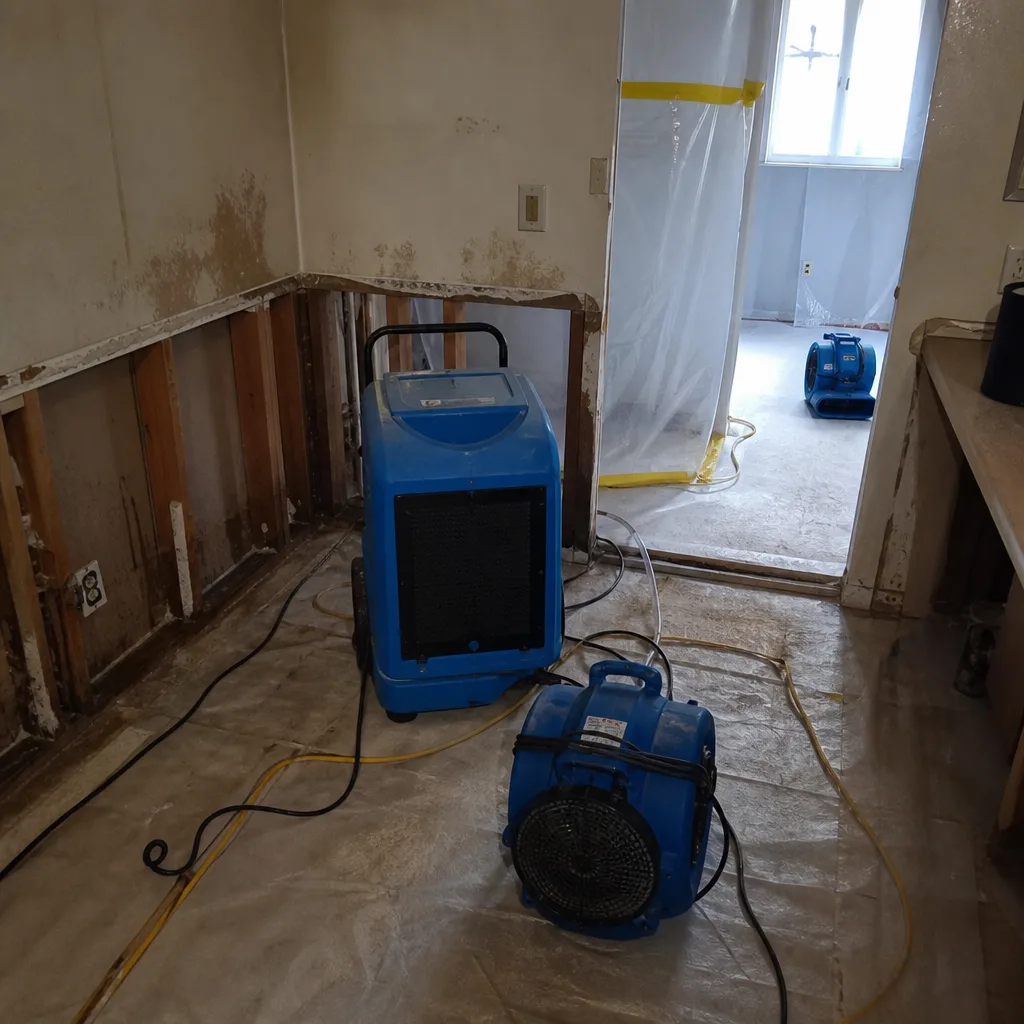 Before
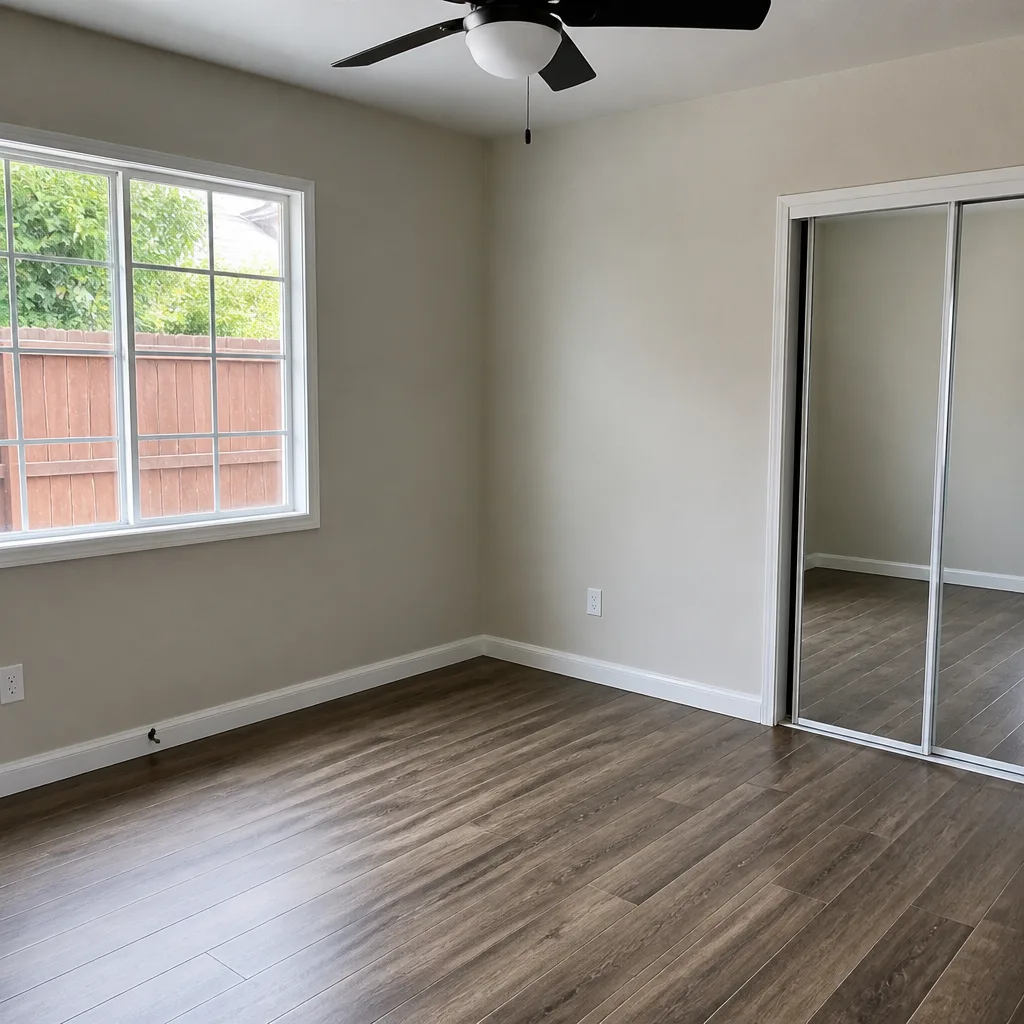 After
After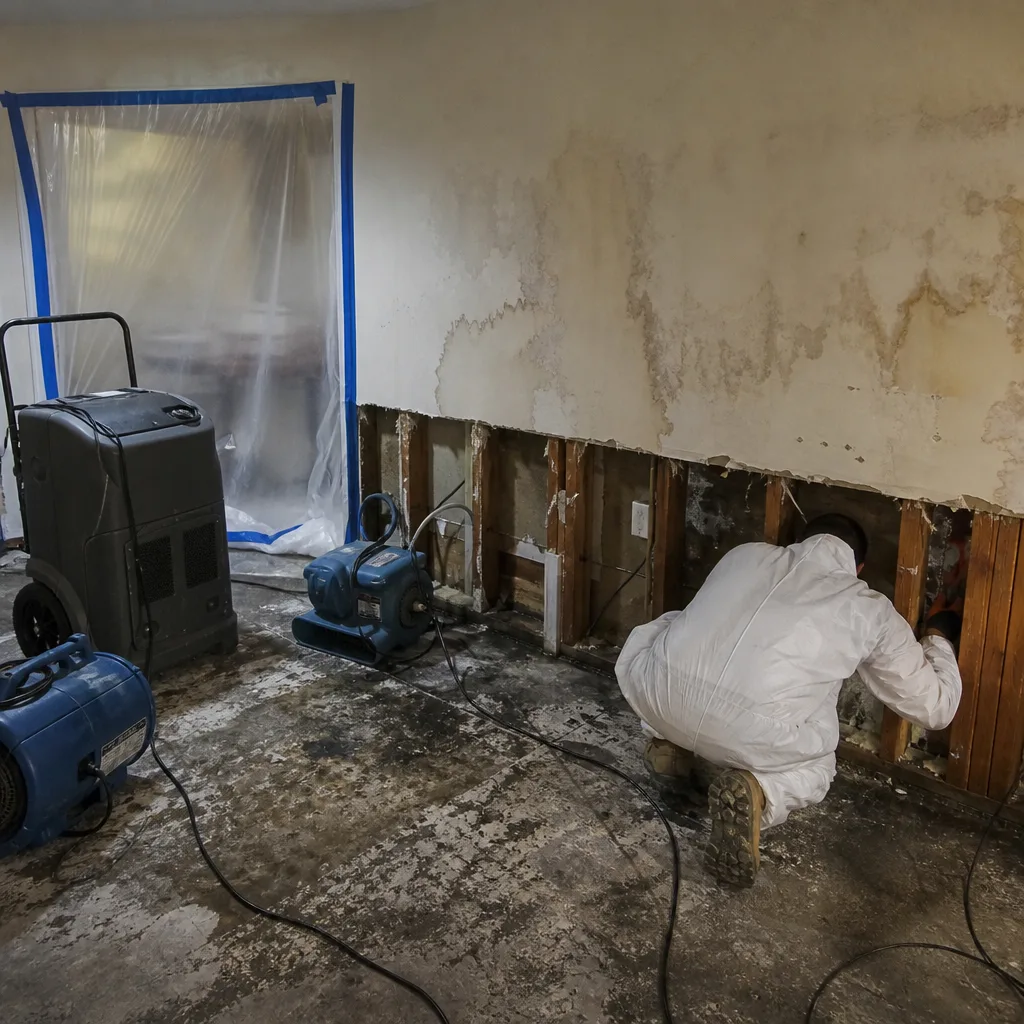 Before
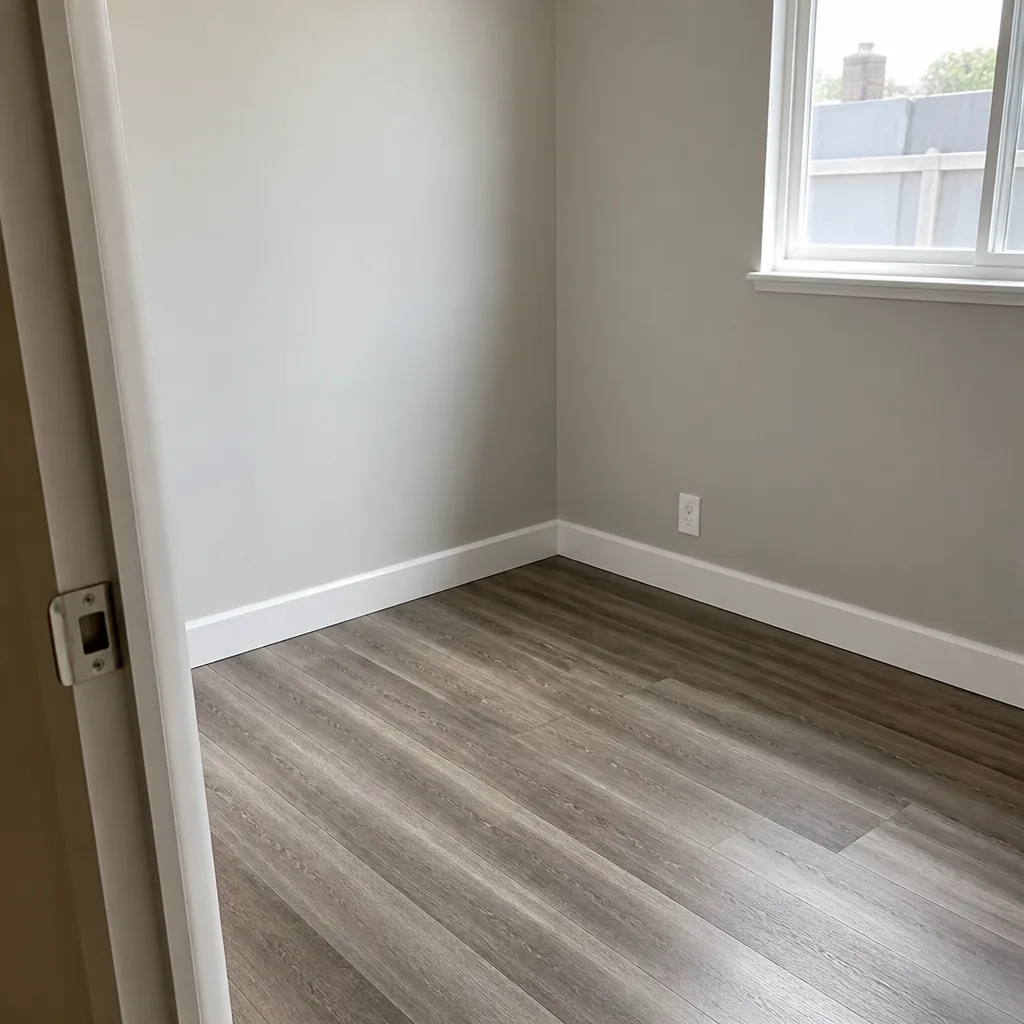 After
AfterDamage Restoration Permits, Codes & Inspections in CA: What You Need to Know
In California, replacing more than 50% of a roof surface requires a permit regardless of cause - a restoration contractor who skips it isn’t saving you time, they’re creating a disclosure liability you’ll carry to your next sale. We’ve seen this exact scenario in Chula Vista’s Otay Ranch and Eastlake neighborhoods, where homeowners discovered unpermitted post-storm repairs during pre-listing inspections, forcing them to either retroactively permit the work or discount their sale price by tens of thousands. This guide maps the specific permit triggers in California restoration work so you know when to demand a permit number before anyone starts demolition, and you can explore more guides & resources for related topics.
Quick Answer
California restoration work requires a building permit when it involves structural repairs, electrical or plumbing system modifications, drywall replacement exceeding one wall or 100 square feet, or roof surface replacement exceeding 50% of total area. In Chula Vista, emergency restoration permits can be issued within 24-48 hours through City Development Services, while standard permits take 10-15 business days. A final inspection sign-off from the city provides a recorded legal closure that a contractor’s completion certificate cannot match, and insurers increasingly require this documentation for claim finalization.
Table of Contents
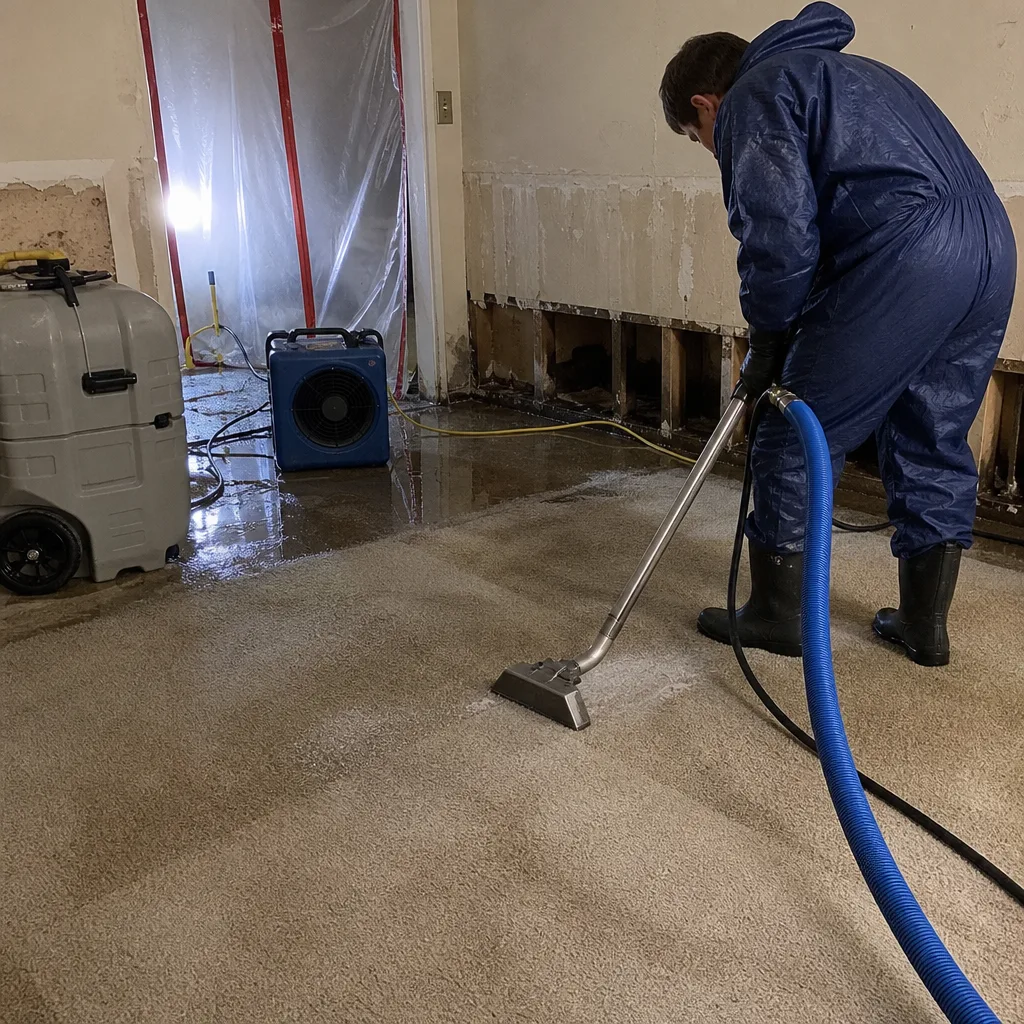
- When Restoration Work Triggers a Permit Requirement
- How Chula Vista Processes Emergency vs. Standard Restoration Permits
- What Final Inspection Sign-Off Provides That a Completion Certificate Cannot
- CSLB Contractor Responsibility vs. Homeowner Liability for Unpermitted Work
- How to Request a Permit History for Your Address
- Permit Requirements by Damage Type: Water, Fire, Mold, Storm
- Documentation Standards That Satisfy Both Code Officials and Adjusters
- Common Mistakes to Avoid
- When to Call a Professional
- Frequently Asked Questions
- The Bottom Line
BeforeAfterWhen Restoration Work Triggers a Permit Requirement
California Building Code (CBC) and the California Residential Code (CRC) establish clear thresholds where restoration crosses from maintenance into regulated construction. Most homeowners assume permits apply only to new builds or major renovations. In our experience documenting over 12,000 restoration jobs since 2011, the majority of permit violations occur because neither the homeowner nor the contractor recognized the threshold until an inspector flagged it later.
Here are the specific triggers that require a building permit for restoration work in California:
- Structural drying and material replacement: When water damage requires removal and replacement of structural elements - subflooring, wall studs, ceiling joists, or roof sheathing - a permit is required. Surface drying with equipment like Dri-Eaz or Phoenix dehumidifiers does not trigger this, but once you cut into a wall cavity and replace framing, you’re in permit territory.
- Drywall replacement: The CBC threshold is one wall or 100 square feet of drywall replacement, whichever is less. In a typical Chula Vista single-family home built 1995-2015, a water-damaged bedroom with mold behind the drywall often exceeds this threshold once you account for the shared wall surface and ceiling.
- Electrical system exposure: Any restoration work that exposes electrical wiring, requires temporary disconnection of circuits, or replaces outlets, switches, or fixtures after water or fire damage requires an electrical permit. This includes the common scenario where Injectidry or B-Air drying systems require outlet access behind baseboards.
- Plumbing modifications: Repair or replacement of supply lines, drain lines, or fixtures after water damage requires a plumbing permit. In Chula Vista’s older neighborhoods like Castle Park or Rancho del Rey, galvanized supply lines that fail during a water event often trigger full replacement requirements.
- Roof surface replacement: The 50% rule is absolute. Replace more than half your roof surface area, even after storm damage, and you need a permit. This includes matching replacement after tree impact or wind uplift.
- HVAC system work: Replacement of ductwork, air handlers, or condensate lines after water or fire damage requires mechanical permits. Mold remediation that involves duct cleaning alone typically does not, but duct replacement does.
The critical distinction: emergency mitigation - extracting water, setting drying equipment, applying antimicrobial treatments - generally does not require permits. The line crosses when you begin reconstruction: removing and replacing building materials rather than drying them in place. A contractor who blurs this distinction to avoid permit delays is not doing you a favor.
In Chula Vista specifically, the combination of coastal moisture intrusion and Santa Ana wind-driven rain means we see frequent roof and exterior wall damage that sits right at permit thresholds, as covered in our Damage Restoration Warning Signs: A Chula Vista Homeowner’s Reference Guide. A contractor familiar with local conditions knows when to flag the requirement before demolition begins.
How Chula Vista Processes Emergency vs. Standard Restoration Permits
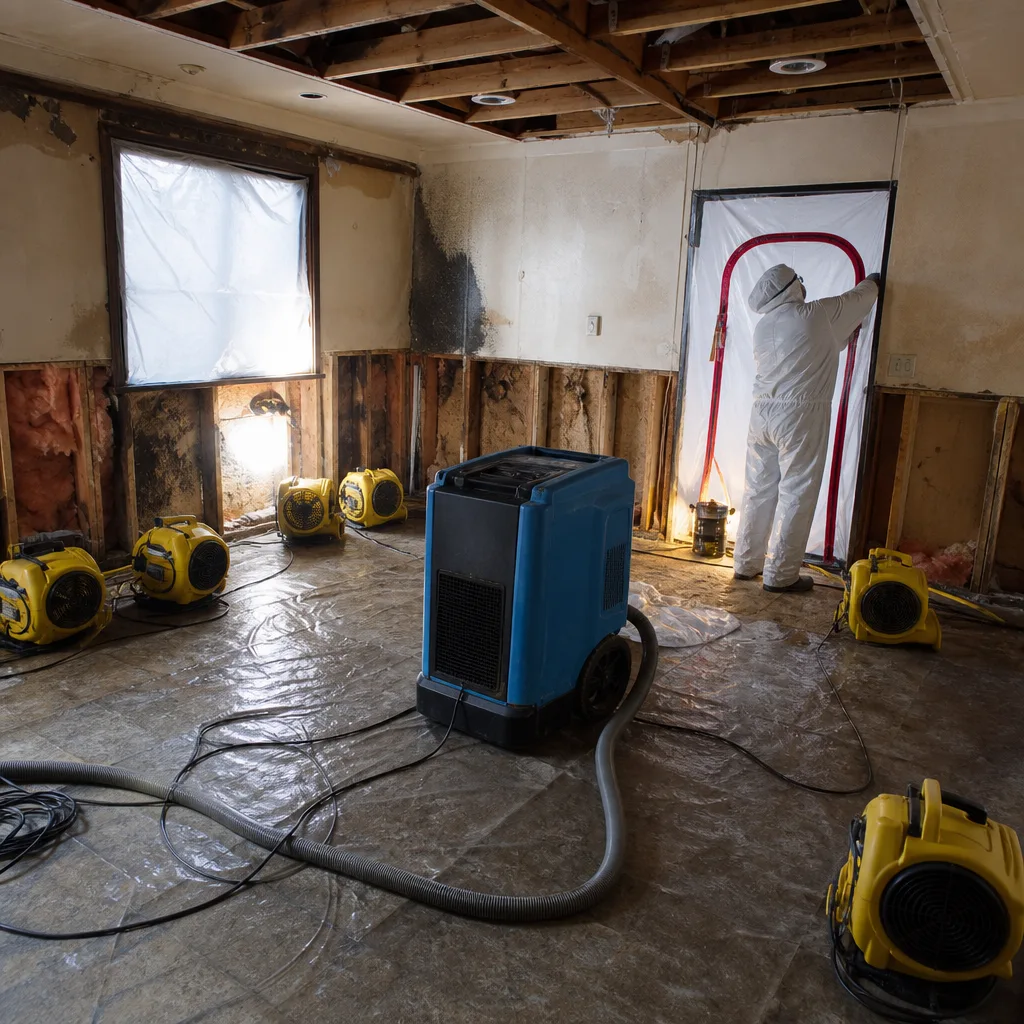
Chula Vista’s City Development Services department operates under San Diego County’s broader regulatory framework but maintains its own permitting timeline and inspection scheduling. Understanding the difference between emergency and standard permit tracks can save days of drying time - or cost you thousands if you guess wrong.
Emergency Restoration Permits
When a structure is unsafe for occupancy or ongoing damage threatens structural integrity, Chula Vista Development Services can issue an emergency permit within 24-48 hours. Qualifying scenarios include:
- Post-fire structural compromise where roof or wall systems require immediate shoring
- Water damage with active structural drying where mold growth exceeds 10 square feet and requires containment with negative air pressure
- Storm damage with exposed electrical systems or compromised weatherproofing
- Sewage backup requiring removal of contaminated structural materials
The emergency permit process requires:
- A licensed contractor’s signed statement describing the immediate hazard
- Photographic documentation of the damage condition
- A preliminary scope of work limited to hazard mitigation
- Application of the full permit fee, with plans submitted within 30 days of emergency authorization
We’ve processed emergency permits in Chula Vista’s Rolling Hills Ranch and Terra Nova areas following storm events. The 24-48 hour window assumes the contractor submits complete documentation on first contact. Incomplete applications restart the clock.
Standard Restoration Permits
Non-emergency restoration permits in Chula Vista typically process in 10-15 business days for residential work. This timeline applies to:
- Planned reconstruction after mitigation is complete
- Cosmetic repairs that don’t threaten immediate safety
- Whole-room remodels following fire or smoke damage where the structure is otherwise sound
The standard process requires full construction plans, contractor license verification through the California State License Board (CSLB), and payment of plan check fees. For restoration work, the plan check often focuses on structural adequacy and code compliance of replacement materials rather than aesthetic review.
A critical detail: Chula Vista allows “phased permitting” for restoration projects where mitigation must precede full reconstruction scope definition. This means your contractor can pull a demolition and drying permit first, then submit reconstruction plans after the full damage is exposed. Not all contractors know this option exists, and those who don’t may either delay emergency work unnecessarily or skip permitting entirely.
What Final Inspection Sign-Off Provides That a Completion Certificate Cannot
This distinction matters more than most homeowners realize until they’re selling their home or filing a subsequent insurance claim.
A contractor completion certificate is a document generated by the restoration company stating that work was performed according to the agreed scope. It carries no regulatory weight. It is not filed with any government entity. It cannot be verified independently. In our documentation-first approach, we provide these certificates as standard deliverables, but we never present them as equivalent to municipal inspection.
A final inspection sign-off from Chula Vista Development Services is a recorded, searchable public document. It means a city inspector personally verified that:
- Work was performed according to approved plans
- Materials meet California Building Code standards
- Structural elements are properly installed and secured
- Electrical, plumbing, and mechanical work was performed by appropriately licensed subcontractors
- The work does not create code violations in adjacent systems
Here’s why insurers increasingly require the latter: a completion certificate proves work happened. A final inspection proves work met code. When a subsequent claim arises - water damage in the same area two years later, for instance - insurers use permit history to determine whether prior repairs were performed to standard. Unpermitted work can void coverage for subsequent damage on the theory that substandard repairs contributed to the new loss.
We’ve documented this scenario repeatedly. A homeowner in Chula Vista’s Sunbow neighborhood had a second water loss in a previously repaired bathroom. The insurer denied the new claim after discovering the original contractor had replaced subflooring and plumbing without permits. The homeowner faced $14,000 in uncovered repairs because the original contractor prioritized speed over documentation.
The Haven Standard, Clause 1 requires a written price before work begins. We add to this: when permits are required, we obtain them and schedule inspections as part of that written scope, with permit numbers documented in the job file that we share with your adjuster.
CSLB Contractor Responsibility vs. Homeowner Liability for Unpermitted Work
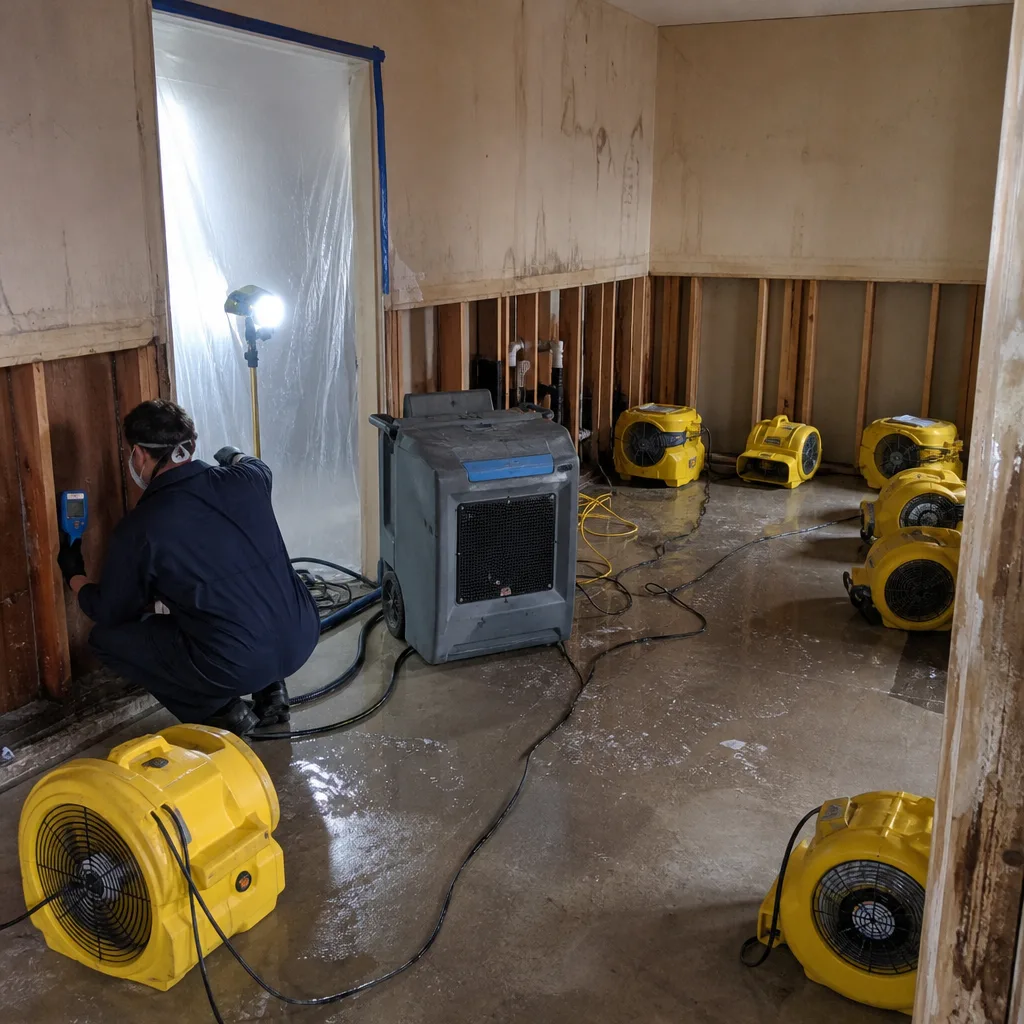
California law places the primary duty to obtain required permits on the licensed contractor performing the work. Business and Professions Code Section 7110 requires CSLB licensees to “obtain all building permits and other permits required by law.” This seems straightforward. The practical reality is more complicated.
When unpermitted work is discovered, enforcement action typically targets the contractor - fines, license discipline, even suspension for willful violations. But the homeowner carries the practical burden:
- Resale disclosure: California Civil Code Section 1102 requires sellers to disclose material facts affecting property value. Unpermitted restoration work qualifies. Failure to disclose can result in post-sale liability to the buyer.
- Insurance complications: As noted above, insurers increasingly review permit history for subsequent claims. Unpermitted work can be excluded as a contributing factor.
- Retroactive permitting costs: If you discover unpermitted work and want to clear it before sale, Chula Vista may require opening walls, removing finishes, or re-exposing work for inspector verification. This often costs more than the original repair.
- Code compliance upgrades: Work performed without permit may have met code at the time but triggers current-code requirements when retroactively permitted. We’ve seen this with electrical panels and plumbing fixtures in Chula Vista homes built before 1995.
The CSLB maintains a license lookup tool where homeowners can verify contractor standing and complaint history. We recommend checking this before hiring any restoration contractor, and again if you suspect unpermitted work was performed by a previous owner.
Alicia Brennan built Back to Dry’s documentation protocols specifically to prevent these liability gaps. When we perform restoration work in Chula Vista, permit numbers are recorded in the job file, inspection appointments are scheduled before work begins, and final sign-offs are delivered with the completion packet. This isn’t extra service. It’s standard practice under The Haven Standard.
How to Request a Permit History for Your Address
Before hiring any restoration contractor - or when evaluating a home purchase - you can and should review the permit history for the address, as detailed in our How to Hire a Damage Restoration Contractor in Chula Vista: A Step-by-Step Guide. This is free, public information, and it reveals patterns that no contractor disclosure can replace.
Step-by-Step: Chula Vista Permit History Request
- Online search (fastest): Visit Chula Vista’s Development Services portal and use the “Permit History” search function by property address or APN (Assessor’s Parcel Number). Records typically extend to the mid-1990s.
- In-person request: Visit Development Services at 276 Fourth Avenue, Chula Vista, CA 91910. Staff can provide printed permit histories and associated inspection records. Bring the property address and, if available, the APN from your property tax statement.
- What to review: Look for permits with descriptions including “repair,” “restoration,” “water damage,” “fire damage,” “mold,” or “remodel.” Note whether each permit shows a “Final” inspection status. Open or expired permits without final inspection indicate incomplete work.
- Cross-reference with contractor claims: If a seller or previous owner claims restoration work was performed, verify the permit exists and closed properly. Missing permits for claimed work is a red flag requiring further investigation.
- Request related inspection records: For closed permits, you can request the inspection notes, which detail what the inspector verified. These sometimes reveal conditions that were concealed by subsequent finishes.
In Chula Vista’s older neighborhoods - Castle Park, Harborside, and parts of Hilltop - we regularly find permit gaps where previous owners performed “cosmetic” repairs over significant damage. The current owner inherits that liability. A permit history search before purchase negotiation has saved several of our clients from properties with undisclosed restoration histories.
For properties with extensive restoration work, we also recommend requesting the Certificate of Occupancy history, which confirms the property was approved for its current use after any major modifications.
Permit Requirements by Damage Type: Water, Fire, Mold, Storm
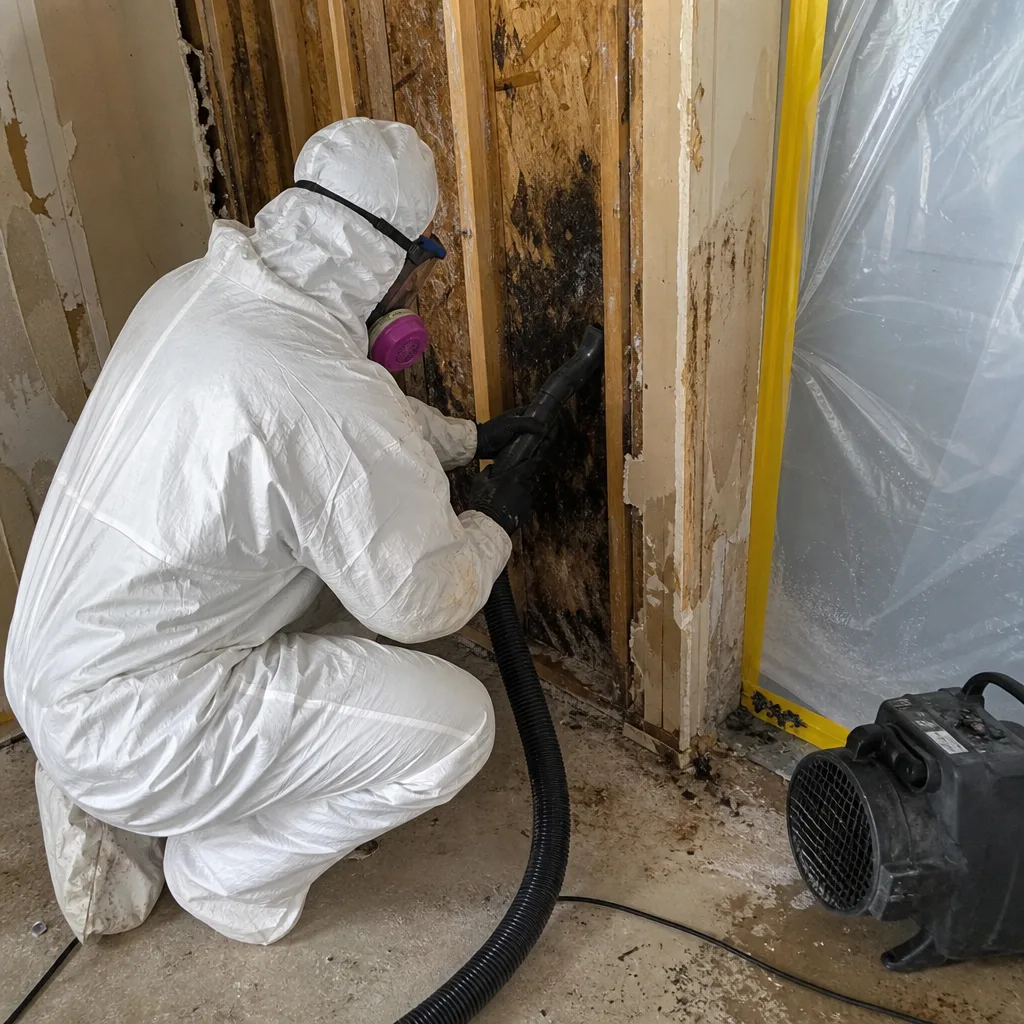
Each damage category carries distinct permit triggers based on the systems affected and the scope of repair. Here’s how the requirements break down in practice.
Water Damage Restoration
Water damage restoration in Chula Vista spans a wide permit range depending on source and duration. Clean water extraction and structural drying with professional-grade equipment - XPOWER air movers, Phoenix LGR dehumidifiers - requires no permit. The triggers emerge in reconstruction:
- Subfloor replacement in bathrooms or kitchens: permit required
- Drywall replacement exceeding one wall or 100 square feet: permit required
- Cabinet removal and replacement: typically no permit unless plumbing or electrical is modified
- Tile or flooring replacement over concrete slab: no permit unless moisture barrier or underlayment systems are changed
Chula Vista’s coastal climate means we see significant slab moisture issues in homes near the bay. When vapor barrier replacement is required beneath flooring, this triggers permit requirements that pure surface drying does not.
Fire and Smoke Damage Restoration
Fire and smoke damage restoration in Chula Vista almost always requires permits due to the systems involved. Even minor kitchen fires typically require:
- Electrical permit for outlet, switch, or fixture replacement
- Mechanical permit for range hood or HVAC duct replacement
- Building permit for cabinet, drywall, or structural repair
Smoke damage that requires full gutting of a room - common with protein fires or electrical panel fires - triggers full reconstruction permitting. The phasing approach is particularly valuable here: emergency board-up and stabilization under emergency permit, with reconstruction permits following detailed scope development.
Mold Remediation
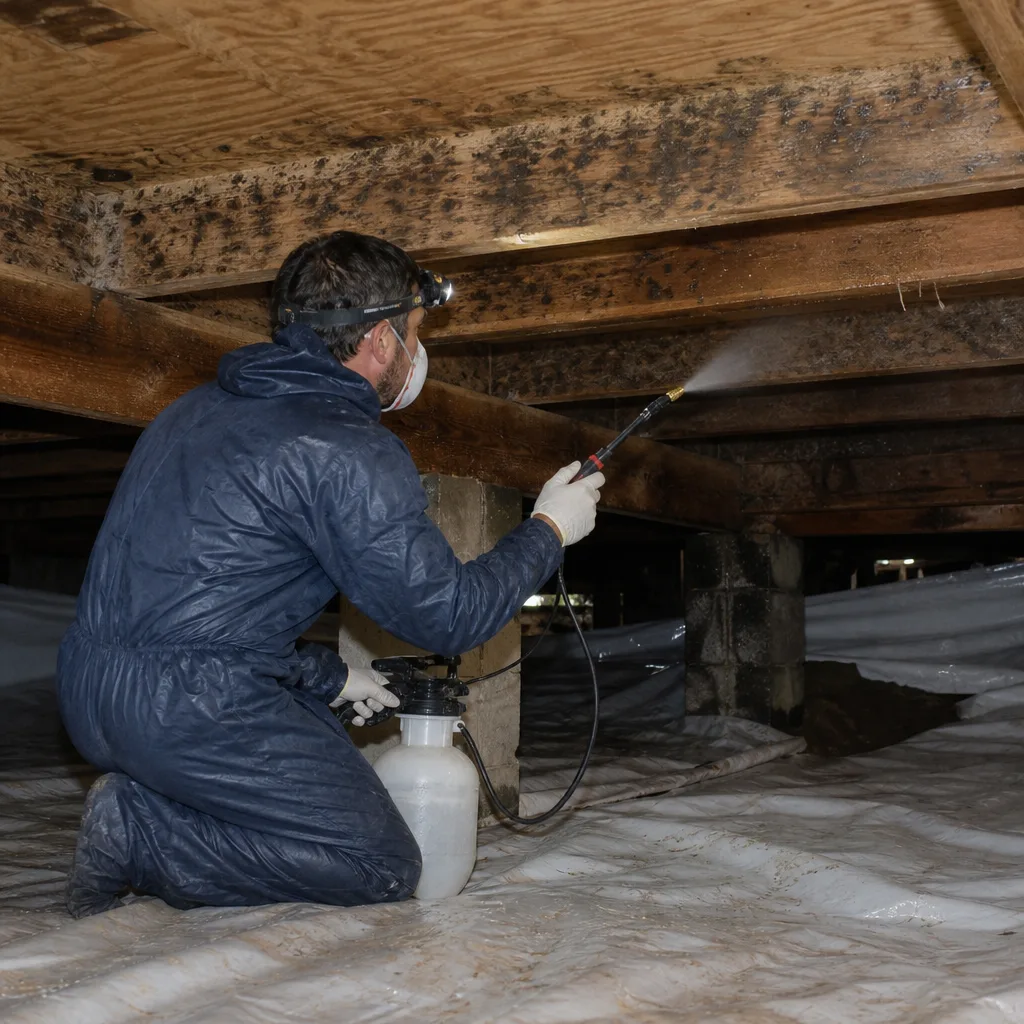
Mold remediation in Chula Vista occupies a unique permit position. Remediation alone - containment, negative air pressure, HEPA filtration, removal of contaminated materials - typically does not require a building permit if no structural materials are replaced. However:
- Mold remediation that requires removal and replacement of drywall, insulation, or structural framing: permit required
- Remediation in areas exceeding 10 square feet of visible mold: Chula Vista requires documentation of moisture source elimination, which often requires plumbing or building permits for the underlying repair
- HVAC mold remediation requiring duct replacement: mechanical permit required
California’s mold regulations (SB 655, Health and Safety Code Section 26147) establish standards for visible mold in rental properties, but permit requirements follow the building code thresholds above regardless of tenancy status.
Storm and Disaster Restoration
Storm damage in Chula Vista typically combines multiple permit categories. Wind-driven rain through compromised roofing requires:
- Emergency tarping and stabilization: no permit, but must be followed by permitted repair
- Roof sheathing replacement exceeding 50% of surface: building permit required
- Fascia, soffit, or gutter replacement: typically no permit unless structural attachment is modified
- Interior water damage repair: follows water damage thresholds above
The 50% roof rule is particularly relevant after Santa Ana wind events, which often cause scattered damage across large surface areas. A contractor who patches incrementally to stay below the threshold may create long-term weatherproofing failures.
Documentation Standards That Satisfy Both Code Officials and Adjusters
The documentation gap that costs homeowners their claims is the problem Alicia Brennan founded this company to solve. Permit compliance and insurance claim success are not separate tracks - they’re parallel requirements that converge in the job file.
Here’s what proper documentation looks like for a permitted restoration project:
- Pre-work photo record: Every affected area, every moisture reading, every material classification. We document to IICRC standards with timestamps and equipment serial numbers.
- Written scope with permit numbers: Haven Standard, Clause 1 requires a written price before work begins. We include permit application numbers in that scope, with anticipated inspection dates.
- Daily drying logs: Psychrometric data - temperature, relative humidity, vapor pressure differential, and grain depression - recorded at each visit. This proves the drying process met scientific standards, not just temporal ones.
- Inspector correspondence: Copies of inspection requests, inspector notes, and correction notices with resolution documentation.
- Final inspection sign-off: The city document, scanned and filed with the job record, not just the completion certificate.
- Photo record on every visit: Standard deliverable, never an upsell. Shows progression from damage through restoration to completion.
When we coordinate with adjusters on permitted work, this documentation package typically resolves claim disputes before they escalate. The adjuster sees permit compliance, code-compliant materials, and verifiable drying data. The homeowner sees a claim that pays without a fight.
Our Free Second Opinion on Any Written Estimate includes permit requirement review. Bring a competitor’s quote and we’ll identify where permits should have been specified but weren’t.
Common Mistakes to Avoid
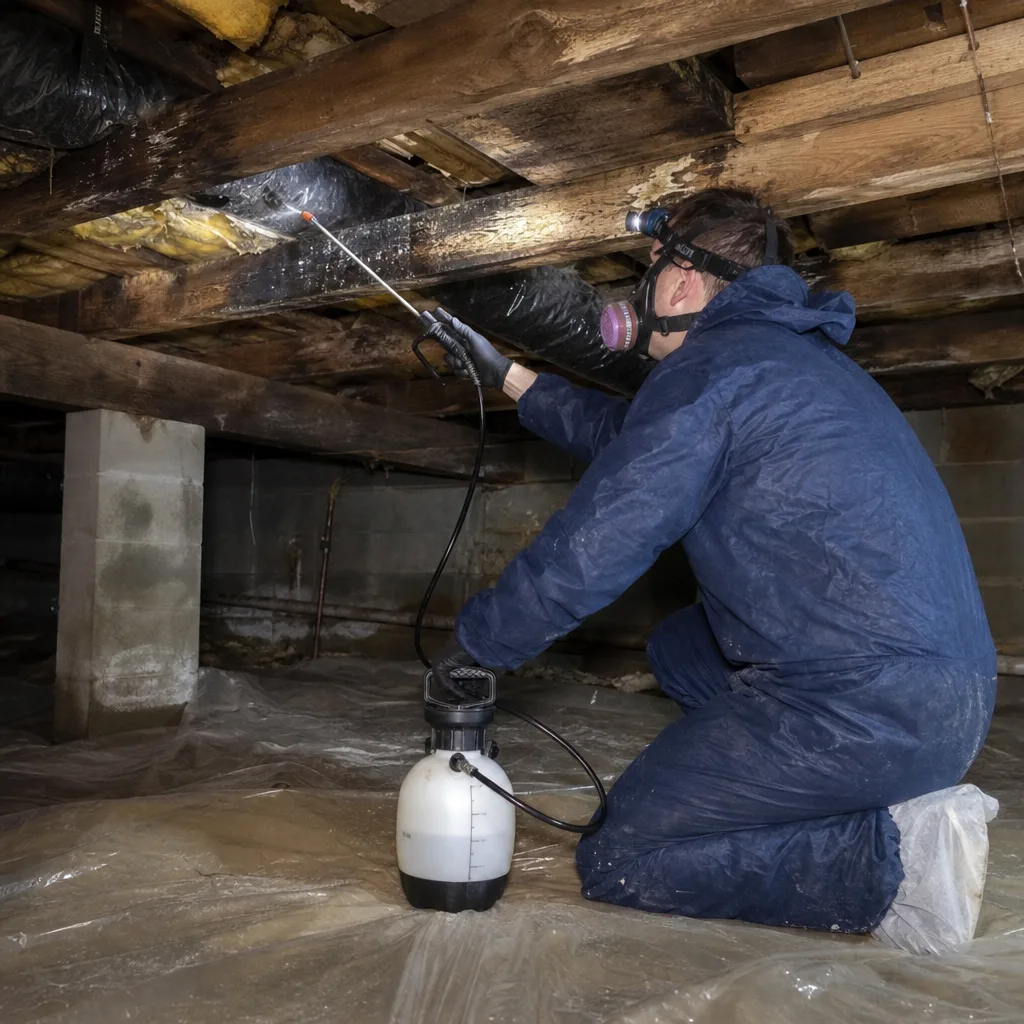
- Accepting “permit not required” at face value. Contractors who skip permits to underbid competitors leave you with the liability. Verify independently through Chula Vista Development Services - the 10-minute call can save years of headaches.
- Confusing emergency mitigation with reconstruction. Water extraction doesn’t need a permit. Subfloor replacement does. A contractor who starts reconstruction without clarifying the shift in requirements may not be licensed for the work they’re now performing.
- Failing to confirm final inspection before final payment. We’ve seen Chula Vista homeowners pay in full based on contractor assurances, only to discover months later that the final inspection was never requested or failed. Payment should be contingent on permit closure.
- Not requesting permit history before purchase. In Chula Vista’s competitive market, buyers waive inspections to strengthen offers. A permit history search costs nothing and reveals restoration work that visual inspection cannot.
- Assuming insurance handles permitting. Most policies cover “reasonable repair costs” but don’t explicitly address permit fees or required code upgrades. Confirm with your adjuster whether permit costs are included in your Additional Living Expense or dwelling coverage.
- Hiring unlicensed contractors for “small” jobs. California requires a CSLB license for any construction work over $500 in labor and materials. Unlicensed contractors cannot legally pull permits, and their work carries no warranty protection through the state.
- Ignoring phased permitting options. Chula Vista’s phased permitting allows emergency work to proceed while reconstruction plans develop. Contractors who don’t offer this either don’t know the option exists or prefer to avoid permit scrutiny entirely.
When to Call a Professional
Call a licensed restoration professional when your damage involves structural materials, electrical or plumbing systems, or when the affected area exceeds what you can dry with household equipment - our DIY vs Professional Damage Restoration: The Chula Vista Homeowner’s Decision Guide can help you decide. In Chula Vista specifically, call immediately when coastal moisture intrusion or Santa Ana wind damage has compromised your roof or exterior envelope - delay accelerates both structural damage and mold growth.
DryMark Restoration Chula Vista offers free estimates in Chula Vista - call (619) 486-5459. Every estimate includes permit requirement identification, a written price before work begins under Haven Standard, Clause 1, and documentation of what permits will be pulled, by whom, and on what timeline. Our live phone coverage means you’ll speak to a person, not a voicemail tree, whenever you call.
Frequently Asked Questions
Request the permit application number and verify it through Chula Vista Development Services’ online portal or by calling (619) 486-5459. A legitimate permit shows an application date, approved plans, and scheduled inspections. If your contractor cannot provide a permit number for work that clearly required one, stop work and contact the CSLB.
Most standard homeowners policies cover “reasonable costs to repair” but do not explicitly itemize permit fees. Some policies include Ordinance or Law coverage that specifically addresses code compliance costs, including permits. Ask your adjuster directly whether your policy includes this coverage and what documentation they require. We coordinate directly with adjusters to present permit costs as part of the repair scope.
Chula Vista Development Services typically issues emergency permits within 24-48 hours when a licensed contractor submits complete documentation including hazard photos, preliminary scope, and fee payment. Incomplete applications restart the timeline. Standard permits process in 10-15 business days.
California requires disclosure of material facts affecting property value, which includes unpermitted structural, electrical, or plumbing work. Failure to disclose can result in post-sale liability. Buyers increasingly request permit history through title companies. Unpermitted work may require retroactive permitting, corrective work, or price reduction to close the sale.
California allows homeowners to pull permits for work on their own primary residence, but you become the responsible party for code compliance and inspector coordination. For restoration work involving multiple trades - electrical, plumbing, structural - this is rarely practical. Licensed contractors carry insurance and bonding that homeowner permits do not provide. We recommend against this approach for anything beyond cosmetic repairs.
No. Mold remediation that involves only removal of contaminated materials without structural replacement typically does not require a building permit. However, if remediation exposes or requires repair of plumbing leaks, electrical systems, or structural framing, those repairs trigger permit requirements. Additionally, Chula Vista requires documentation of moisture source elimination for mold areas exceeding 10 square feet, which often reveals underlying permit needs.
The Bottom Line
California permit requirements for restoration work are triggered by scope thresholds, not by contractor convenience or homeowner urgency. The 50% roof rule, the one-wall drywall threshold, and electrical exposure triggers are specific, measurable, and enforceable. A contractor who treats permits as optional is transferring liability to you. In Chula Vista’s regulated market, permit compliance is not bureaucracy - it’s the documentation that protects your claim, your sale, and your investment. Demand permit numbers in writing before work begins, verify them independently, and withhold final payment until final inspection is recorded. The Haven Standard exists precisely because we’ve seen what happens when this documentation is skipped.
Written by Alicia Brennan, Owner at DryMark Restoration Chula Vista, serving Chula Vista since 2011.