
Last updated September 23, 2026
Free visual inspection and a written scope of work before any mitigation begins - photos, moisture readings, and drying logs go in your claim file
The scope we write is the scope we bill. Anything new gets shown to you, in writing, before we touch it.
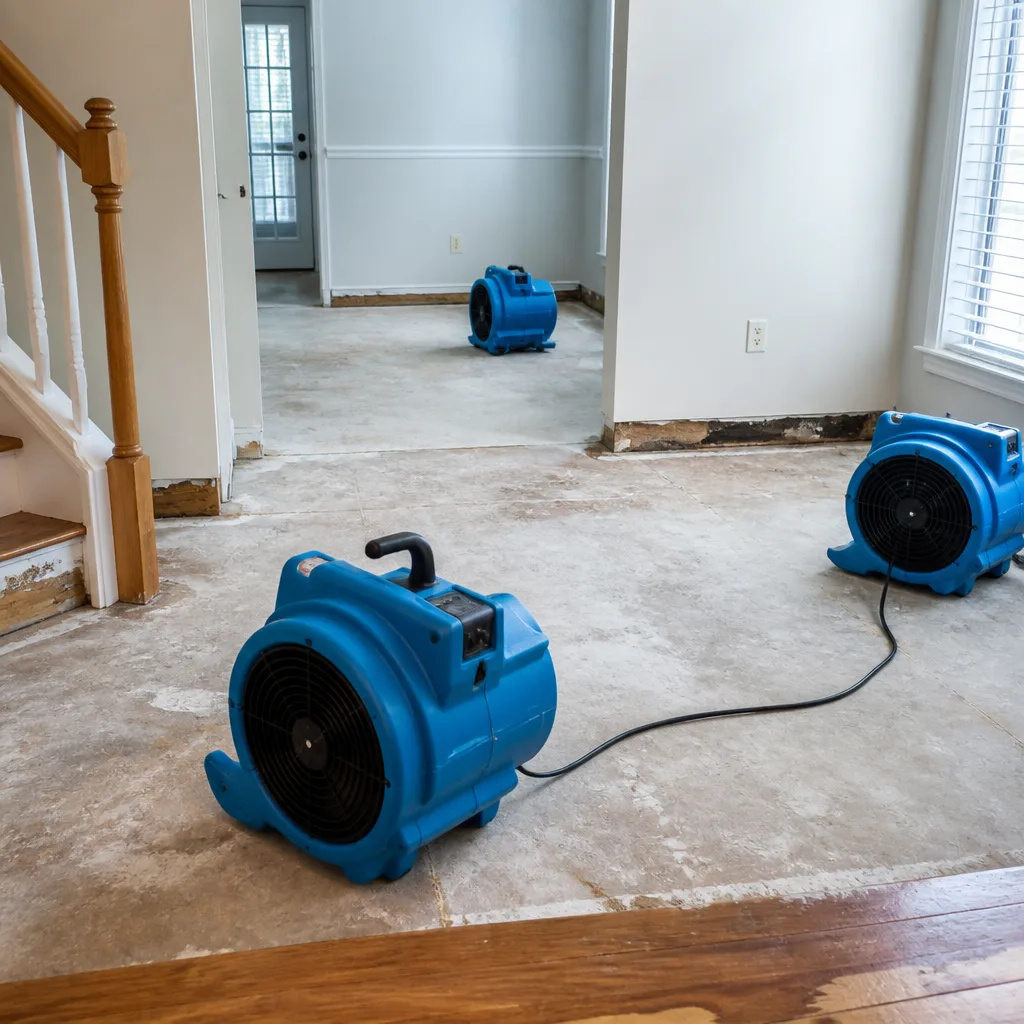
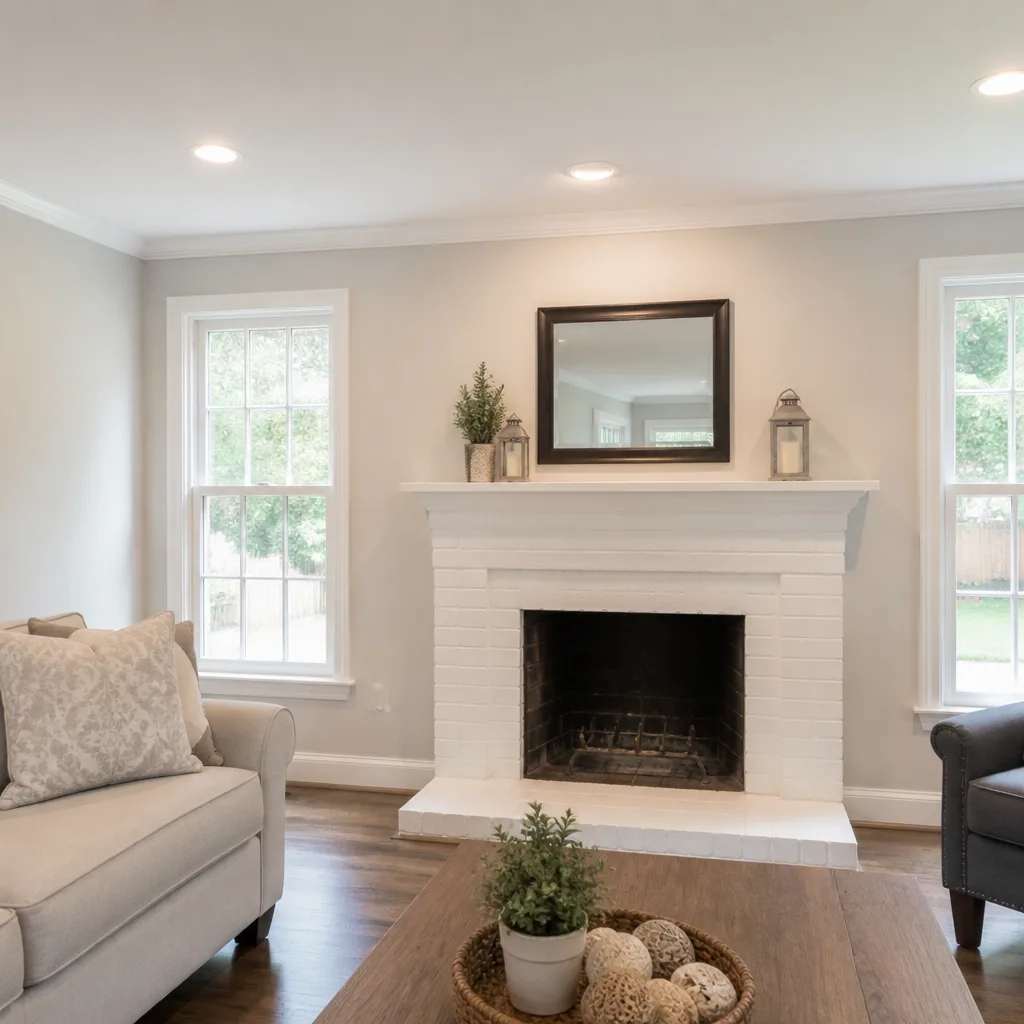
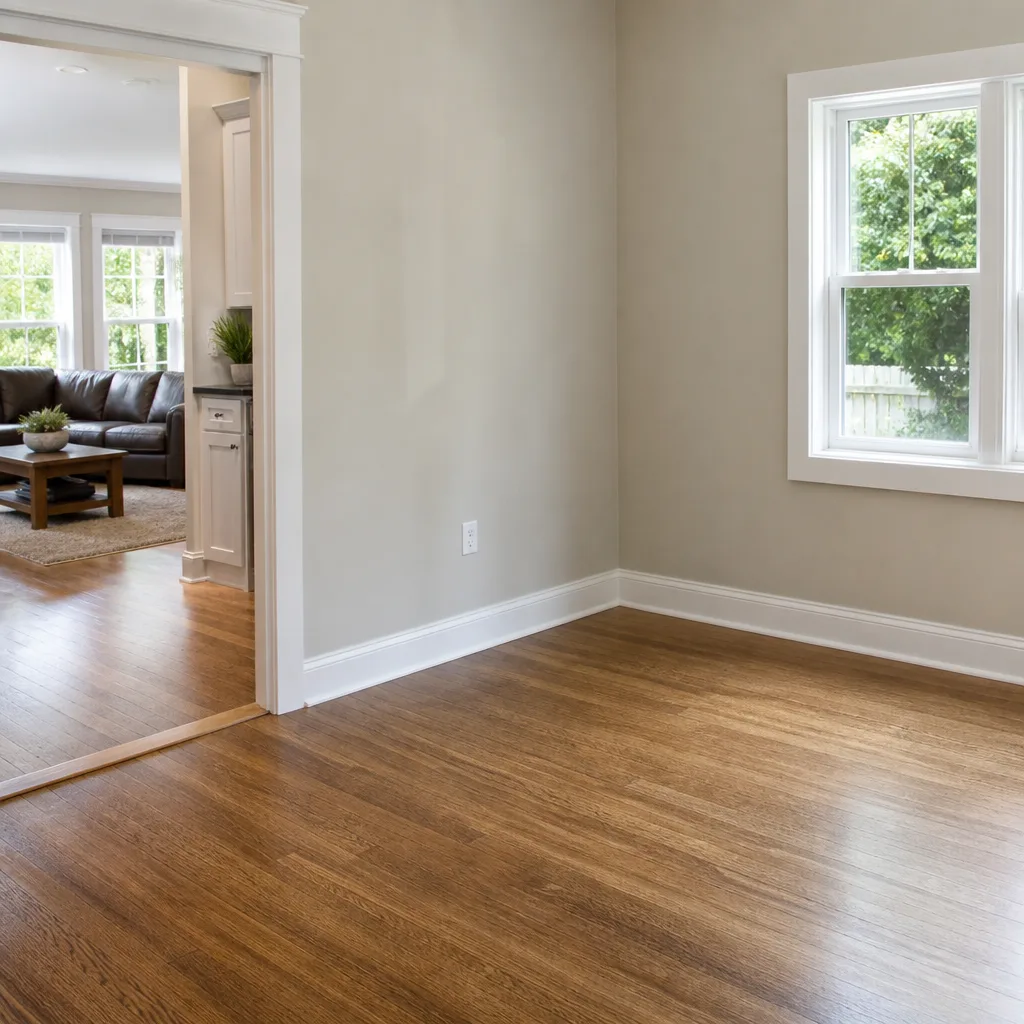

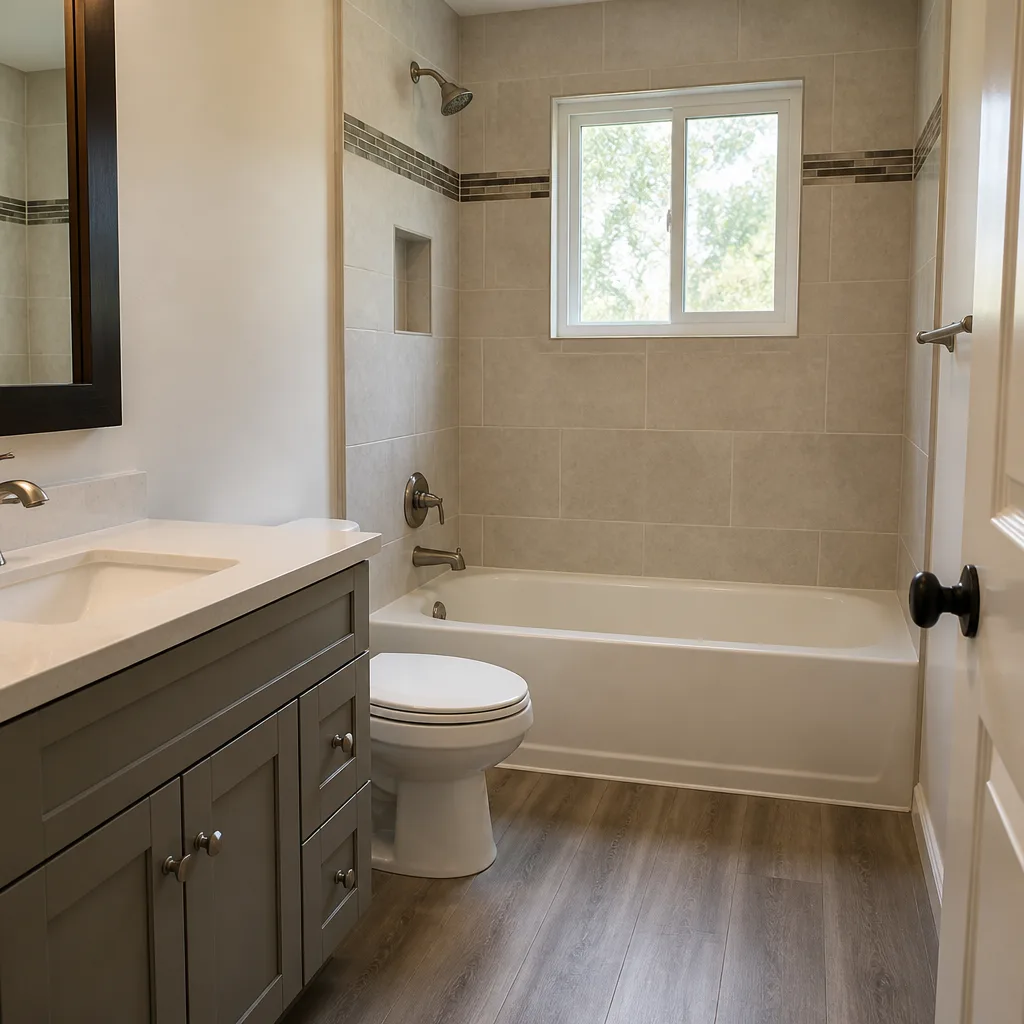
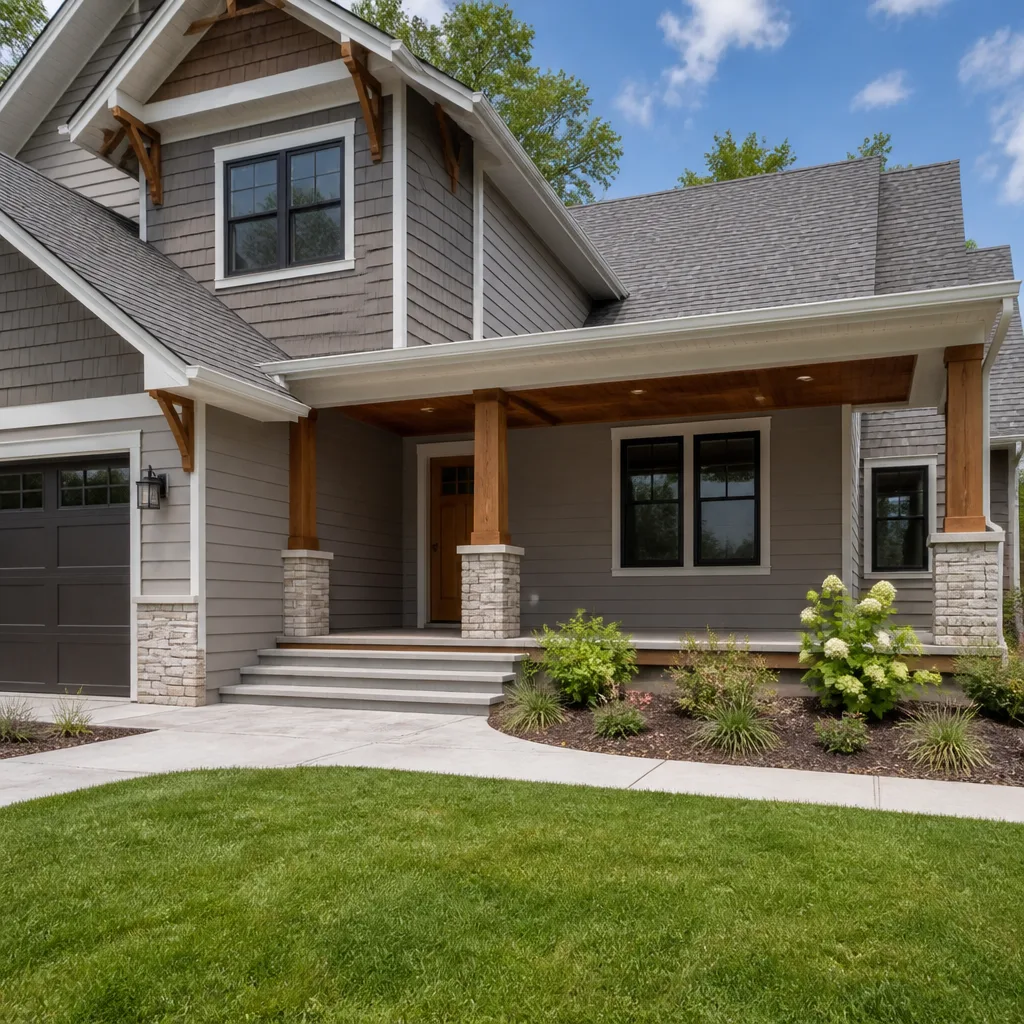
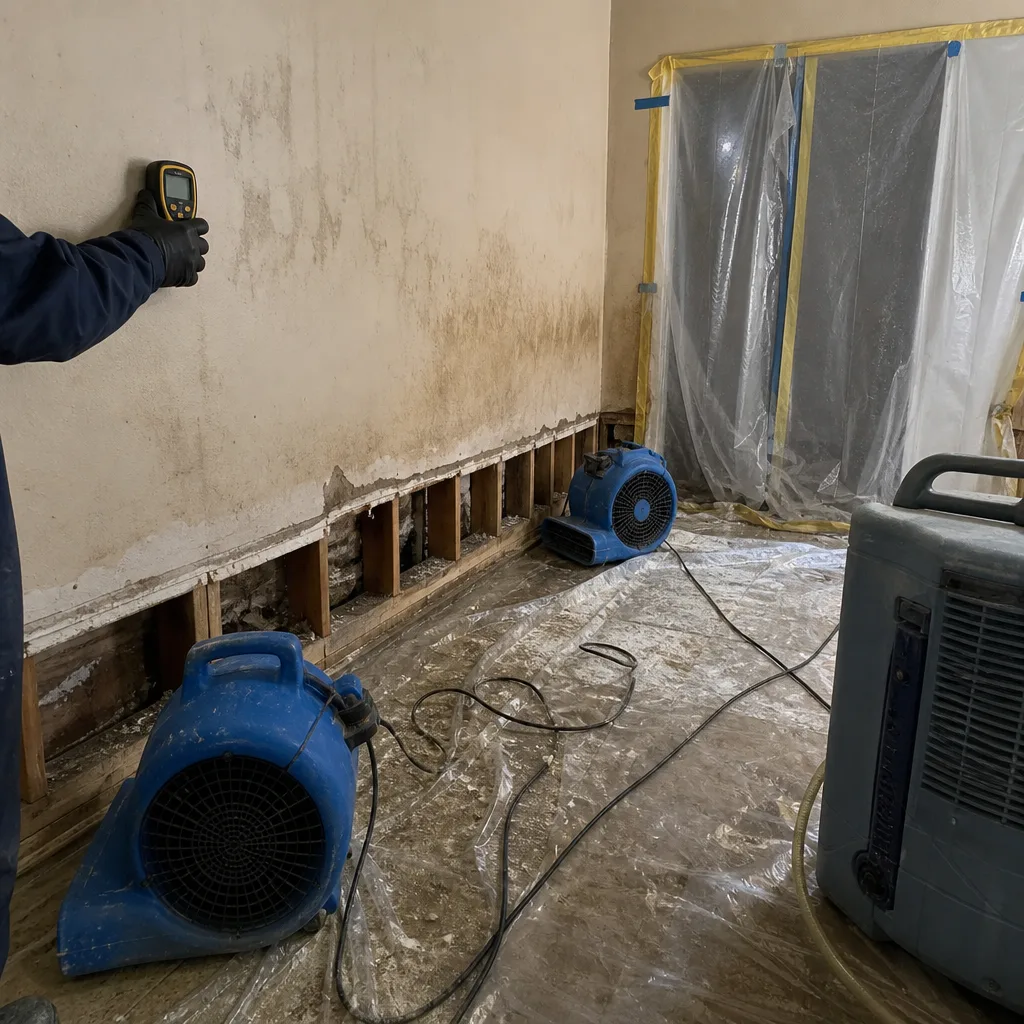 Before
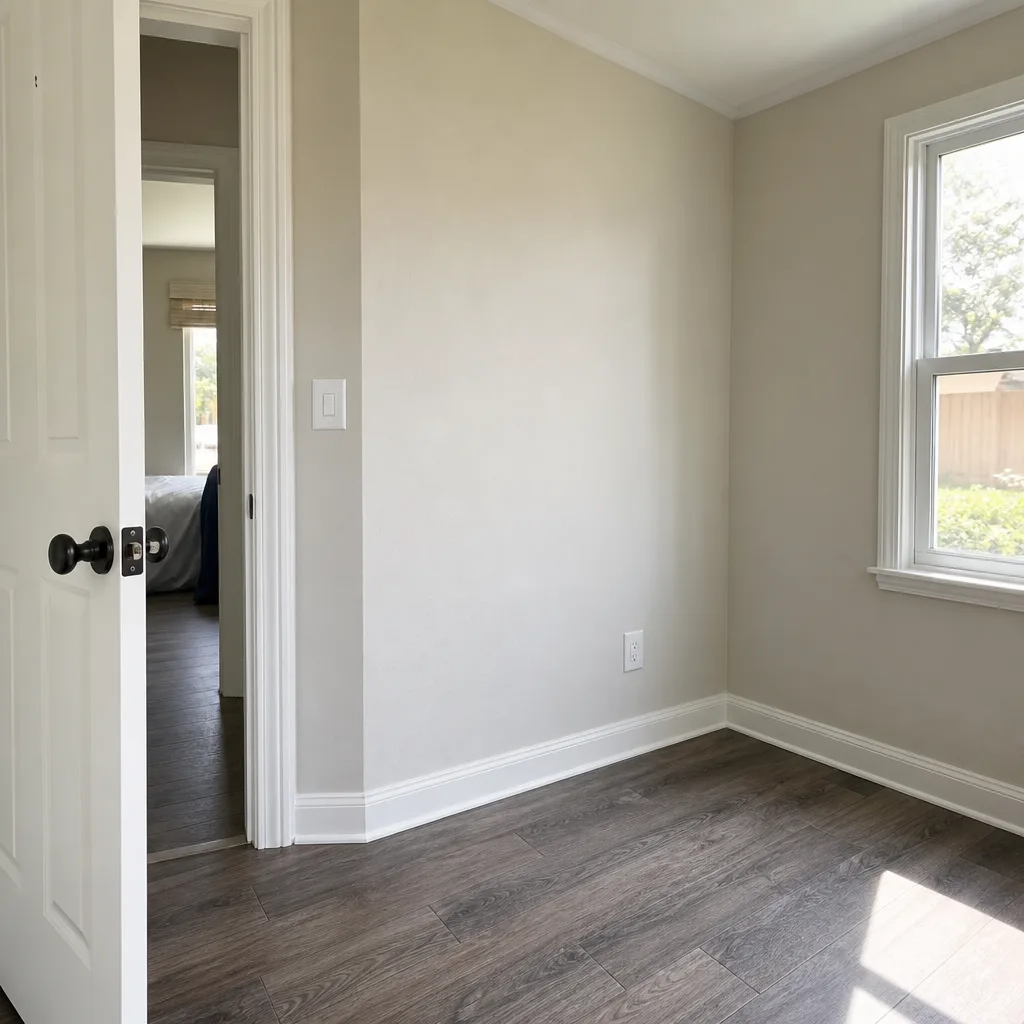 After
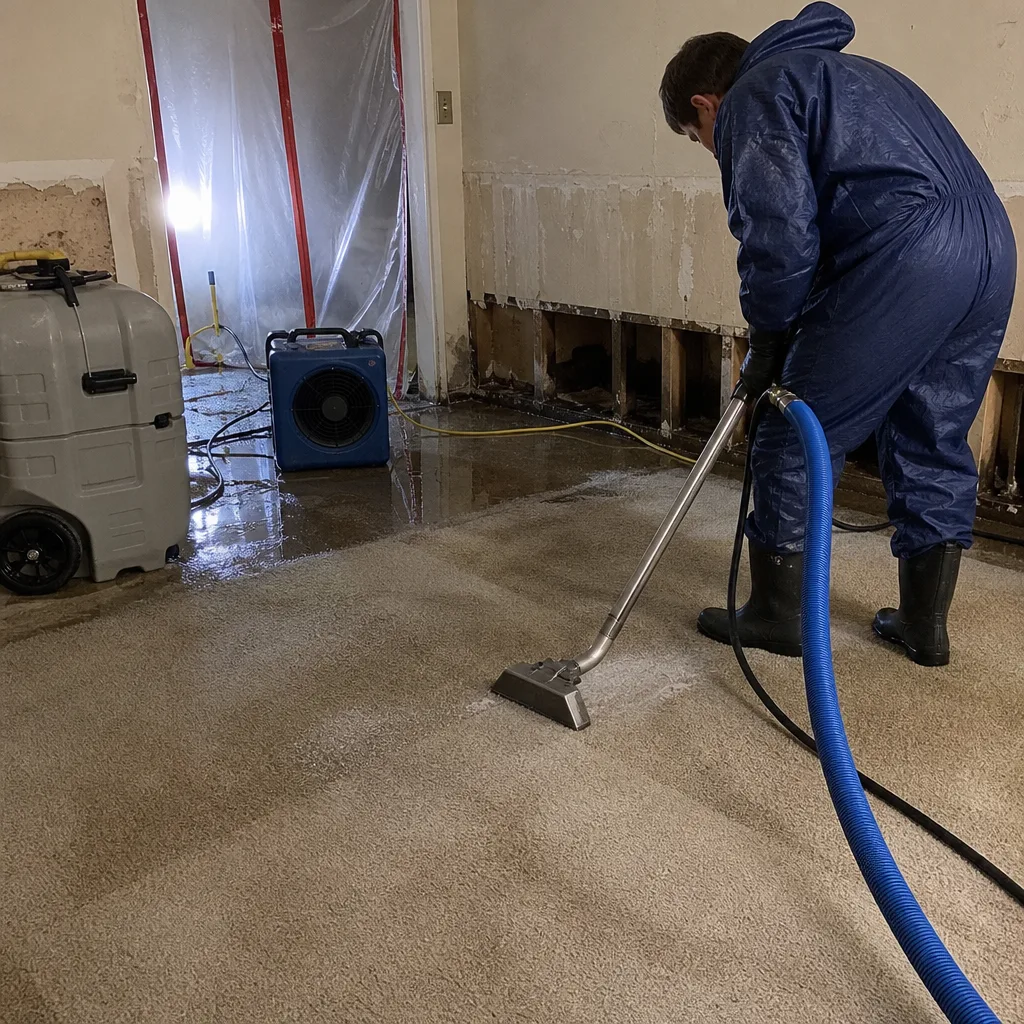
After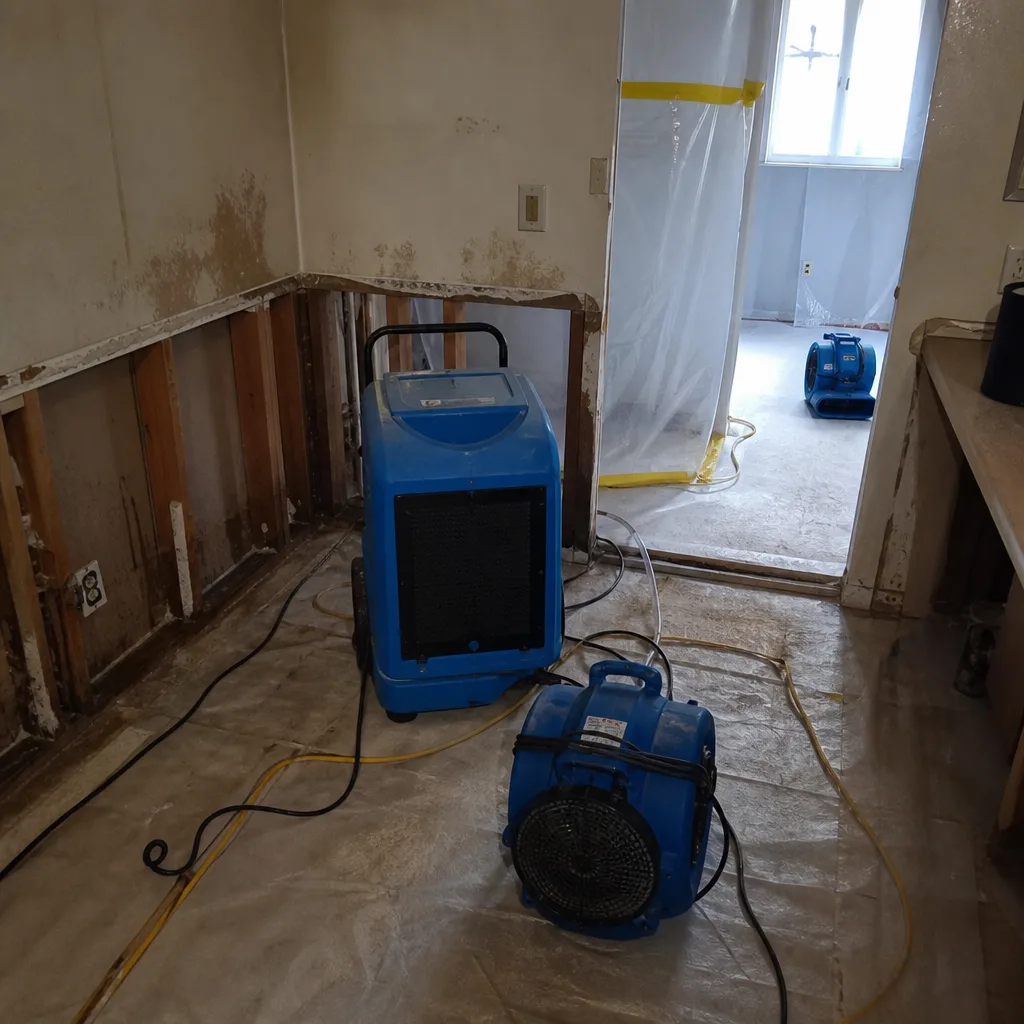 Before
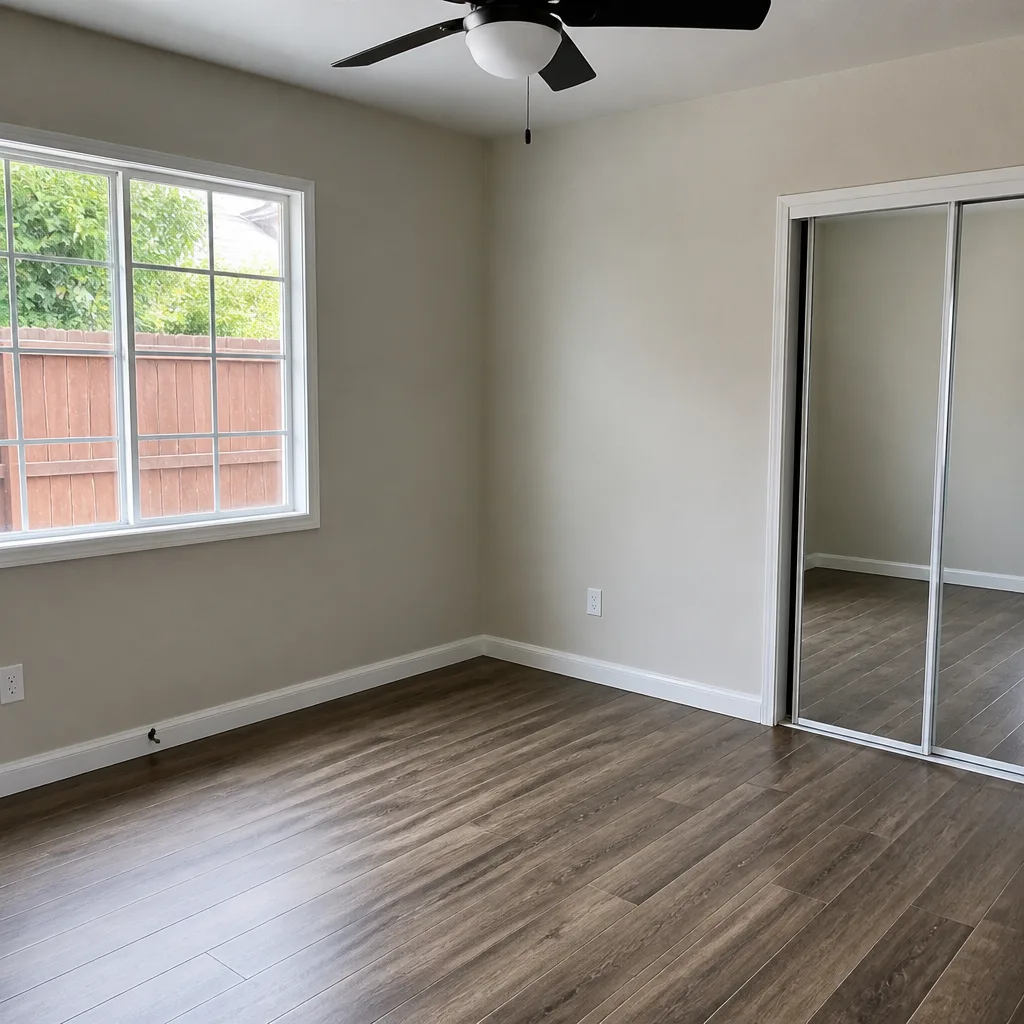 After
After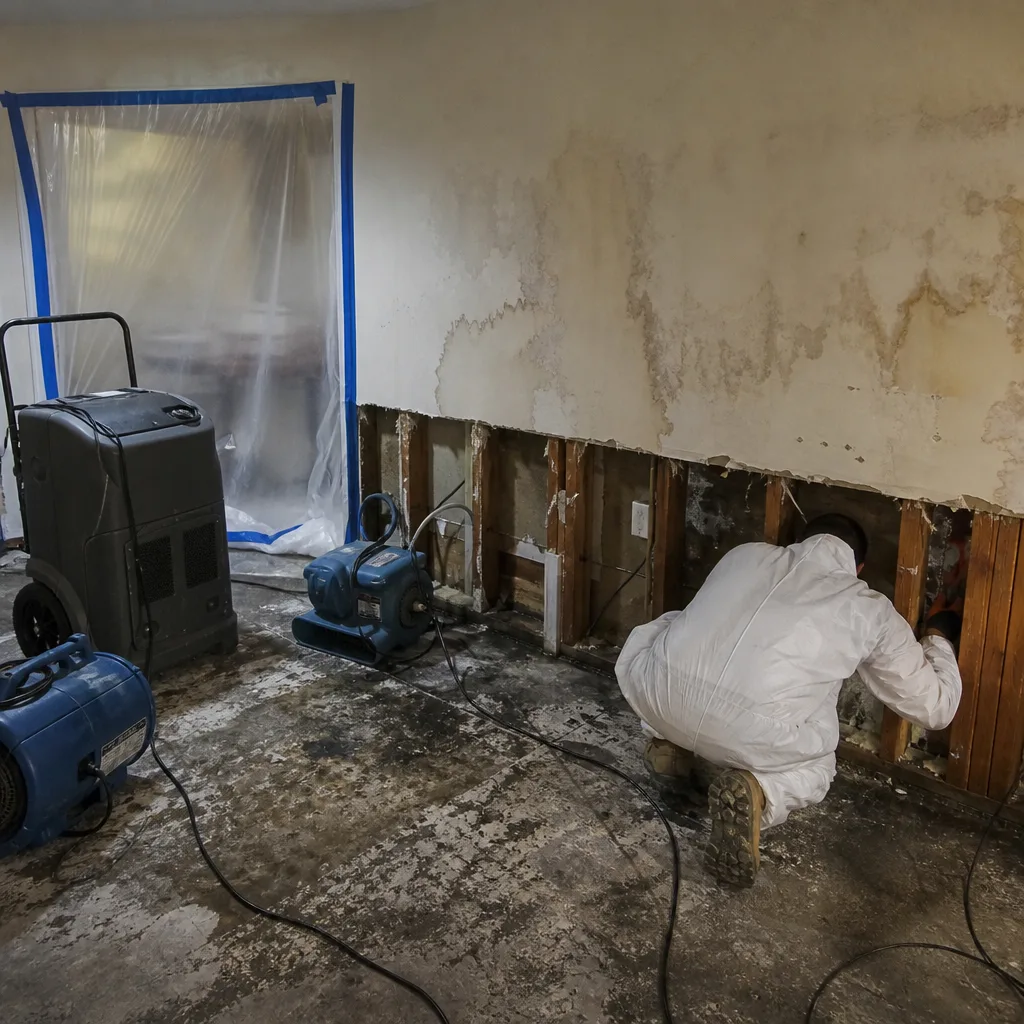 Before
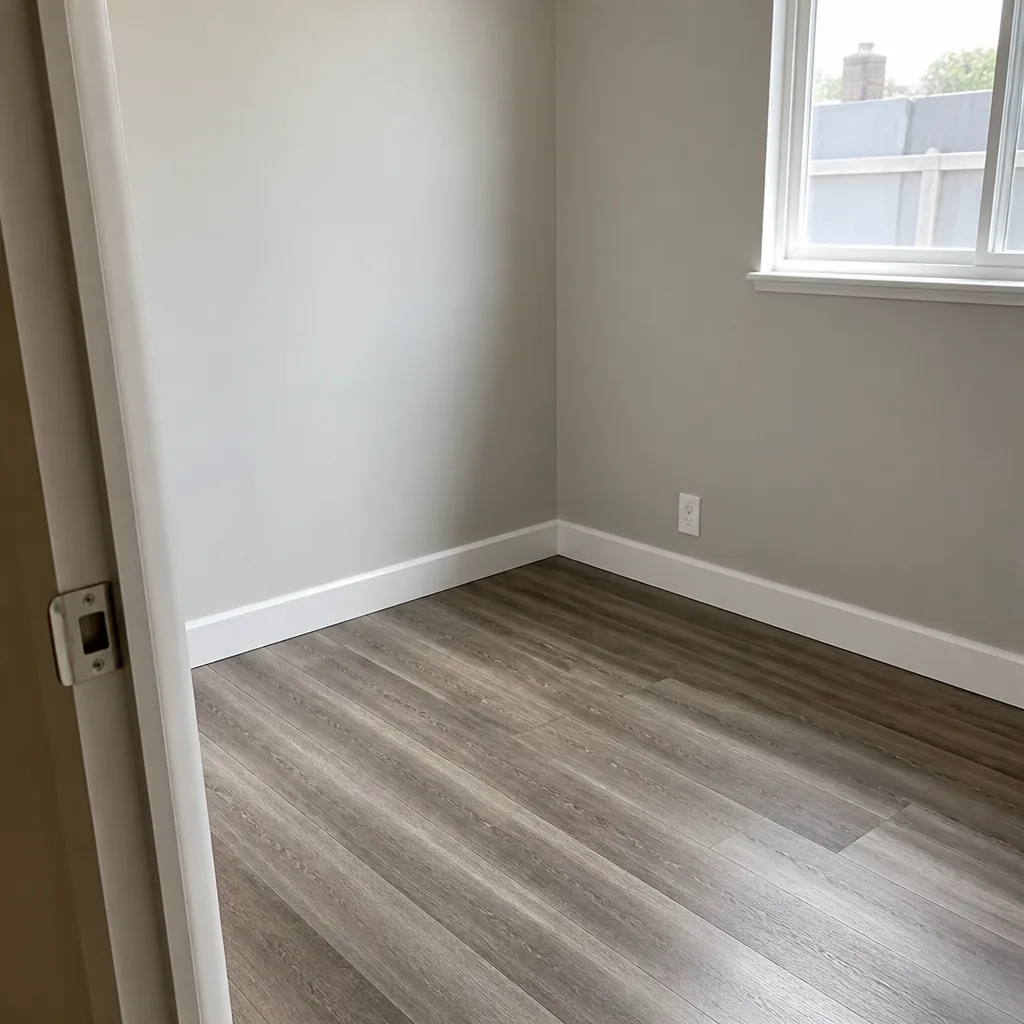 After
AfterHow to Hire a Damage Restoration Contractor in Chula Vista: A Step-by-Step Guide
Most Chula Vista homeowners start their search the wrong way around. They read reviews, check star ratings, then invite three contractors to bid. By the time they realize one contractor slipped an Assignment of Benefits agreement into the stack of “standard paperwork,” their insurance claim is already out of their hands. In our experience restoring more than 12,000 homes since 2011, the single costliest hiring mistake isn’t choosing the wrong price - it’s signing away control before understanding what you’re buying. This guide - along with our Complete Guide to Damage Restoration in Chula Vista - reorders the hiring sequence so you keep leverage at every step, from first phone call to final invoice.
Quick Answer
To hire a damage restoration contractor in Chula Vista, verify their California CSLB license classification online, demand a written scope with line-item pricing before signing any work authorization, and never sign an Assignment of Benefits without legal review. The correct document sequence - written scope first, work authorization second, AOB only with counsel - protects both your out-of-pocket costs and your insurance claim control.
Table of Contents
- Why the Standard Advice Fails in Chula Vista
- The Document Sequence That Protects You
- How to Verify a Contractor License in Under Three Minutes
- Five Questions That Separate Documentation Contractors From the Rest
- Red Flags in the First Phone Call
- How to Compare Bids When Line Items Differ
- Chula Vista-Specific Considerations
- Common Mistakes to Avoid
- When to Call a Professional
- Frequently Asked Questions
- The Bottom Line
BeforeAfterWhy the Standard Advice Fails in Chula Vista
The internet is full of the same checklist: get three bids, check reviews, verify insurance. This advice assumes all contractors operate from the same playbook. They don’t.
In Chula Vista’s restoration market, two distinct business models compete for the same jobs. One model treats documentation as overhead - a single-page summary invoice, verbal estimates, drying logs kept in the technician’s truck if they’re kept at all. The other model treats documentation as the product itself: written scopes with line-item pricing, photo records on every visit, daily moisture readings logged to psychrometric standards. The first model is cheaper to run. The second model is the only one that produces claims an insurer pays without a fight.
The standard advice fails because it doesn’t account for this split. A homeowner who collects three bids from documentation-light contractors is comparing three versions of the same risk. The real comparison isn’t price - it’s whether the contractor can produce the evidence your adjuster needs to approve the claim.
Chula Vista’s climate makes this especially relevant. The city’s coastal influence moderates temperatures, but the combination of marine layer moisture and older housing stock in neighborhoods like Castle Park and Otay Ranch creates conditions where secondary damage spreads slowly enough to seem manageable, then suddenly isn’t. A contractor who documents daily moisture readings - tracking vapor pressure differential, which is the measurable force that drives hidden moisture into drywall cavities - can prove when drying was complete. One who doesn’t leaves you arguing with an insurer about whether that mold colony six weeks later was related to the original loss.
We’ve seen this documentation gap cost homeowners their claims. That’s why Back to Dry Restoration was built around it.
The Document Sequence That Protects You
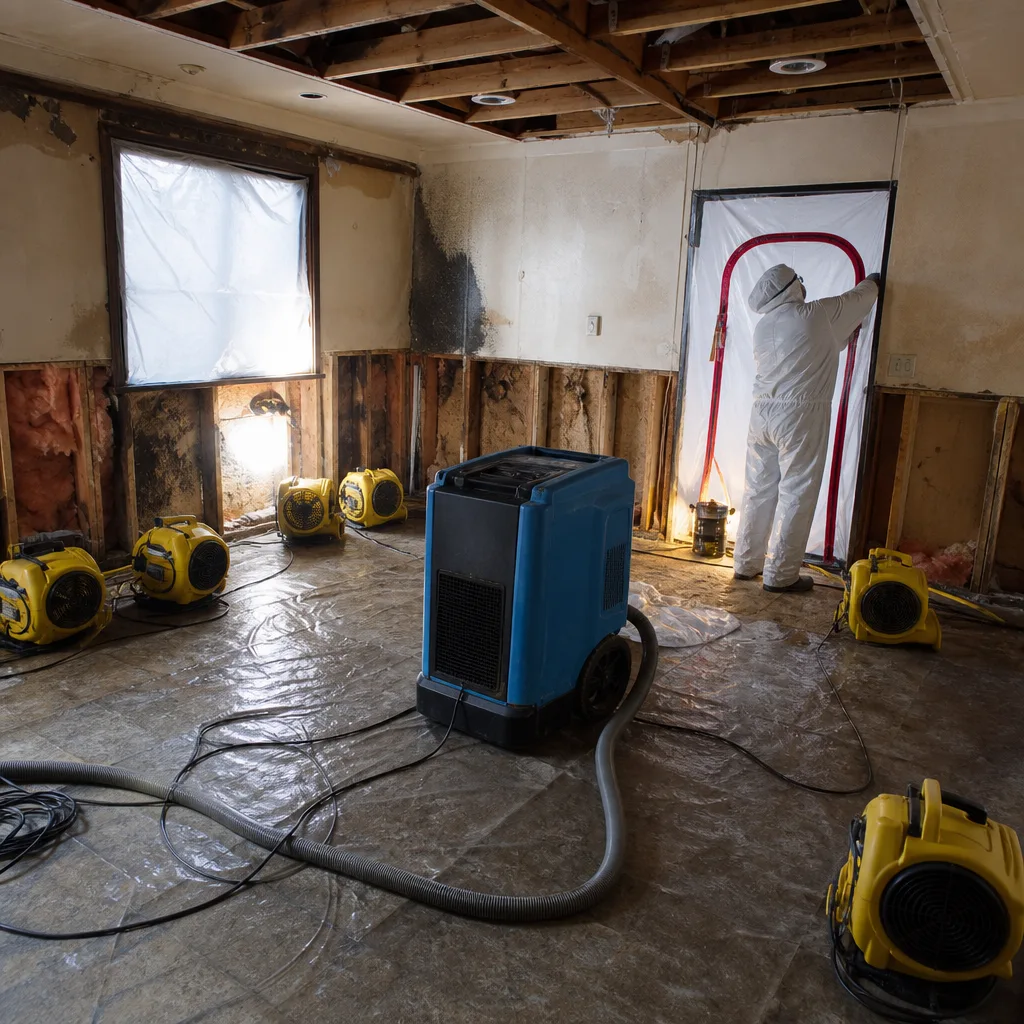
The correct sequence of documents isn’t industry standard. It’s a deliberate practice that keeps you in control. Here’s the order that protects your interests:
- Written scope with line-item pricing - delivered before any work authorization is signed. This is Haven Standard, Clause 1: a written price before work begins, every time, with no exceptions. The scope should list each task, the equipment type and count, the labor hours estimated, and the unit cost. If a contractor delivers a single number or a range, you don’t have a scope. You have a guess.
- Work authorization - signed only after you’ve reviewed and agreed to the written scope. This document authorizes the contractor to begin work. It should reference the scope by date and amount. It should not contain broad language allowing “additional work as necessary” without a change order.
- Assignment of Benefits (AOB) - never signed without legal review, and never presented as “standard paperwork.” An AOB transfers your insurance claim rights to the contractor. In California, you are not required to sign one to receive emergency services. Some Chula Vista contractors present AOBs alongside work authorizations, or embed AOB language within the work authorization itself. Read every paragraph. If you see language transferring “all rights, title, and interest in insurance proceeds,” that’s an AOB.
The leverage dynamic is simple. Before work begins, you can walk away. Once work is underway, switching contractors is expensive and logistically difficult. Once you’ve signed an AOB, you’re no longer negotiating with your insurer - the contractor is, and their financial incentive is to maximize the bill, not minimize your out-of-pocket cost.
At DryMark Restoration Chula Vista home, we deliver the written scope first, every time. No work authorization is signed until the homeowner has reviewed it, questioned it, and agreed to it. We don’t use Assignment of Benefits agreements. If an insurer needs documentation, we produce it: daily drying logs with moisture readings, photo records on every visit, equipment deployment sheets showing Dri-Eaz and Phoenix dehumidifiers by serial number.
How to Verify a Contractor License in Under Three Minutes
California requires specific license classifications for restoration work, and many homeowners don’t know the difference. Here’s the verification process:
- Go to checkthelicense.cslb.ca.gov
- Enter the contractor’s business name or license number
- Verify three things: status is “Active,” classification matches the work, and workers’ compensation insurance is current if the company has employees
The license classifications that matter for restoration:
- C-61/D-64 (Non-specialized) - common for mitigation contractors doing water extraction, drying, and cleanup. Limited to non-structural work.
- B (General Building Contractor) - required for any structural repair, reconstruction, or build-back. A mitigation-only contractor cannot legally perform structural rebuild work under a B license, but a B-licensed contractor can perform mitigation.
- C-36 (Plumbing) - required if the damage source involves plumbing repair or replacement.
- C-20 (Warm-Air Heating, Ventilating and Air-Conditioning) - relevant for HVAC contamination or ductwork replacement.
If your project involves both mitigation and reconstruction, verify which license the contractor holds. A contractor performing rebuild work under a C-61/D-64 license is operating outside their classification. This matters for permit pulls in Chula Vista, where the Building Division requires licensed contractors for structural repairs and issues stop-work orders for unlicensed activity.
Also verify the license number appears on the contractor’s website, proposal, and vehicle signage. At Back to Dry Restoration, our license number is displayed on every proposal and uniform. If a contractor hesitates to provide it, that’s information.
Five Questions That Separate Documentation Contractors From the Rest
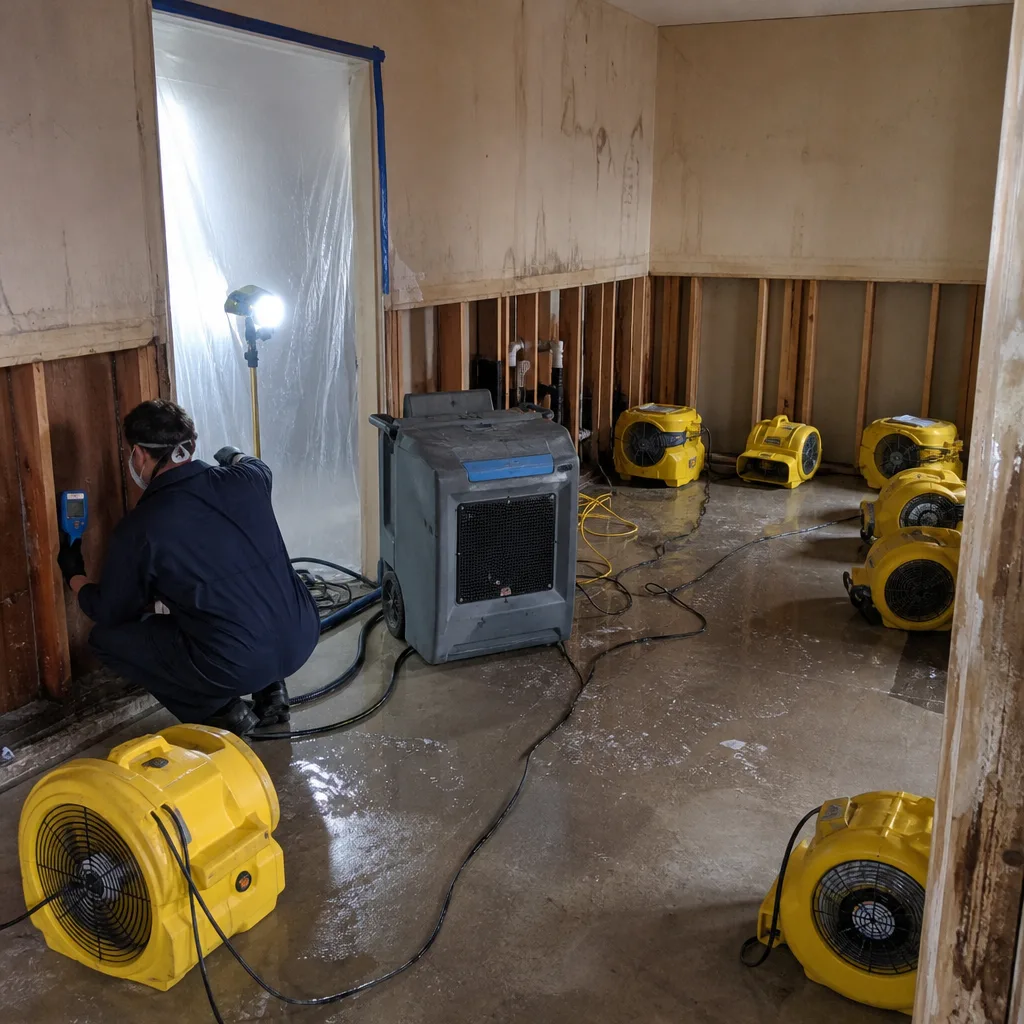
These questions reveal whether a contractor operates on evidence or assurance. Ask them on the first call or during the site visit.
- “Will I receive a written scope with line-item pricing before any work begins?”
The answer should be immediate and unqualified. Hesitation, qualifiers like “after we assess,” or a pivot to “we’ll beat any competitor’s price” indicates a process built on flexibility, not documentation. Haven Standard, Clause 1 exists precisely because this hesitation is common.
- “What documentation will I receive during the drying process?”
A documentation-capable contractor will list: daily moisture readings with meter type and calibration date, psychrometric data (temperature, relative humidity, specific humidity, and vapor pressure differential - the measurable force that determines whether moisture is still migrating from materials into air), photo records with timestamps, and equipment deployment logs showing unit serial numbers and placement diagrams. A contractor who mentions only “drying logs” without specifying content is likely producing summary sheets, not evidentiary records.
- “How do you handle insurance adjuster requests for additional documentation?”
The answer should describe a specific process: direct adjuster coordination, photo uploads to a shared portal, written responses to documentation requests within a stated timeframe. Vague answers like “we work with all insurance companies” suggest ad hoc handling that delays claims.
- “What happens if moisture readings don’t reach dry standard on your projected timeline?”
This reveals whether the contractor budgets for tertiary drying - the extended phase where hidden moisture in dense materials like subfloors and structural lumber requires specialized equipment such as Injectidry systems or targeted heat. A contractor who answers “we keep drying at no extra charge until it’s dry” hasn’t priced the risk. One who explains their tertiary drying protocol, including equipment changeout criteria and daily cost during extension, has thought through the physics.
- “Can you provide a sample drying log from a completed job?”
This is the documentation equivalent of a portfolio. A contractor with nothing to show has nothing to show. At Back to Dry Restoration, we produce daily logs to IICRC, RIA, and IFA standards on every job, using equipment from Dri-Eaz, Phoenix, XPOWER, B-Air, and Injectidry. The log format is consistent: moisture content readings by room and material, psychrometric conditions, equipment inventory, and technician signature.
Red Flags in the First Phone Call
How a contractor handles the initial contact predicts how they’ll handle your claim. These patterns should prompt you to end the call:
- Urgency language without specificity. “You need to get started now before mold sets in” - without a moisture reading, a visual inspection, or a stated timeline. Chula Vista’s moderate coastal climate means mold germination typically requires 48-72 hours of sustained moisture above 60% relative humidity. A contractor who can’t state the condition of your specific materials is selling fear, not service.
- Vague pricing references. “It usually runs between…” or “most jobs in your area…” or any verbal range without a written follow-up. Haven Standard, Clause 1 was created because “usually” becomes “actually” once the crew is inside.
- Requests to “get started now” before a written estimate. Emergency mitigation requires speed, but speed doesn’t require blank authorization. A written scope can be delivered on-site for emergency work. If a contractor says documentation takes too long, their process is the problem, not the requirement.
- Assignment of Benefits presented as standard. Any mention of “we’ll handle everything with your insurance” without clarifying whether you’re retaining claim control. Ask directly: “Will I be signing an Assignment of Benefits?” If the answer is evasive, the answer is yes.
- No license number provided when asked. California law requires contractors to display their license number in advertising and provide it on request. A contractor who deflects to “we’re fully licensed and insured” without stating the number is violating the disclosure requirement.
- Pressure to sign before you’ve read. Any statement that the price is only valid if signed today, or that equipment is being dispatched and you need to authorize immediately. Equipment deployment follows signed authorization, not precedes it.
At Back to Dry Restoration, our phone is answered by a live person 24 hours a day, 7 days a week - no voicemail trees, no next-business-day callbacks while water is still moving. That live person can describe our documentation process, confirm our license number, and schedule a site visit with a written scope to follow. They cannot, and will not, authorize work without that written scope.
How to Compare Bids When Line Items Differ
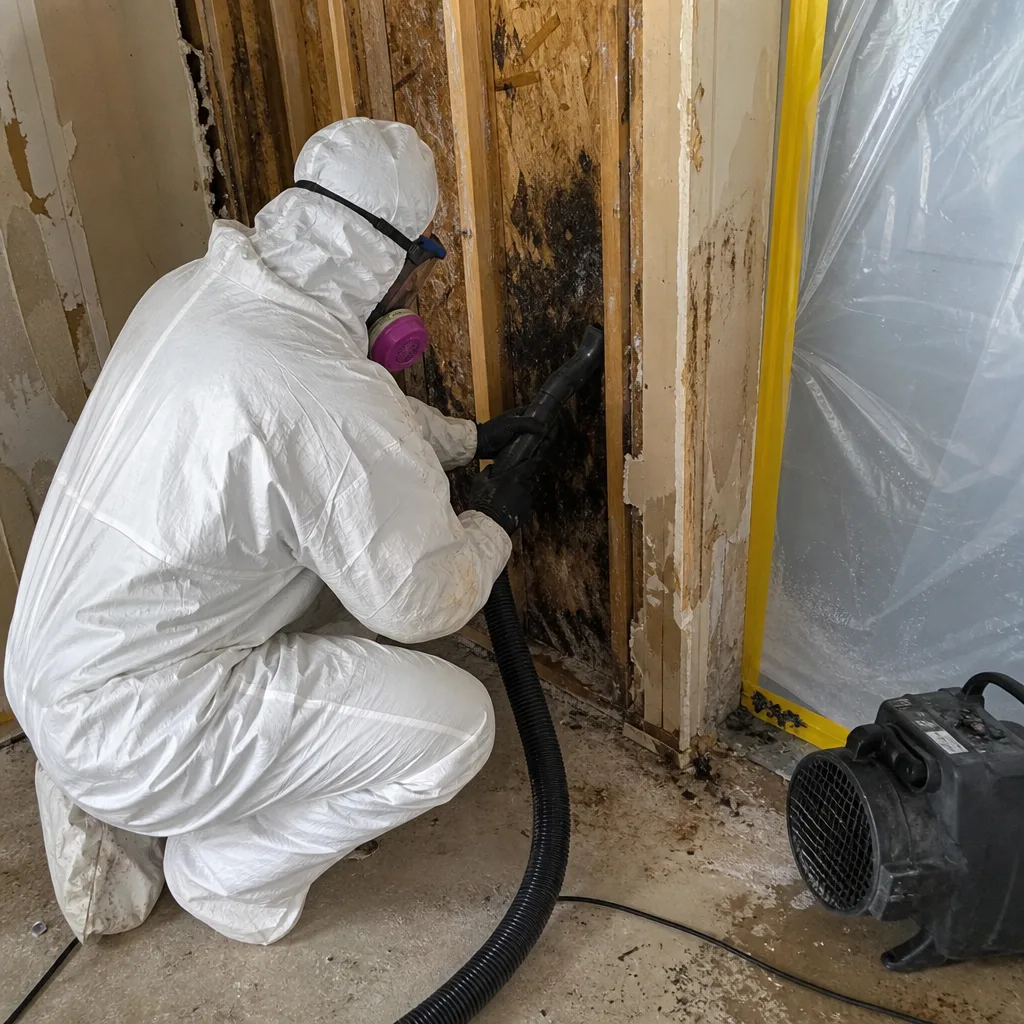
Restoration bids rarely line up identically. One contractor includes content manipulation (moving and protecting furniture), another assumes the space is already cleared. One prices air movers by the day, another by the week with a minimum. Here’s a unit-cost comparison method that doesn’t require industry knowledge:
- Normalize the scope. Create a standard task list based on the most detailed bid. For each bid, mark which tasks are included, which are excluded, and which are ambiguous. Ambiguous items - “deodorization as needed,” “HVAC cleaning if required” - count as excluded until clarified in writing.
- Calculate unit costs for comparable items. Divide each line item’s price by its quantity. For equipment, use daily rate (total equipment cost divided by estimated days). For labor, use hourly rate (total labor cost divided by estimated hours). This reveals whether a lower total bid reflects lower unit costs or lower quantities.
- Identify quantity differences. If one bid estimates 3 air movers and another estimates 6 for the same space, the difference isn’t pricing - it’s drying strategy. Ask each contractor to explain their equipment calculation. The correct answer references square footage, material type (carpet vs. hardwood vs. concrete), and the IICRC drying standard for that class of water loss.
- Add excluded items back in at market rate. For each bid, estimate the cost of tasks it excludes using the unit costs from the most detailed bid. This produces an adjusted total that reflects comparable scope.
- Compare documentation deliverables as a line item. A bid with daily moisture logs, photo records, and direct adjuster coordination has value that a summary-invoice bid doesn’t. Assign a dollar value to your time spent chasing documentation, or to the risk of a denied claim, and add it to the comparison.
Here’s a simplified comparison framework:
| Line Item | Bid A | Bid B | Bid C |
|---|---|---|---|
| Water extraction (per sq ft) | $1.20 | $0.95 | $1.10 |
| Air mover (daily rate) | $25 | $22 | $28 |
| Dehumidifier, LGR (daily rate) | $85 | $75 | $90 |
| Daily moisture log included? | Yes | No | Summary only |
| Photo record included? | Every visit | Final only | No |
| Adjusted comparable total | $4,200 | $4,650 | $4,400 |
The lowest unit-cost bid isn’t always the lowest risk-adjusted bid. In this example, Bid A’s higher equipment rates include documentation that reduces claim denial risk. For a homeowner with a $10,000 deductible and a disputed $8,000 secondary damage claim, that documentation value exceeds the equipment premium.
Back to Dry Restoration provides a Free Second Opinion on any competitor’s written estimate. Bring us a detailed bid and we’ll review the line items, identify exclusions, and explain the documentation gap - at no charge.
Chula Vista-Specific Considerations
Local conditions affect both the damage pattern and the contractor selection.
Climate and moisture behavior. Chula Vista’s coastal location produces a marine layer that keeps relative humidity elevated, particularly in early morning hours. This doesn’t prevent drying, but it changes the psychrometric calculation. A contractor using standard inland drying targets without adjusting for coastal humidity conditions will either extend drying time unnecessarily or call materials dry before they’ve reached equilibrium moisture content. Ask whether the contractor adjusts dry standards for local conditions.
Soil and foundation types. The Otay Ranch and Eastlake areas include expansive clay soils that complicate slab moisture detection. Water trapped beneath slab-on-grade construction requires specialized detection equipment - non-invasive meters, thermography, or in-situ probes. A contractor without this equipment is guessing at the extent of damage.
Permit requirements. The Chula Vista Building Division requires permits for structural repairs, electrical work, and plumbing replacement. A contractor performing rebuild work without permit coordination is creating liability for the homeowner. Verify whether permit costs and coordination are included in the written scope or billed separately.
Neighborhood housing stock. Older homes in Castle Park and Chula Vista proper (pre-1980) often contain asbestos-containing materials and lead-based paint. Disturbance of these materials during restoration triggers Cal-OSHA and EPA notification requirements. A contractor who doesn’t mention testing protocols for pre-1980 structures hasn’t accounted for regulatory compliance.
Insurance market concentration. Chula Vista’s homeowner insurance market includes significant exposure to wildfire risk in the eastern canyons, which affects how carriers handle water and mold claims in all areas. Some insurers apply stricter documentation requirements to all claims from high-risk zip codes. A contractor familiar with local carrier patterns - which adjusters require photo portals, which request independent hygienist clearance, which apply depreciation to drying equipment - can streamline the process.
Common Mistakes to Avoid
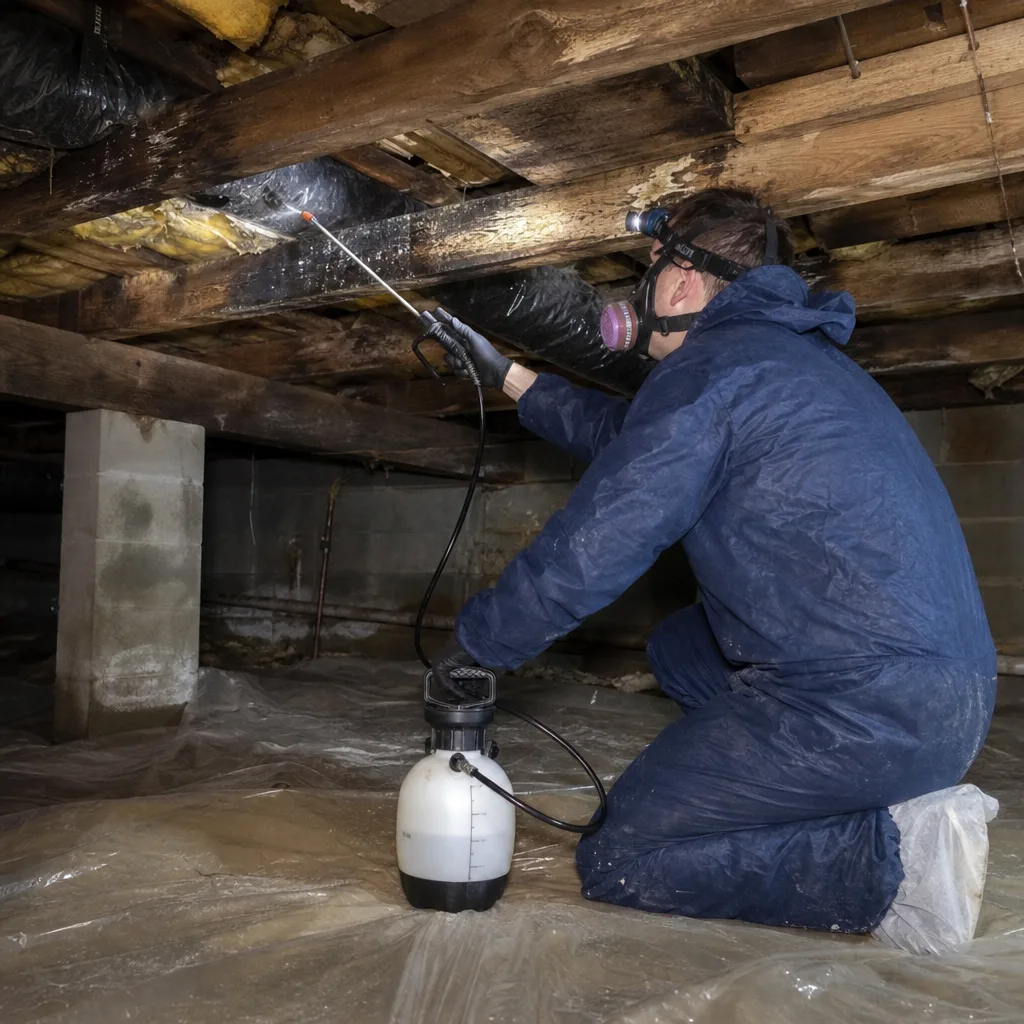
- Signing a work authorization that includes AOB language. Read the entire document. Some Chula Vista contractors embed assignment language in the third or fourth page of a multi-page authorization. If you see “assigns all rights to insurance proceeds,” stop signing.
- Accepting a verbal estimate for emergency work. Emergency speed doesn’t require verbal pricing. A written scope can be produced on a tablet, signed electronically, and emailed before equipment is deployed. Verbal estimates become “misunderstandings” when the invoice arrives.
- Hiring a mitigation-only contractor for rebuild work. The C-61/D-64 classification limits a contractor to cleanup and drying. If your project includes drywall replacement, flooring installation, or structural repair, verify the contractor holds a B license or partners with a B-licensed subcontractor with permit authority.
- Ignoring equipment specifications. “Dehumidifier” covers units ranging from 50-pint residential models to 150-pint low-grain refrigerant (LGR) commercial units. The written scope should specify equipment by capacity and brand. At Back to Dry Restoration, we deploy Phoenix and Dri-Eaz LGR units rated for the specific vapor pressure differential of each job.
- Failing to document pre-existing conditions. Take your own photos before the contractor arrives. Document the state of walls, flooring, and contents. This protects both you and the contractor from disputes about what damage existed before versus after the loss event.
- Not asking about the drying timeline in writing. A contractor who won’t commit to a projected drying duration in the written scope is avoiding accountability. The projection should include criteria for extension: specific moisture content readings that trigger continued drying, and the daily cost during extension.
- Choosing by star rating alone. Reviews measure customer satisfaction, not claim documentation quality. A contractor with 4.9 stars and summary invoices may produce a denied claim. A contractor with detailed documentation and 4.5 stars may produce a paid claim. Read the three-star reviews for patterns about billing disputes and documentation.
When to Call a Professional
Some situations require immediate professional intervention regardless of your contractor selection process. Category 3 water loss - sewage backup, seawater intrusion, or groundwater flooding - carries bacterial and chemical contamination that requires specialized PPE, disposal protocols, and health department notification. Fire damage with structural compromise requires shoring and engineering assessment before any restoration work. Mold contamination exceeding 10 square feet in a California residential property triggers the Mold Remediation Act requirements for licensed remediation and independent post-remediation verification.
In Chula Vista, the combination of older housing stock and coastal moisture means that water damage left unaddressed for more than 48 hours often develops secondary mold contamination that changes both the scope and the regulatory requirements. Early professional assessment preserves your options.
DryMark Restoration Chula Vista offers free estimates in Chula Vista - call (619) 486-5459. Our assessment includes moisture detection, a preliminary scope discussion, and a written price before any work begins, per Haven Standard, Clause 1. For emergency situations, a live person answers every call, 24 hours a day, 7 days a week.
Frequently Asked Questions
No. An Assignment of Benefits is not required for any restoration work in California, including emergency services. You can authorize work with a standard work authorization that retains your insurance claim rights. If a contractor presents an AOB as “standard paperwork,” request a work authorization without assignment language instead. Call (619) 486-5459 for a free estimate - estimates are free, and no AOB is required.
Check the license classification at checkthelicense.cslb.ca.gov. Water extraction and drying typically fall under C-61/D-64. Structural repair, reconstruction, or build-back require a B (General Building) license. If your project includes both, verify which license the contractor holds or whether they partner with a properly licensed subcontractor. In Chula Vista, the Building Division issues stop-work orders for unlicensed structural work.
A written scope should list each task with quantity and unit price, equipment type and count with daily rates, labor hours estimated, materials specified by trade name or performance standard, and a projected timeline with extension criteria. It should also list documentation deliverables: moisture logs, photo records, and adjuster coordination protocol. Haven Standard, Clause 1 requires this documentation before any work authorization is signed.
Emergency mitigation contractors should provide a stated response time for active water losses, typically 1-2 hours for Chula Vista proper and 2-3 hours for outlying areas like Eastlake and Otay Ranch. Reconstruction work is scheduled, not dispatched, and should not be promised with emergency response times. At Back to Dry Restoration, emergency calls are answered by a live person 24/7 with no voicemail delay.
Coverage depends on your policy terms, the cause of loss, and the documentation quality your contractor produces. Sudden and accidental water damage is typically covered; gradual leaks and maintenance issues are typically excluded. The key variable is whether your contractor can produce the moisture readings, photo documentation, and drying logs that prove the loss was sudden and the response was appropriate. Contractors who produce summary invoices face higher denial rates. Call (619) 486-5459 to discuss your specific situation - we coordinate directly with adjusters and provide the documentation carriers require.
Use unit-cost normalization. Calculate the per-day equipment rate and per-hour labor rate for each bid. Identify excluded services and add them back at market rate using the most detailed bid as reference. Compare documentation deliverables as a value item, not an afterthought. Back to Dry Restoration offers a Free Second Opinion on any competitor’s written estimate to help with this comparison.
The Bottom Line
Hiring a restoration contractor in Chula Vista is not primarily about finding the lowest price or the highest review score. For more guides & resources, visit our blog. It’s about retaining control of your insurance claim through the correct document sequence: written scope first, work authorization second, Assignment of Benefits never without legal review. Verify the license classification matches the work. Ask the five documentation questions that reveal process depth. Compare bids by unit cost, not total price. And choose a contractor who treats evidence - moisture readings, photo records, drying logs - as the standard deliverable, not an upsell.
The contractors who survive Google’s March 2026 algorithm updates are the ones who’ve always operated this way. The ones who don’t are learning that documentation isn’t overhead. It’s the product.
Written by Alicia Brennan, Owner at DryMark Restoration Chula Vista, serving Chula Vista since 2011.