
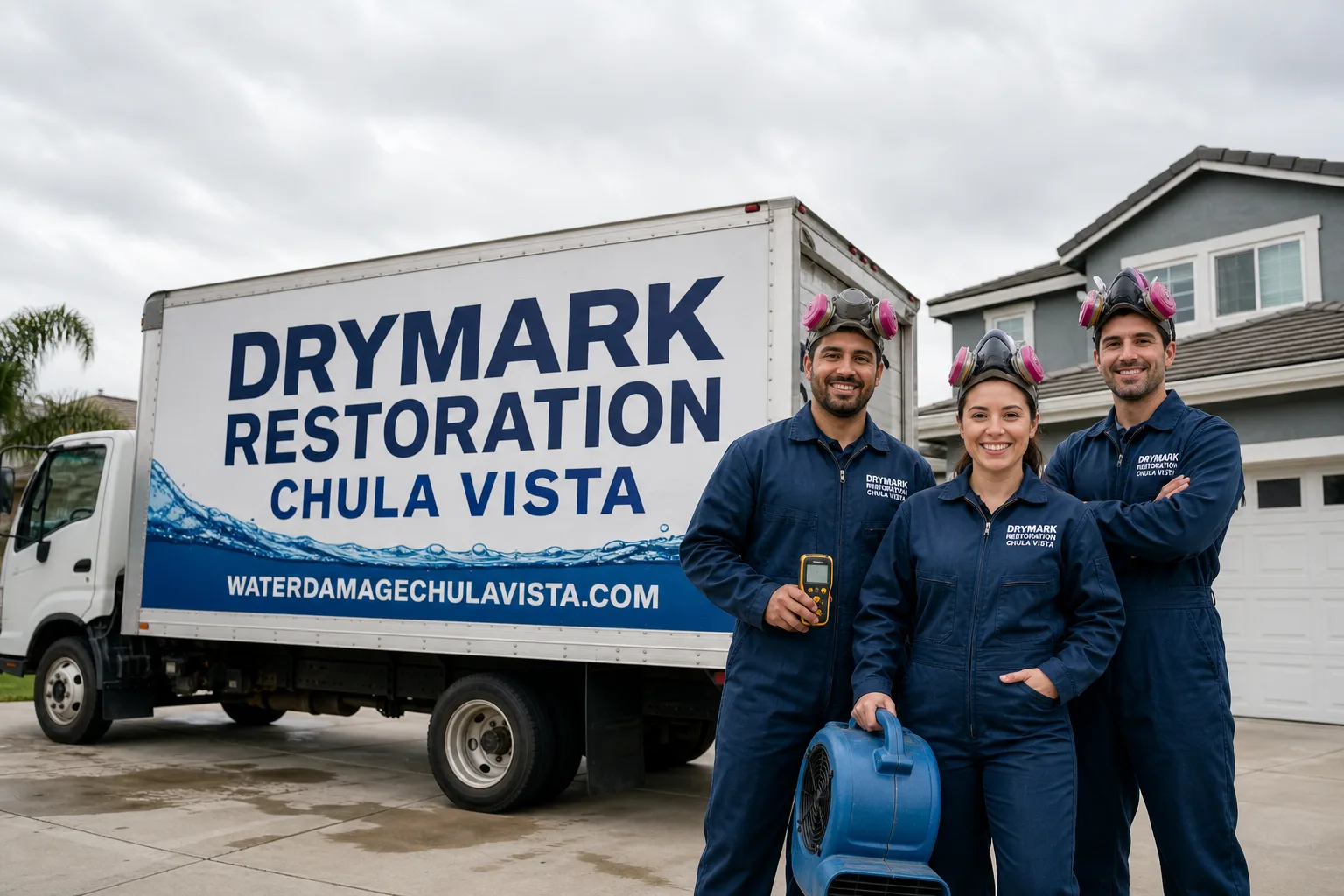
Free visual inspection and a written scope of work before any mitigation begins - photos, moisture readings, and drying logs go in your claim file
The scope we write is the scope we bill. Anything new gets shown to you, in writing, before we touch it.
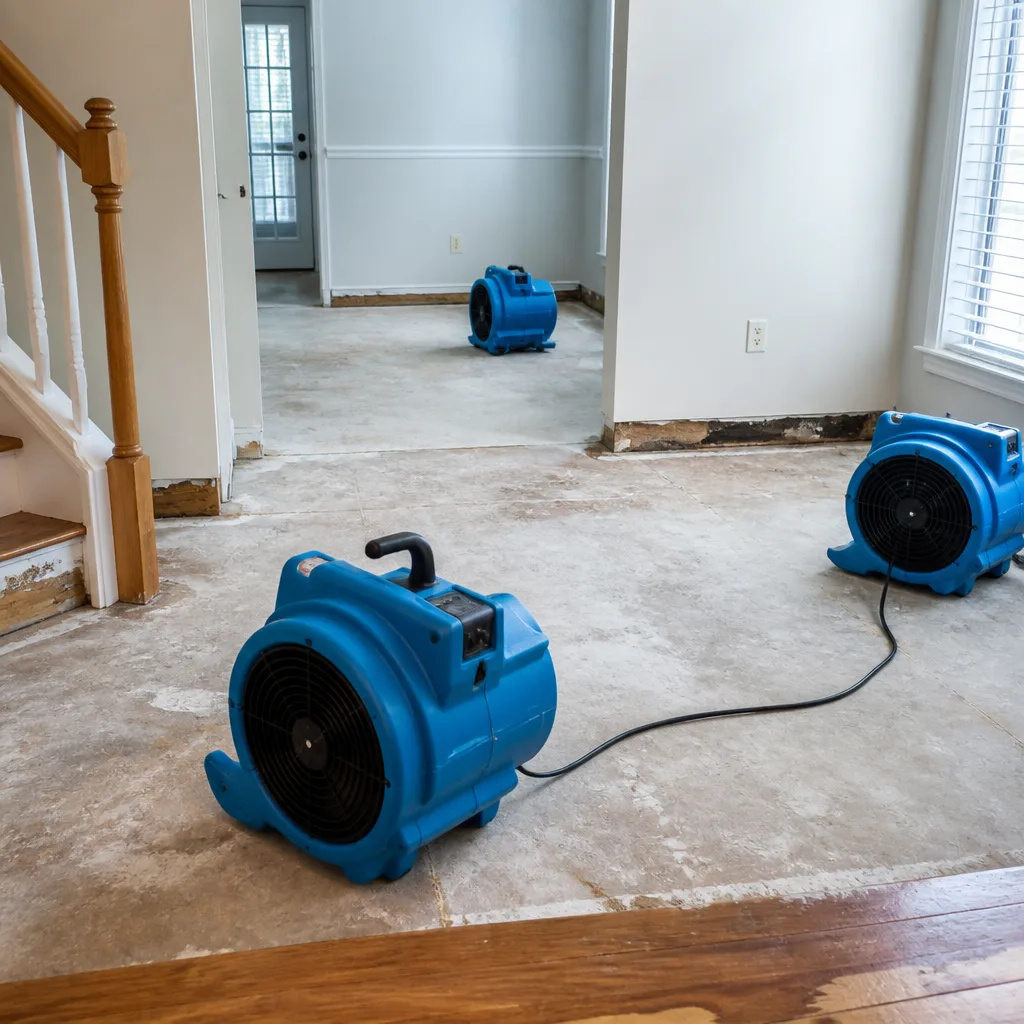

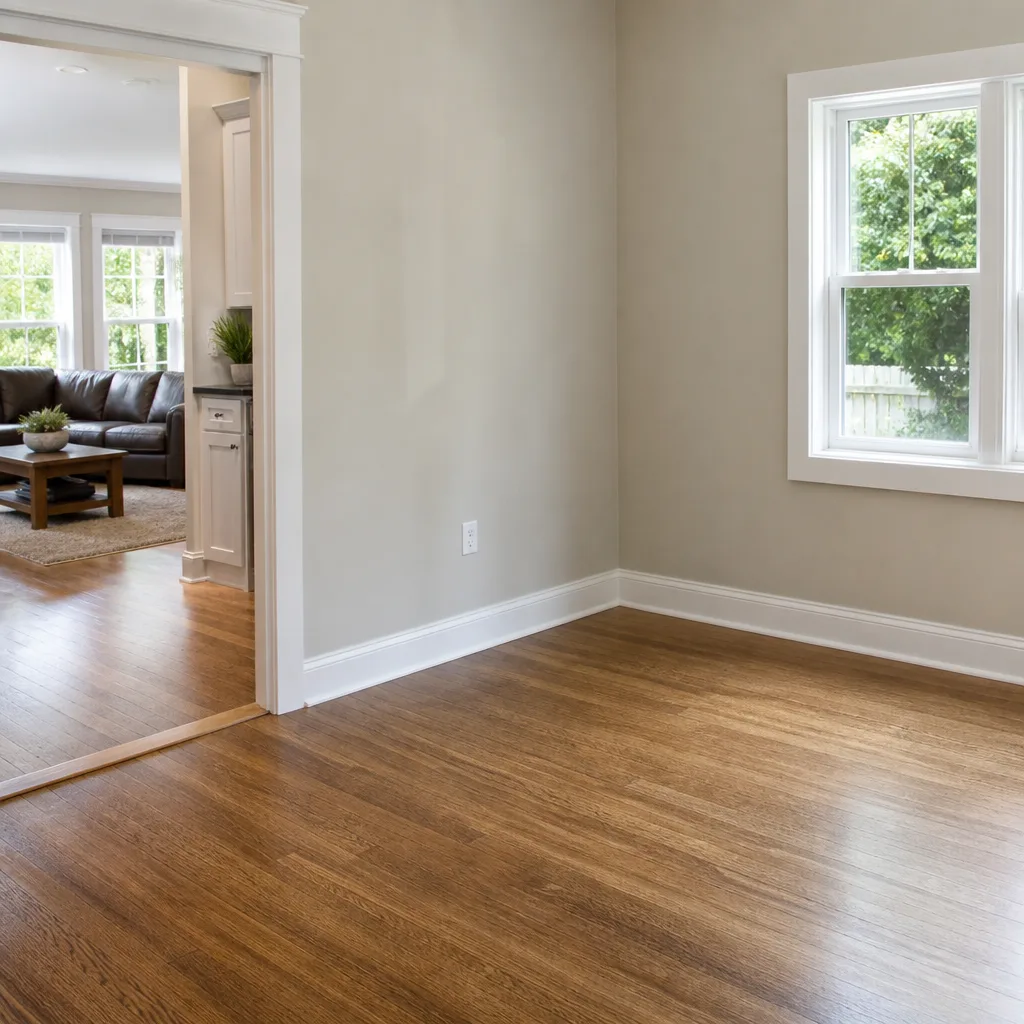

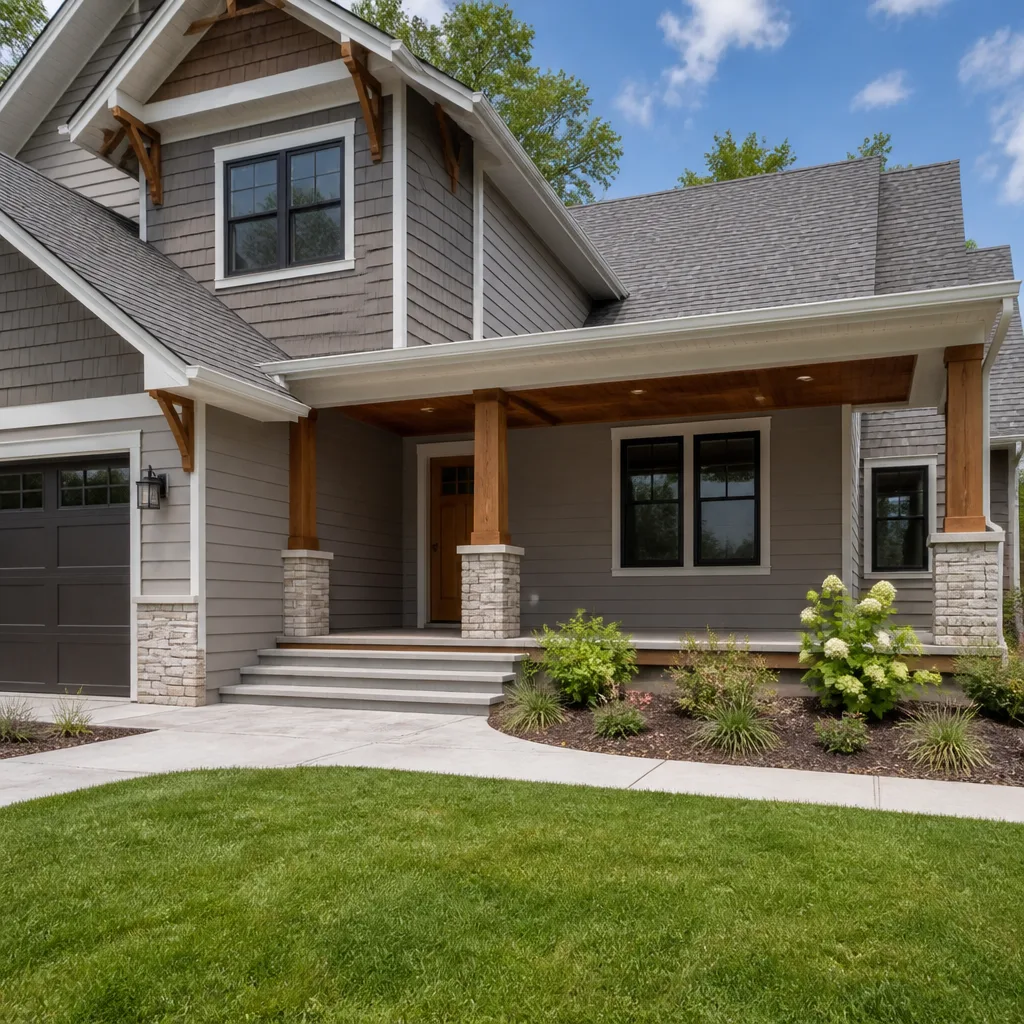
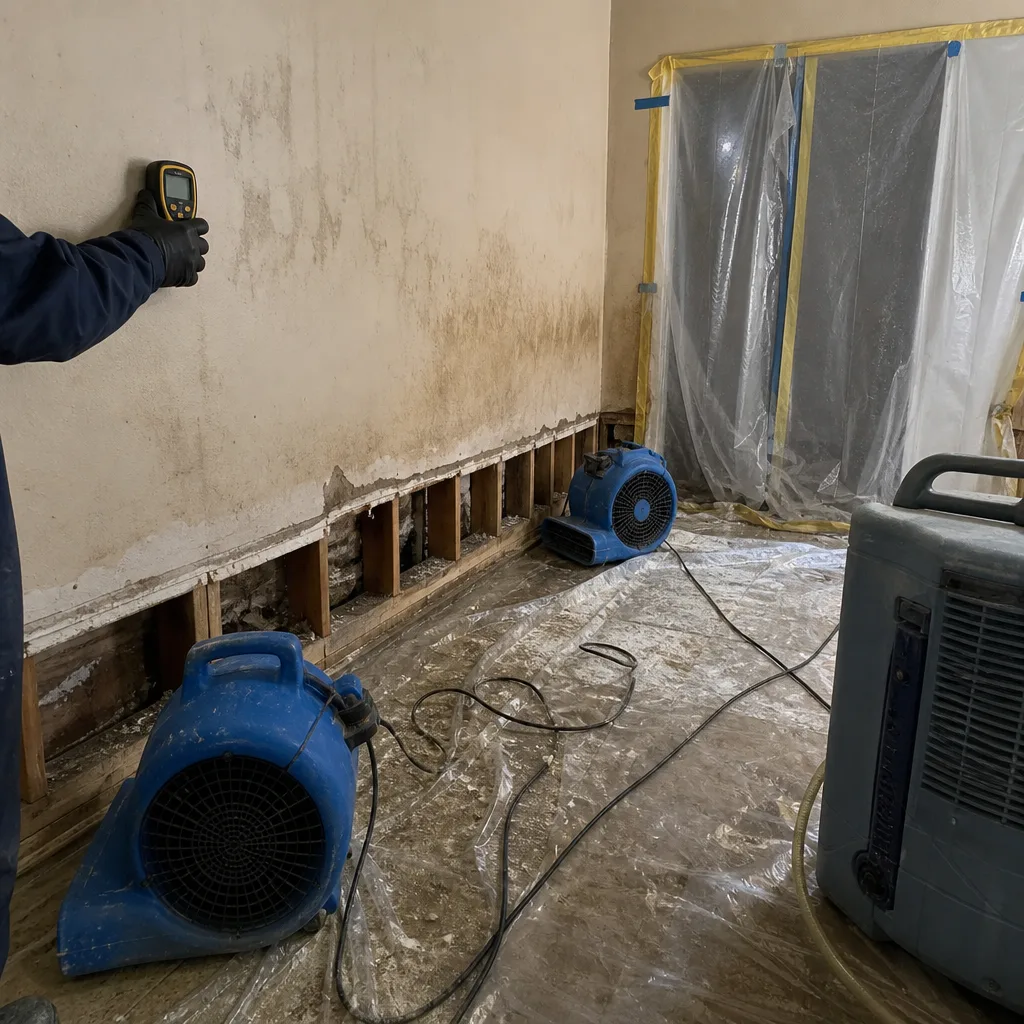 Before
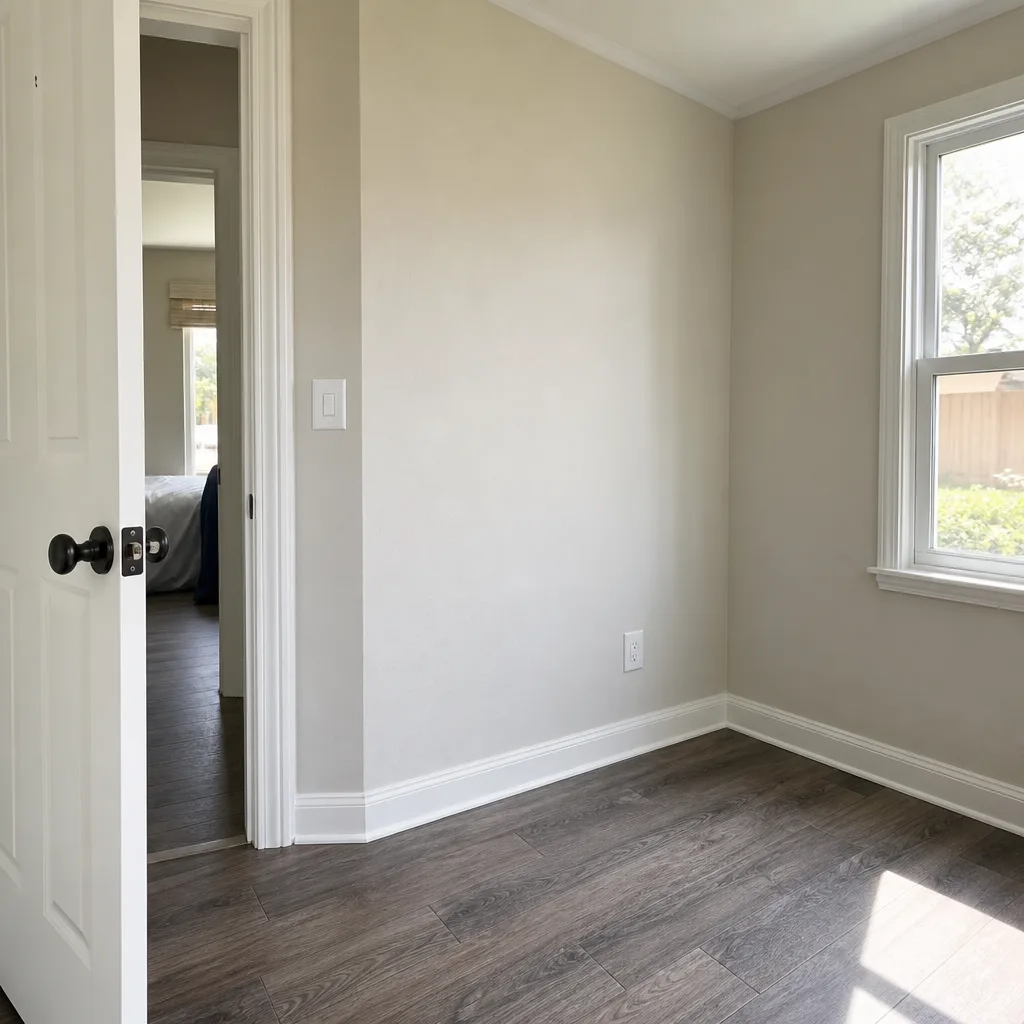 After
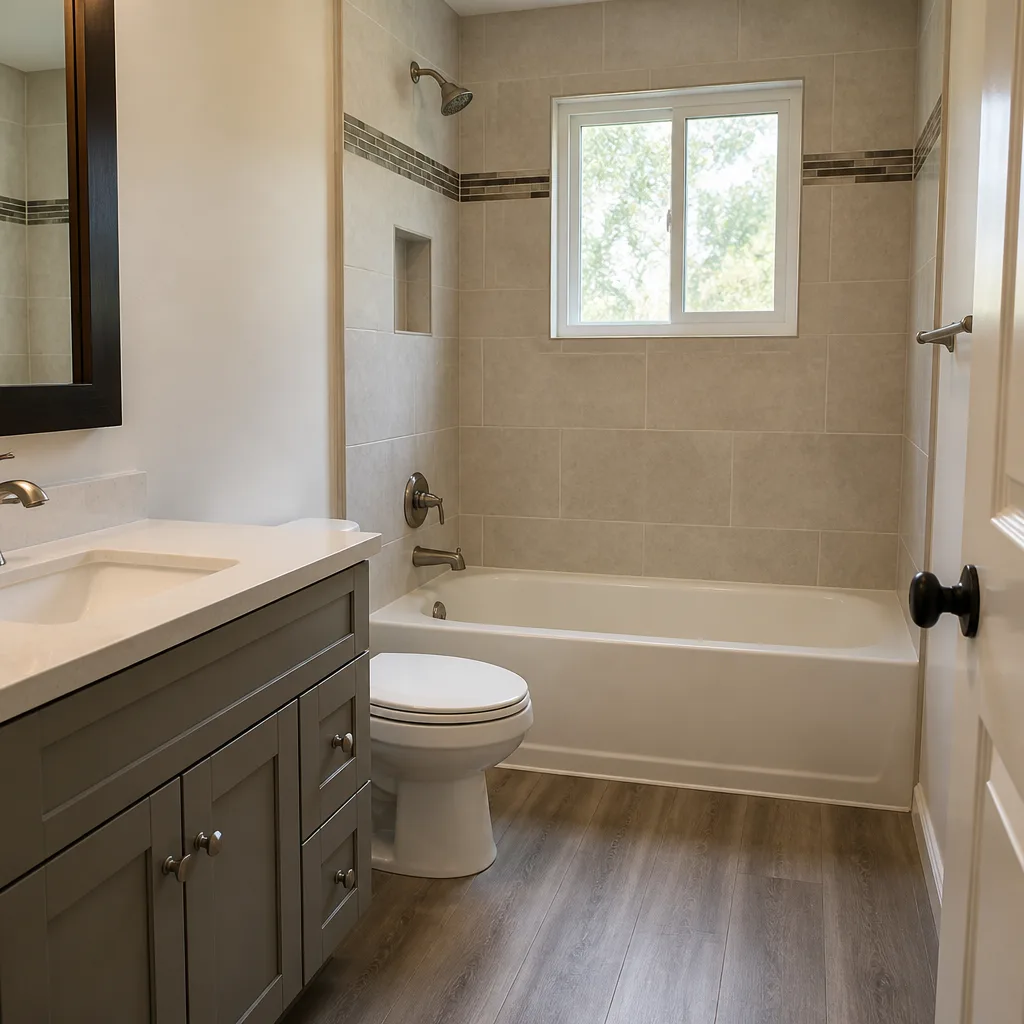
After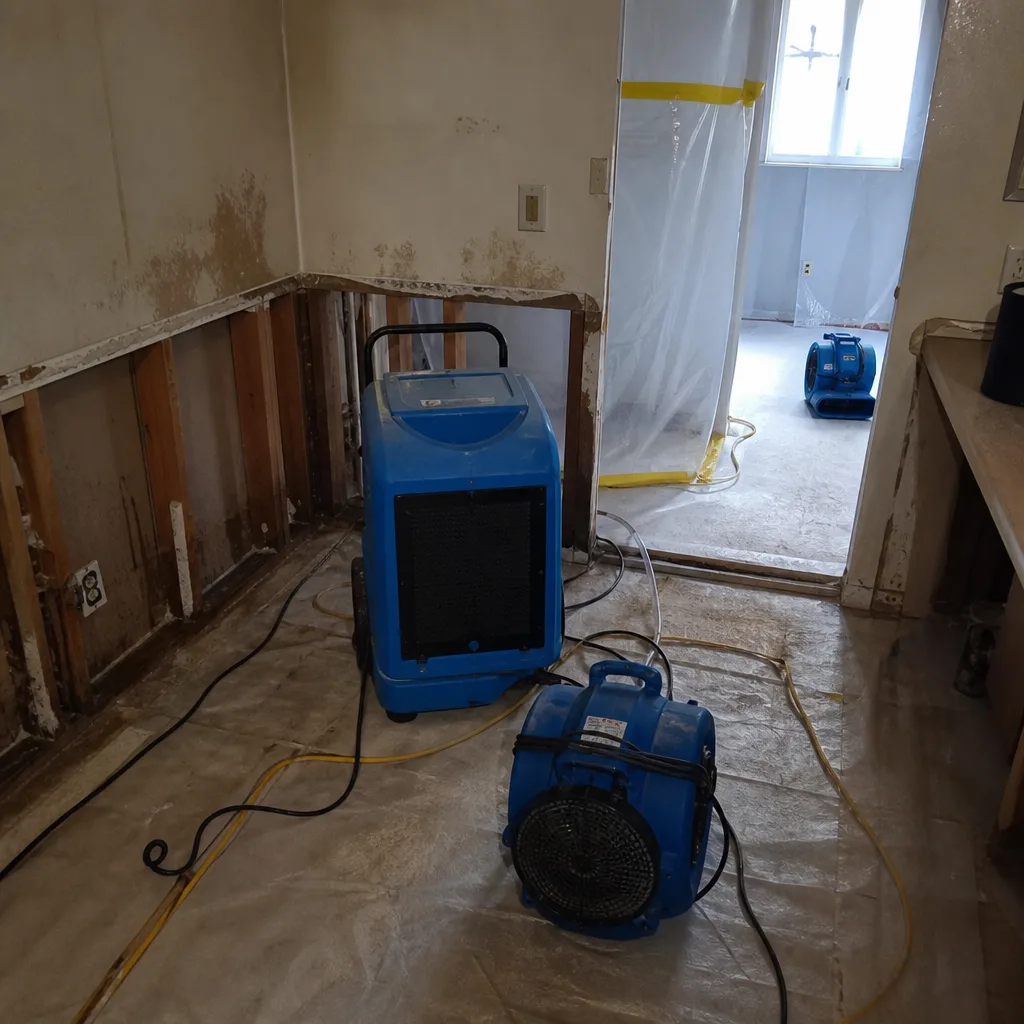 Before
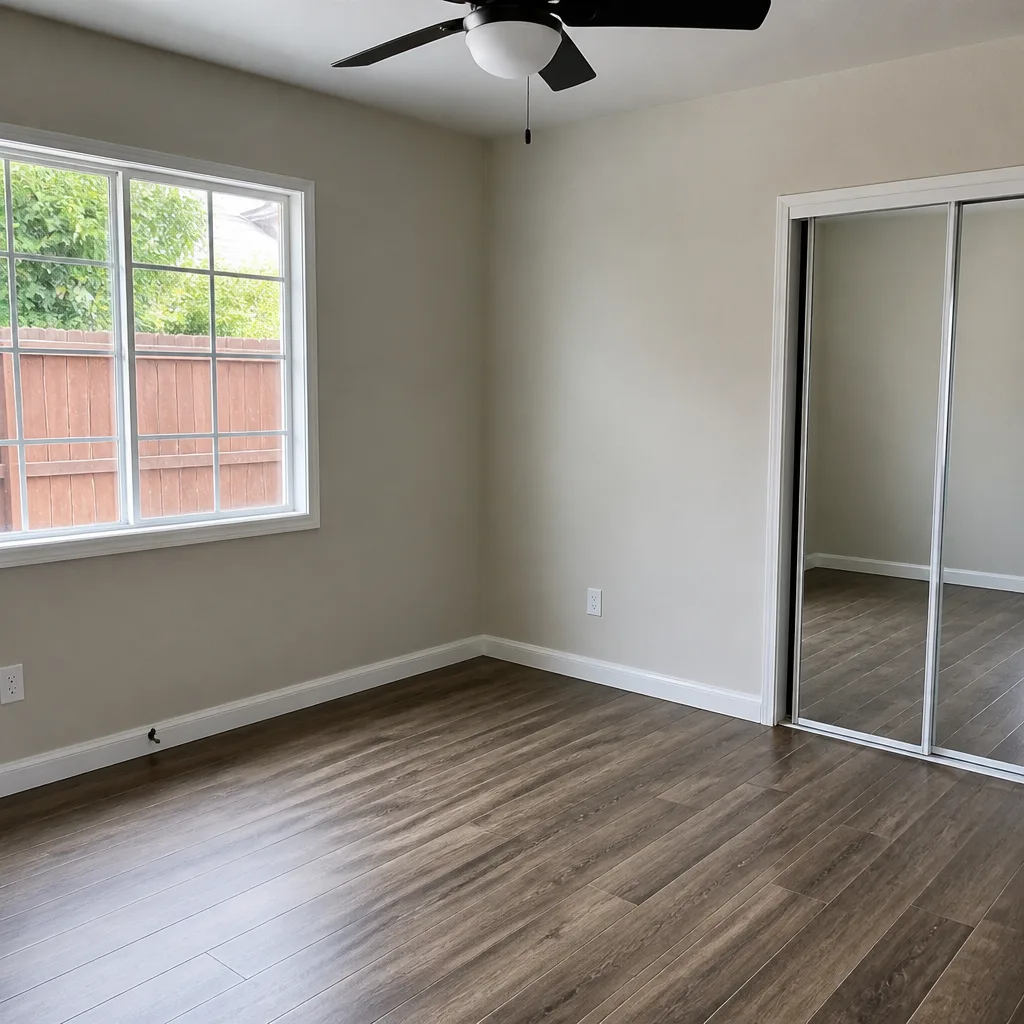 After
After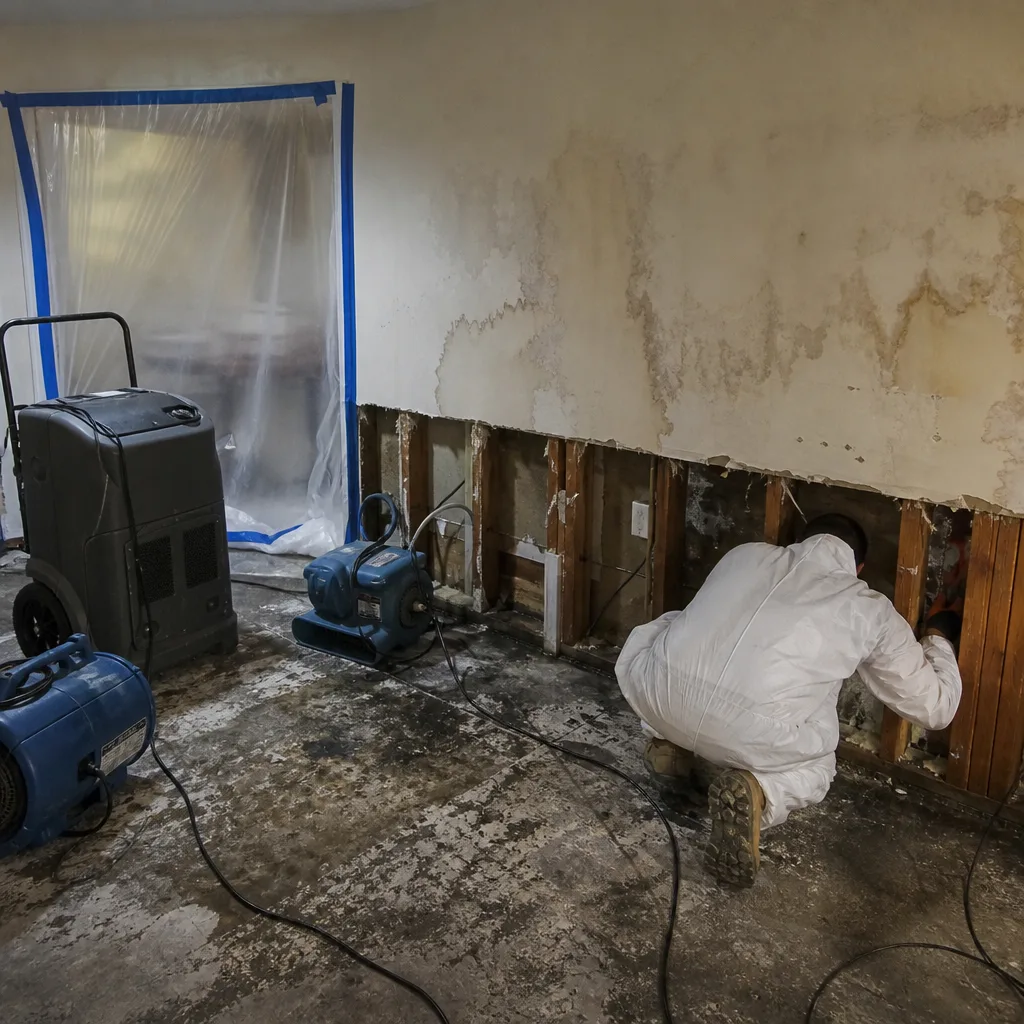 Before
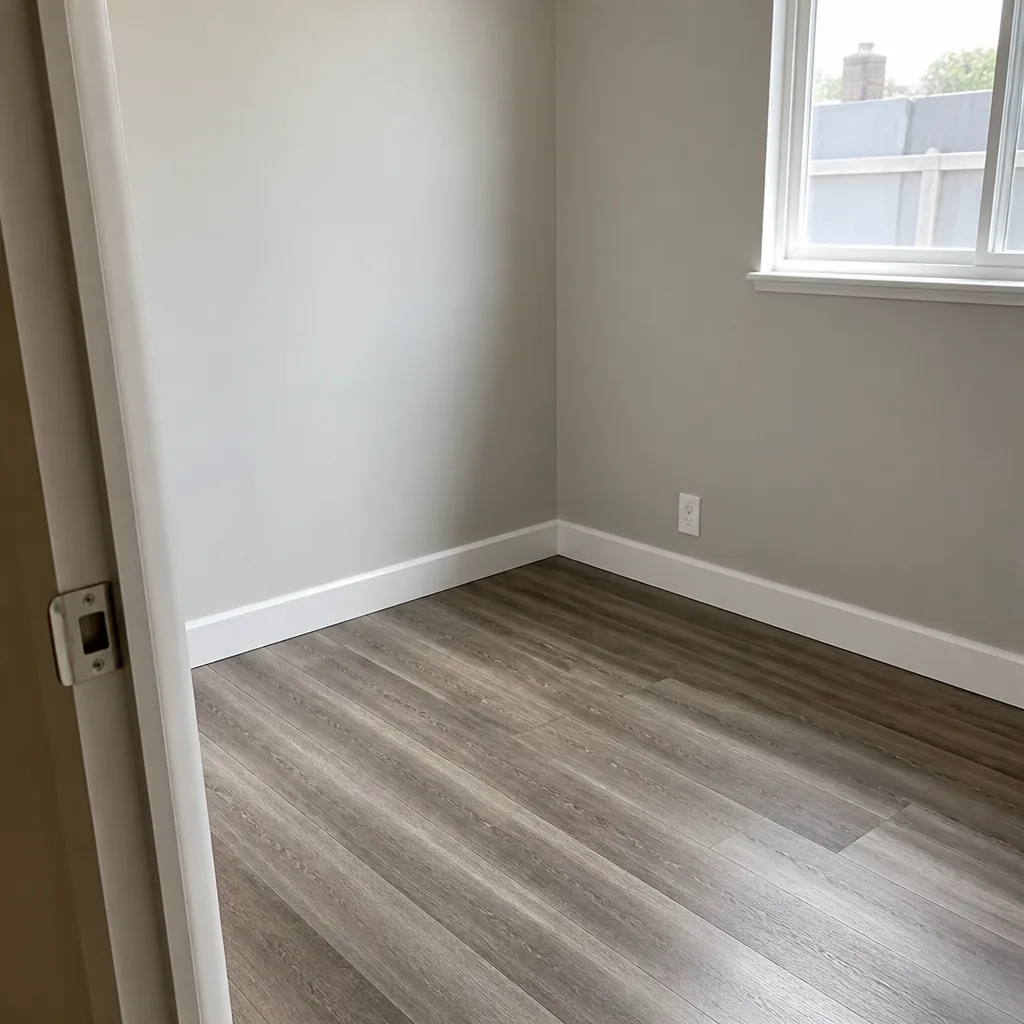 After
AfterFast, Reliable Water Damage Restoration Across Spring Valley
Water damage restoration in Spring Valley typically costs $2,800-$6,500 for a standard residential drying job, with emergency extraction calls starting at $450-$950 and most crews arriving within 60-90 minutes during business hours. We’re Back to Dry Restoration, and our Water Damage Restoration team dispatches to Spring Valley from our San Diego office with live phone coverage 24 hours a day, 7 days a week - no voicemail, no next-business-day callbacks while water is still moving through your walls.
Spring Valley’s canyon-edge hillside lots and dense post-war tract blocks present a specific damage profile we see weekly: delayed-reveal roof leaks from inland heat expansion-contraction, alley-load access that complicates equipment staging, and the lingering interaction of wildfire ash with moisture in wall cavities. We know the difference between a Jamacha Road ranch home with galvanized plumbing and a townhome off Sweetwater Road with standard copper - and we adjust our extraction and drying protocols before the truck arrives.
Call (619) 486-5459. A live person answers. We deliver a written price before anyone starts work, every time. Haven Standard, Clause 1.
Why DryMark Restoration Chula Vista Is Spring Valley’s Preferred Water Damage Restoration Company
We’ve restored water-damaged properties in Spring Valley since 2011, and our reputation here is built on documentation that survives adjuster scrutiny. Our 12,000+ homes restored across our service area include hundreds in Spring Valley’s 91977 and 91978 ZIP codes, from canyon-rim ranches off Harbison Canyon Road to compact tracts near Bancroft Elementary. Spring Valley homeowners leave reviews that mention the same things: the written price that matched the final invoice, the photo record they forwarded to their insurance company, the drying logs that justified every equipment day.
Response time to Spring Valley runs 60-90 minutes during standard hours for emergency water extraction, with after-hours dispatch coordinated through our 24/7 live line. Our crews know to check for asbestos-containing popcorn ceiling texture before opening any ceiling assembly in pre-1978 Spring Valley construction, and they carry the abatement certifications to maintain containment without stopping the job for a subcontractor.
We coordinate directly with adjusters on Spring Valley claims, providing photo-documented assessments, daily moisture readings, and written scopes that map to IICRC S500 standards. The documentation gap that costs homeowners their claims is the problem our founder, Alicia Brennan, built this company to solve.
Our Water Damage Restoration Services in Spring Valley
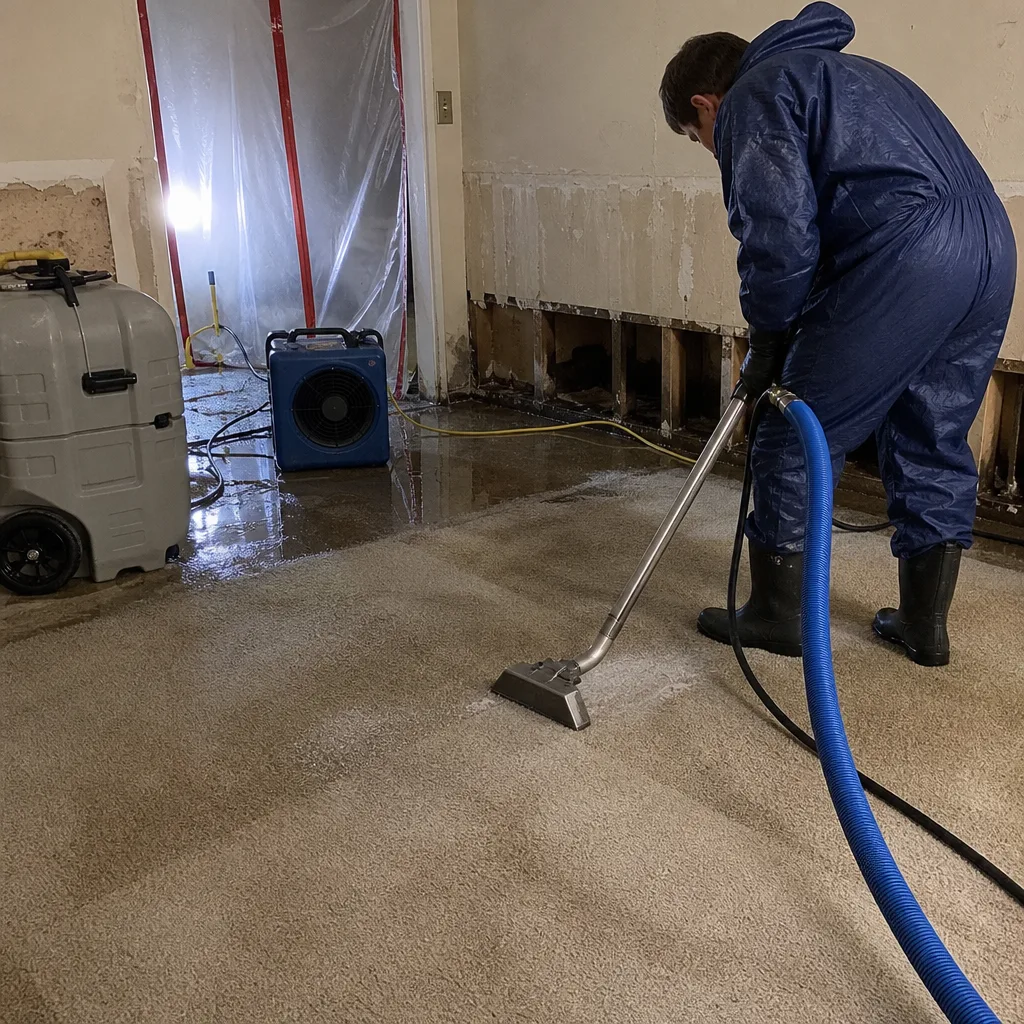
Emergency Water Extraction
Spring Valley’s winter rain events channel rapid runoff through canyon topography, and we’ve extracted standing water from lower-lying ranch homes near Sweetwater River tributaries within two hours of the call. Our truck-mounted extraction systems from Dri-Eaz and Phoenix handle Category 1 clean water, Category 2 gray water, and Category 3 black water losses - the classification matters because it determines whether materials can be restored or must be removed, and we document the category in our initial photo record before extraction begins.
On alley-load properties in Spring Valley’s dense 1950s-70s tracts, we run longer hose configurations and stage secondary extraction units at the entry point to maintain suction efficiency. We don’t let access constraints compromise the extraction total.
Structural Drying & Dehumidification
Spring Valley’s inland heat creates a specific drying challenge: materials that have absorbed moisture through heat-stressed roof penetrations often hold that moisture in wall cavities and attic spaces that standard surface drying misses. We map moisture across every affected assembly with penetrating and non-penetrating meters, then deploy Dri-Eaz and XPOWER air movers with LGR dehumidifiers positioned for vapor pressure differential - the measurable force that drives moisture from wet materials into the dry air stream.
Our daily drying logs record psychrometric data (temperature, relative humidity, specific humidity, and dew point) for each affected room. These logs become the documentation your adjuster needs to approve equipment rental days. We don’t remove equipment until the readings confirm materials have reached their dry standard.
Flood Cleanup
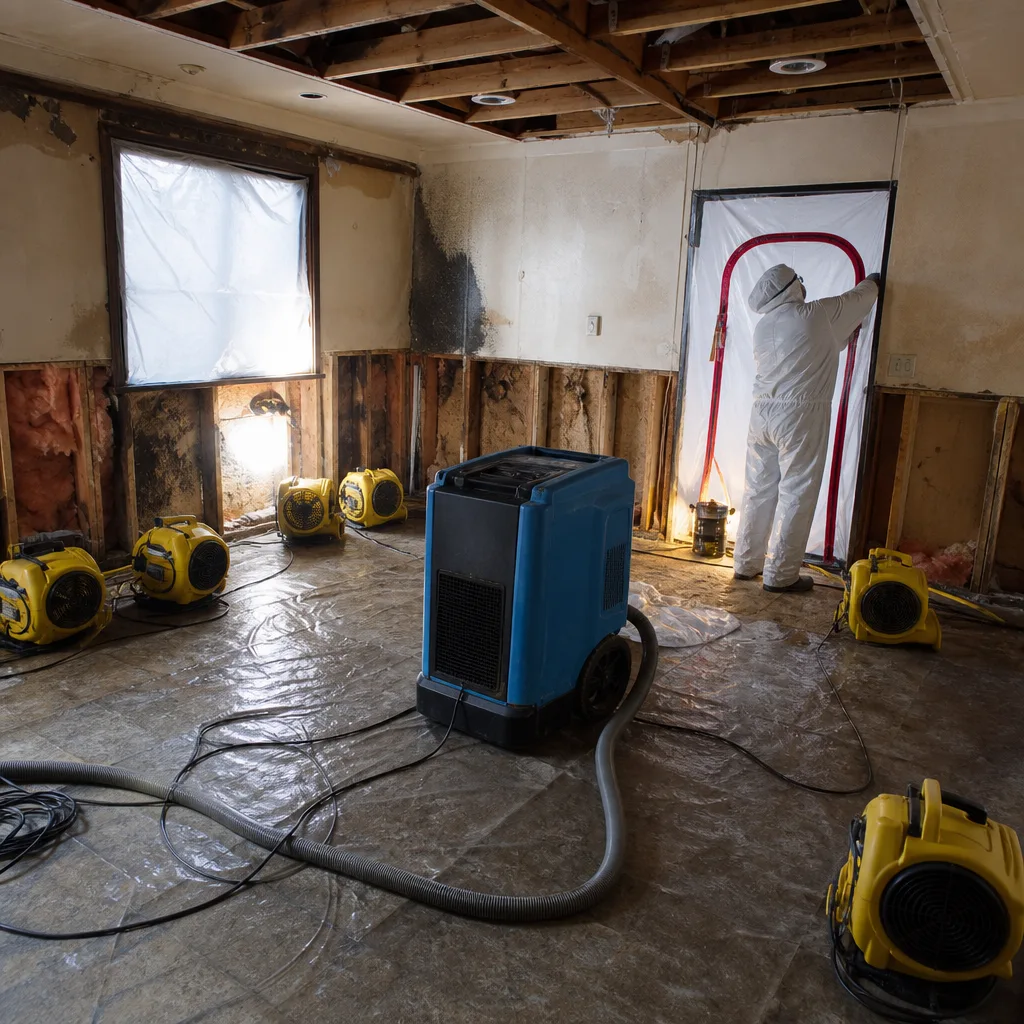
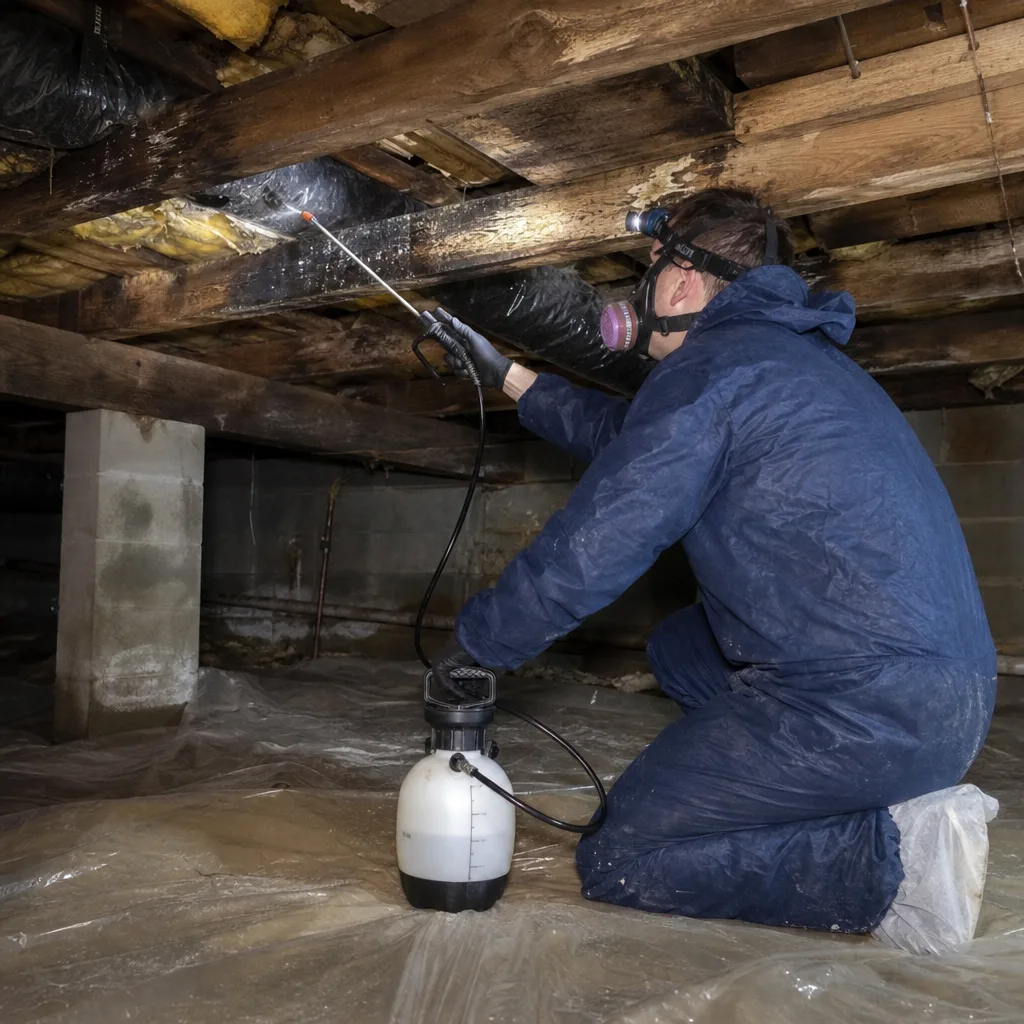
Flash flooding in Spring Valley’s canyon drainage zones can deposit sediment and contaminants that require more than extraction. We classify floodwater by source and contamination level, remove compromised porous materials per IICRC protocol, and apply antimicrobial treatments where the scope warrants. Every flood cleanup in Spring Valley includes inspection of non-standard grading and drainage that may have contributed to the intrusion, documented in the photo record we deliver at job close.
Burst Pipe Restoration
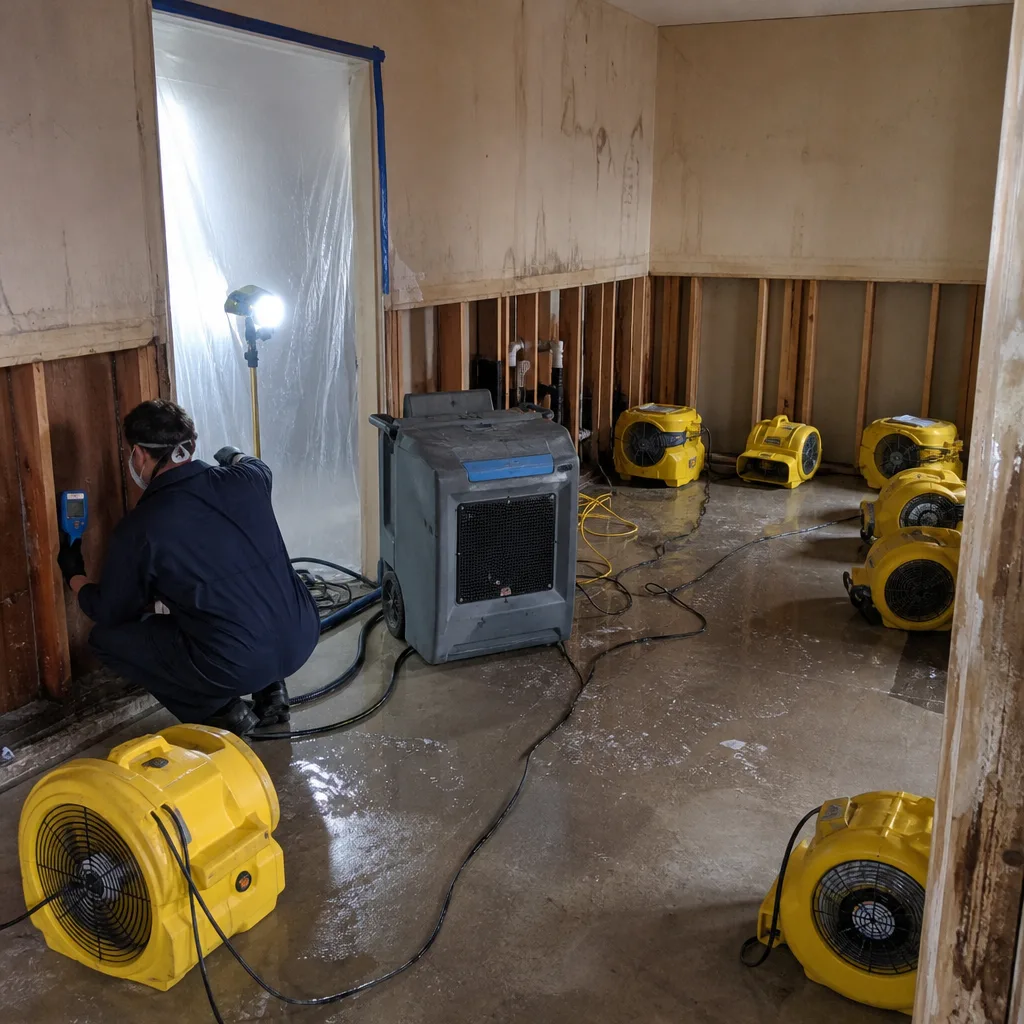
Galvanized supply plumbing in Spring Valley’s post-war ranches corrodes from the inside, producing pinhole leaks that weep slowly behind walls for weeks before visible damage appears. We don’t just dry the surface stain. Our moisture mapping traces the full extent of the leak path, identifies whether the supply line requires replacement, and documents the affected square footage and material classifications for your claim file.
Ceiling & Roof Leak Water Damage
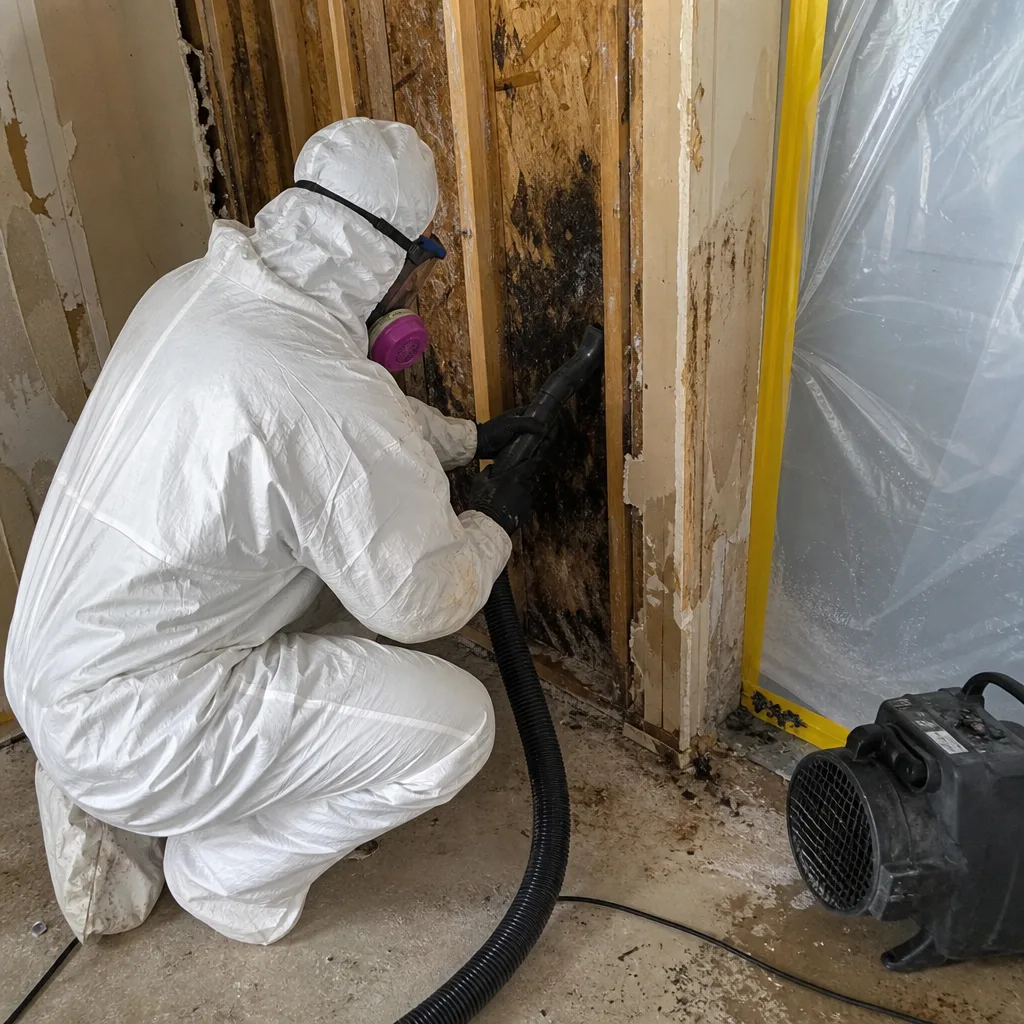
This is where Spring Valley’s unique damage profile shows most clearly. The inland heat cycling that cracks roof penetrations and deteriorates flashing often creates entry points a full season before water appears inside. We were called to a canyon-rim property off Jamacha Road where a homeowner saw staining on a popcorn ceiling in a 1960s ranch home but no active drip. Our techs ran moisture mapping and moisture readings across the ceiling assembly, found elevated readings from a roof penetration that had cracked during summer heat cycling, then set containment before opening the ceiling because the texture tested as possible asbestos-containing material. After abatement clearance, we completed structural drying with Dri-Eaz and Phoenix air movers and dehumidification, documented everything in drying logs, and closed the scope of work with an antimicrobial treatment on the affected wall cavity.
What happens when you call
- 1
A real person answersNo phone trees - you reach a local pro.
- 2
You get an upfront price rangeHonest numbers before anyone is dispatched.
- 3
A background-checked tech heads outLicensed & insured, dispatched right away.
- 4
You approve before work beginsNothing starts until you say go.
BeforeAfterTrusted Brands We Service in Spring Valley
Our equipment inventory includes professional-grade drying systems from Dri-Eaz, Phoenix, and XPOWER - brands we deploy specifically for Spring Valley’s inland climate conditions, where higher vapor pressure differentials demand more aggressive dehumidification than coastal San Diego jobs. We stock HEPA filtration, negative air machines, and containment materials sized for Spring Valley’s compact ranch and townhome footprints, so we don’t lose time sourcing equipment while water continues to migrate through your structure. Every piece is documented to IICRC, RIA, and IFA standards, and the serial numbers go in your job file.
Common Water Damage Restoration Problems We See in Spring Valley Homes
- Delayed-reveal roof leaks from heat cycling. Spring Valley’s dry inland heat causes expansion-contraction stress on roofing and exterior materials that coastal cities don’t experience. A crack opens in August; the water doesn’t show until January’s first rain. By then, the roof deck, insulation, and ceiling assembly may all hold elevated moisture.
- Galvanized plumbing pinhole weep behind walls. The 1950s-70s ranch stock common off Jamacha Road and Sweetwater Road still runs galvanized supply lines that corrode internally. Surface drying without moisture mapping leaves the hidden leak path active, with mold growth beginning within 24-48 hours.
- Fire-season ash and moisture interaction in wall cavities. East County wildfires deposit particulate in attics and wall cavities even in homes never directly threatened. When winter moisture intrusion follows, that ash becomes a contamination source that standard drying protocols don’t address. We check for it on every Spring Valley water job.
- Alley-load access compromising extraction efficiency. Dense post-war tracts with rear-loaded garages or narrow side yards force equipment staging in the street. Crews that don’t plan for this run insufficient hose lengths, reduce extraction totals, and leave moisture that extends drying days and claim costs.
Pricing for Water Damage Restoration in Spring Valley, CA
Most residential water damage restoration jobs in Spring Valley fall between $2,800 and $6,500, with the final cost driven by water category, affected square footage, and whether asbestos abatement is required for pre-1978 construction. Emergency water extraction typically runs $450-$950 for the initial callout, structural drying and dehumidification adds $1,200-$3,200 depending on equipment days, and Category 3 black water losses requiring material removal and antimicrobial treatment range $4,500-$8,500+.
| Service Component | Spring Valley Price Range |
|---|---|
| Emergency Water Extraction | $450 - $950 |
| Structural Drying & Dehumidification | $1,200 - $3,200 |
| Flood Cleanup (Category 1-2) | $2,200 - $4,800 |
| Burst Pipe Restoration | $1,800 - $4,500 |
| Ceiling/Roof Leak Damage Repair | $2,500 - $6,000 |
| Category 3 Black Water Remediation | $4,500 - $8,500+ |
Spring Valley’s older housing stock increases abatement costs when popcorn ceiling texture or asbestos floor tile is involved - typically $800-$2,400 additional, but we test and quote this in writing before disturbing any material. Haven Standard, Clause 1: written price before work begins, with no scope-creep additions once the crew is inside. We also offer a Free Second Opinion on any competitor’s written estimate.
Call (619) 486-5459 for your written estimate. Estimates are free.
We Also Serve Cities Near Spring Valley
Our Water Damage Restoration in Spring Valley crews also respond to water emergencies in La Mesa, Lemon Grove, El Cajon, and Bonita. Each city’s housing stock and damage profile differs - La Mesa’s older Craftsman homes present different moisture migration patterns than Spring Valley’s ranch tracts - and we adjust our drying protocols accordingly. Dispatch and scheduling are coordinated from our San Diego office.
Serving Spring Valley, CA - Our Local Coverage Area
We’re based in the Spring Valley area and know this community well. Use the map below to see our service coverage - if you’re nearby, we can almost certainly help.
FAQs - Water Damage Restoration in Spring Valley
Spring Valley’s canyon-edge hillside lots combine non-standard grading with 1950s-70s ranch tract construction, so winter runoff frequently finds hidden roof and exterior penetration points created by inland heat expansion-contraction - meaning a leak often shows up a full season after the actual entry point opened. This “delayed-reveal” water entry pattern means by the time you see staining, the roof deck, insulation, and ceiling assembly may already hold extensive moisture. We use moisture mapping to trace the full leak path, not just the visible stain. Call (619) 486-5459 for an exact quote - estimates are free.
Yes. East County wildfires deposit smoke particulate, ash, and ember residue in attics and wall cavities even in homes never directly threatened, and when subsequent moisture intrusion occurs, that contamination requires specialized cleaning before standard drying can proceed. We inspect HVAC systems, attic insulation, and wall cavities for smoke infiltration on every Spring Valley water job, documented in our photo record. Skipping this step is a common callback source we avoid. Call (619) 486-5459 for an exact quote - estimates are free.
We pre-plan equipment staging for alley-load and narrow-lot properties common in Spring Valley’s dense post-war tracts, running sufficient hose lengths from street staging points and deploying secondary extraction units at entry points to maintain efficiency. Our crews carry compact negative air and containment equipment sized for Spring Valley’s smaller footprints. We don’t let access constraints compromise the drying scope. Call (619) 486-5459 for an exact quote - estimates are free.
Category 1 is clean water from a broken supply line; Category 2 is gray water from appliances or sump failures with some contamination; Category 3 is black water from sewage, flooding, or ground intrusion with significant pathogens. The category determines whether materials can be dried in place or must be removed, what PPE our technicians wear, and how your insurance company evaluates the claim. We document the category in our initial photo record before touching any water. Call (619) 486-5459 for an exact quote - estimates are free.
Yes. Every job includes a documented photo record on every visit, daily drying logs with psychrometric data and moisture readings, and a written scope of work - all produced to IICRC, RIA, and IFA standards. This documentation is the core of what we do; it’s how a restoration invoice becomes a claim an insurer pays without a fight. We coordinate directly with adjusters and provide the evidence they need to approve equipment days and material replacement. Call (619) 486-5459 for an exact quote - estimates are free.
Written by Alicia Brennan, Owner at Back to Dry Restoration, serving Spring Valley since 2011.