
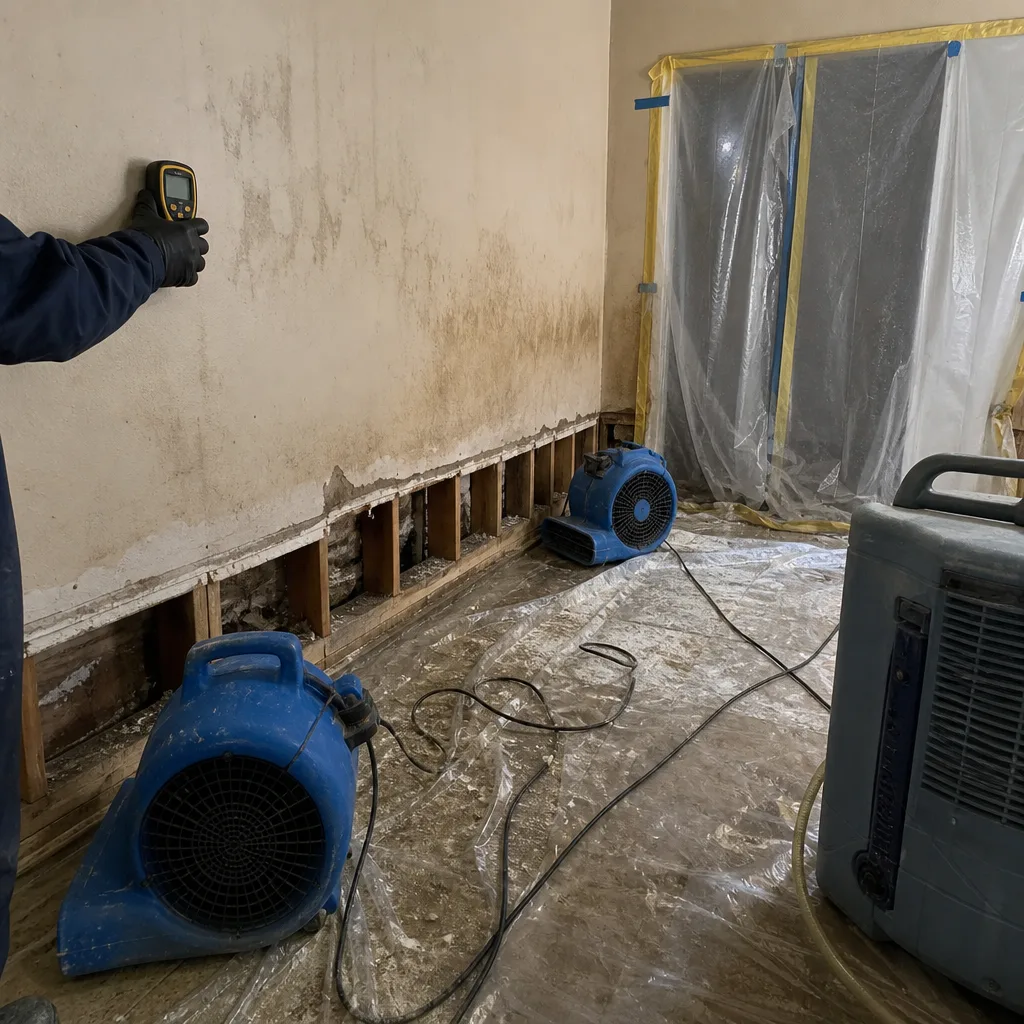
Free visual inspection and a written scope of work before any mitigation begins - photos, moisture readings, and drying logs go in your claim file
The scope we write is the scope we bill. Anything new gets shown to you, in writing, before we touch it.
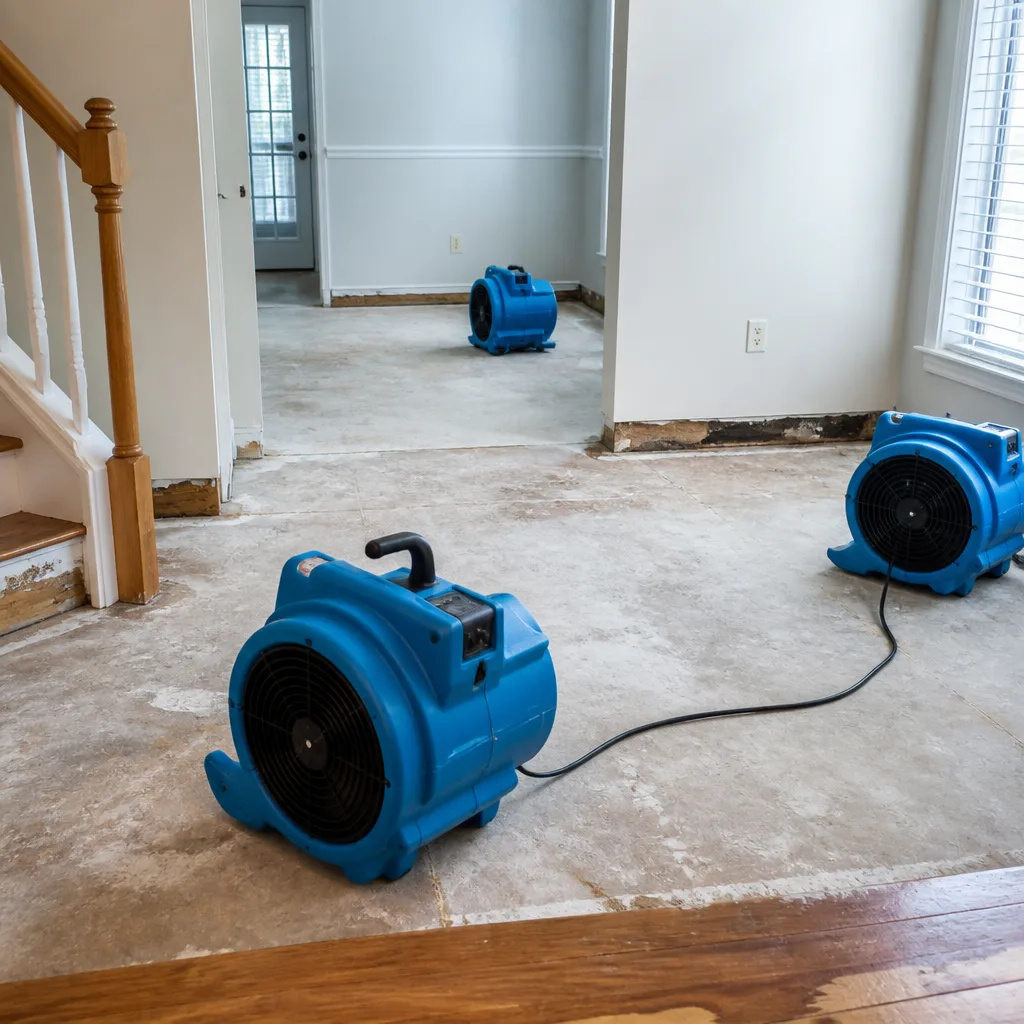
 Before
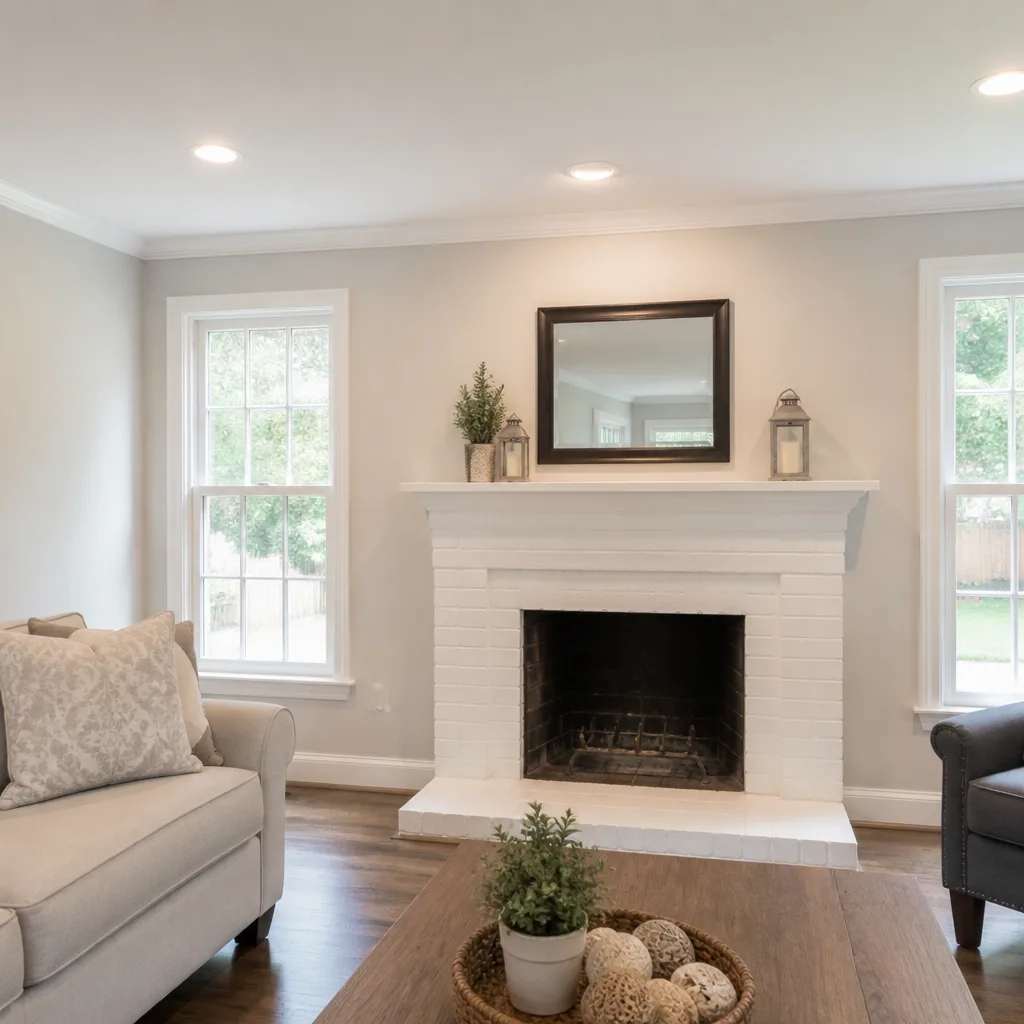
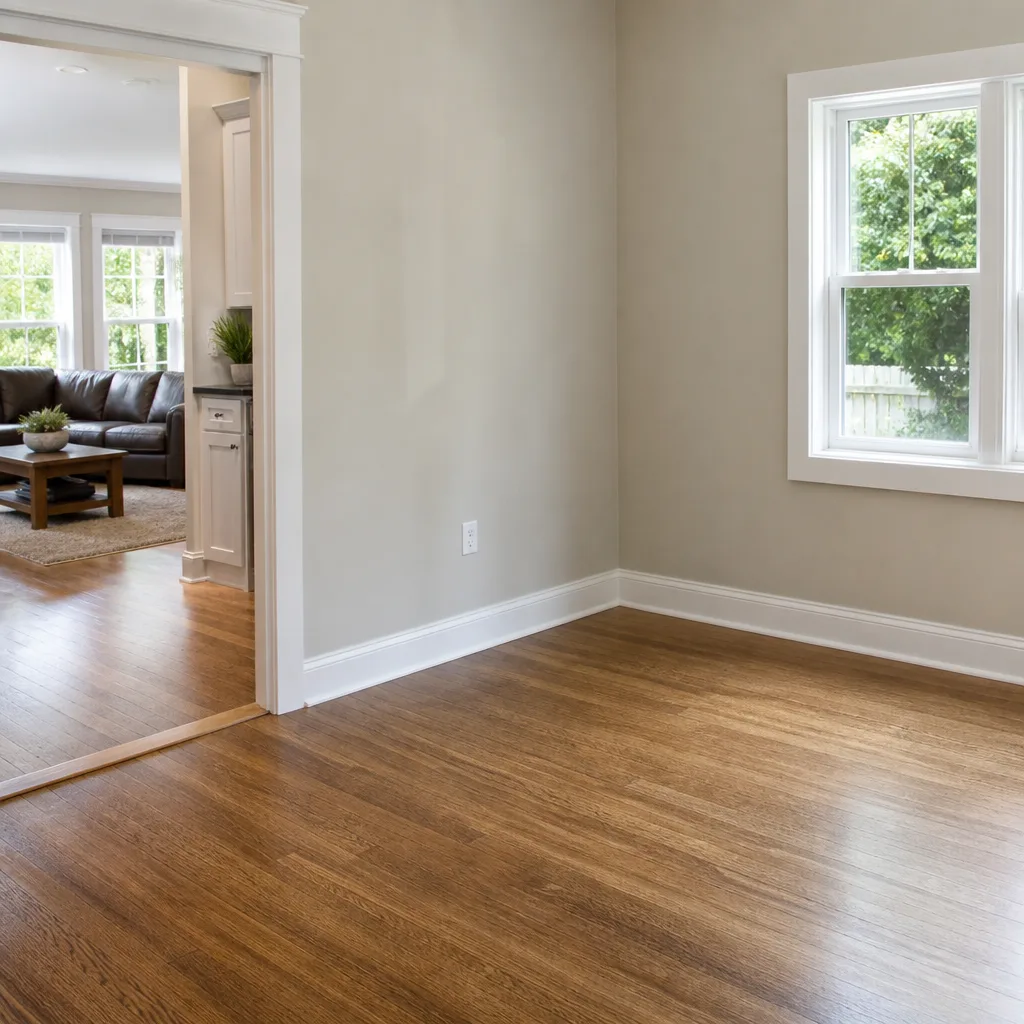
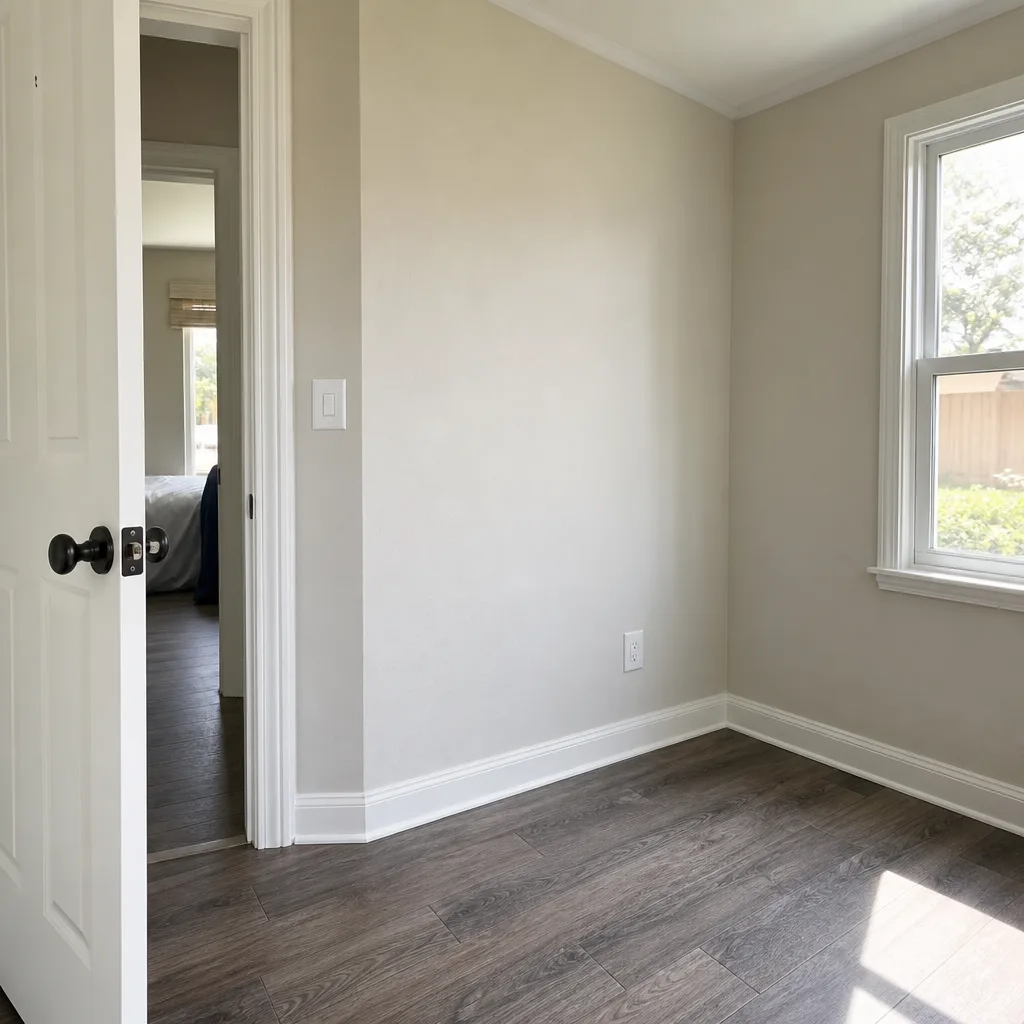 After
After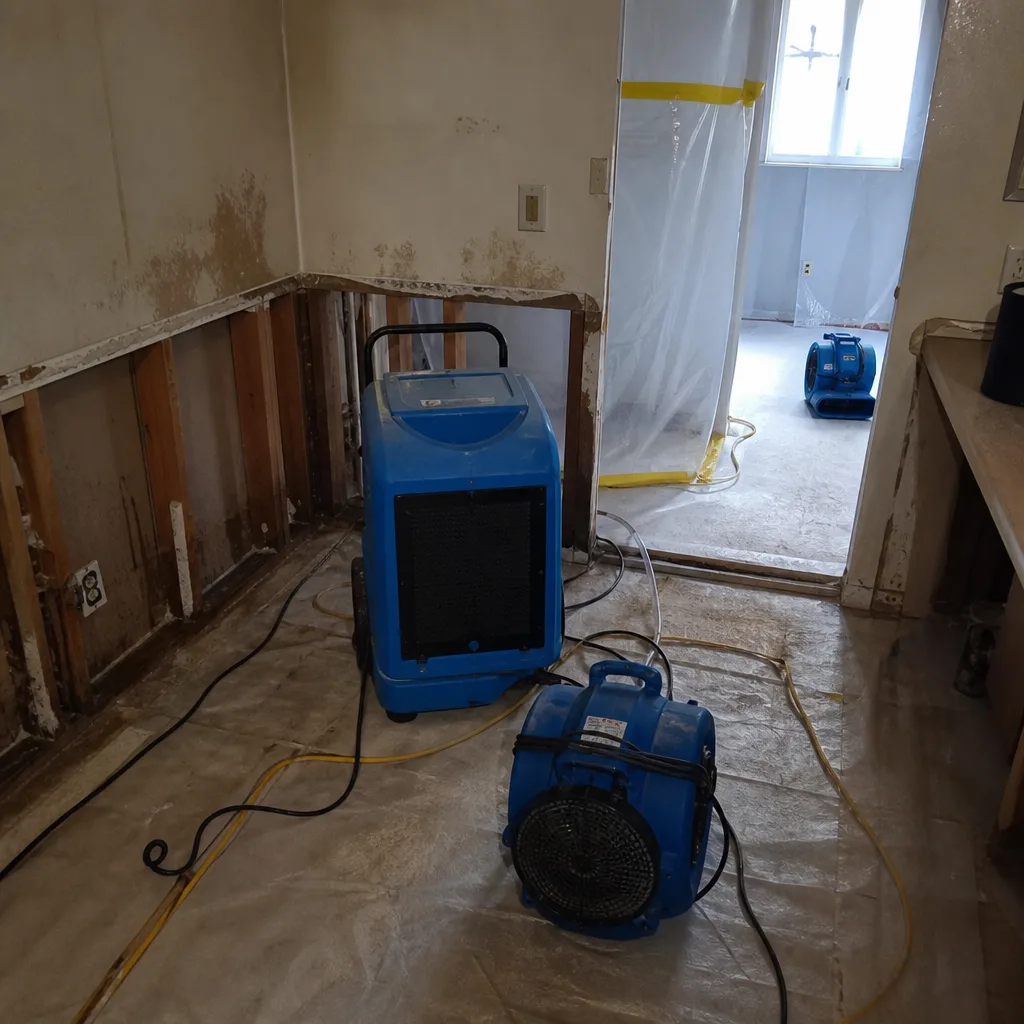 Before
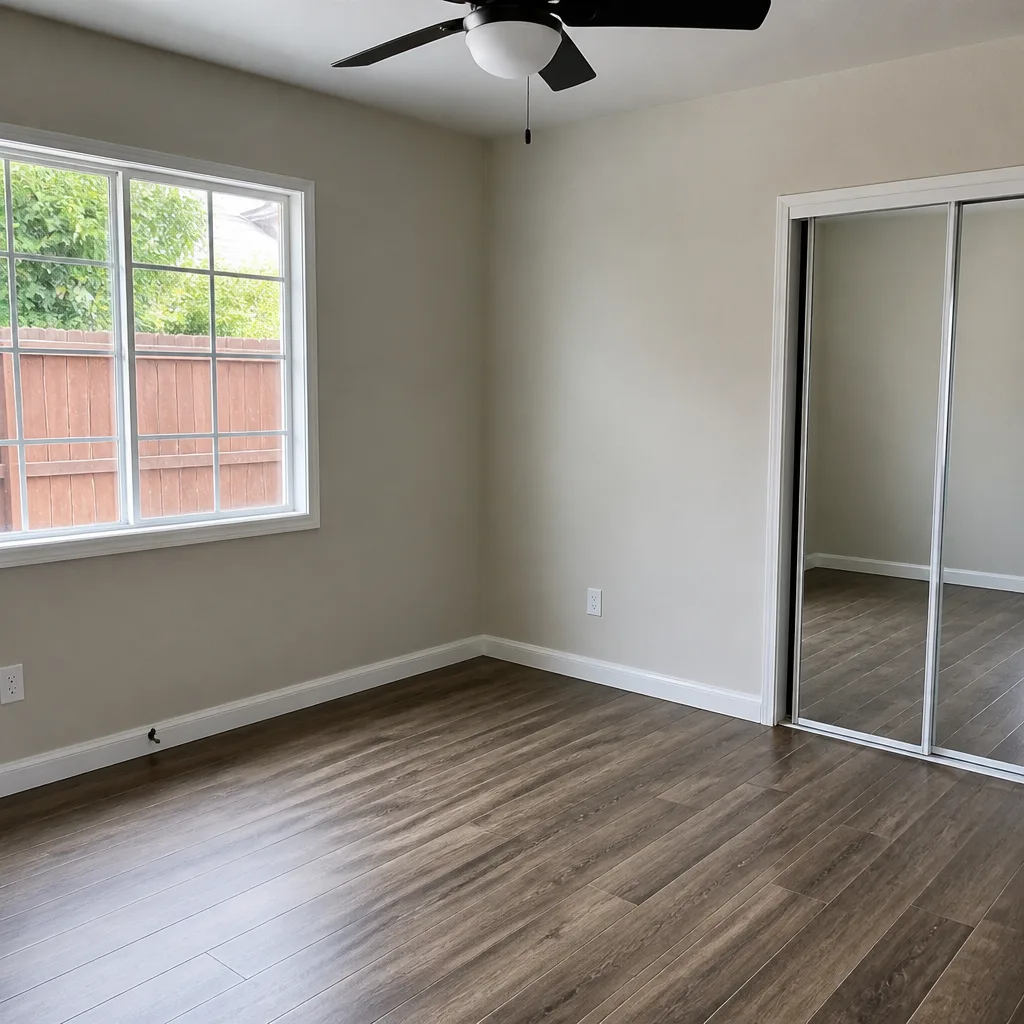 After
After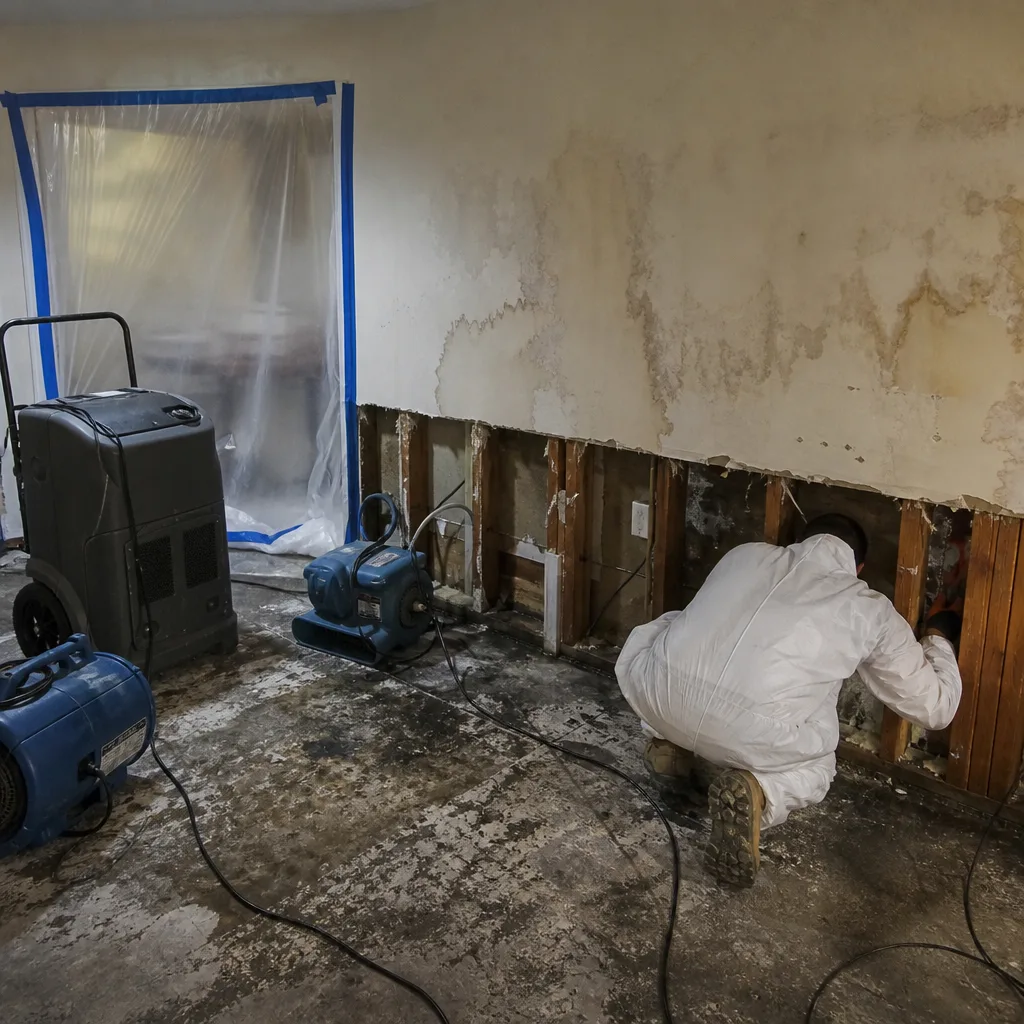 Before
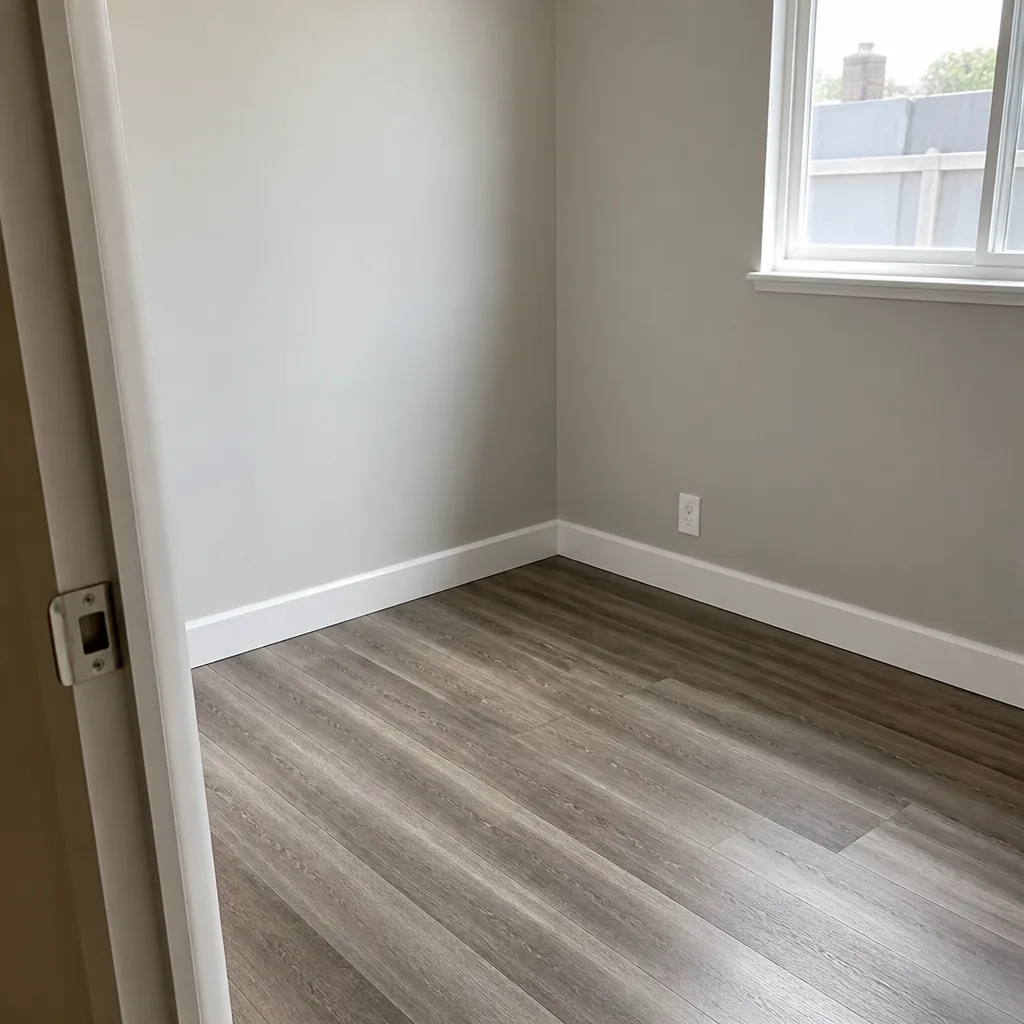 After
AfterFast, Reliable Mold Remediation Across Lakeside
Mold remediation in Lakeside typically runs $1,800-$4,500 for a standard crawl-space or attic job, with full-structure treatments reaching $6,000-$12,000 when fire-then-flood compound damage is involved. Most Lakeside inspections can be scheduled within 24 hours, and our crews dispatch from our San Diego office with equipment staged for the specific challenges this inland corridor presents. Call (619) 486-5459 for a written estimate before any work begins - Haven Standard, Clause 1.
We know Lakeside’s properties well: the 1950s-1970s ranch homes along Wildcat Canyon Road and Channel Road, the rural horse properties with wood-framed outbuildings off Harbison Canyon, and the manufactured home parks near the San Diego River drainage. Each construction type carries its own mold risk profile, especially after the compound fire-then-flood seasons that define restoration work here. Our Mold Remediation team documents every moisture reading, every photo, every drying log to IICRC, RIA, and IFA standards - the documentation that turns an invoice into a payable claim.
Why DryMark Restoration Chula Vista Is Lakeside’s Preferred Mold Remediation Company
Back to Dry Restoration has restored more than 12,000 homes since 2011, every one with a written price before work started and a documented record when the crew left. Alicia Brennan founded the company as a former claims adjuster who watched homeowners lose legitimate claims to sloppy documentation - the gap The Haven Standard was built to close.
In Lakeside specifically, our reputation rests on handling the compound-event seasons that other companies miss. Fall Santa Ana fires push smoke and ash through legacy ranch ductwork; winter rains on fire-denuded hillsides send water into those same crawl spaces three months later. We don’t close a fire-restoration file without scheduling a follow-up moisture inspection before the rainy season. That calendar awareness is why Lakeside homeowners return and refer.
Our live phone coverage runs 24 hours a day, 7 days a week - no voicemail trees, no next-business-day callbacks while moisture is still migrating through subflooring. A real person answers, takes your address, and confirms your appointment with a written scope and price before any technician arrives.
Every technician is background-checked, uniformed, licensed, and insured, with license numbers documented on every job file. You get a photo record on every visit, a daily drying log with psychrometric data (temperature, relative humidity, and vapor pressure differential - the measurable forces that actually drive mold growth), and a 365-Day Done Right Promise stamped under The Haven Standard.
Our Mold Remediation Services in Lakeside
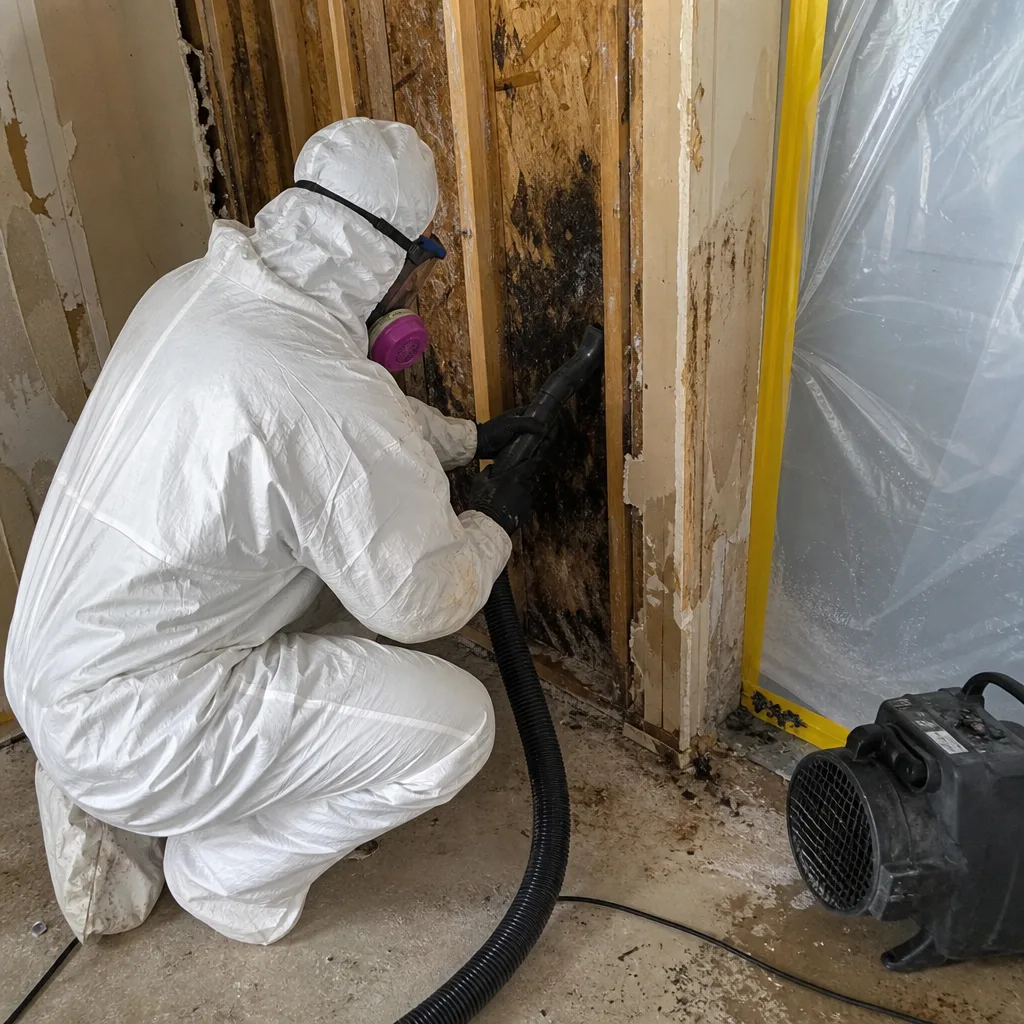
Mold Inspection & Testing
A proper Lakeside inspection starts with understanding the property’s event history. We pull moisture readings from the subfloor, wall cavities, and HVAC plenum - not just visible surfaces. For ranch homes near the San Diego River drainage, we map elevation changes that channel water into crawl spaces. For horse properties with detached structures, we check outbuilding framing that may share drainage patterns with the main residence. Air sampling and surface testing go to a third-party lab; you get the report, we get the remediation protocol. Inspections in Lakeside run $350-$650.
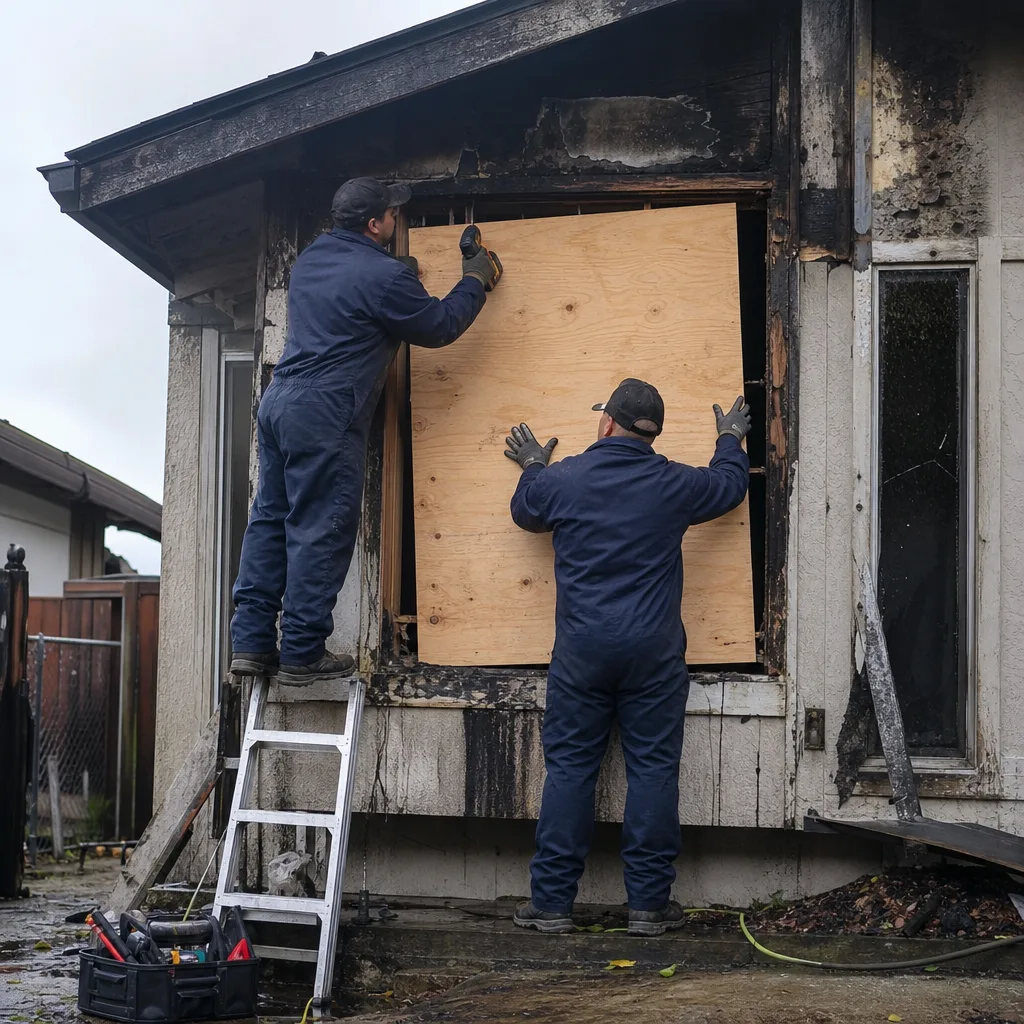
Mold Removal
Removal in Lakeside means containment first, then source-elimination. We erect poly barriers with negative air pressure before disturbing any affected material. For the 1960s-era ranch homes common along Channel Road, this often means removing original plaster or drywall that has absorbed moisture through failed perimeter drainage. We don’t encapsulate over active growth - that’s a future failure guaranteed. Removal pricing for a contained room or crawl-space section typically falls between $1,800 and $3,200 in this market.
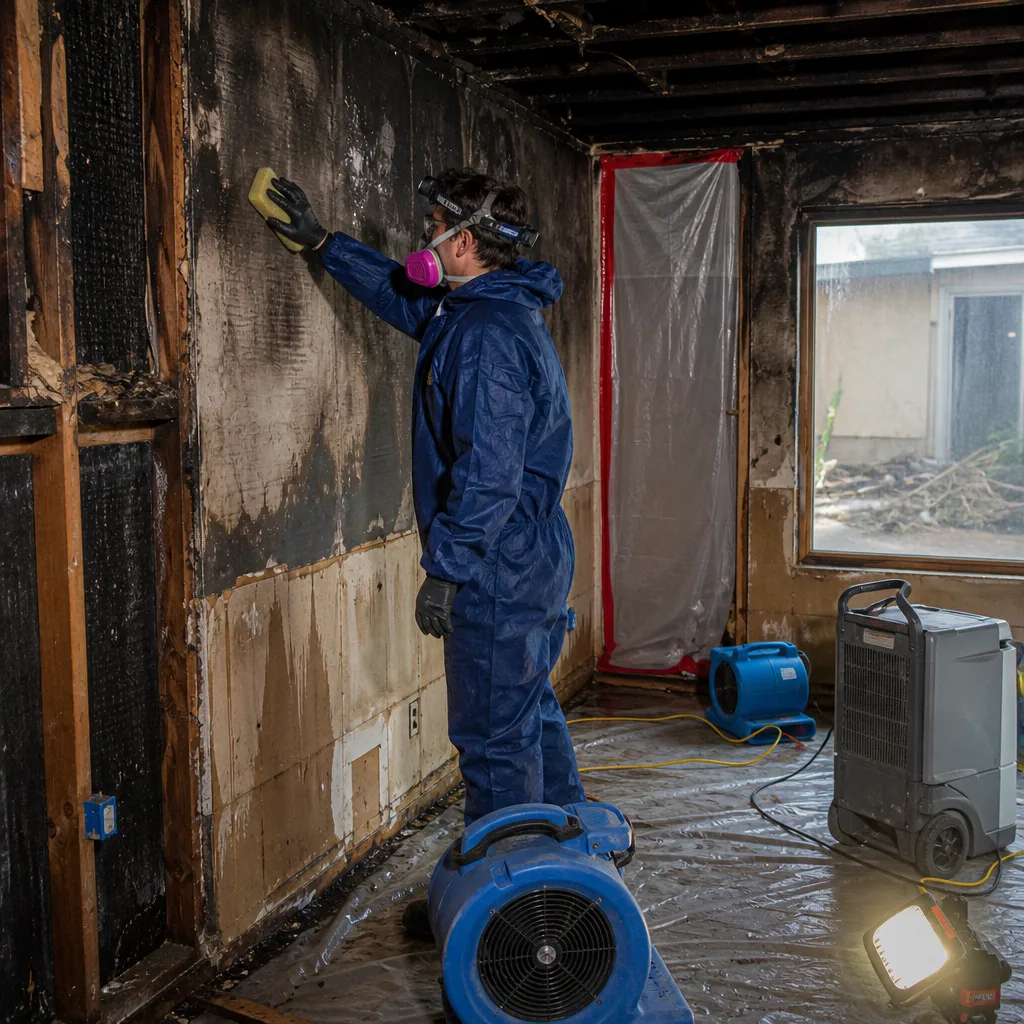
Black Mold Remediation
Stachybotrys and other toxigenic species require protocol-level remediation, not cleaning. In Lakeside’s older housing stock, we find these species most often in crawl spaces that stayed wet after winter debris flows - the second act of the compound fire-then-flood cycle. Remediation includes HEPA filtration, antimicrobial treatment with documented dwell times, and post-remediation verification testing. Full black mold protocols in Lakeside run $3,500-$7,500 depending on square footage and HVAC involvement.
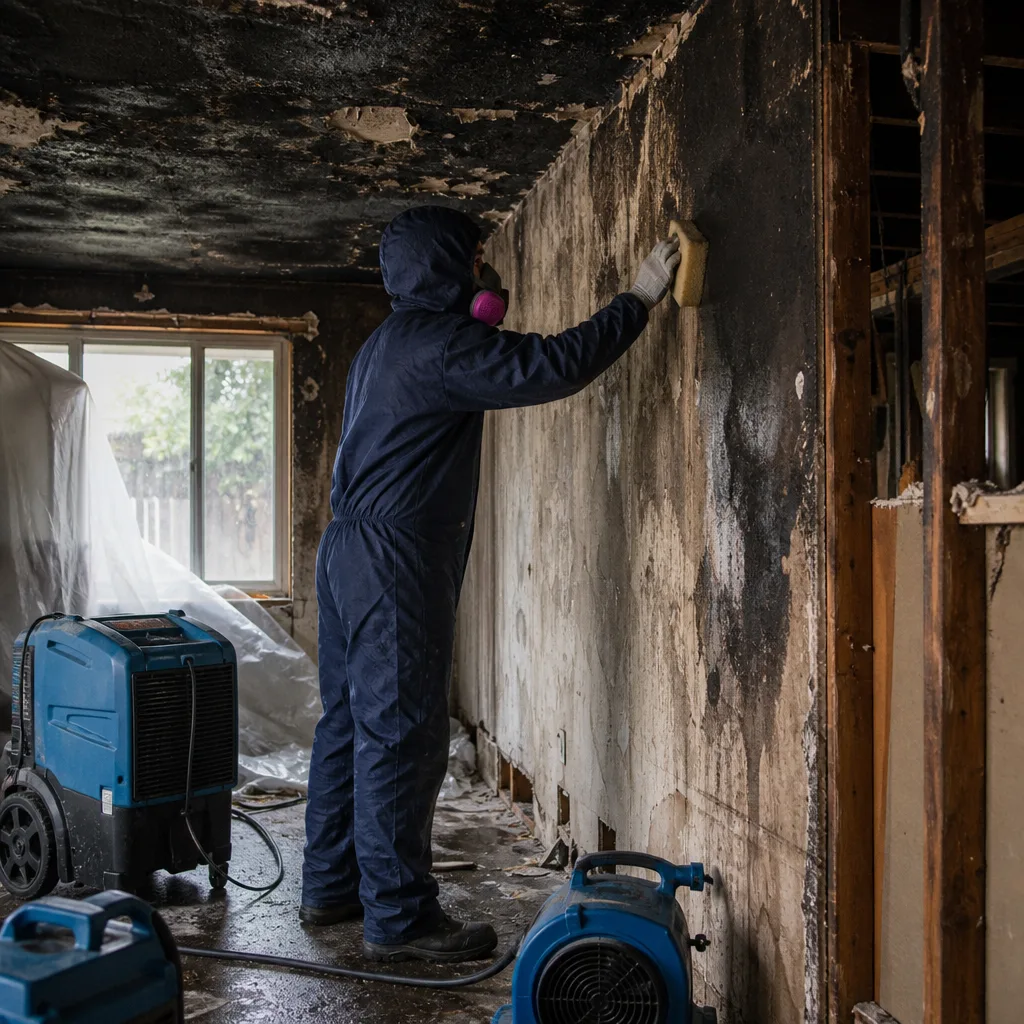
Air Quality Restoration
After mold removal, the air inside needs to be addressed, not assumed clean. We deploy HEPA-negative air machines and, where ductwork is involved, full HVAC decontamination using mechanical agitation and contact vacuuming. This matters enormously in Lakeside’s 1950s-1970s homes with original galvanized ductwork - the seams and joints trap spores that re-circulate if skipped. Air quality restoration as a standalone service runs $800-$1,800; bundled with mold removal, it’s typically $400-$900 additional.
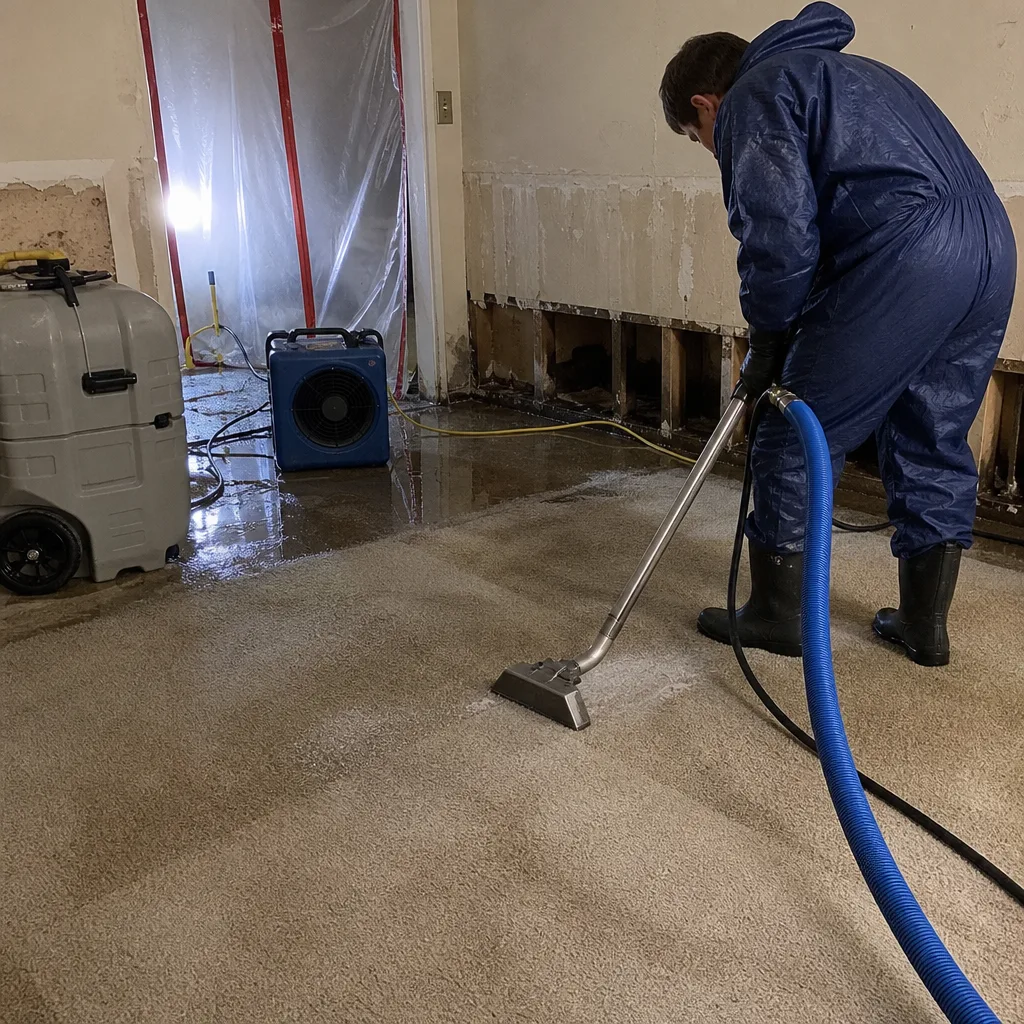
Crawl Space Treatment
Crawl spaces are where Lakeside mold lives. The combination of fire-denuded hillside drainage, original subfloor construction with no vapor barrier, and rodent-damaged insulation creates conditions that surface-wiping won’t touch. Our crawl-space treatment includes moisture mapping, saturated insulation removal, subfloor drying with Dri-Eaz and Phoenix dehumidification systems, antimicrobial application, and installation of new vapor barriers where missing. We also coordinate structural repairs when subfloor delamination requires it. Typical Lakeside crawl-space treatment: $2,800-$5,500.
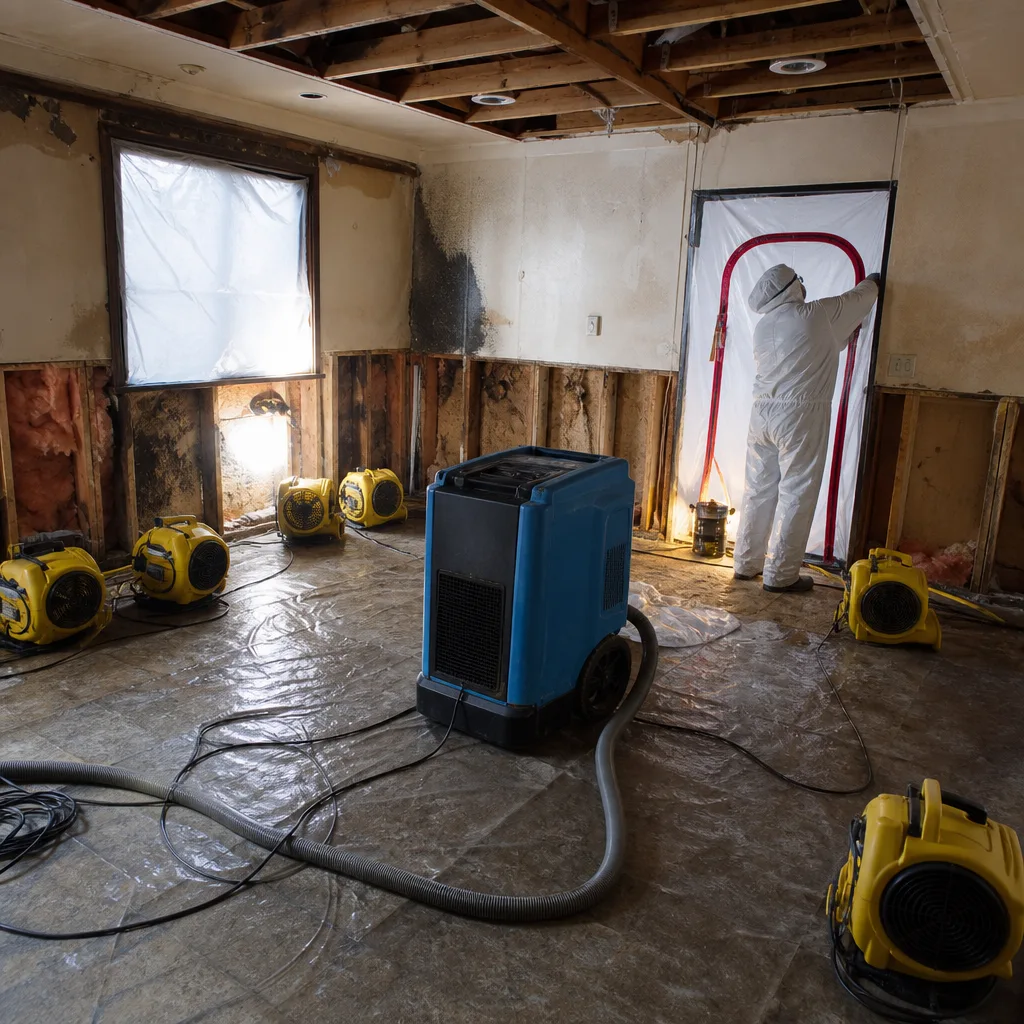
Moisture & Humidity Control
Controlling moisture means controlling mold’s food source. For Lakeside horse properties and rural structures, we design humidity control systems that account for outbuilding proximity, animal waste moisture loads, and seasonal Santa Ana desiccation followed by winter saturation. We install permanent dehumidification, improve ventilation per ASHRAE standards, and specify drainage corrections. Moisture and humidity control systems start around $1,200 for basic crawl-space dehumidifier installation, with whole-property solutions reaching $4,000-$6,500.
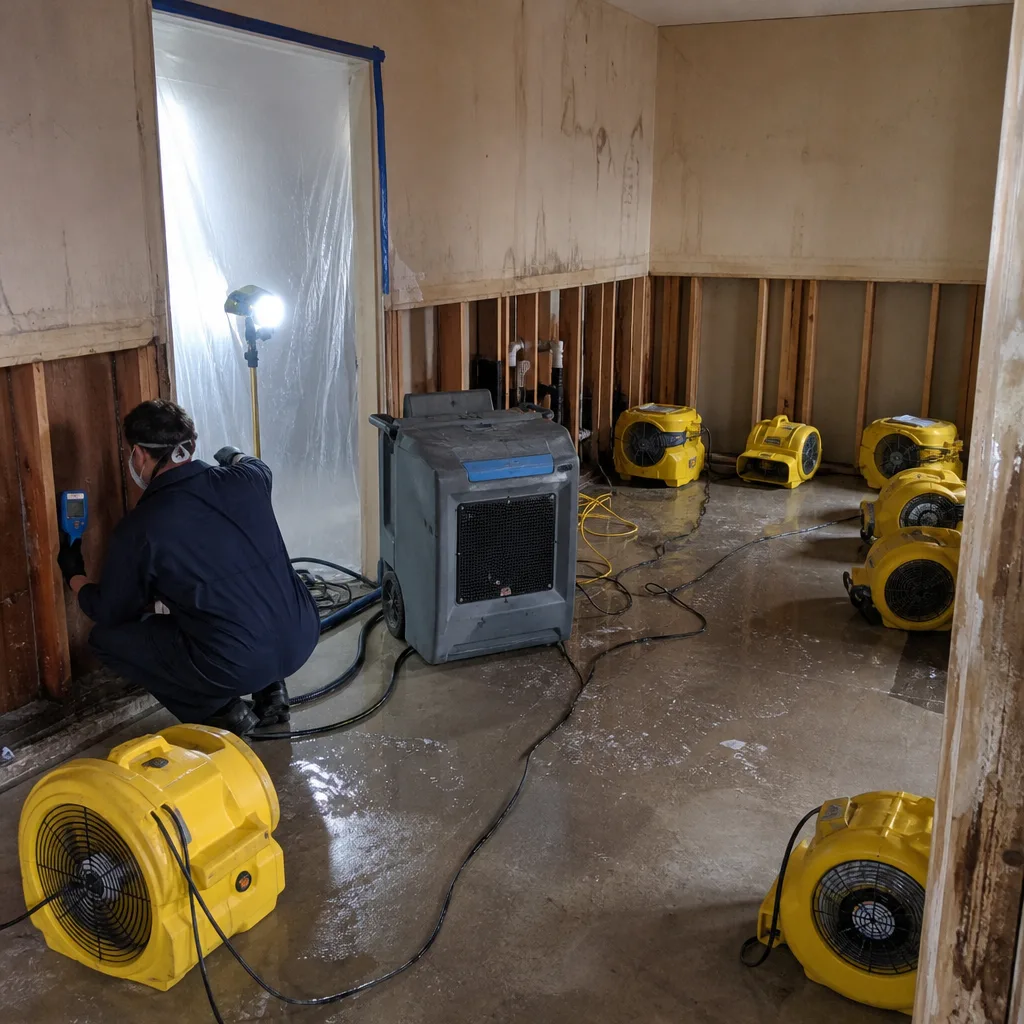
What happens when you call
- 1
A real person answersNo phone trees - you reach a local pro.
- 2
You get an upfront price rangeHonest numbers before anyone is dispatched.
- 3
A background-checked tech heads outLicensed & insured, dispatched right away.
- 4
You approve before work beginsNothing starts until you say go.
BeforeAfterTrusted Brands We Service in Lakeside
Our equipment fleet runs on Dri-Eaz, Phoenix, and XPOWER systems - the same units specified in IICRC S520 mold remediation standards. We stock HEPA filtration, dehumidification, and air-moving equipment sized for Lakeside’s larger ranch and horse properties, not just standard suburban footprints. That local inventory means faster deployment when a winter debris flow hits multiple homes in the same hillside neighborhood. Every machine’s output is logged: cubic feet per minute, grains per pound of moisture removed, and drying goal attainment by date. The documentation follows the job, not the guess.
Common Mold Remediation Problems We See in Lakeside Homes
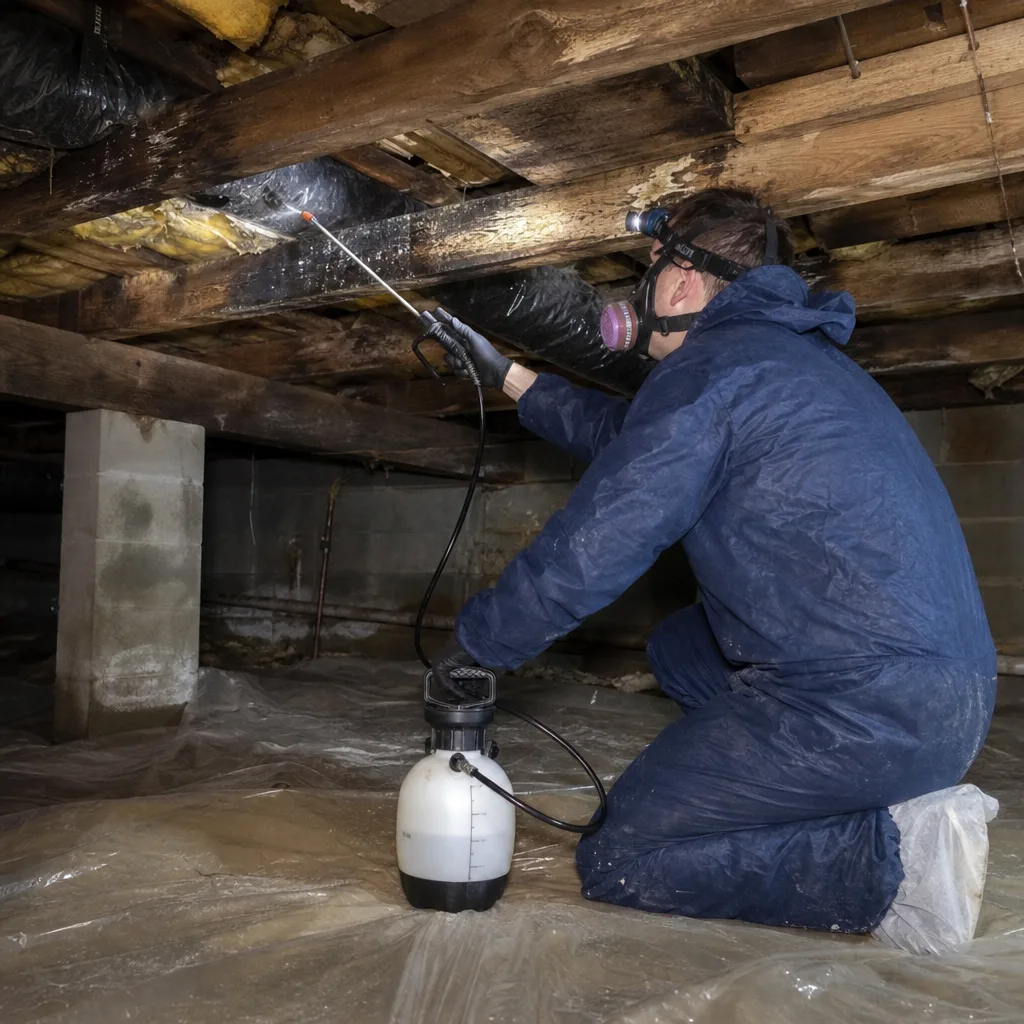
- Surface-wiping crawl spaces without moisture verification. Legacy ranch and mobile-home subfloors in Lakeside stay damp long after visible mold is gone. We map moisture content with pin and non-invasive meters; if readings stay above 16% wood moisture equivalent, the job isn’t done.
- Skipping HVAC decontamination after Santa Ana smoke events. Soot and ash load ductwork in fall; winter moisture activates mold growth inside those same ducts. We clean and verify with borescope inspection, not assumption.
- Closing fire-restoration files before the debris-flow season. A crawl space that was dry in October can take on water in January when rains hit burned slopes above it. We schedule follow-up inspections for Lakeside properties with fire-denuded uphill exposure.
- Treating manufactured home moisture as “normal settling.” Lakeside’s manufactured home parks see perimeter skirting failures that channel groundwater into subfloor insulation. We replace vapor barriers and improve drainage, not just bleach the stain.
Pricing for Mold Remediation in Lakeside, CA
| Service | Typical Range in Lakeside |
|---|---|
| Mold Inspection & Testing | $350 - $650 |
| Contained Room / Small Area Removal | $1,800 - $3,200 |
| Crawl Space Treatment | $2,800 - $5,500 |
| Black Mold / Toxigenic Protocol | $3,500 - $7,500 |
| Full Structure Remediation | $6,000 - $12,000 |
| Air Quality Restoration (standalone) | $800 - $1,800 |
| Moisture & Humidity Control Systems | $1,200 - $6,500 |
What moves a Lakeside job toward the higher end: compound fire-then-flood damage requiring sequential remediation, original 1960s subfloor that must be partially removed, HVAC system involvement, or horse-property outbuildings with shared drainage. What keeps costs controlled: early detection, contained growth, and no structural material replacement. We deliver a written price before any work starts - Haven Standard, Clause 1 - and offer a Free Second Opinion on any competitor’s written estimate.
We Also Serve Cities Near Lakeside
Our crews work throughout the inland corridor, including Lakeside and neighboring Santee, El Cajon, La Mesa, and Spring Valley. Each city shares San Diego County’s compound-event risk profile but carries its own housing stock and drainage patterns. We adjust our protocols accordingly, with documentation that satisfies adjusters across all service areas.
Serving Lakeside, CA - Our Local Coverage Area
We’re based in the Lakeside area and know this community well. Use the map below to see our service coverage - if you’re nearby, we can almost certainly help.
FAQs - Mold Remediation in Lakeside
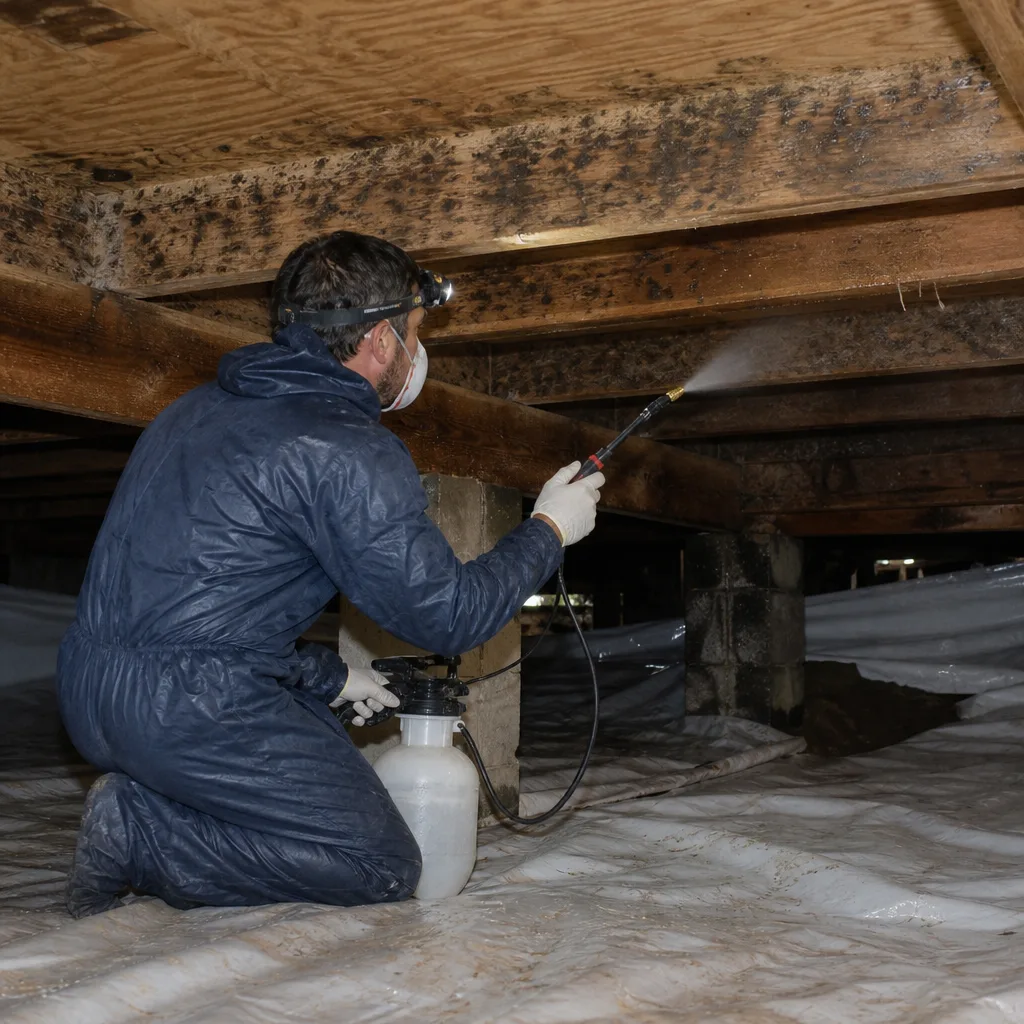
The mold follows the second event, not the first. Fall Santa Ana fires denude hillsides above the San Diego River drainage; winter rains then shed mud and water into crawl spaces and garages that were dry during fire season. Moisture readings spike in January and February, three to four months after the smoke cleared. Call (619) 486-5459 if your property has fire-denuded uphill exposure - we schedule follow-up moisture mapping before the rainy season.
Yes. The 1950s-1970s ranch homes and manufactured homes common in Lakeside often have original subflooring with no vapor barrier, galvanized ductwork with failed seams, and insulation that acts as a moisture reservoir. We test more locations, remove more material, and document more thoroughly than on newer construction. The Haven Standard requires it.
We use moisture content readings and material classification. Wood structural members below 16% moisture equivalent after drying stay, with antimicrobial treatment. Saturated insulation, delaminated subfloor, and compromised vapor barriers come out. Every decision is photo-documented and written into the scope you approve before work begins.
Yes, and we prefer to. Horse properties generate additional moisture loads from wash racks, manure storage, and outbuilding proximity. We size dehumidification and ventilation for the full property load, not just the residence. Moisture and humidity control systems for rural Lakeside properties typically run $2,500-$6,500 depending on structure count and square footage.
Dri-Eaz and Phoenix dehumidification systems, XPOWER air movers, and HEPA-negative air machines rated for the larger volumes common in ranch and horse properties. All output is logged to daily drying records with psychrometric data - the temperature, relative humidity, and vapor pressure readings that prove the job to your adjuster. Call (619) 486-5459 for equipment specifics on your property.
Written by Alicia Brennan, Owner at Back to Dry Restoration, serving Lakeside and San Diego County since 2011.