
Last updated September 23, 2026
Free visual inspection and a written scope of work before any mitigation begins - photos, moisture readings, and drying logs go in your claim file
The scope we write is the scope we bill. Anything new gets shown to you, in writing, before we touch it.
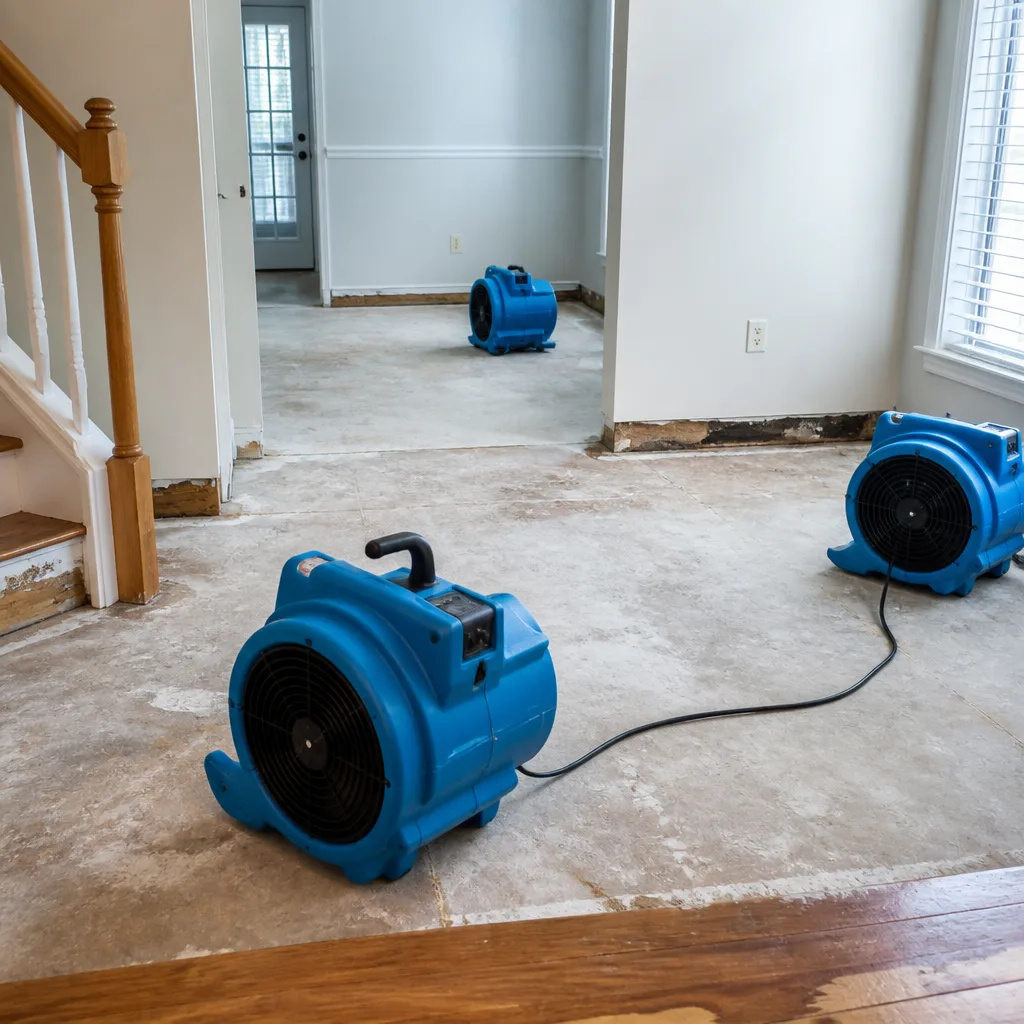
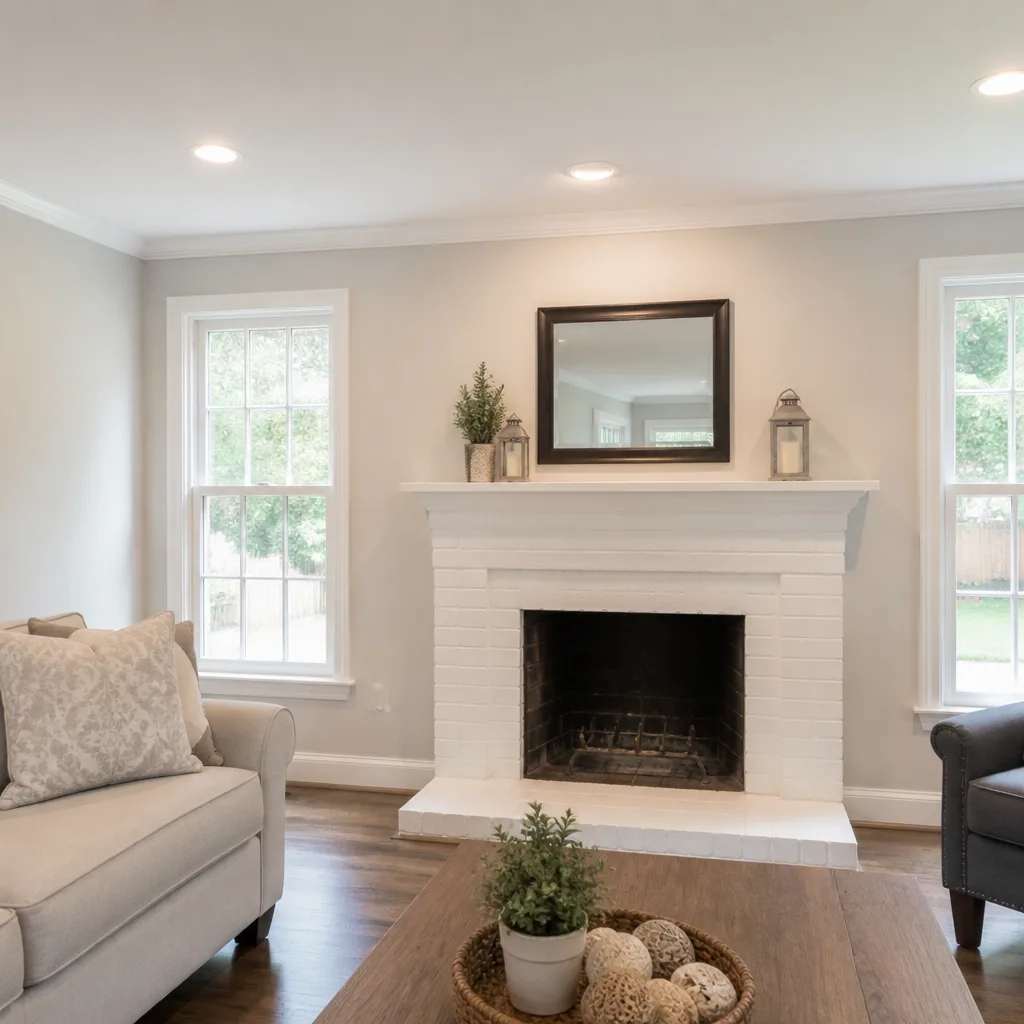
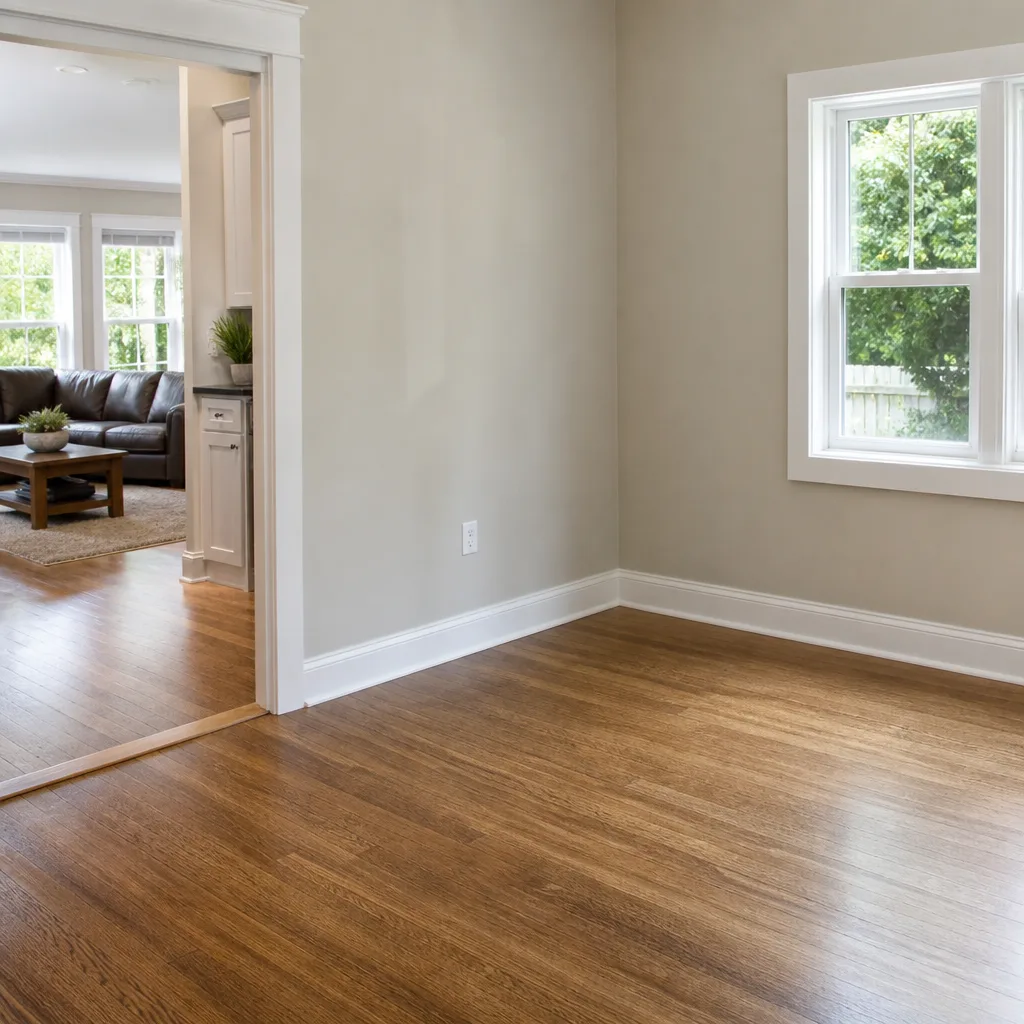

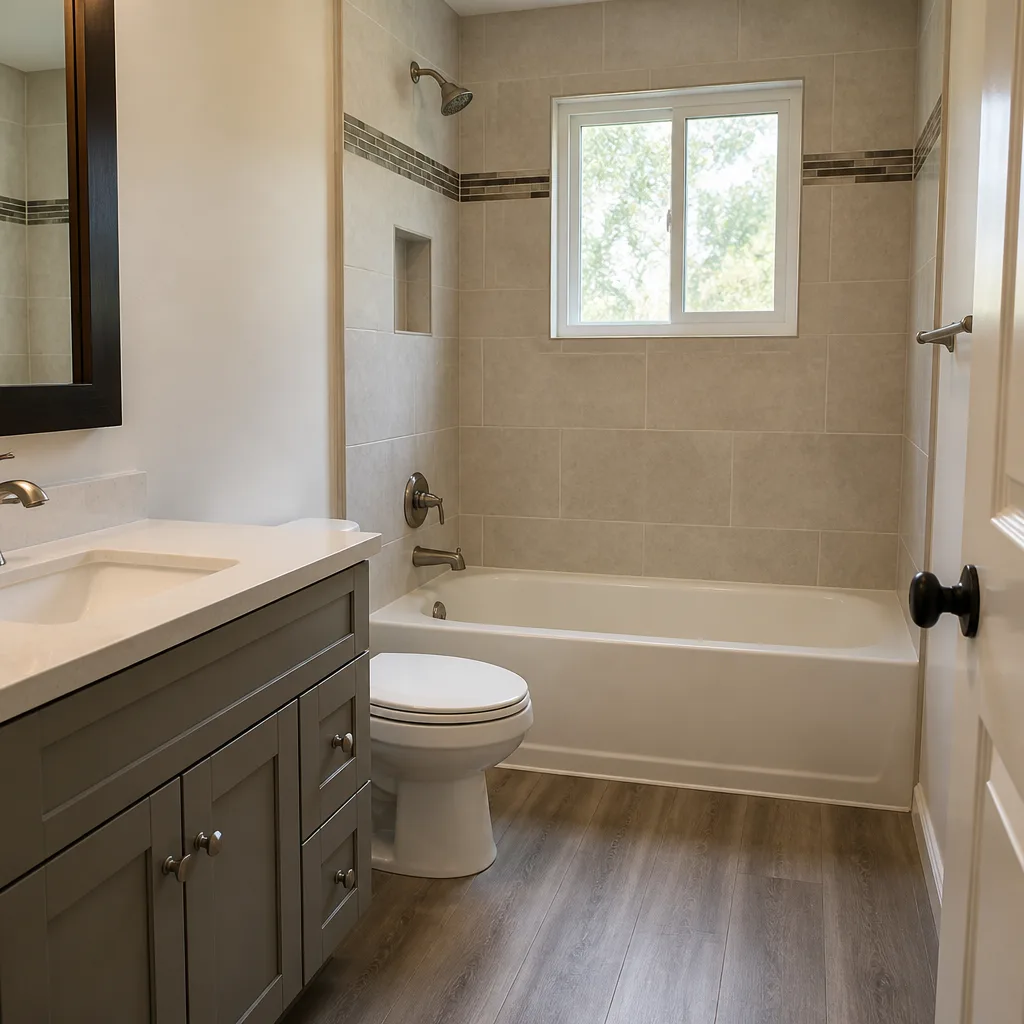
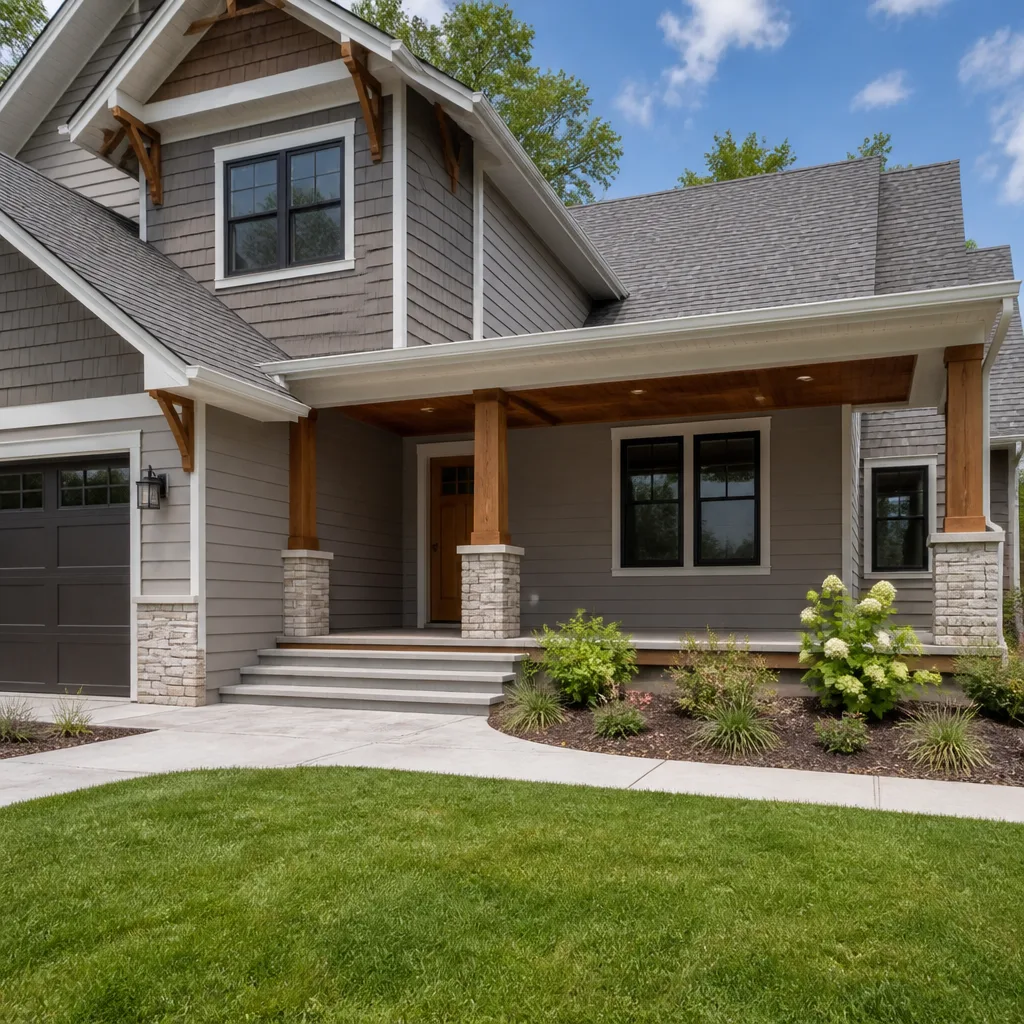
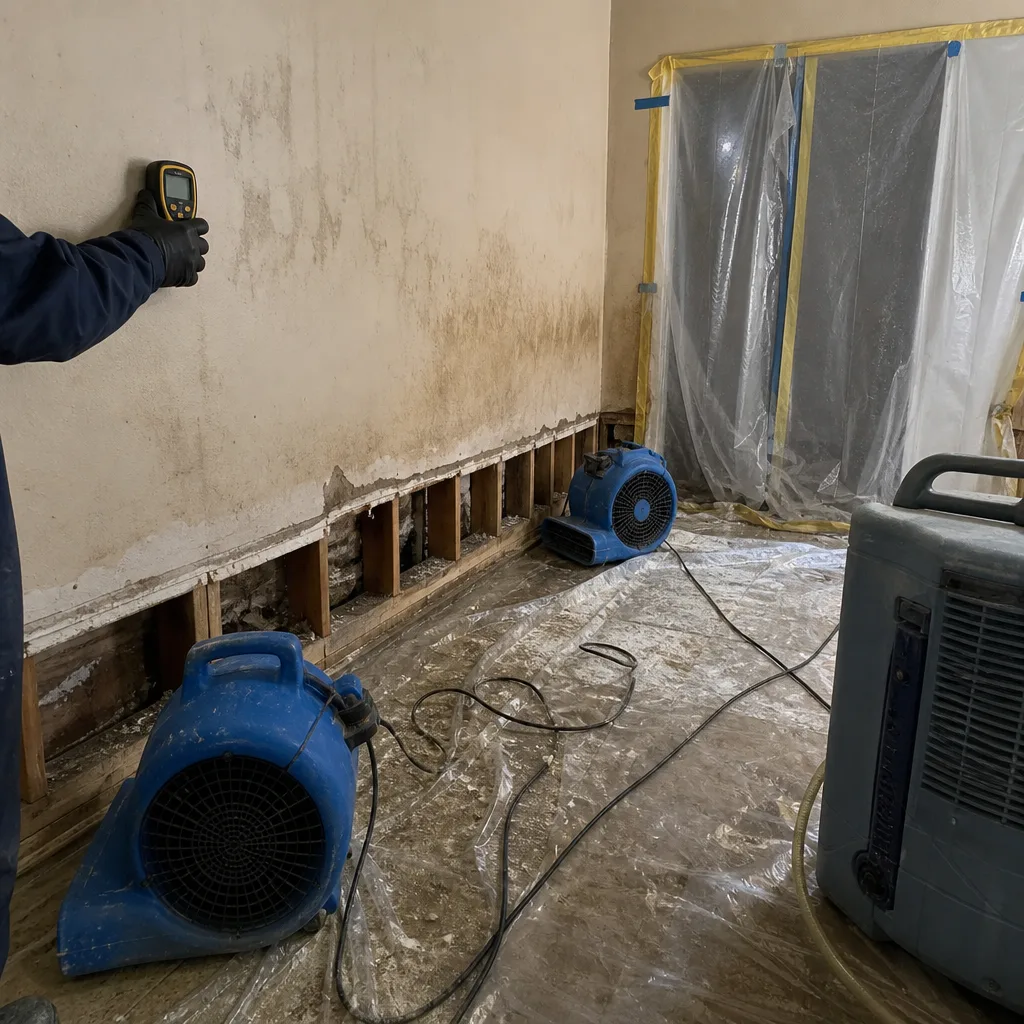 Before
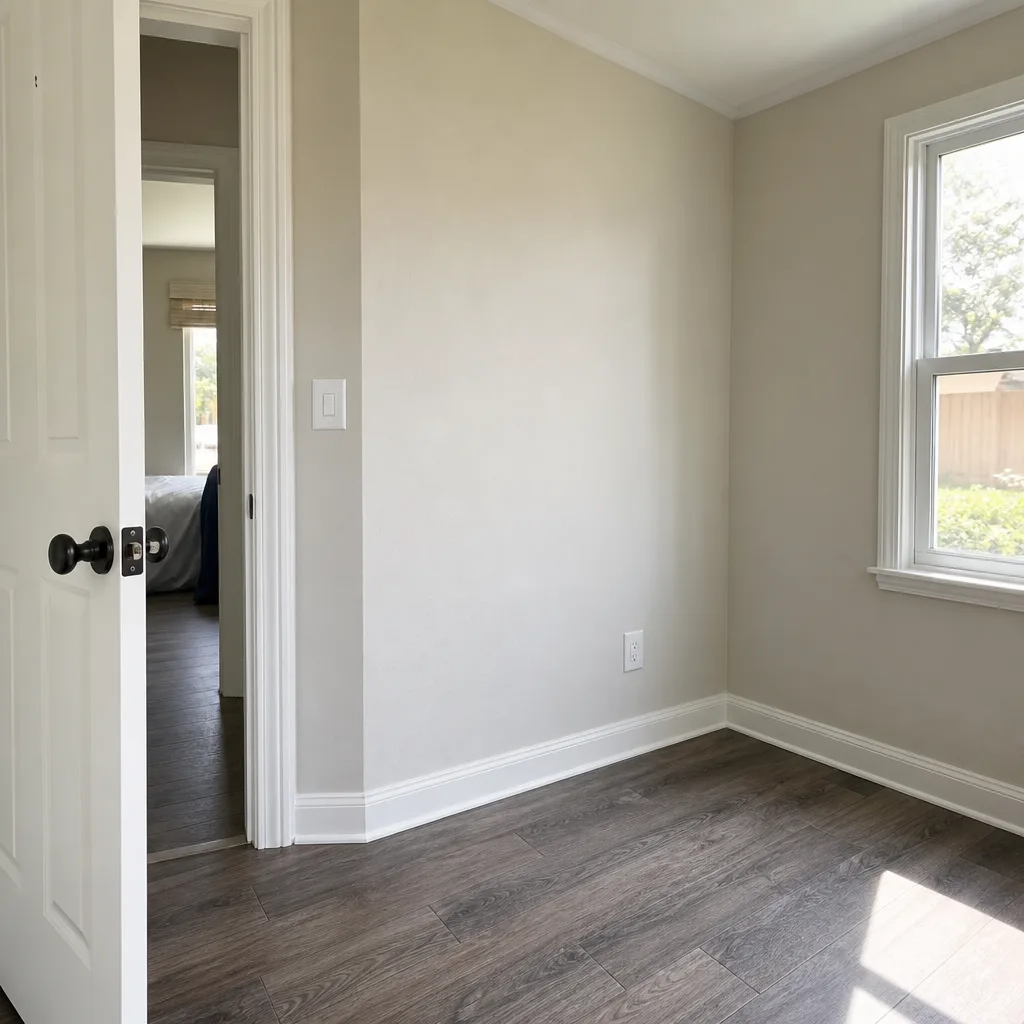 After
After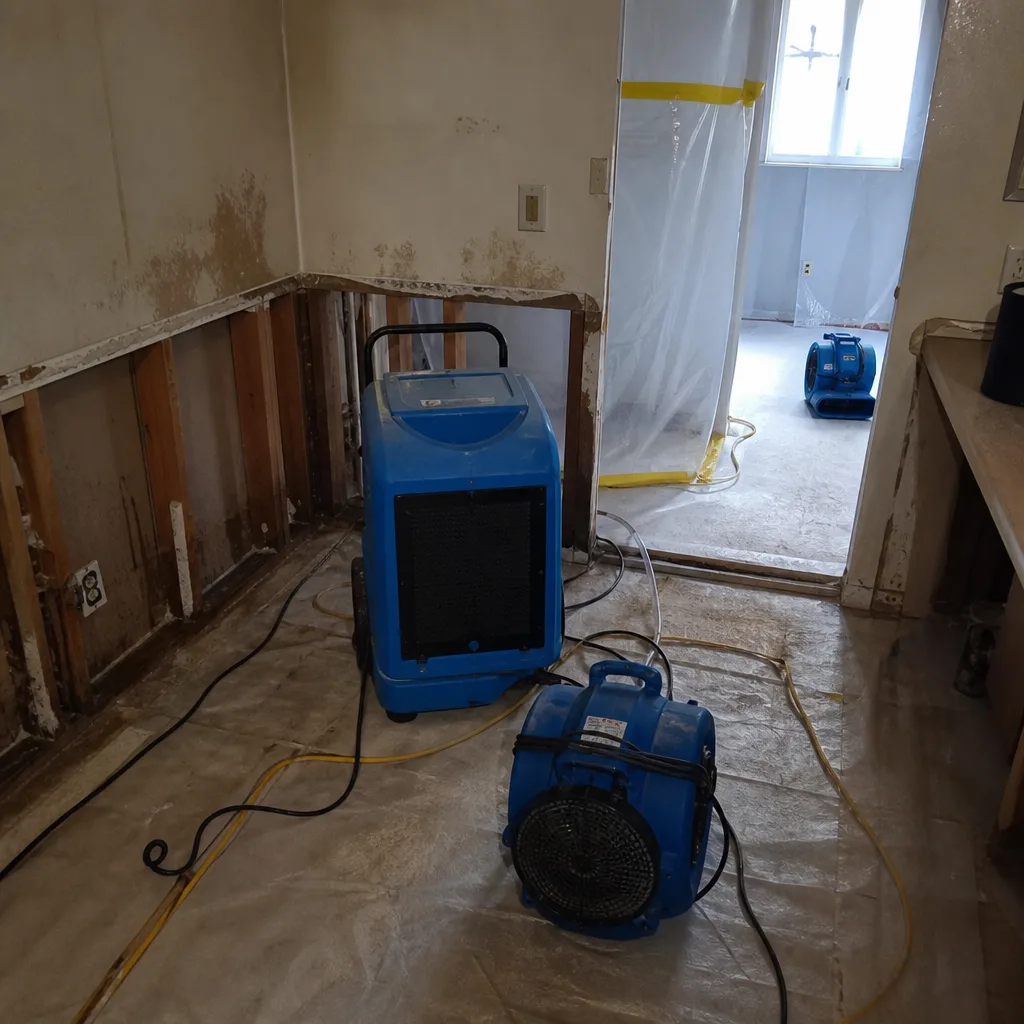 Before
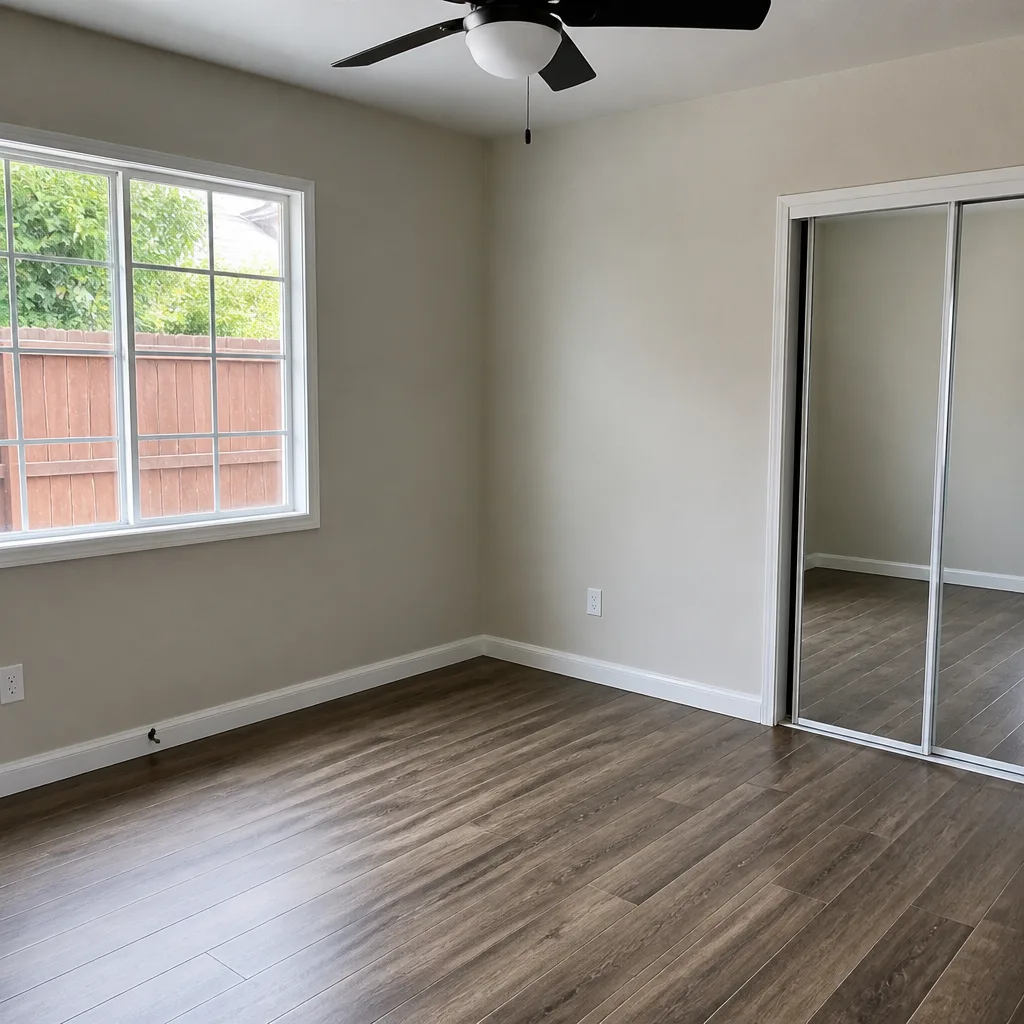 After
After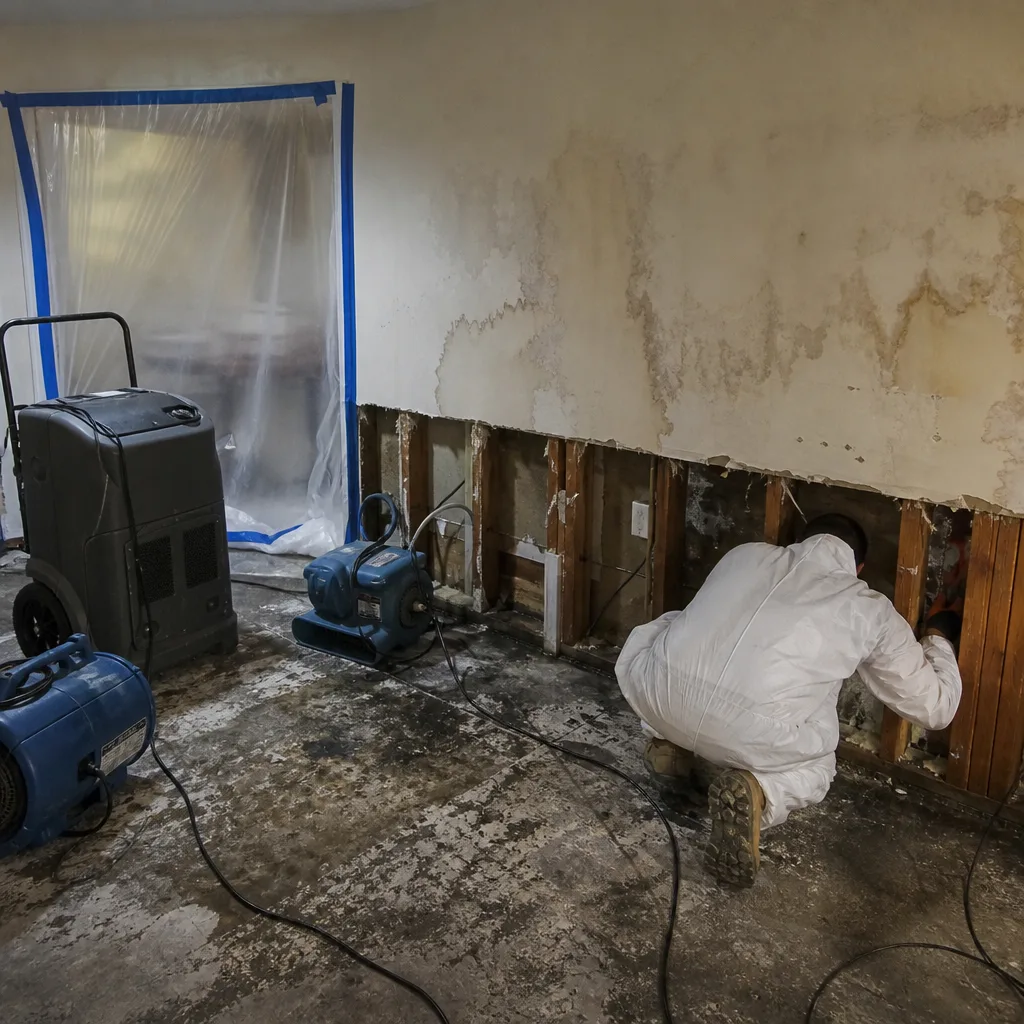 Before
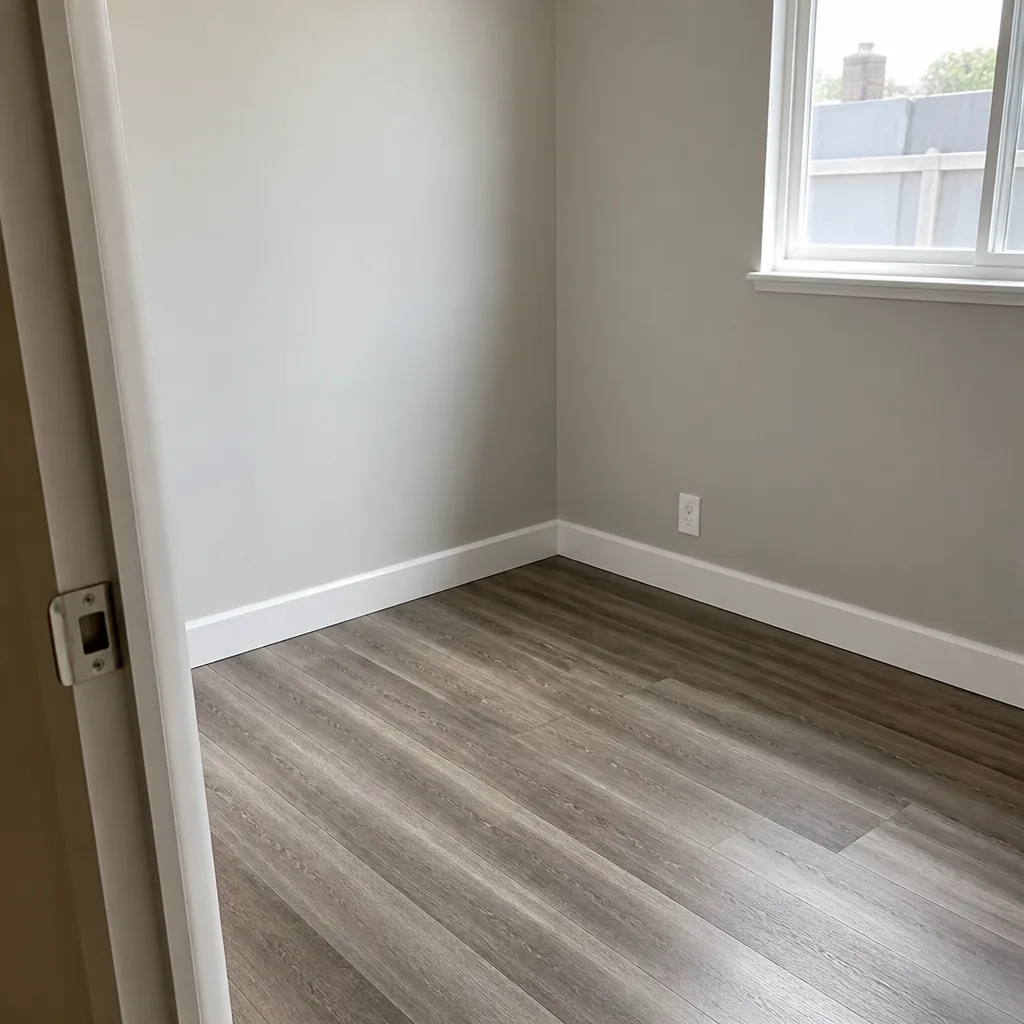 After
AfterThe Complete Guide to Damage Restoration in Chula Vista
A Chula Vista homeowner on Paseo Ranchero watched their contractor pack up the dehumidifiers on day four, hand over a single-page invoice, and drive away. Six months later, their insurer denied $18,000 in rebuild costs. The drywall had been closed, the floors replaced, but there was no drying log, no moisture baseline, no documented proof that the subfloor had actually reached IICRC-dry before reconstruction began. The damage was real. The claim was dead. This guide explains why restoration in Chula Vista is not a single event but a three-phase documentation chain, and how each phase produces the paperwork that makes your claim stick. For more guides & resources, visit our blog.
Quick Answer
Damage restoration in Chula Vista follows a three-phase documentation chain: mitigation (emergency water removal and stabilization), drying verification (daily moisture logs until materials hit IICRC S500 targets), and rebuild sign-off (final clearance readings and Certificate of Completion). Each phase requires separate documentation, and skipping any of them gives insurers grounds to dispute your claim after the contractor has left.
Table of Contents
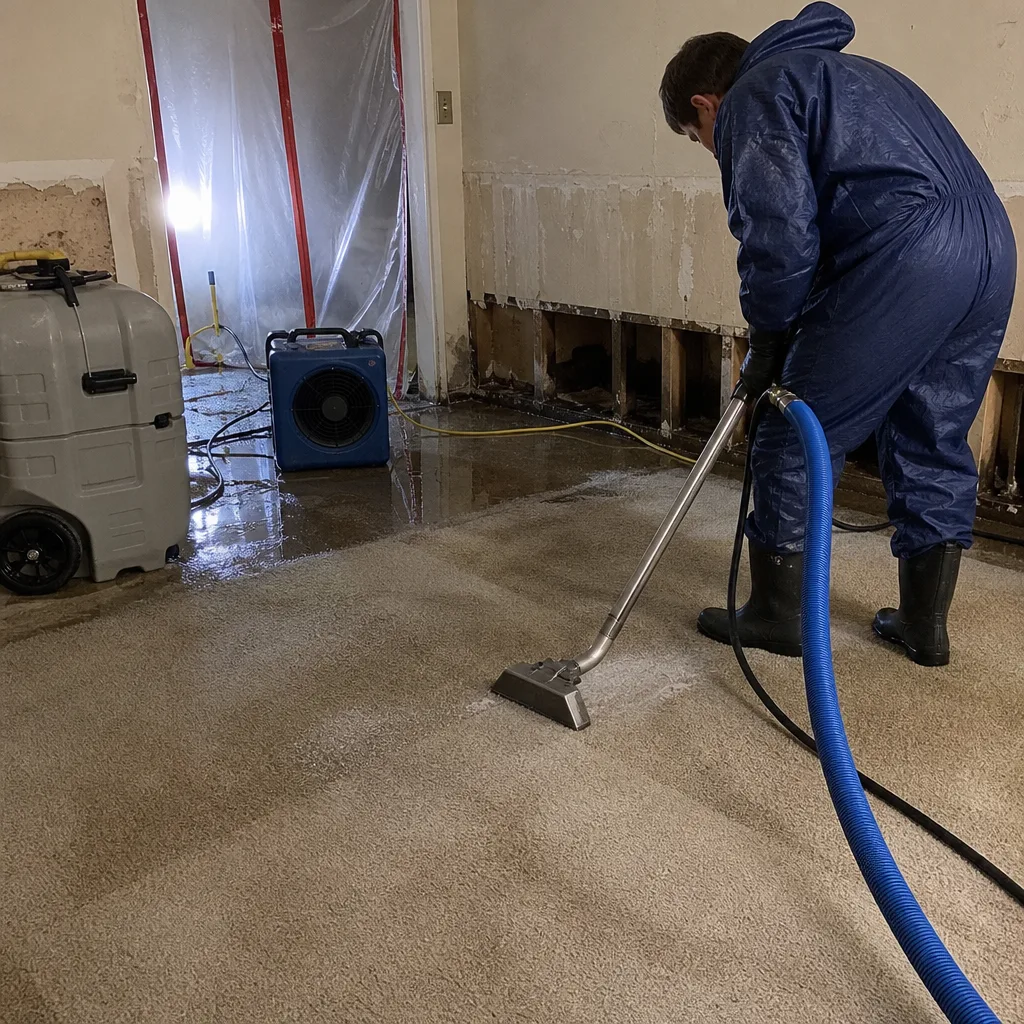
- The Three-Phase Documentation Chain
- How Chula Vista’s Coastal Climate Affects Drying Targets
- What Your Written Scope of Work Must Include
- How to Read a Certificate of Completion
- Chula Vista Building Permit Triggers During Restoration
- Professional Equipment and Documentation Standards
- Working With Your Insurance Adjuster
- Common Mistakes to Avoid
- When to Call a Professional
- Frequently Asked Questions
BeforeAfterThe Three-Phase Documentation Chain
Most homeowners in Chula Vista think of restoration as the day the trucks show up and the day they leave. In our experience handling over 12,000 homes since 2011, the contractors who stay out of disputes treat each phase as a discrete record with its own sign-off requirements.
Phase 1: Mitigation Record
This is the emergency response. Water extraction, contaminated material removal, equipment placement, and initial moisture mapping. The documentation produced here includes:
- Photo record of all affected areas before any work begins
- Moisture readings for every affected material, recorded by room and surface type
- Classification of water damage by Category (1, 2, or 3) per IICRC S500 standards
- Initial psychrometric data: temperature, relative humidity, and dew point at equipment placement
- Written scope of work with line-item pricing, signed before work starts
Psychrometric data is simply the measurement of how much moisture the air can hold at a given temperature. We record this because it tells us whether our drying environment is actually working or just feeling dry.
Phase 2: Drying Verification
This is where most claims fail. Daily drying logs must document:
- Moisture content readings for each affected material, same locations as day one
- Equipment readings from each dehumidifier and air mover
- Adjustments to the drying plan based on progress or lack thereof
- Any secondary damage discovered during drying (mold growth, delamination, structural compromise)
- Technician name, license number, and time of each visit
The Haven Standard requires these logs to be shared with the homeowner every 48 hours minimum. Not upon request. Automatically.
Phase 3: Rebuild Sign-Off
Final clearance readings prove the structure is dry before any rebuild begins. This documentation includes:
- Final moisture readings meeting or exceeding IICRC S500 drying goals for the specific material class
- Vapor pressure differential readings showing no trapped moisture in wall cavities
- Certificate of Completion with all fields completed, including permit verification where required
- Photo record of dry condition before rebuild materials arrive
- 365-Day Done Right Promise documentation, signed and dated
Vapor pressure differential measures whether moisture is still trying to escape from inside your walls. A reading that looks fine on the surface but fails here means mold problems in 18 months.
Each phase requires a separate sign-off. Not one invoice at the end. Three distinct documentation packages, each with its own date, technician verification, and homeowner acknowledgment.
How Chula Vista’s Coastal Climate Affects Drying Targets
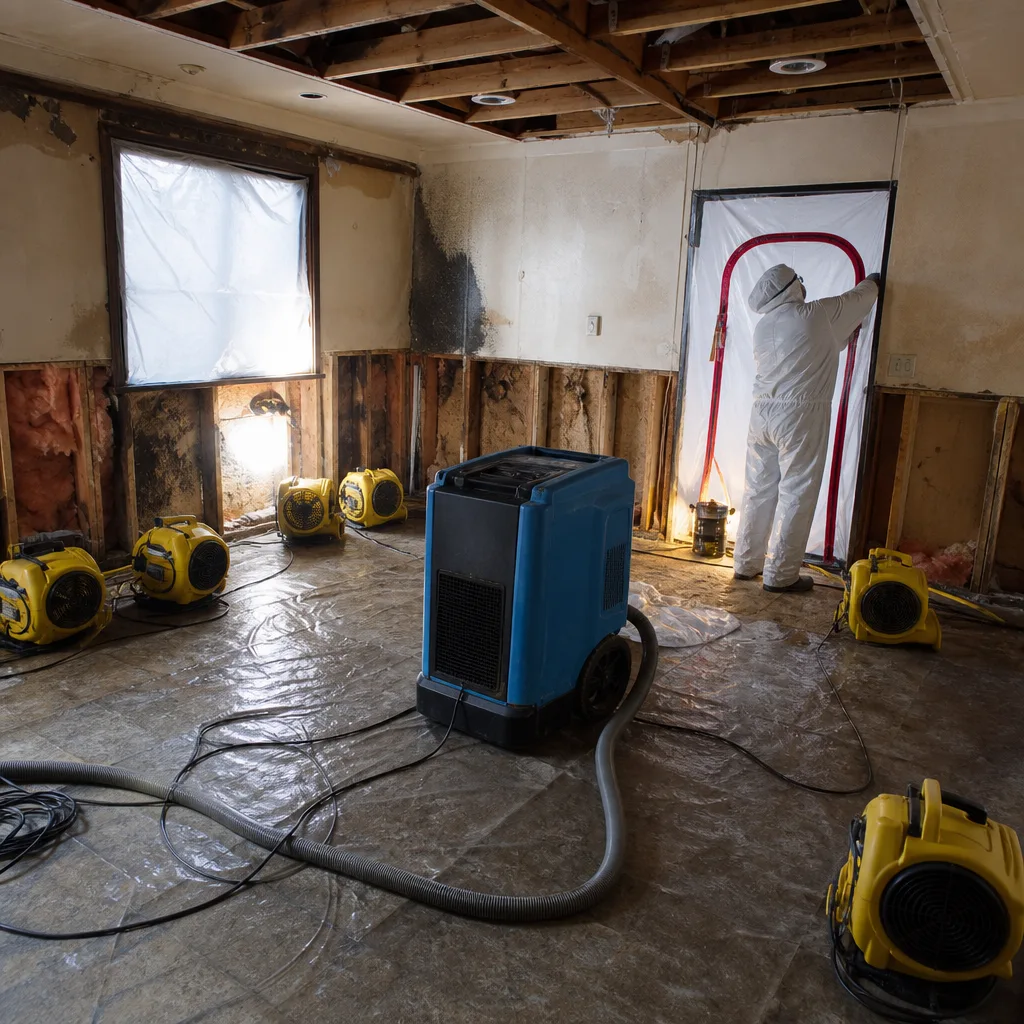
Chula Vista sits at the southern end of San Diego Bay, with average relative humidity hovering between 60% and 75% year-round, spiking higher during May Gray and June Gloom marine layer events. This matters because IICRC S500 drying targets are not universal; they are adjusted for local vapor pressure conditions.
Inland contractors using Phoenix or Dri-Eaz equipment often set dehumidifiers to standard presets developed for drier climates. In Chula Vista neighborhoods like Otay Ranch or Eastlake, those presets leave structures technically “dry” by generic standards but still wet enough to support mold growth in wall cavities.
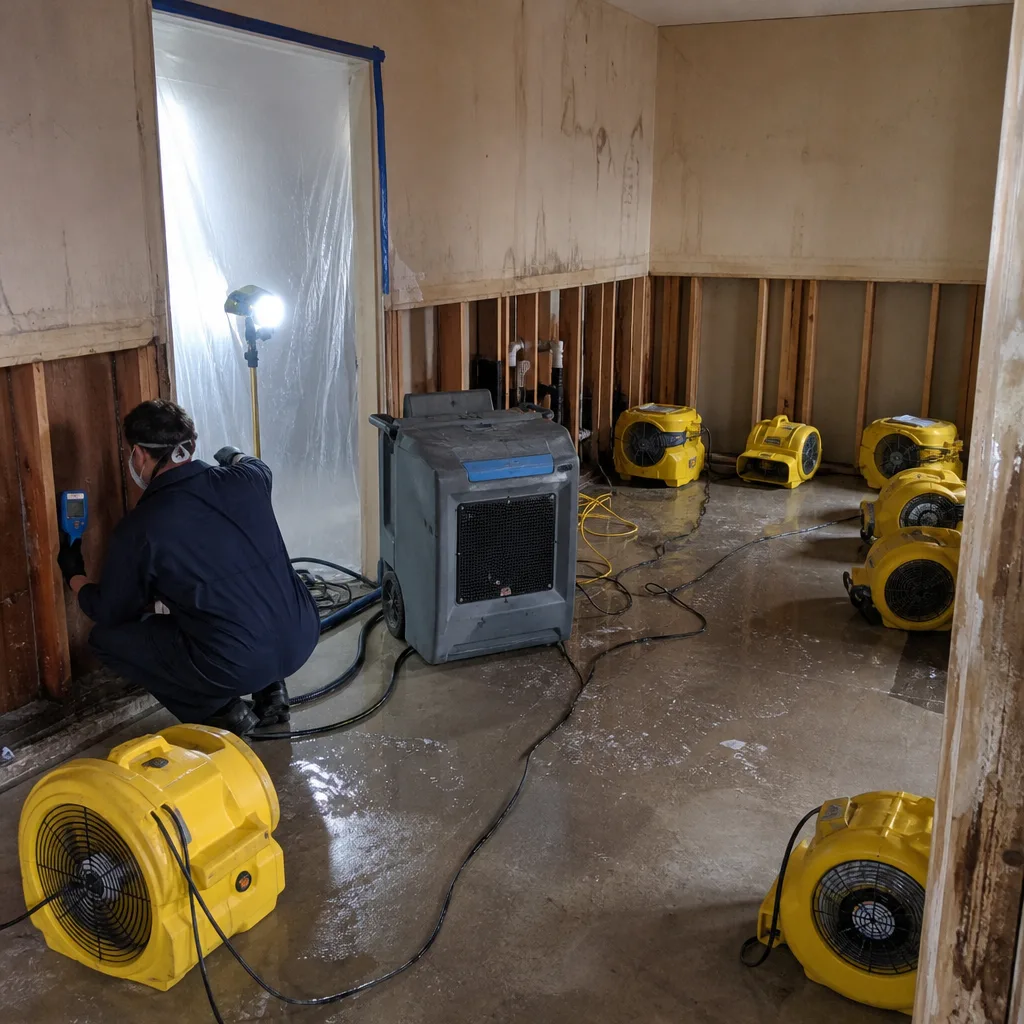
What equipment readings should look like in Chula Vista:
| Day | Relative Humidity Target | Specific Humidity (grains/lb) | Material Moisture Content (wood) |
|---|---|---|---|
| Day 1 | Below 60% within 4 hours of equipment start | 80-90 grains/lb | Above 16% (wet baseline) |
| Day 2 | 40-50% sustained | 55-70 grains/lb | 14-16% (active drying) |
| Day 3 | 30-40% sustained | 40-55 grains/lb | 10-12% (approaching dry) |
| Day 4-5 | 30-35% maintained | 35-45 grains/lb | Below 10% (IICRC dry for Chula Vista coastal zone) |
Specific humidity, measured in grains of water per pound of dry air, is the number we watch most closely. Relative humidity can mislead because it changes with temperature. Specific humidity tells us exactly how much water we’re actually removing from the structure.
In Chula Vista’s coastal zone, we typically see longer drying curves than inland markets. A job that dries in three days in El Cajon often needs four to five in Chula Vista. Contractors who don’t adjust their documentation expectations accordingly produce drying logs that look complete but leave moisture trapped.
Tertiary drying, the final phase where we use specialized equipment like Injectidry systems to pull moisture from inside wall cavities, often extends the timeline in Chula Vista by 24-48 hours. Contractors who skip this step to meet an arbitrary schedule create the exact documentation gaps that insurers exploit during rebuild disputes.
What Your Written Scope of Work Must Include
Haven Standard, Clause 1: written price before work begins. Every time. No exceptions. This is not a marketing position. It is the operational standard that prevents the scope-creep additions that turn reasonable invoices into disputed claims.
A written scope of work that protects your claim must contain line items, not category totals. Here is what we deliver before any technician starts work:
- Room-by-room inventory of affected materials with square footage or linear footage
- Classification of each material by permeability (how easily water moves through it)
- Water category classification (1, 2, or 3) with source documentation
- Equipment list by manufacturer and model (Dri-Eaz, Phoenix, XPOWER, or equivalent)
- Equipment placement map showing location of each unit
- Daily monitoring schedule with technician name and license number
- Line-item pricing for extraction, equipment rental, monitoring, and any necessary demolition
- Estimated drying timeline with IICRC target references
- Permit requirements and responsible party for filing
- Insurance adjuster coordination protocol and photo documentation schedule
Category totals are what insurers challenge. “Water mitigation: $4,500” invites scrutiny. “Living room: extraction 240 sq ft carpet @ $X, dehumidifier placement 3 days @ $Y, moisture monitoring 5 visits @ $Z” produces a claim that processes without dispute.
In Chula Vista, we regularly see competitors deliver scopes with a single total and a signature line. The homeowner signs because water is still spreading. Three weeks later, the invoice includes items never discussed. Haven Standard, Clause 1 exists precisely to end that practice.
How to Read a Certificate of Completion
The Certificate of Completion is the document that tells your insurer the job is actually done. Not the contractor’s word. Not the final invoice. This certificate. And most homeowners in Chula Vista have never seen one until we show them what to look for.
A complete Certificate of Completion must include:
- Property address and job reference number matching your insurance claim
- Date range of services with specific start and end dates
- Category of water damage and source classification
- Initial moisture readings by room, material, and location
- Final moisture readings meeting IICRC S500 goals for the material class
- Equipment log showing all units deployed, dates of operation, and removal
- Technician license numbers for all personnel who performed work
- Photo record reference number linking to documented images
- Statement of dry condition with specific humidity and vapor pressure differential readings
- Permit closure verification or exemption documentation
- Signature of certified technician and date
- Homeowner acknowledgment signature and date
Missing fields that signal your claim may be challengeable:
- No final moisture readings - means no proof of dry condition
- No equipment log - means no proof of what was actually done
- No technician license numbers - means unverifiable work quality
- No photo record reference - means no visual documentation of before or after
- Vague date range (“approximately 5 days”) - means no accountable timeline
- No vapor pressure differential - means no proof that wall cavities are actually dry
We provide the Certificate of Completion at final walkthrough, review it line by line with the homeowner, and keep a copy for our records. If your insurer requests documentation two years later, we produce it within 24 hours. This is standard under The Haven Standard, not an additional service.
Chula Vista Building Permit Triggers During Restoration
Restoration work in Chula Vista frequently activates building permit requirements that homeowners and some contractors overlook; see our guide on Damage Restoration Permits, Codes & Inspections in CA: What You Need to Know. Skipping permits doesn’t just risk code violations; it can void your homeowner’s policy and create title problems when you sell.
Permit triggers specific to Chula Vista restoration:
- Structural repairs to load-bearing walls, ceilings, or floor systems
- Electrical work beyond like-for-like replacement (new circuits, panel upgrades)
- Plumbing modifications or repiping beyond direct repair of damaged sections
- HVAC duct replacement or modification
- Roofing repairs exceeding 100 square feet or involving structural decking
- Foundation or slab work, including epoxy injection or mudjacking
- Any work in a flood zone requiring FEMA elevation compliance verification
The City of Chula Vista Building Division requires permits for most reconstruction work beyond cosmetic repairs. Emergency mitigation, including water extraction and initial drying, does not require permits. The line between mitigation and reconstruction is where most contractors and homeowners get confused.
Permits also trigger inspection schedules. A contractor who closes walls before the inspector verifies framing and electrical creates a situation where the city can require demolition to access hidden work. Your insurer may refuse to cover this secondary demolition because it resulted from permit non-compliance, not from the original loss.
Under The Haven Standard, we identify all permit requirements during the written scope phase, file applications as part of our service, and schedule inspections to match the drying timeline so reconstruction isn’t delayed. The permit closure documentation becomes part of your final Certificate of Completion.
In Chula Vista’s older neighborhoods near Third Avenue or the original downtown grid, we frequently encounter unpermitted prior work that complicates current restoration. Electrical panels from the 1970s, plumbing that doesn’t meet current code, additions built without permits. We document these conditions in our initial photo record and note them in the written scope so they don’t become surprise cost escalations later.
Professional Equipment and Documentation Standards
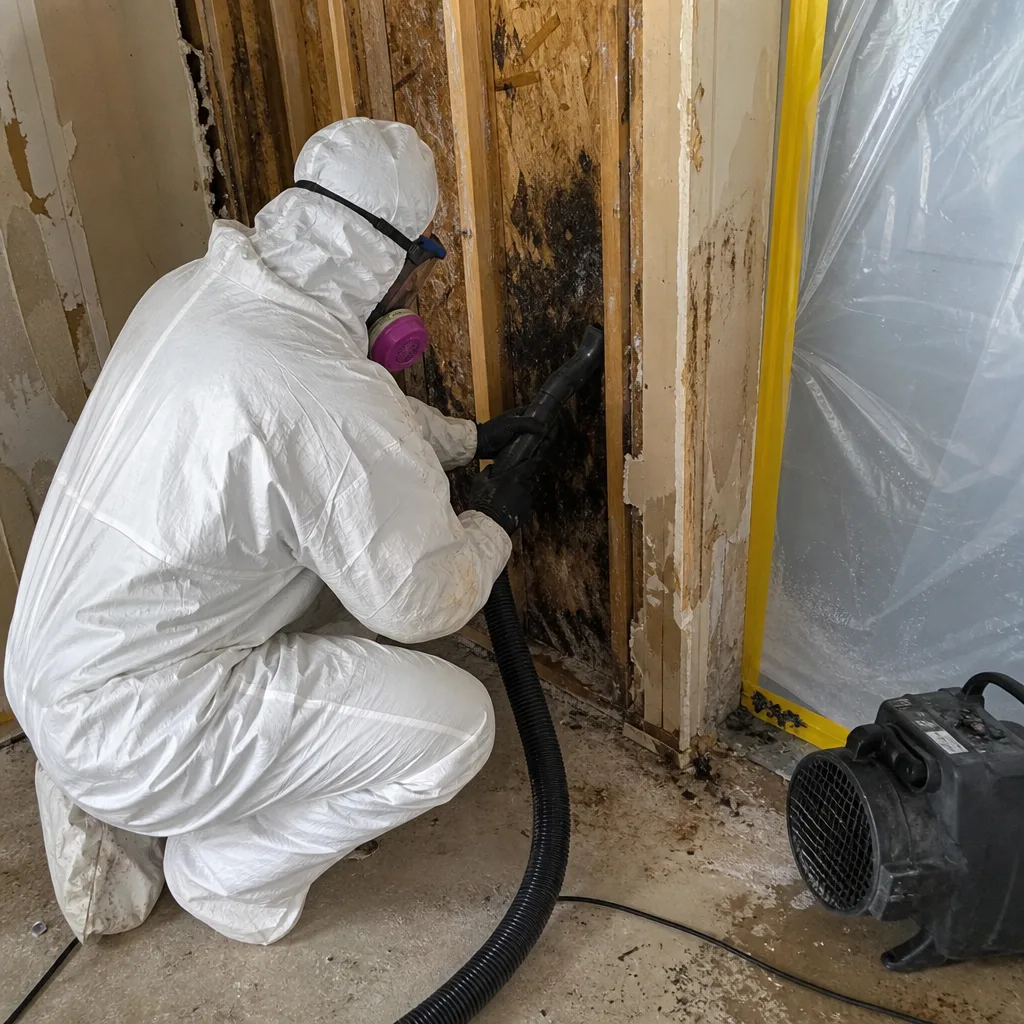
The equipment deployed on your job determines whether documentation is possible at all. Consumer-grade dehumidifiers don’t produce the data logs that insurers require. Rental units from big-box stores lack the capacity for whole-structure drying in Chula Vista’s humid coastal environment.
We deploy professional-grade drying systems from Dri-Eaz, Phoenix, XPOWER, and B-Air, with Injectidry systems for cavity drying. Each unit produces verifiable performance data:
- Dri-Eaz and Phoenix dehumidifiers log runtime hours, inlet and outlet specific humidity, and pint removal totals
- XPOWER air movers are positioned and documented with airflow readings in cubic feet per minute
- Injectidry systems create negative pressure inside wall cavities with measurable vacuum readings
- Thermal imaging cameras document moisture patterns before and after drying
All work is documented to IICRC, RIA, and IFA standards. These aren’t brand names; they are the professional bodies that establish the protocols insurers use to evaluate claims. IICRC S500 is the water damage standard. RIA guidelines cover structural drying and reconstruction. IFA standards address documentation and quality assurance.
A technician who can’t explain which standard applies to your job and why is a technician who can’t produce documentation that survives adjuster review.
Our daily drying logs include equipment serial numbers, performance readings, and technician verification. If a Dri-Eaz unit underperforms, we replace it and document the reason. If Phoenix dehumidifier readings plateau, we adjust the drying plan and document the change. This level of specificity is what transforms restoration invoices into payable claims.
Working With Your Insurance Adjuster
The documentation chain exists primarily for this relationship. Your insurer isn’t your enemy, but they are a financial institution with obligations to shareholders and policyholders. They pay claims that are documented. They dispute claims that aren’t.
We coordinate directly with adjusters as part of our standard service. This includes:
- Photo documentation uploaded to adjuster portals within 24 hours of each visit
- Written scope of work delivered to adjuster before work begins, with line-item pricing
- Daily drying logs shared with adjuster on the same schedule as homeowner
- Pre-rebuild walkthrough with adjuster present to verify dry condition
- Final Certificate of Completion with all fields completed for claim closure
Our Free Second Opinion on any competitor’s written estimate is available specifically because we see so many Chula Vista homeowners bring us scopes that lack the documentation elements adjusters require. We review the estimate at no charge, identify missing documentation, and explain what will likely trigger a dispute.
Photo documentation is included as a standard deliverable, never an upsell. Every visit produces dated, geotagged images of equipment readings, moisture measurements, and material conditions. These images become the visual record that supports the numerical data in your drying logs.
Direct insurance billing is available where policy terms allow. We don’t require payment upfront and seek reimbursement from your insurer. Haven Standard, Clause 1 still applies: you receive a written price before work begins, even when we’re billing your carrier directly.
Common Mistakes to Avoid
- Accepting a single-page invoice with no line-item breakdown. Category totals invite scrutiny and make disputes impossible to resolve. Insist on room-by-room, material-by-material documentation.
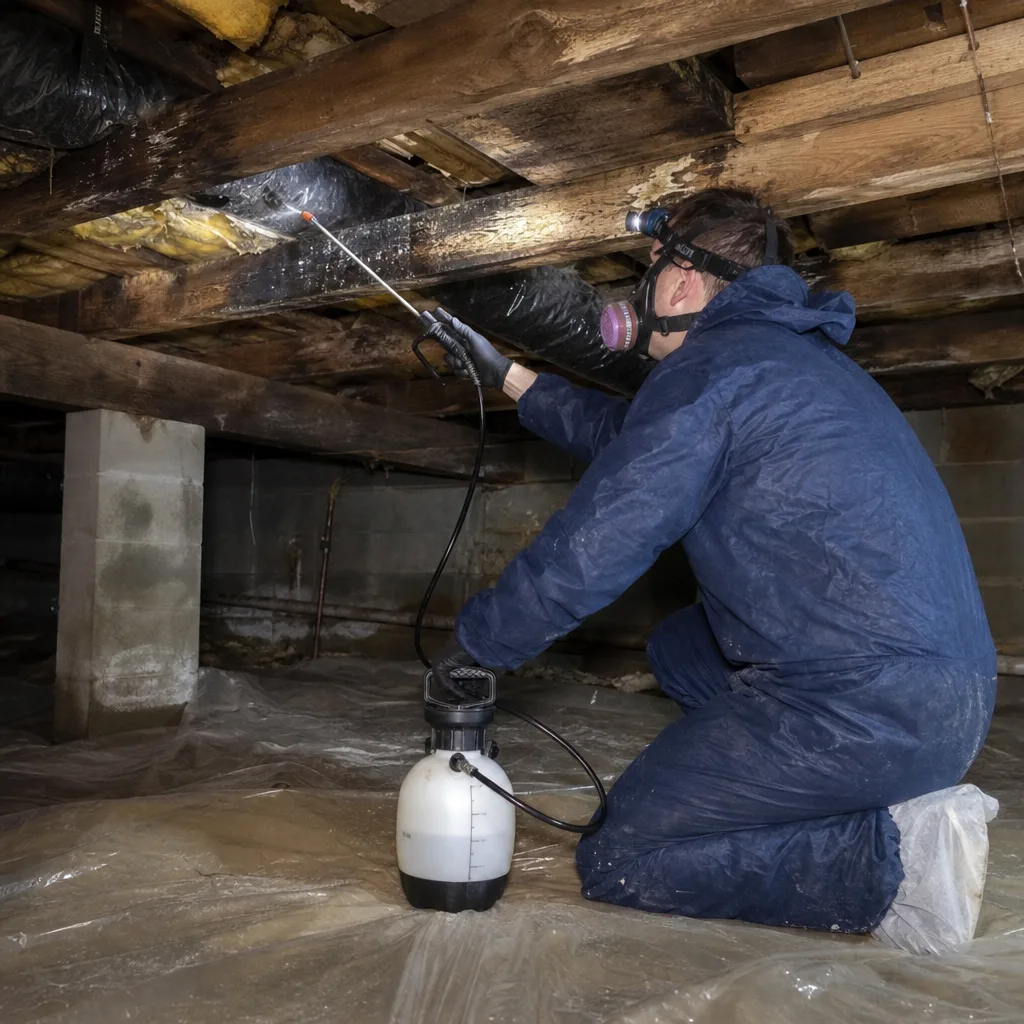
- Closing walls before final moisture readings are documented. In Chula Vista’s humid climate, drywall can feel dry to the touch while the cavity behind it remains wet enough for mold growth. Require vapor pressure differential readings before any rebuild begins.
- Skipping permit requirements to save time. Unpermitted electrical or plumbing work can void your policy and create liability when you sell. The time saved is lost tenfold in future disputes.
- Hiring a contractor who won’t provide technician license numbers. Unlicensed work is uninsurable work. If something fails, you have no recourse against the contractor’s policy.
- Assuming three days of drying is sufficient. Chula Vista’s coastal humidity extends drying curves. A contractor who removes equipment on a fixed schedule rather than documented readings is leaving moisture behind.
- Not requesting the Certificate of Completion at job end. This document is your proof of proper restoration. Without it, future mold or structural claims may be denied as pre-existing.
- Paying for photo documentation as an add-on service. Photo records are standard professional practice. Charging extra indicates a contractor who doesn’t understand documentation as core to the job.
When to Call a Professional
Call immediately when water is actively spreading, when you smell mold but can’t locate the source, when fire damage has compromised structural elements, or when sewage contamination is present. These situations worsen by the hour and create documentation gaps that complicate claims.
For reconstruction and non-emergency work, call when you have a written scope from another contractor and want a Free Second Opinion before signing. Haven Standard, Clause 1 protects you only when you have a written price before work begins.
DryMark Restoration Chula Vista offers free estimates in Chula Vista. Our live phone coverage is available 24 hours a day, 7 days a week with no voicemail on emergency lines. Call (619) 486-5459 for documentation-first restoration that turns your claim into a payable record.
Frequently Asked Questions
For a detailed breakdown, see our Damage Restoration Cost Breakdown: The Chula Vista Homeowner’s Reference for 2026. Water mitigation typically ranges from $1,200 for limited extraction to $6,500 for whole-structure drying with extensive demolition; mold remediation averages $2,000-$8,000 depending on affected square footage and containment requirements; fire and smoke restoration starts around $3,500 and scales with structural involvement. Every job receives a written price before work begins, with line-item documentation, per Haven Standard, Clause 1. Call (619) 486-5459 for an exact quote - estimates are free.
Mitigation completes in one to two days. Drying verification typically takes four to six days in Chula Vista’s coastal humidity, compared to three to four days inland. Rebuild timelines depend on permit schedules and material availability, usually two to eight weeks. The full three-phase documentation chain, from initial response to final Certificate of Completion, requires separate sign-off at each stage and cannot be rushed without creating claim vulnerabilities.
Most homeowner policies cover sudden and accidental water damage, fire damage, and storm damage, but exclude gradual leaks, maintenance failures, and flood damage without separate flood coverage. The key factor is documentation: insurers pay claims with complete mitigation records, daily drying logs, and final clearance readings. We coordinate directly with adjusters and provide the documentation package that supports your claim. Call (619) 486-5459 to review your specific situation.
Permits are required for structural repairs, electrical work beyond like-for-like replacement, plumbing modifications, HVAC changes, and roofing repairs exceeding 100 square feet. Emergency mitigation does not require permits, but reconstruction does. Skipping permits can void your homeowner’s policy and create title problems. We identify all permit requirements in your written scope and handle filing as part of our service.
A complete drying log shows daily moisture readings for the same locations throughout the job, equipment readings with serial numbers, technician license numbers, and adjustments to the drying plan with explanations. It should reference IICRC S500 targets and include specific humidity and vapor pressure differential data. Logs with gaps, missing technician identification, or only relative humidity readings are incomplete and expose your claim to dispute.
Mitigation is emergency stabilization: water extraction, contaminated material removal, and drying to prevent further damage. Reconstruction is the rebuild: drywall, flooring, electrical, plumbing, and finish work. Mitigation requires speed and documentation; reconstruction requires permits, inspections, and scheduled timelines. Promising same-day service for reconstruction is a red flag - proper rebuild work is scoped, permitted, and scheduled in writing.
The Bottom Line
Damage restoration in Chula Vista succeeds or fails on documentation. The three-phase chain - mitigation record, daily drying logs, final clearance readings - produces the paperwork that transforms a contractor’s invoice into a claim your insurer pays without dispute. Chula Vista’s coastal humidity extends drying timelines and demands equipment adjustments that inland contractors often miss. Written scopes with line-item pricing, complete Certificates of Completion, and permit compliance aren’t extras; they’re the minimum standard for a restoration that holds up to scrutiny. Demand them. Verify them. Keep them.
Written by Alicia Brennan, Owner at DryMark Restoration Chula Vista, serving Chula Vista since 2011.