
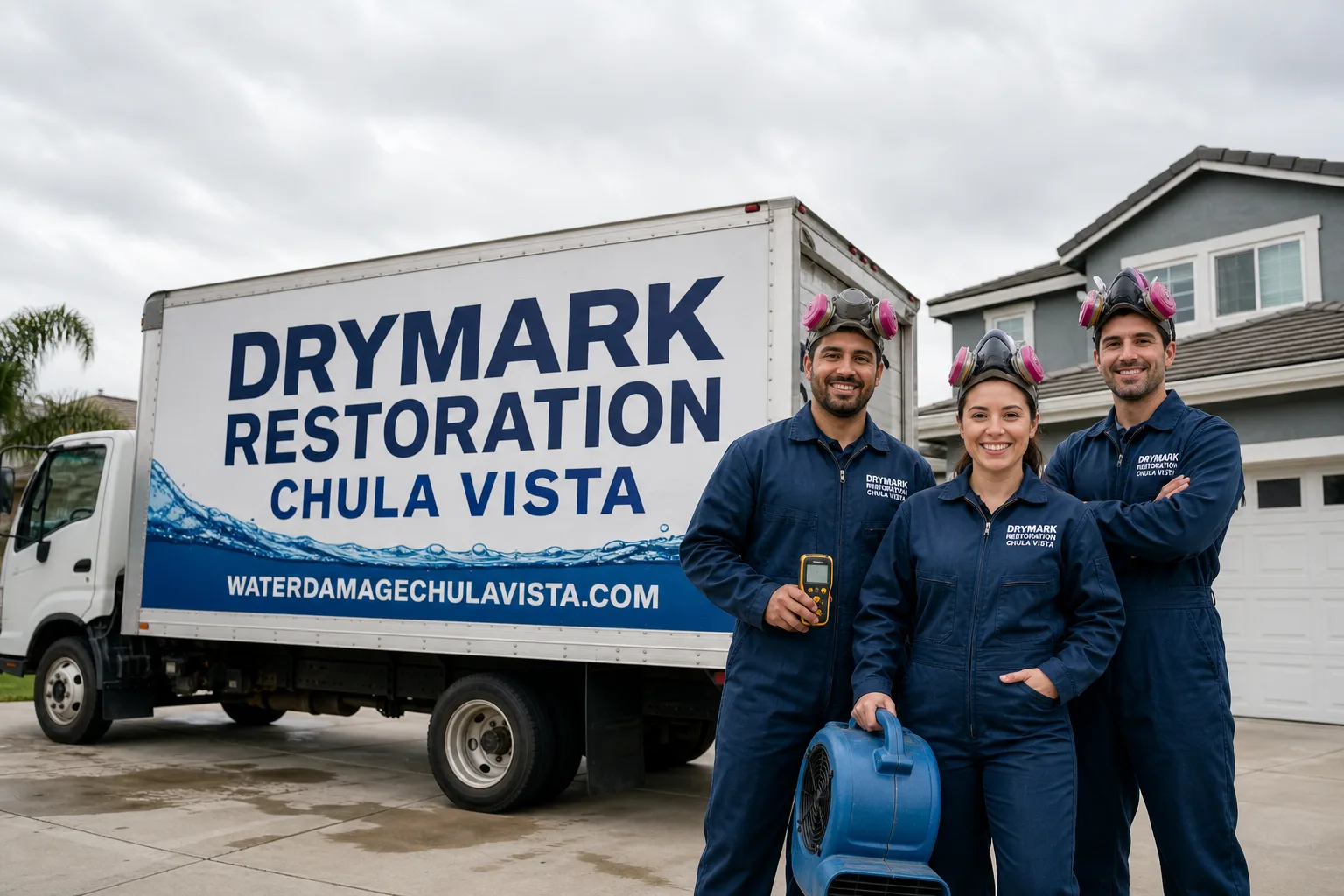
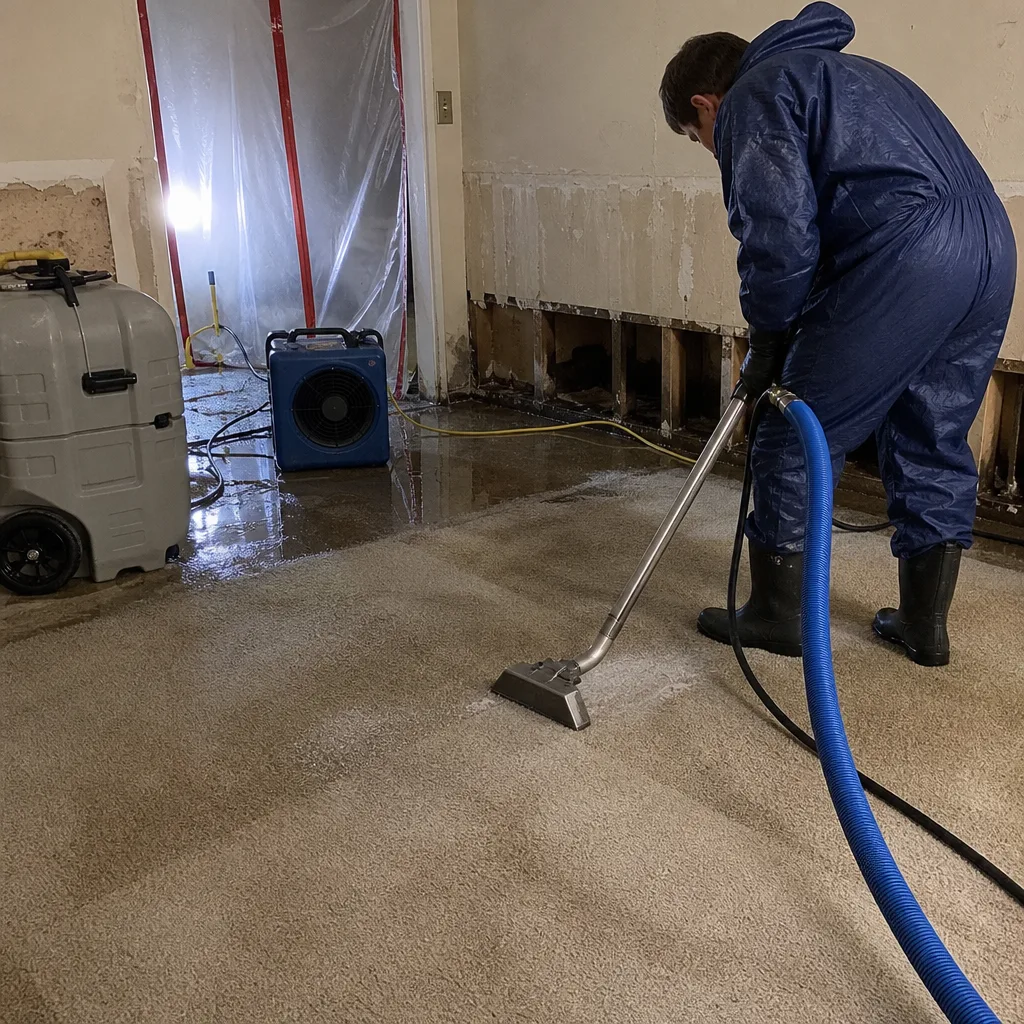
Free visual inspection and a written scope of work before any mitigation begins - photos, moisture readings, and drying logs go in your claim file
The scope we write is the scope we bill. Anything new gets shown to you, in writing, before we touch it.
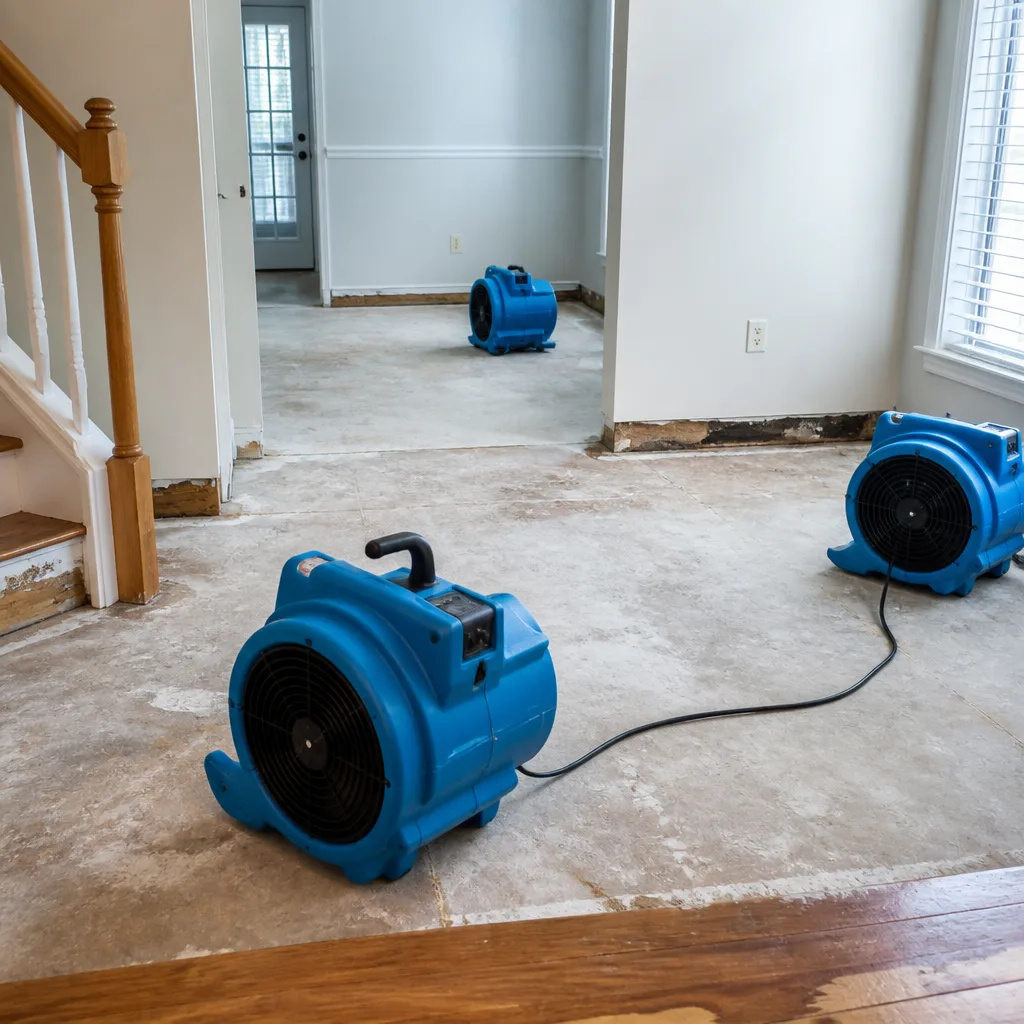



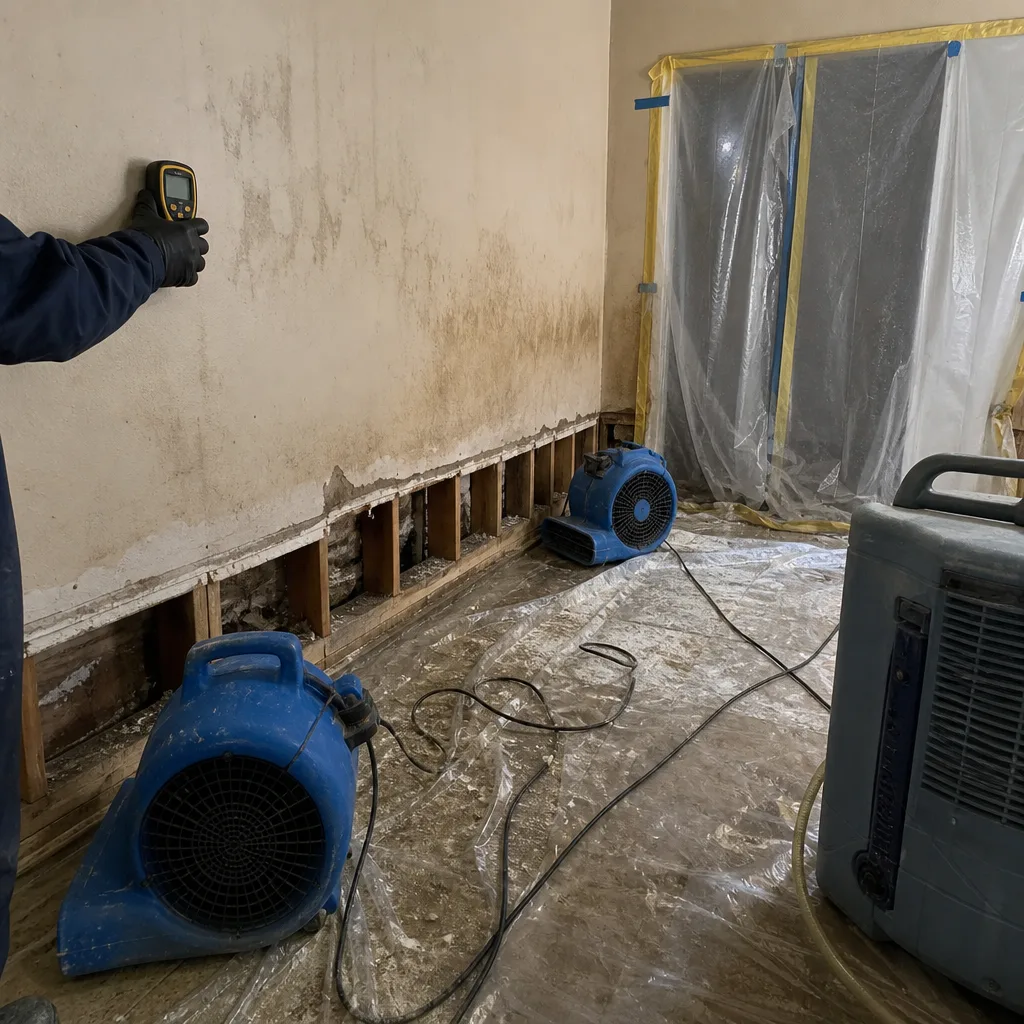 Before
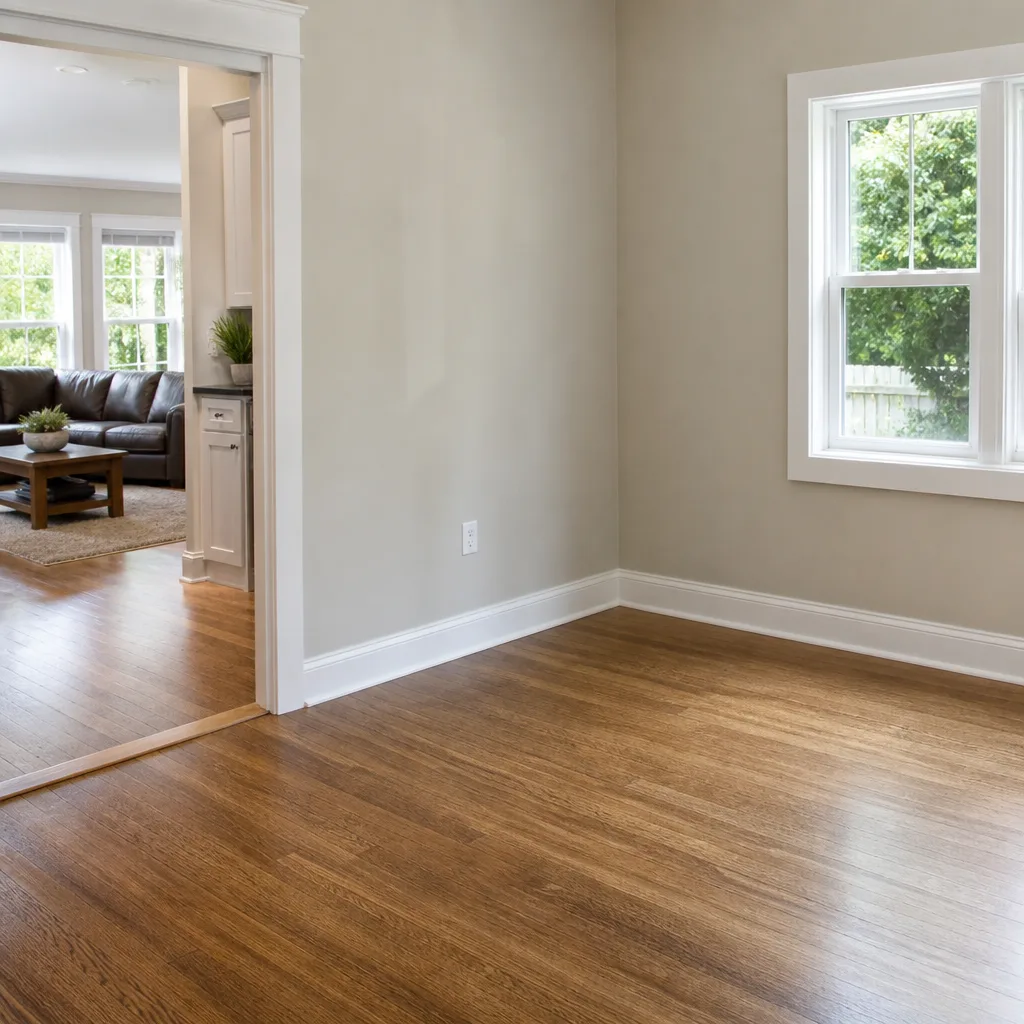
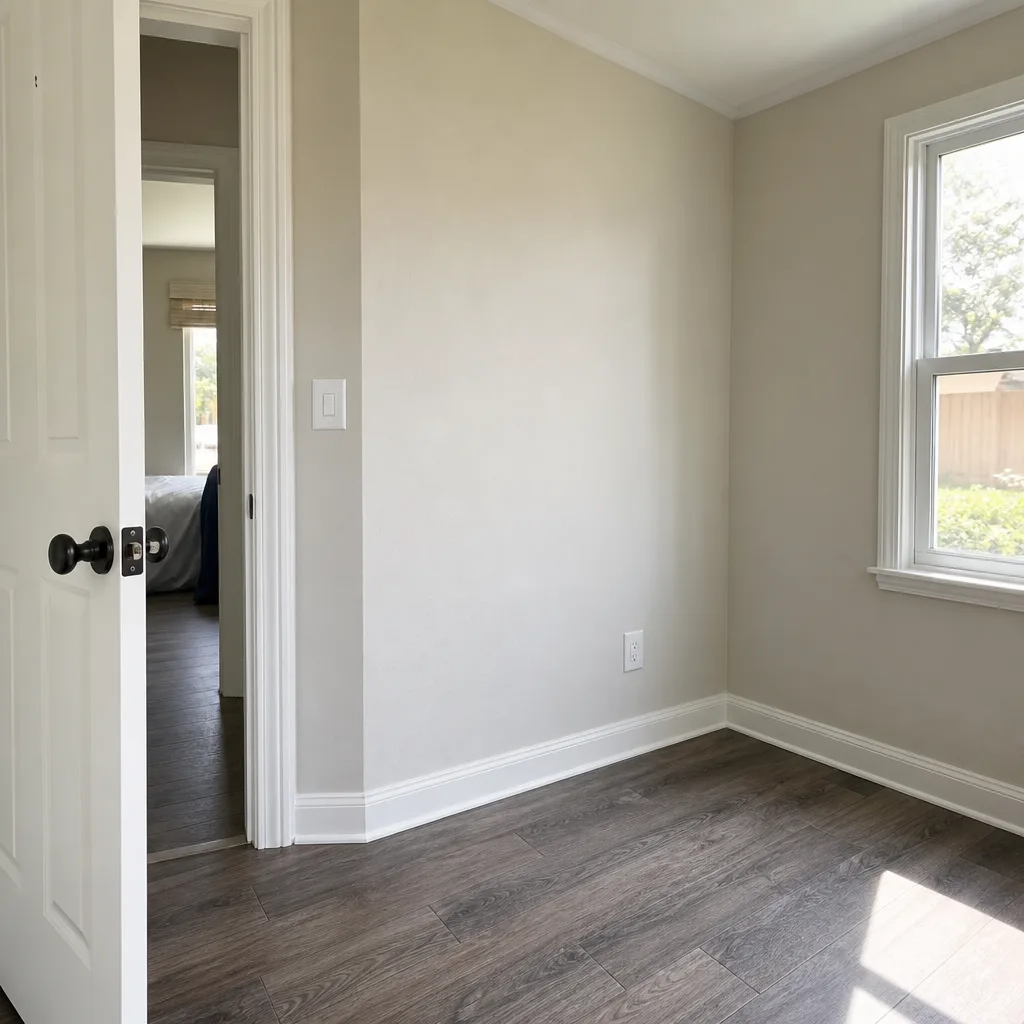 After
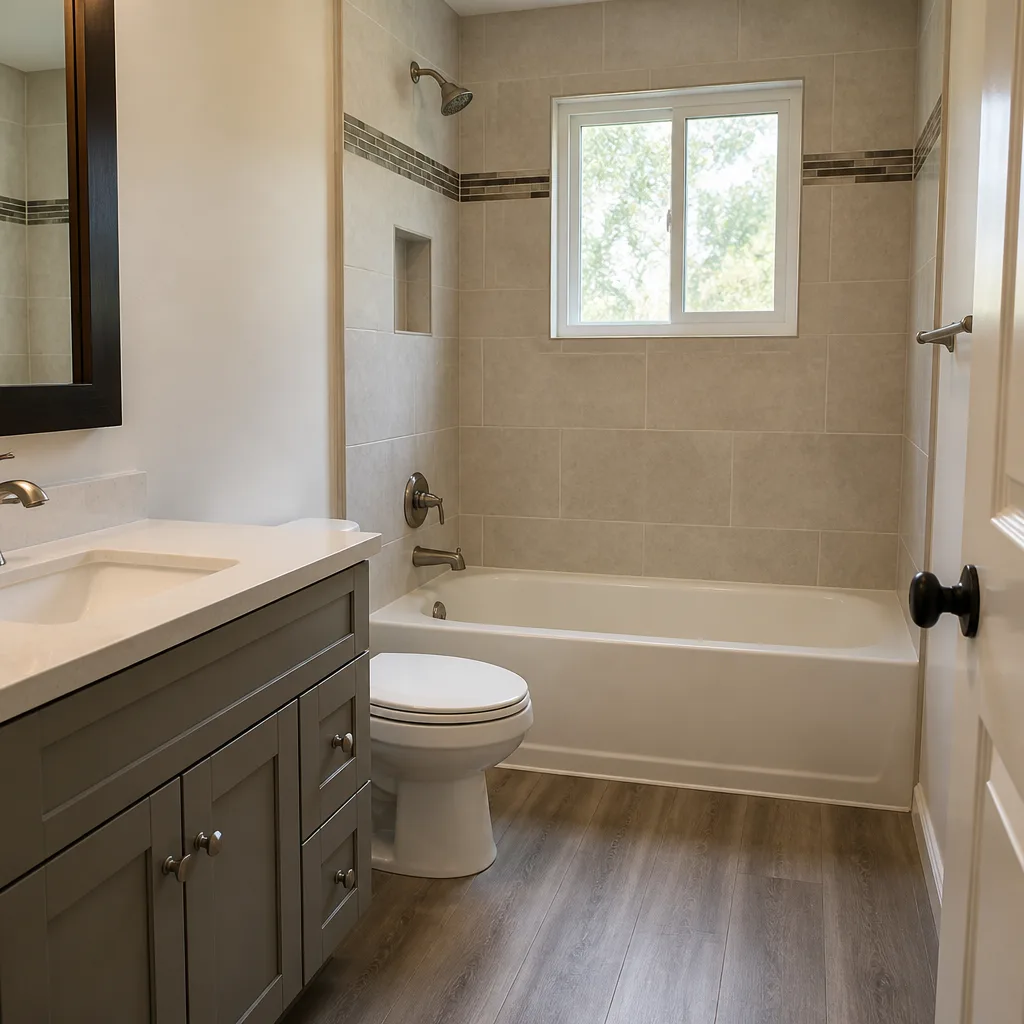
After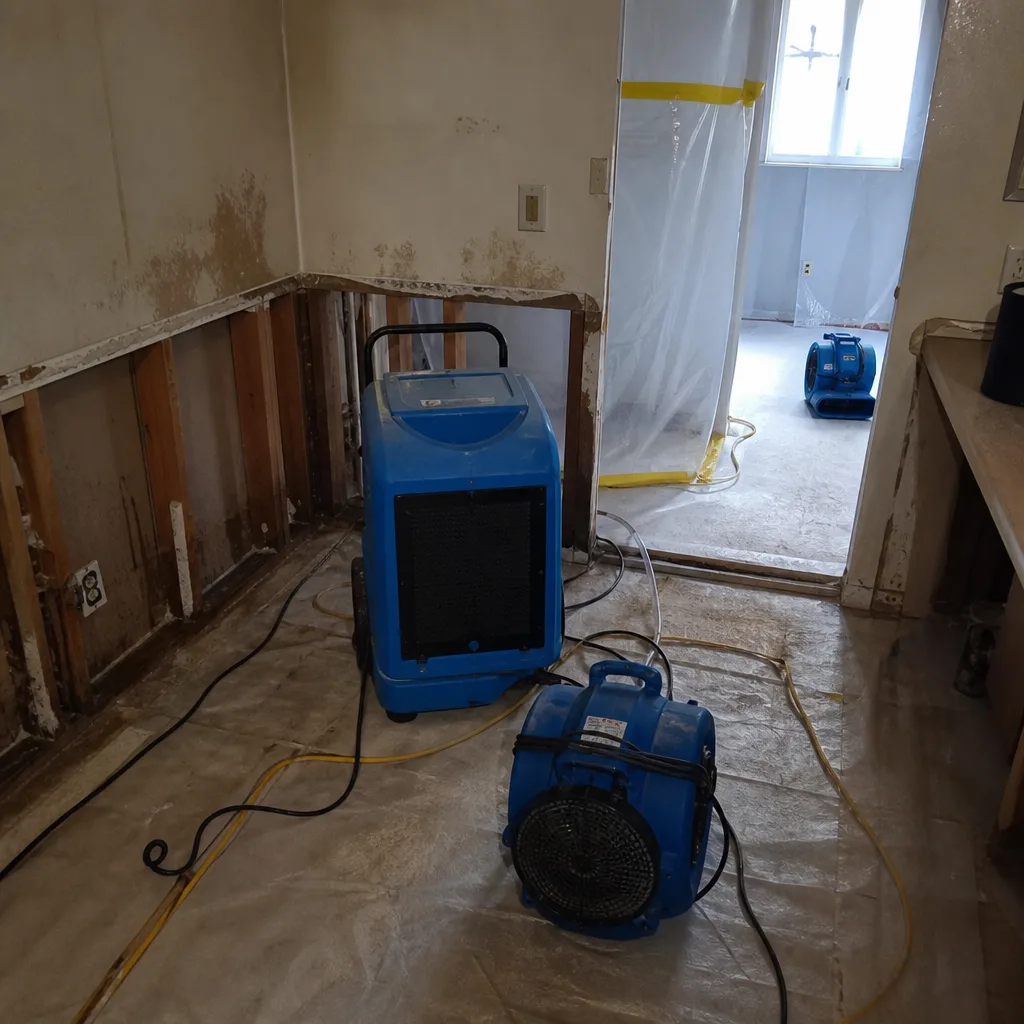 Before
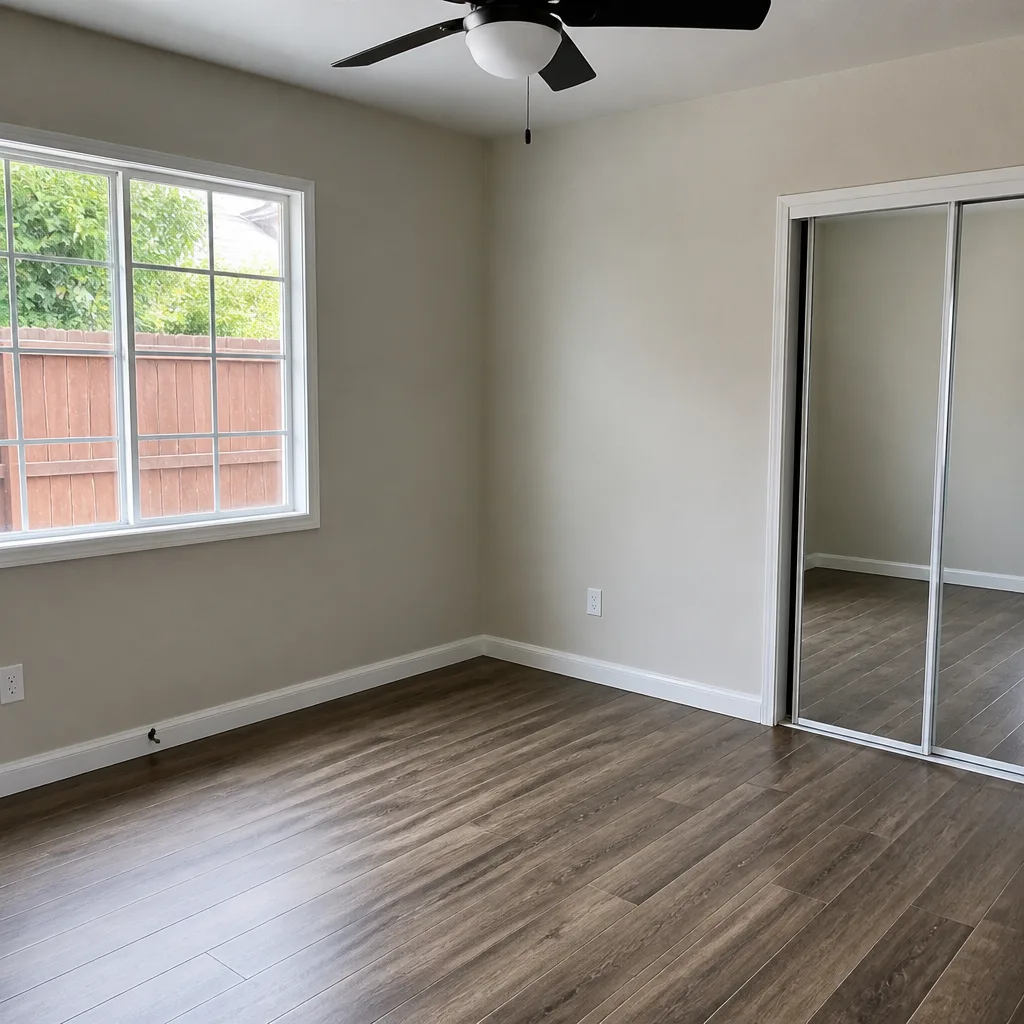 After
After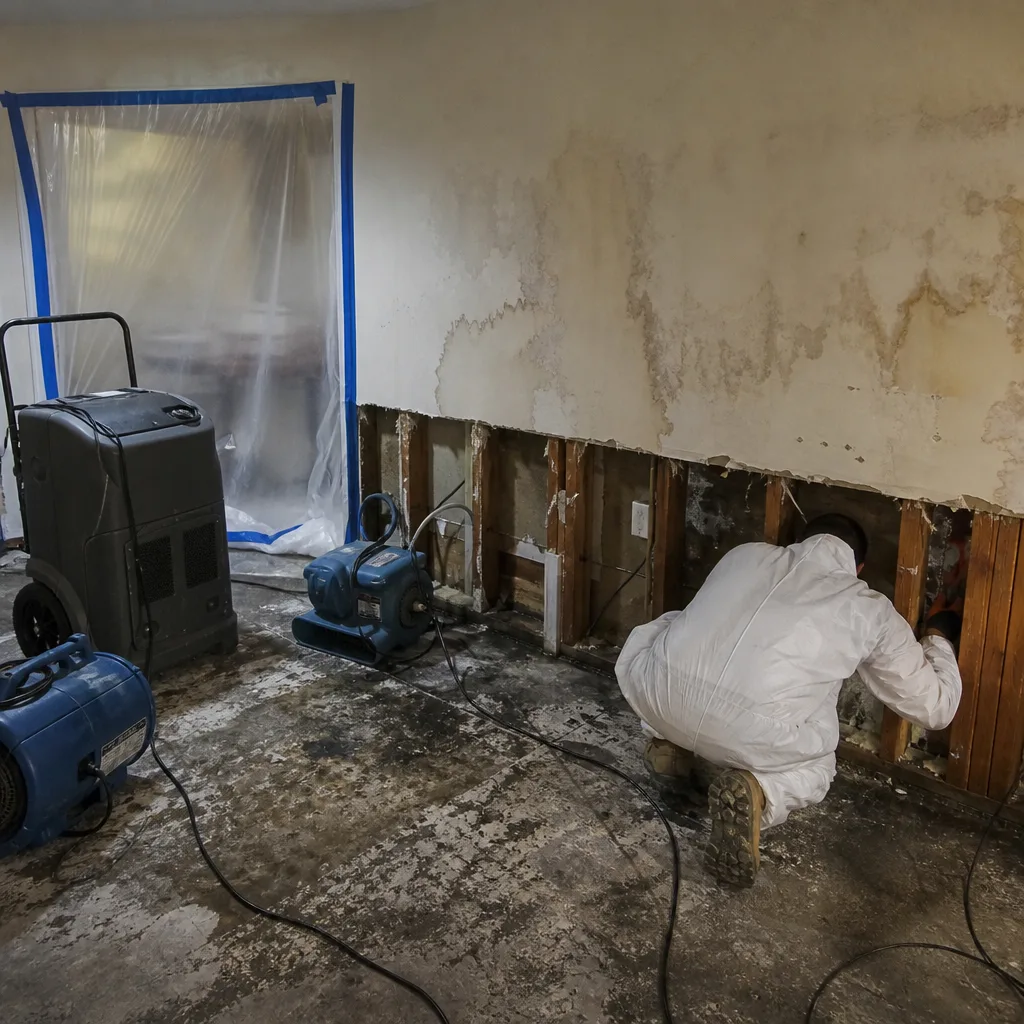 Before
 After
AfterFast, Reliable Mold Remediation Across Chula Vista
Mold remediation in Chula Vista typically runs $1,800-$6,500 for residential projects, with most homes in the Otay Ranch and West Chula Vista areas falling in the $2,400-$4,200 range. Our crews are dispatched from our San Diego office and can be on-site anywhere in Chula Vista within 60-90 minutes during business hours, with live phone coverage 24 hours a day, 7 days a week at (619) 486-5459. We know the difference between a 1960s ranch near Third Avenue with original galvanized plumbing and a 2004 stucco tract home off Eastlake Parkway - and that difference determines where the mold is hiding, how it got there, and what it takes to stop it from coming back.
Why DryMark Restoration Chula Vista Is Chula Vista’s Preferred Mold Remediation Company
We’ve restored more than 12,000 homes since 2011, and a significant share of them have been right here in Chula Vista - from the bay-adjacent bungalows of the western neighborhoods to the master-planned communities of Otay Ranch, Eastlake, and Rolling Hills Ranch. Our Chula Vista customers leave reviews that specifically mention our written scopes, our photo documentation, and the fact that we show them moisture readings in plain language rather than asking them to trust a verbal assurance.
Our response time to Chula Vista averages under 90 minutes for active water-intrusion calls, because we understand that in the marine-layer humidity of western Chula Vista, a wet wall cavity doesn’t wait for business hours to start growing mold. And we know the local building stock well enough to spot the Otay Mesa settlement pattern before we ever pull a moisture meter - the hairline stucco cracks at window corners and garage headers that show up block after block, builder vintage after builder vintage.
Alicia Brennan built this company around a documentation gap she saw as a claims adjuster: homeowners who did everything right still lost their claims because the restoration company couldn’t produce a written scope, a drying log, or a photo record. Every Chula Vista job we take includes those deliverables as standard, not as an upsell. Haven Standard, Clause 1: a written price before any work starts, every time, with no exceptions.
Our Mold Remediation Services in Chula Vista
Mold Inspection & Testing
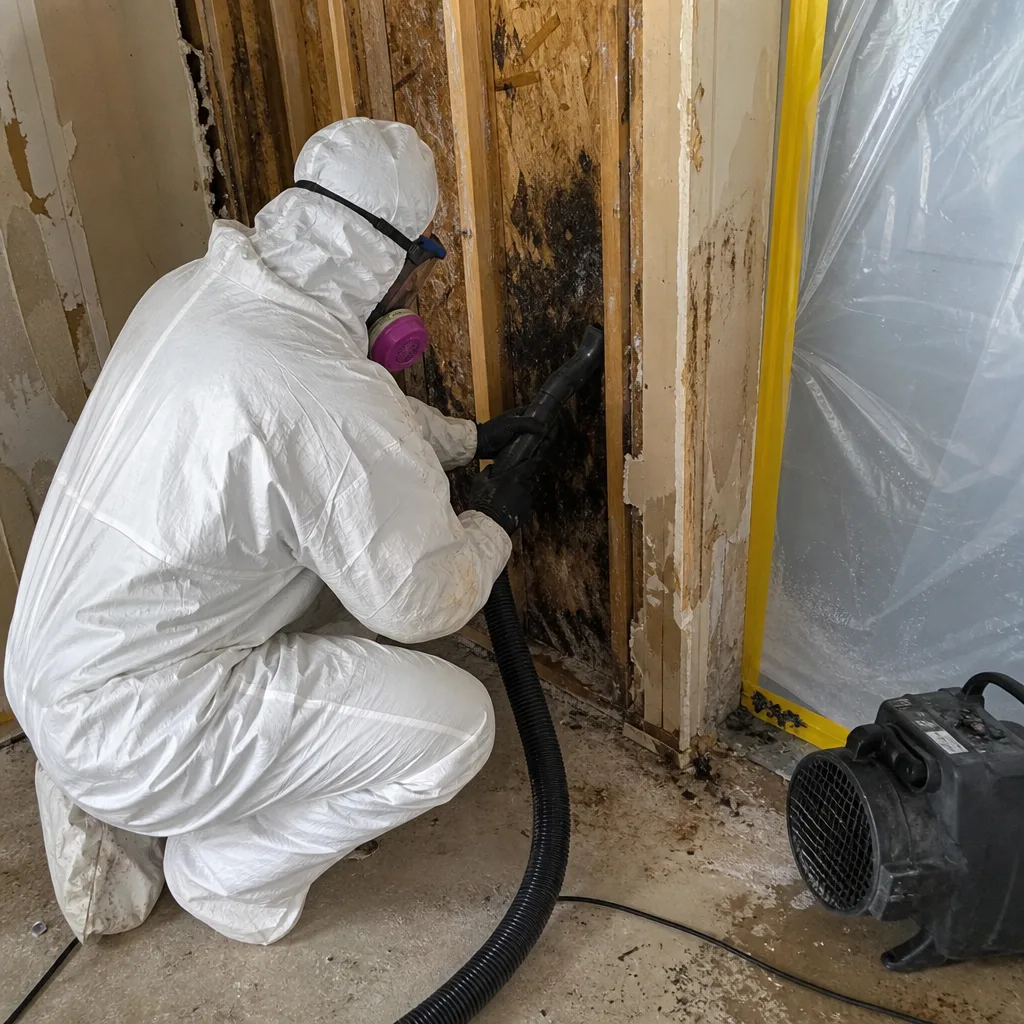
Our Chula Vista inspections start with a visual assessment and moisture-mapping, not a sales pitch. We use FLIR thermal imaging and penetrating moisture meters to find the water source that feeds the mold - because in Otay Ranch’s stucco-over-wood-frame homes, the visible mold is rarely the whole story. On a recent inspection off Birch Road in Eastlake, thermal imaging revealed a 4-foot vertical temperature differential behind a bedroom wall that looked perfectly clean; the moisture meter confirmed saturated OSB sheathing from a failed window-flashing detail that three previous contractors had missed. We document every reading, every photo, and every finding in a written report you can submit to your insurer or adjuster directly.
Mold Removal
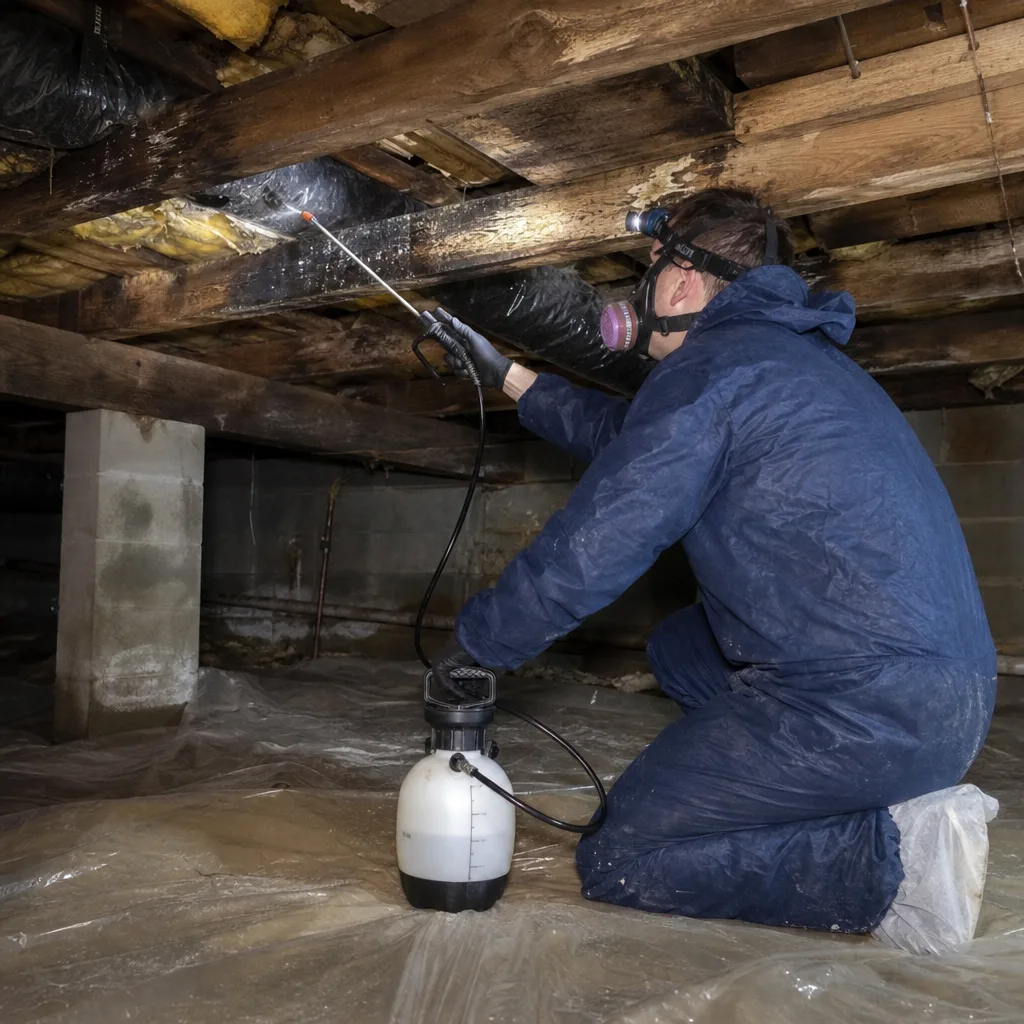
Removal in Chula Vista means containment, source control, and documented drying - not just spraying bleach on visible spots. We establish negative-air containment with HEPA filtration, remove affected materials by IICRC and RIA protocol, and treat remaining structures with antimicrobial agents rated for the material classification we find. In West Chula Vista’s 1950s-1970s ranch homes, that often means plaster-and-lath assemblies with decades of paint layers; in Otay Ranch’s tract construction, it means 5/8-inch drywall with paper backing that wicks moisture horizontally across entire wall cavities. The approach differs. We write the difference into the scope before work begins.
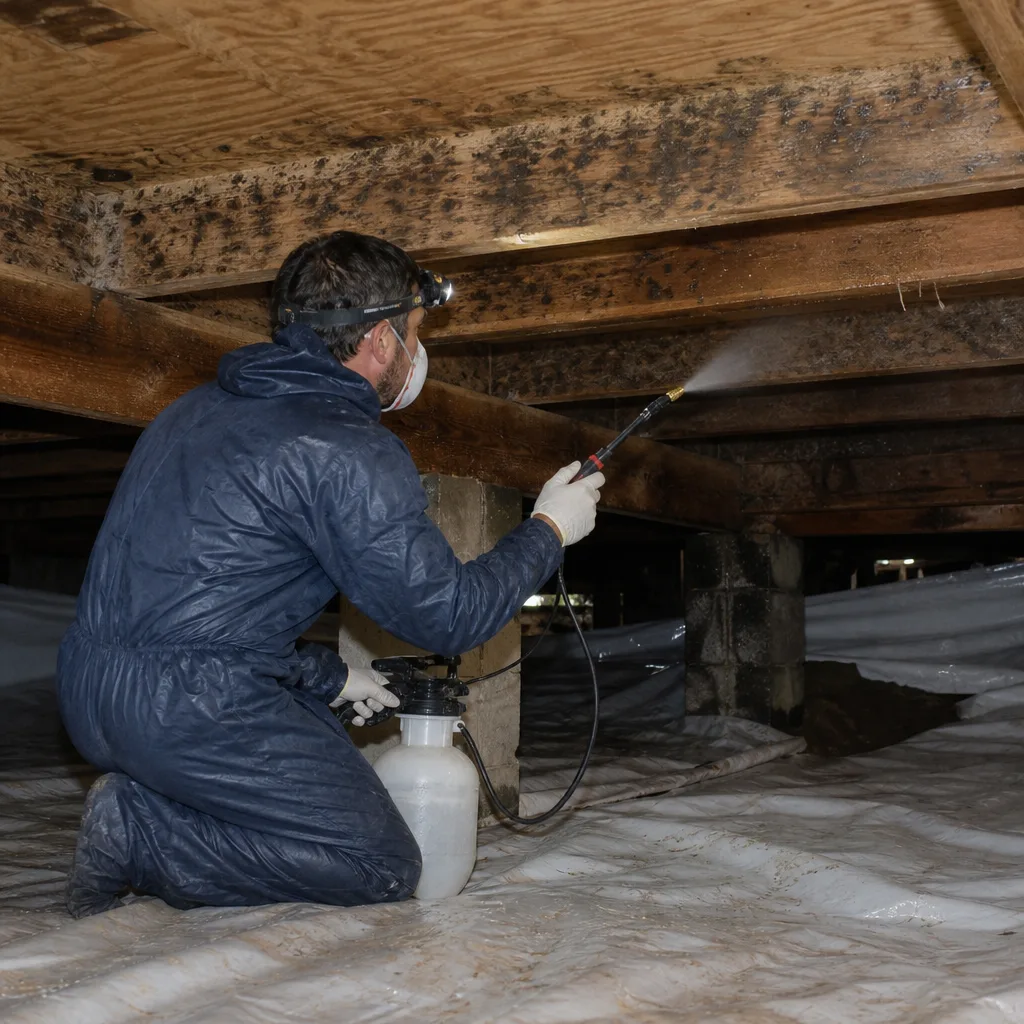
Black Mold Remediation
Stachybotrys chartarum and other toxigenic molds require the same containment rigor as any Category 3 biological contamination. Our Chula Vista crews use full PPE, sealed containment barriers, and air scrubbers with HEPA filtration rated to 0.3 microns. But the critical step is still source elimination: finding the water intrusion that allowed spores to germinate and establishing a drying protocol that drops cavity humidity below 60% relative humidity - the threshold where mold colonization stalls. In Chula Vista’s marine-layer climate, especially in the older stucco homes west of Interstate 5, that often means active dehumidification with Dri-Eaz and Phoenix equipment rather than passive air movement.
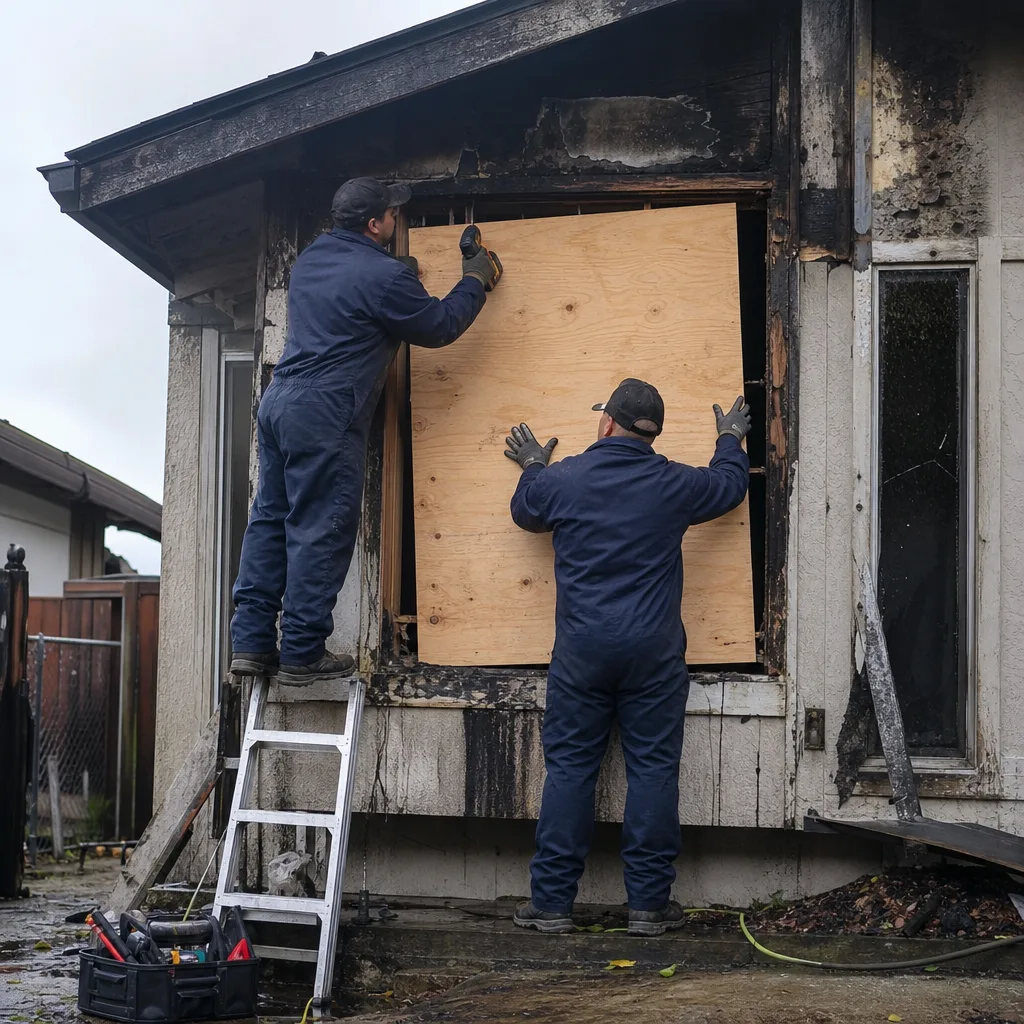
Air Quality Restoration
Post-remediation air quality in Chula Vista homes requires more than a visual clearance. We collect air samples for spore count comparison against outdoor baseline readings, and we measure total volatile organic compounds (TVOC) to confirm that antimicrobial residues and disturbed mycotoxins have been adequately ventilated. For homes in the Otay Ranch area with forced-air HVAC systems, we inspect ductwork for cross-contamination - the same builder-vintage homes often share the same flexible duct routing, and mold in one wall cavity can seed the entire system if the return path was compromised during the water event.
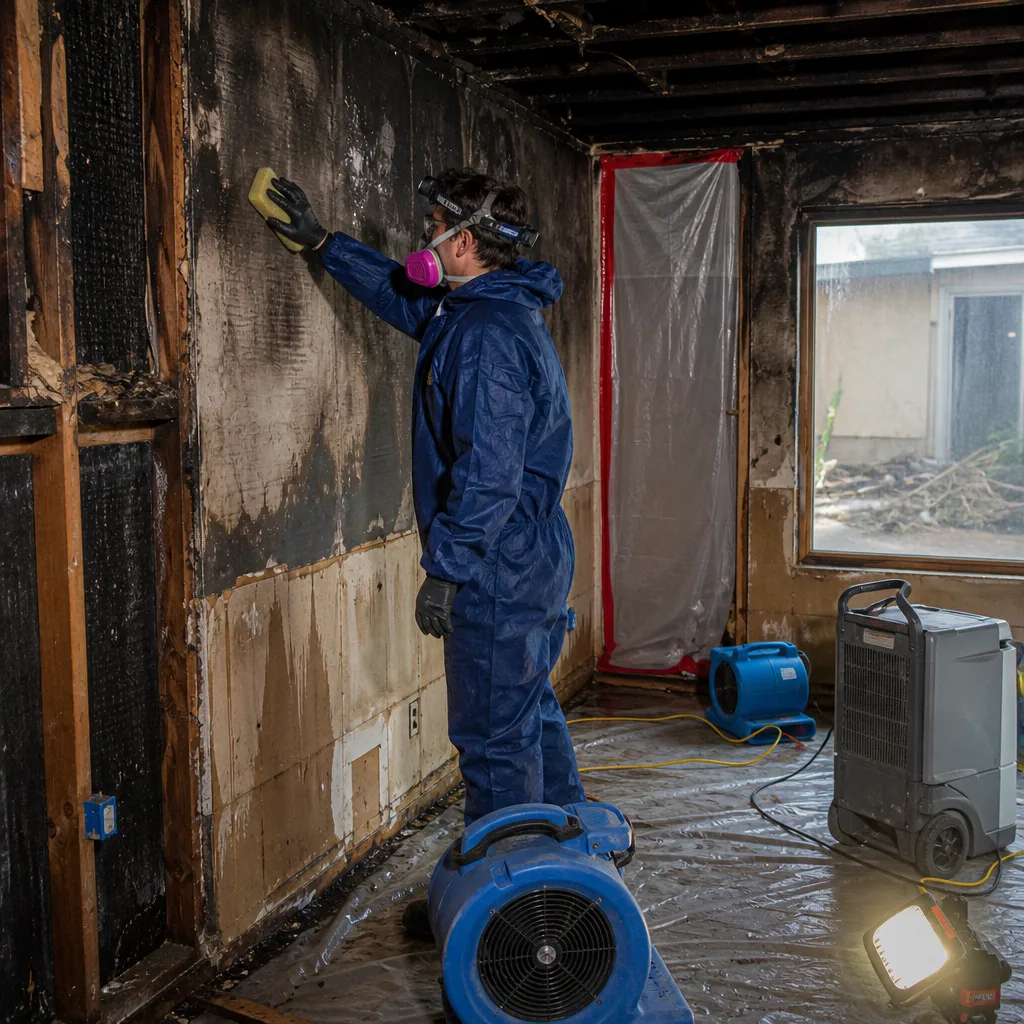
Moisture & Humidity Control
This is where most Chula Vista mold jobs succeed or fail long-term. Our moisture control protocols use psychrometric data - temperature, relative humidity, and vapor pressure differential - to calculate exactly how much dehumidification capacity a structure needs, and where to place it. A 2,200-square-foot Otay Ranch home with clay-soil settlement cracks and compromised weep screed might need 150 pints per day of dehumidification capacity for 72 hours to drop wall-cavity readings below 15% wood moisture content. We log those readings every 24 hours, and we give you the log.
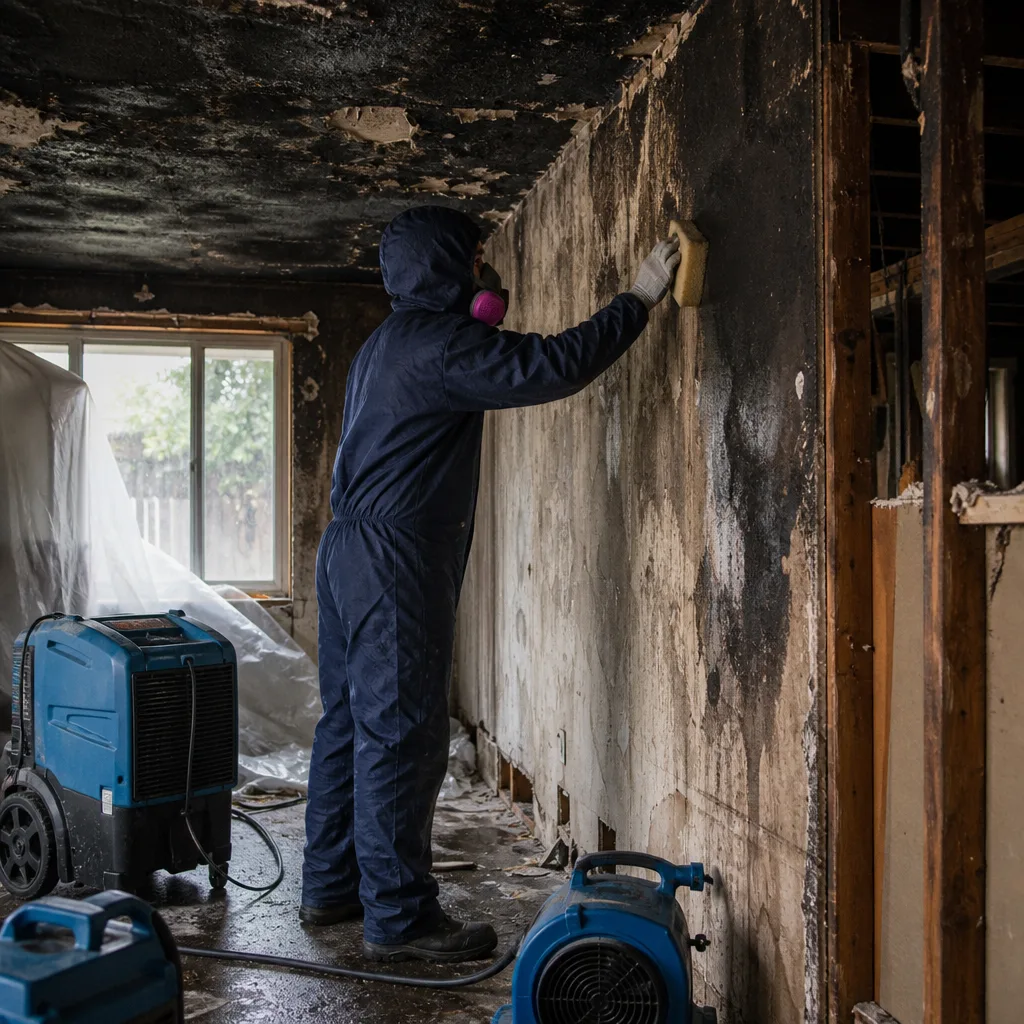
What happens when you call
- 1
A real person answersNo phone trees - you reach a local pro.
- 2
You get an upfront price rangeHonest numbers before anyone is dispatched.
- 3
A background-checked tech heads outLicensed & insured, dispatched right away.
- 4
You approve before work beginsNothing starts until you say go.
BeforeAfterTrusted Brands We Service in Chula Vista
Our equipment inventory includes professional-grade drying systems from Dri-Eaz, Phoenix, and XPOWER - brands we deploy specifically for the humidity loads and material types we encounter in Chula Vista’s two distinct housing stocks. For the dense stucco assemblies of Otay Ranch, we stock Injectidry cavity-drying systems that force conditioned air into wall voids without removing intact drywall. For the older, more porous construction of West Chula Vista ranches, we maintain B-Air axial air movers with variable speed control to avoid overdrying plaster. Parts and replacement filters are kept in our San Diego warehouse, so a failed dehumidifier or clogged HEPA filter doesn’t delay your drying schedule.
Common Mold Remediation Problems We See in Chula Vista Homes
- The Otay Mesa settlement crack that keeps reopening. Differential settlement in the cut-and-fill grading of Otay Ranch, Eastlake, and Rolling Hills Ranch produces hairline stucco cracks at window corners and garage headers in predictable patterns. We see the same crack location on the same floor plan, street after street. Treating the mold without sealing the intrusion path guarantees recurrence.
- Marine-layer humidity masking as “just damp.” West Chula Vista’s bay-adjacent neighborhoods stay humid enough that homeowners dismiss musty odors as normal. By the time visible mold appears, cavity moisture readings often exceed 20% wood moisture content - well past the 16% threshold where fungal colonization accelerates.
- Atmospheric river flash flooding in low-permeability soils. When Pacific storms dump intense rainfall onto Otay Mesa’s graded surfaces, water sheets across impervious clay soils and pools against stucco walls with inadequate grade clearance. The water finds the same compromised weep-screed details, the same flashing gaps, in home after home of the same builder vintage.
- Generic scopes that miss builder-vintage uniformity. A remediation plan written for “mold in a bedroom” fails in Otay Ranch because it doesn’t account for the fact that your 2004 Pulte or Lennar home shares its wall assembly, its window detail, and its failure mode with fifty identical homes on your street. We inspect adjacent cavities and document the pattern.
Pricing for Mold Remediation in Chula Vista, CA
Mold inspection and testing in Chula Vista runs $350-$650 for a typical single-family home, including moisture mapping, thermal imaging, and a written report with photo documentation. Contained mold removal for a localized area - one wall cavity, a small bathroom, or a garage header - typically falls between $1,800 and $3,400. Whole-room remediation with full containment, air scrubbing, and material replacement ranges $3,800-$6,500 in the Chula Vista market. Crawl space treatment, which is common in the older West Chula Vista ranch stock, adds $800-$2,200 depending on access, square footage, and vapor barrier condition.
What moves a Chula Vista job toward the higher end: multiple affected cavities in stucco tract construction requiring Injectidry cavity drying; HVAC cross-contamination needing duct cleaning and negative-air isolation; or builder-vintage defects that require coordination with a stucco contractor for permanent sealing. What keeps costs controlled: early detection before mold spreads beyond the original water intrusion path, and a written scope that defines exactly which materials are removed, which are treated in place, and what documentation you’ll receive.
Haven Standard, Clause 1: you’ll get that written price before any work starts. No exceptions. Call (619) 486-5459 for an exact quote - estimates are free, and we offer a Free Second Opinion on any competitor’s written estimate.
We Also Serve Cities Near Chula Vista
Our Mold Remediation in Chula Vista crews regularly work in National City, Bonita, Imperial Beach, and Coronado - each with housing stocks and climate conditions distinct from Chula Vista’s. National City’s older, denser construction has different moisture pathways. Coronado’s coastal exposure brings salt-air corrosion into the mold equation. We adjust our scopes accordingly, but our documentation standard stays the same: written price, photo record, drying log, signed warranty.
Serving Chula Vista, CA - Our Local Coverage Area
We’re based in the Chula Vista area and know this community well. Use the map below to see our service coverage - if you’re nearby, we can almost certainly help.
FAQs - Mold Remediation in Chula Vista
Because the water intrusion path - usually a hairline stucco crack from clay-soil differential settlement at a window corner or garage header - was never sealed. We see this pattern on identical floor plans across Otay Ranch, Eastlake, and Rolling Hills Ranch. Our remediation includes moisture-source identification and documentation of the builder-vintage defect, so you can pursue warranty recovery or stucco repair with a written record in hand. Call (619) 486-5459 for an inspection that finds the source, not just the symptom.
Marine-layer dampness alone doesn’t smell musty; that odor indicates active microbial growth on organic material, typically paper-faced drywall or wood framing with moisture readings above 16%. In West Chula Vista’s 1950s-1970s ranches, we often find original low-slope roof leaks or aging galvanized plumbing failures that keep wall cavities chronically wet. We can tell the difference with a moisture meter and thermal imaging in about 20 minutes, and we’ll show you the readings. Estimates are free.
Yes. Mold colonization on cellulose materials begins within 24-48 hours of sustained moisture above 16% wood moisture content. In Chula Vista’s marine-layer humidity, especially in western neighborhoods where fog lingers until midday, a wet wall cavity rarely dries passively. The difference between calling on day two and calling on day fourteen is often the difference between localized removal and whole-room remediation with full containment. Our live phone coverage means you reach a person, not a voicemail tree, at any hour.
We establish containment, remove water-damaged materials, apply antimicrobial treatment, and deploy structural drying with documented psychrometric targets - but the critical step in Otay Ranch is inspecting the stucco envelope for the settlement cracks and flashing gaps that atmospheric-river rainfall exploits. On a 2003 build off East Palomar Street near the Otay Ranch Town Center, our techs pulled moisture readings from the garage header and found the classic Otay Mesa pattern: a hairline stucco crack from differential settlement had been feeding Category 2 water into the wall assembly for years, with active mold on the drywall paper backing. We established containment, removed the affected drywall, ran antimicrobial treatment, and set Dri-Eaz dehumidification with air movers to bring the cavity back to its pre-loss condition - then documented drying logs so the homeowner could show the builder-vintage defect that half the block shares.
Possibly, if the builder-vintage defect is structural and widespread. The uniformity of 1990s-2000s tract construction in Otay Ranch, Eastlake, and Rolling Hills Ranch means the same compromised weep-screed detail, the same window-flashing gap, the same stucco-to-slab intersection appears across hundreds of homes. We’ve documented the pattern on multiple streets. That doesn’t mean every home will fail, but it does mean homeowners should inspect proactively after any water event, and should demand documentation of the intrusion path if mold is found. Our Mold Remediation team provides written reports that serve as evidence for builder warranty claims or HOA action.
Written by Alicia Brennan, Owner at Back to Dry Restoration, serving Chula Vista since 2011.